
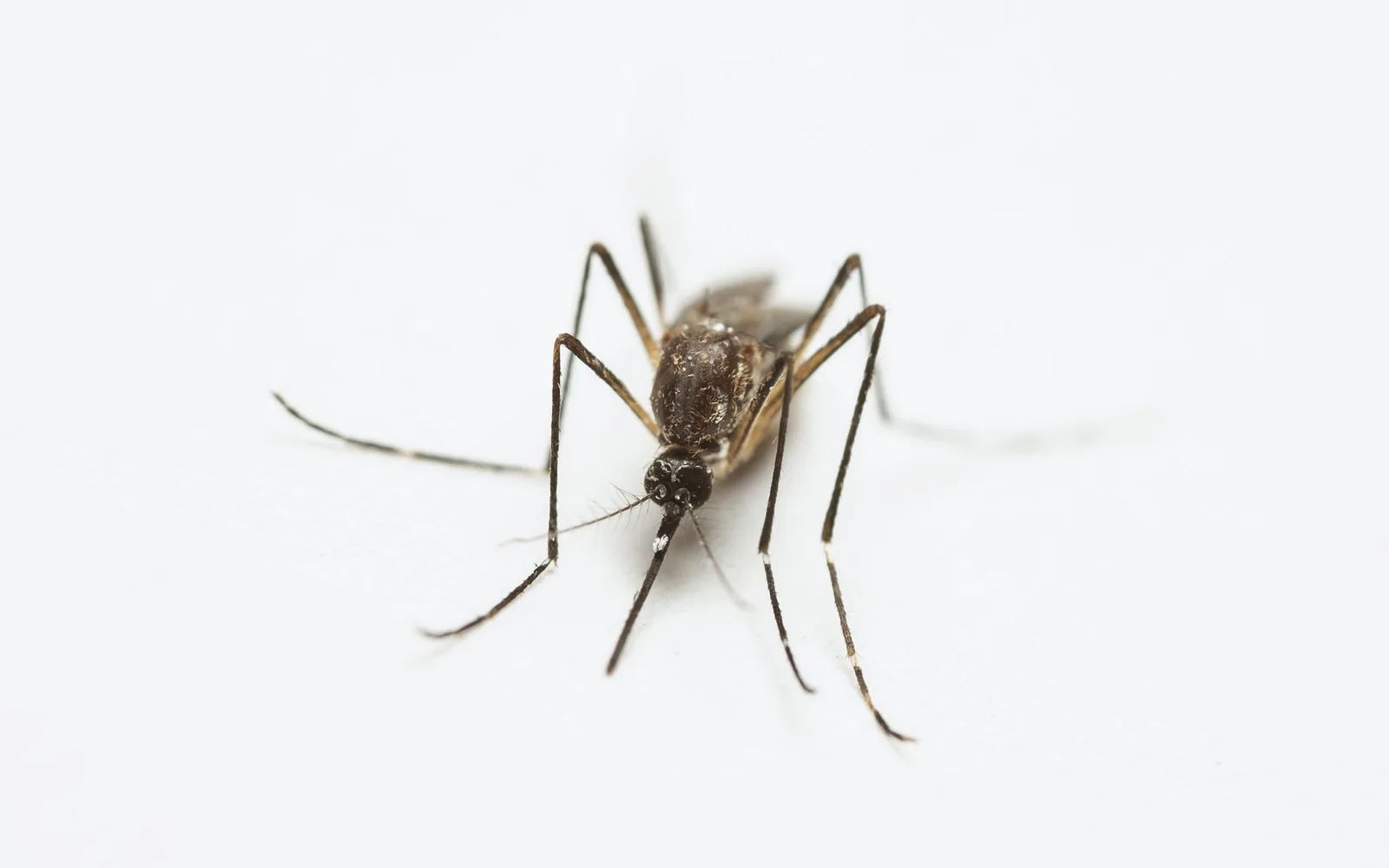
Mosquito control in Shaab Ali Al Jadid Makkah
Shaab Ali Al Jadid is a developing district south of Makkah surrounded by vacant land and active building sites, where mosquitoes thrive in foundation pits and water collected among stacked materials. Treatment here focuses on temporary water sources and exposed soil before the infrastructure completes, targeting the mobile larvae that move between active sites.
-
Targeted, not broadcast
Product goes into cracks and runways, never sprayed across open surfaces.
-
Told before we start
What we will use, where it goes, and what to cover or move before we arrive.
-
A follow-up visit
We return after the first treatment, because what survives it does not show on the day.
-
Homes and businesses
Apartments and villas, and kitchens and stores that need a record of each visit.
Why they keep coming back in Shaab Ali Al Jadid
Mosquitoes emerging here differ from settled neighbourhoods; the open terrain and trapped moisture produce varieties that need tailored site-by-site treatment rather than standard household application. The method is set out in full on the full Mosquito control page.
Foundation pits create temporary water reservoirs
Building excavations for new villas and road trenches become pools after rain, and mosquitoes complete their cycle in them before occupants remember to address them. Each construction site requires separate treatment because drainage is temporary and water sources shift with each phase of building.
Stacked materials and exposed soil trap moisture
Stockpiled materials, raised earth and sand heaps at building sites hold water in their voids and gaps, creating incubation zones before the land is levelled and drainage networks are finished. Treatment must account for this hidden moisture that persists long after rain stops.
Wide distances between new homes aid mosquito movement
New villas stand apart in broad empty space, and mosquitoes move freely from one construction zone to another. There is no natural barrier to breeding unless coordinated treatment covers the entire scheme at once.
Shaab Ali Al Jadid on the map
Shaab Ali Al Jadid sits about 4 km from Al Falaq Al Jadid and about 5.5 km from Shaab Amer Al Jadid.
Open in Google MapsStanding water and shade decide the method
Wadi Uranah and the Fifth Ring Road cross the scheme, and bare ground holds standing water in building pits and excavations after each rainfall.
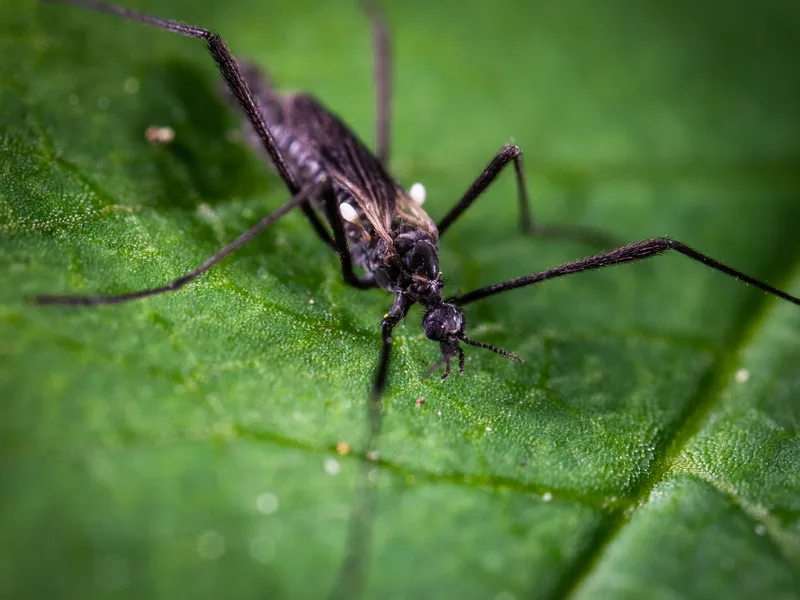
The daytime biter
Daytime mosquitoes in the new scheme rest on young grass and shrubs planted round the new villas, and the damp of early evening holds them in the leaves of small plantings.
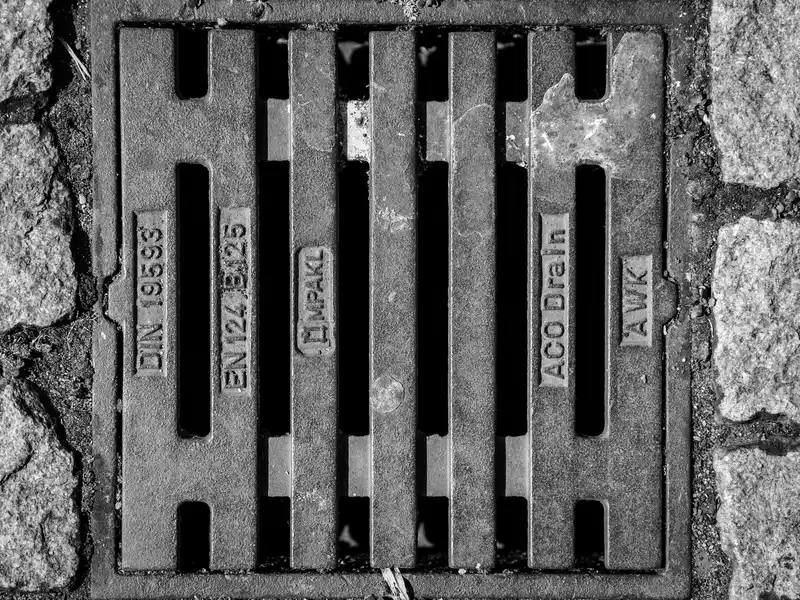
The one that comes out after sunset
Night-active mosquitoes emerge from the dark spaces between stacked materials and open pits, becoming active at dusk near standing water at the scheme edges.
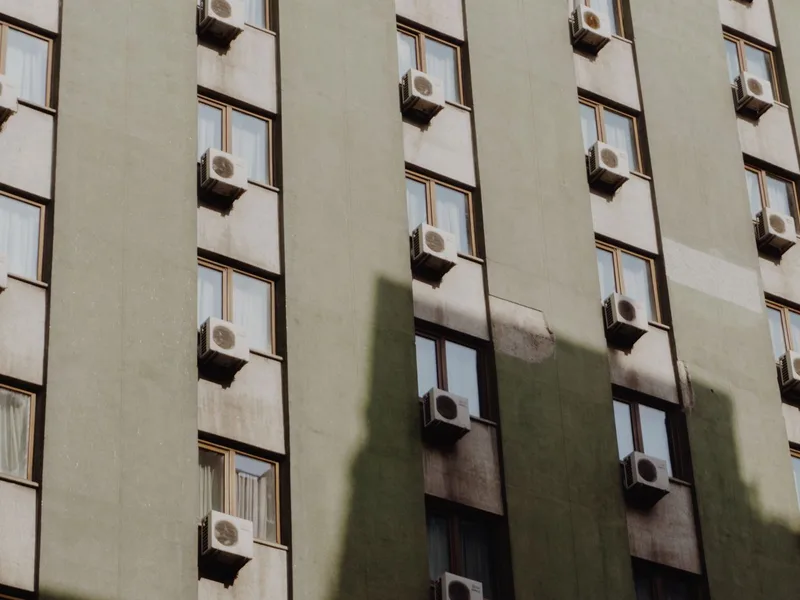
Air-conditioning condensate
Air conditioning units on new villas discharge water onto bare soil round foundations, collecting in small pools that provide continuous fresh water to the colony.
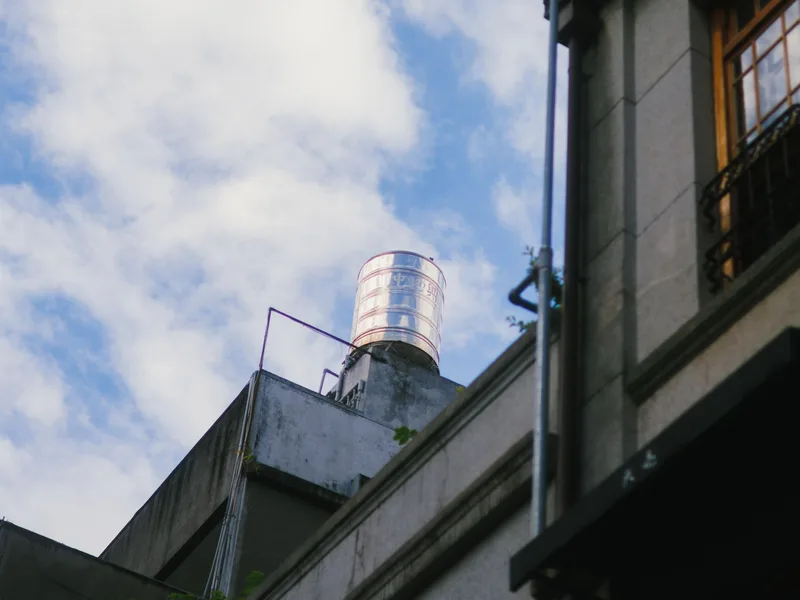
The tank and its openings
Water tanks on roofs or in new foundation pits may sit uncovered before villas are complete, and gaps and passages round the lid allow easy mosquito entry before screening is fitted.

Garden containers and irrigation
New villa gardens have temporary irrigation taps and hoses that collect water readily, and among scattered gravel and raised earth many small water pockets form where larvae thrive.
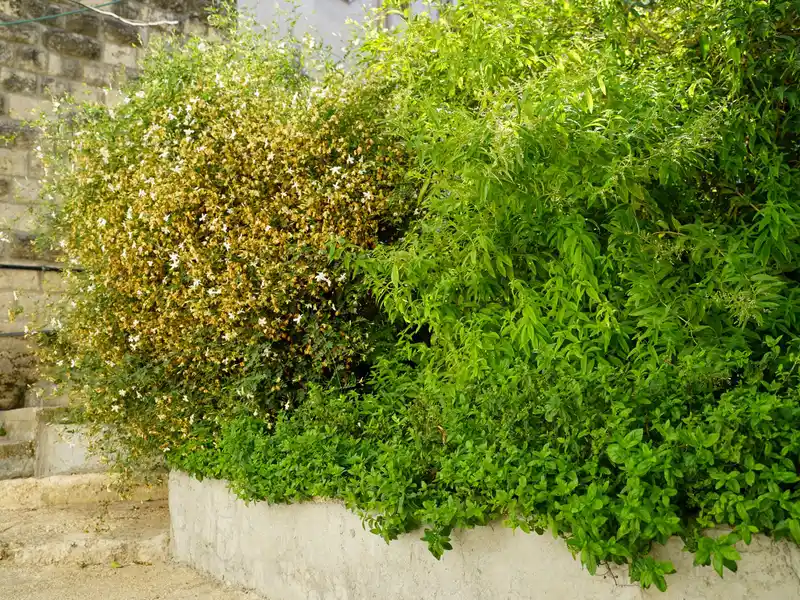
The shade it rests in
Shade under stacked materials and depth in open excavations provides permanent day refuge for adult mosquitoes throughout daylight, and these dark damp zones need targeted residual application.
How we work
-
1
Inspect and map the water
We walk the perimeter, the roof, the garden, the meter chambers and the condensate runs, record everything that holds water, and read the species from the breeding site and the time of biting.
-
2
Remove the water that can go
Empty, invert, cover: saucers, containers, old tyres and roof gullies. Every point that disappears is a treatment that never needs repeating.
-
3
Larval treatment, then the resting surfaces
Water that cannot be drained is treated so the larva never completes, then a residual goes under planting, beneath outdoor furniture and along low shaded walls.
-
4
The follow-up visit
We come back once the generation that was in the water on the first visit has completed, review every point we recorded and re-treat where needed.
What mosquito control includes
-

A recorded water survey
Roof, perimeter, garden, meter chambers and condensate lines, written down before anything is applied.
-

Draining and covering the sources
Emptying what can be emptied, draining what can be drained, and covering what has to stay full.
-

Larval treatment for the water that stays
For ground tanks, inspection chambers, water features and any permanent water that has to remain.
-

A residual on the resting places
Under trees and shrubs, beneath outdoor furniture and on shaded walls, where the adult sits out the day.
-

Aftercare instructions
What stays inverted, what gets covered, which openings need mesh, and when watering goes back to normal.
-

A scheduled follow-up
A set date after the first treatment, with every recorded water point reviewed and re-treated if the water came back.
The character of Shaab Ali Al Jadid
New development: ongoing construction and vacant plots between the homes
A developing district means mosquito sources are still forming, so our approach focuses on controlling each construction site before breeding settles, treating the building phase as a prevention window before the neighbourhood fully occupies.
Questions about this district
Are building excavations a mosquito source before villas are finished?
Yes, open damp pits are among the fastest breeding sources. We focus on treating foundation trenches and open ditches before they are backfilled, visiting each site before final grading so mosquitoes do not establish before you move in.
Do puddles on new unfinished paving create mosquito problems?
Unfinished asphalt in the scheme holds water in its depressions after rain, and these scattered pools need periodic treatment until final grading and drainage are complete. The poor compaction also allows water to lie longer than in settled areas.
When should I start treatment before moving into my new villa?
We recommend beginning a month before furniture arrival, because mosquitoes may already be breeding in the garden and surrounding open ground. Early scheme-wide treatment stops them establishing before you occupy the home.
Do vacant plots round my villa need separate treatment?
Unbuild neighbouring land is a continuous mosquito source, and we strongly recommend including it in the initial treatment because it will reinfest your garden if left untreated.
Does ongoing construction affect how well treatment works?
Yes, raised materials and new excavations appear during treatment, creating fresh breeding sites. These new sources need faster monitoring than settled neighbourhoods because each building phase adds water points.
Do I need treatment repeated while building is still going on?
Yes, each construction phase creates new water sources, and repeated treatments every two weeks are more effective than waiting until building finishes and then treating the whole district at once.
How much does mosquito control in Shaab Ali Al Jadid cost?
It is set after the inspection, because the price follows the type of infestation, the size of the space, how far it has spread and the number of visits it needs. Send a photo and a description on WhatsApp and we will give you an estimate before we reach Shaab Ali Al Jadid.
Nearby districts we cover
Other services in Shaab Ali Al Jadid
Other services we provide to residents of Shaab Ali Al Jadid.
-
 Residential
Cockroach control
Residential
Cockroach control
-
 Residential
Bed bug control
Residential
Bed bug control
-
 Residential
Termite control
Residential
Termite control
-
 Residential
Rodents and mice
Residential
Rodents and mice
-
 Residential
Fly control
Residential
Fly control
-
 Residential
Ant control
Residential
Ant control
-
 Residential
Gecko control
Residential
Gecko control
-
 Residential
Scorpion control
Residential
Scorpion control
-
 Residential
Snake control
Residential
Snake control
-
 Residential
Flea control
Residential
Flea control
-
 Residential
Bird and pigeon control
Residential
Bird and pigeon control
-
 Residential
Preventive treatment
Residential
Preventive treatment
-
 Residential
Disinfection
Residential
Disinfection
-
 Commercial
Annual contracts
Commercial
Annual contracts
-
 Commercial
Restaurants and cafes
Commercial
Restaurants and cafes
-
 Commercial
Hotels and apartments
Commercial
Hotels and apartments
-
 Commercial
Warehouses and factories
Commercial
Warehouses and factories
-
 Commercial
Schools and nurseries
Commercial
Schools and nurseries
-
 Commercial
Retail and malls
Commercial
Retail and malls
-
 Commercial
Rest houses and farms
Commercial
Rest houses and farms
-
 Commercial
Fumigation
Commercial
Fumigation
-
 Water tanks
Water tank cleaning
Water tanks
Water tank cleaning
-
 Water tanks
Water tank sterilization
Water tanks
Water tank sterilization
-
 Water tanks
Water tank sealing
Water tanks
Water tank sealing
-
 Water tanks
Tank leak repair
Water tanks
Tank leak repair
Need mosquito control in Shaab Ali Al Jadid? Tell us what you saw and we will tell you what it needs
We reach Shaab Ali Al Jadid at a time we agree, and you get the full cost before we start.