
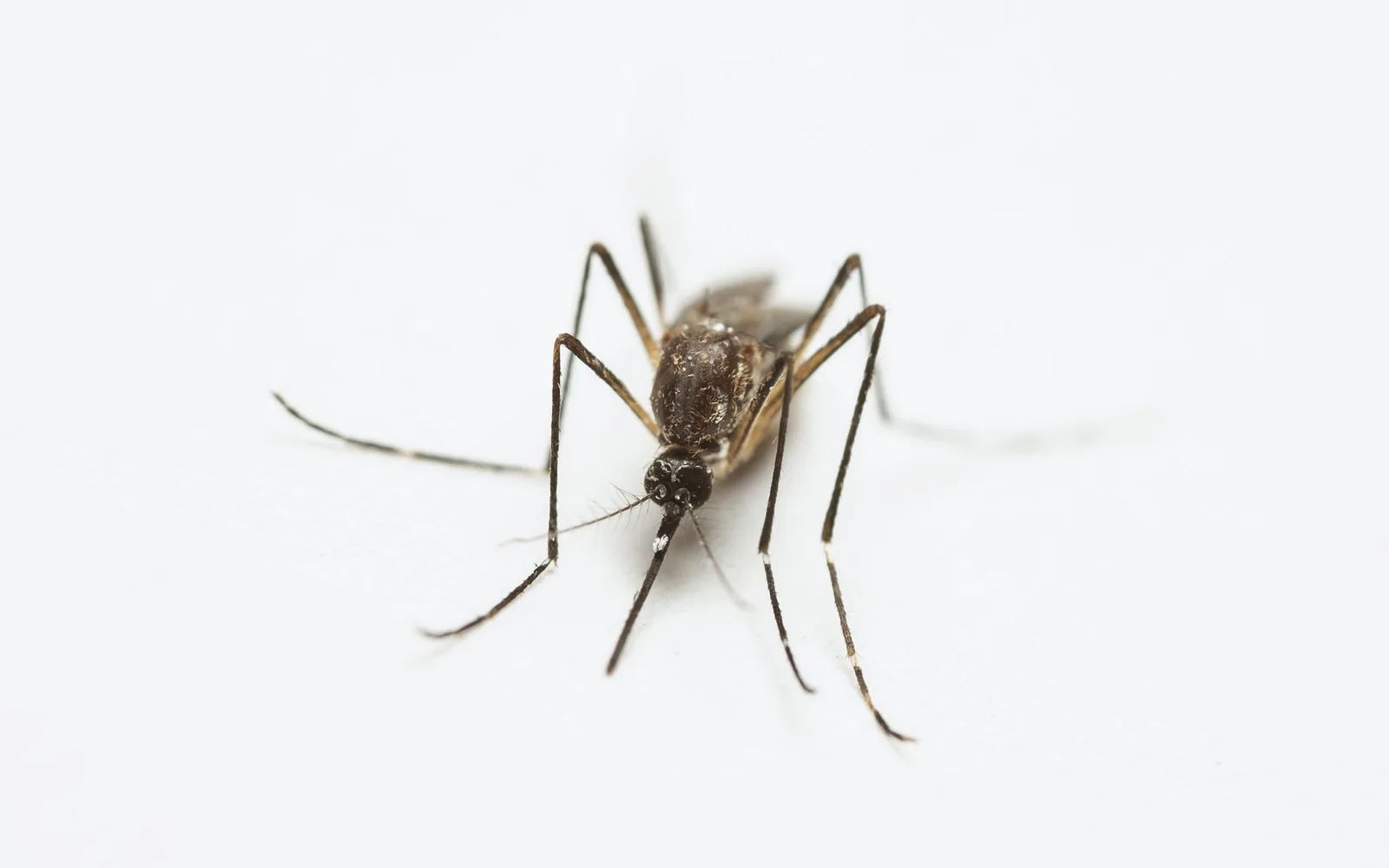
Mosquito control in Umm Hablain Jeddah
Umm Hablain sits on Jeddah's north eastern fringe, mixing new bachelor housing and warehouses with heavy lorry traffic. Elevated groundwater and incomplete drainage networks mean mosquitoes breed rapidly in the vacant plots between constructions, creating sources that shift and expand as development continues.
-
Targeted, not broadcast
Product goes into cracks and runways, never sprayed across open surfaces.
-
Told before we start
What we will use, where it goes, and what to cover or move before we arrive.
-
A follow-up visit
We return after the first treatment, because what survives it does not show on the day.
-
Homes and businesses
Apartments and villas, and kitchens and stores that need a record of each visit.
Why they keep coming back in Umm Hablain
The western half of the district holds water in vacant land longer after rain, creating seasonal mosquito sources that appear and vanish unpredictably across the undeveloped patches. The method is set out in full on how we approach Mosquito control.
High groundwater and vacant development land
Elevated groundwater means vacant plots retain standing water even without rain. These small pockets in depressions are invisible but sufficient for multiple mosquito generations before the land is developed. The high water table ensures that any surface depression stays damp, supporting breeding through the cooler months.
Incomplete drainage and ongoing construction
Active building means open excavations and unconnected pipes in parts of the district. These gaps in infrastructure act as natural water collection points, and the delay in completion extends the exposure window. Each phase of construction opens new sources and closes others, requiring adaptive treatment.
Logistics operations and open warehouse yards
Warehouses and logistics yards leave abandoned containers and old equipment exposed. Rain fills these receptacles and work patterns mean regular emptying is not routine as it would be in hotels or apartments. The scale and frequency of yard activity makes inspection and treatment logistically complex.
Umm Hablain on the map
Umm Hablain sits about 4.5 km from Al Kawthar and about 6.5 km from Al Rayyan.
Open in Google MapsStanding water and shade decide the method
Wadi Umm Hablain and its dam cut through the district, the groundwater table sits high, and drainage systems remain incomplete across parts of the subdivisions.
The daytime biter
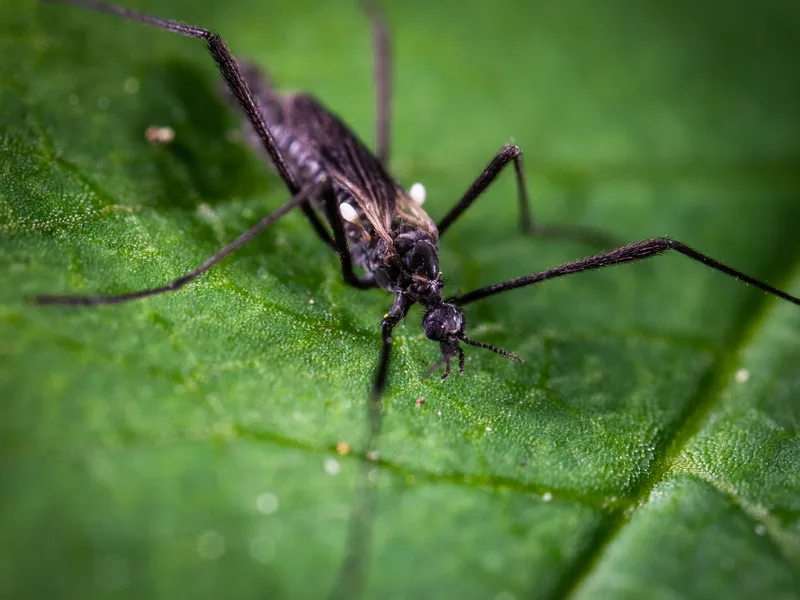
The daytime biter in Umm Hablain favours warm pockets between buildings and near the damp vacant land, sheltering during midday in the warehouses and construction site shade.
The one that comes out after sunset
The one that comes out after sunset rests in the dark recesses around warehouse yards and logistics stations after a hot working day in the open sun.
Air-conditioning condensate
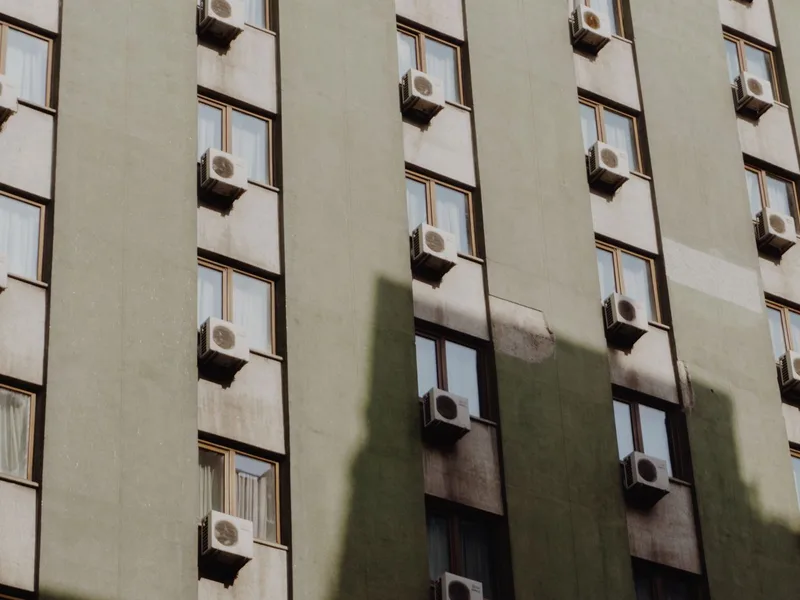
Air-conditioning condensate from new bachelor housing drains into surrounding vacant plots, creating micro-pools that support larval development during the hot months when units run continuously.
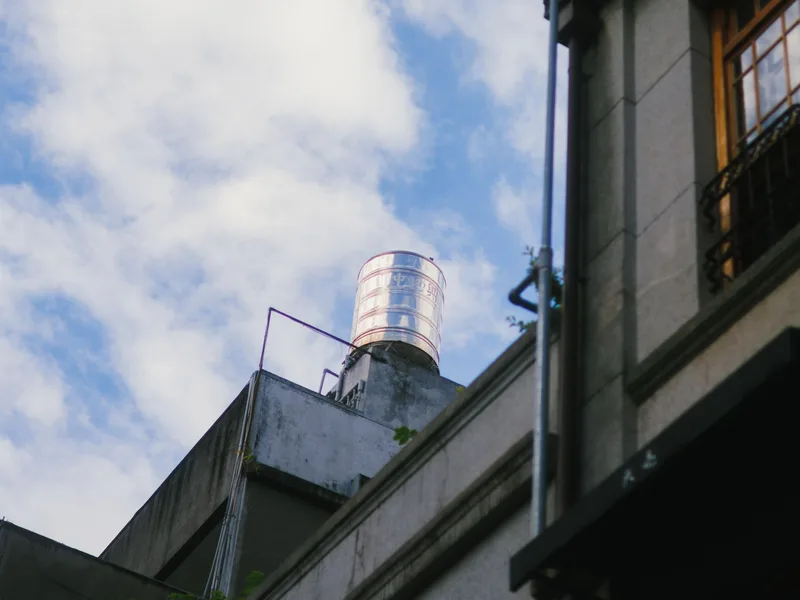
The tank and its openings
The tank and its openings at the warehouses and storage yards are often left exposed and uncleaned, unlike hotel or apartment tanks, making them persistent breeding sites.
Garden containers and irrigation
Garden containers and irrigation are sparse because the district is industrial and residential mixed-use, but new landscape watering in planned areas creates seasonal breeding pockets.
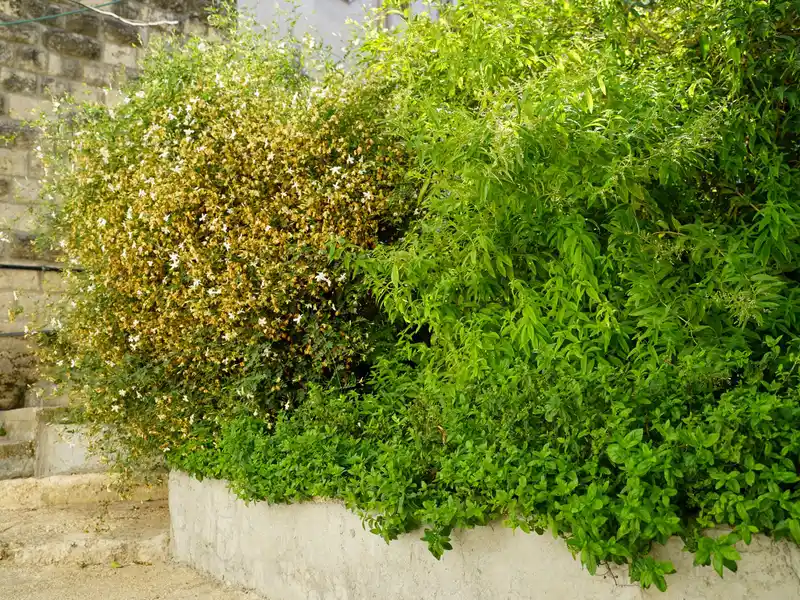
The shade it rests in
The shade it rests in is abundant around warehouses, unfinished structures and stacked containers, offering temperature-stable shelter that extends daily activity.
How we work
-
1
Inspect and map the water
We walk the perimeter, the roof, the garden, the meter chambers and the condensate runs, record everything that holds water, and read the species from the breeding site and the time of biting.
-
2
Remove the water that can go
Empty, invert, cover: saucers, containers, old tyres and roof gullies. Every point that disappears is a treatment that never needs repeating.
-
3
Larval treatment, then the resting surfaces
Water that cannot be drained is treated so the larva never completes, then a residual goes under planting, beneath outdoor furniture and along low shaded walls.
-
4
The follow-up visit
We come back once the generation that was in the water on the first visit has completed, review every point we recorded and re-treat where needed.
What mosquito control includes
-

A recorded water survey
Roof, perimeter, garden, meter chambers and condensate lines, written down before anything is applied.
-

Draining and covering the sources
Emptying what can be emptied, draining what can be drained, and covering what has to stay full.
-

Larval treatment for the water that stays
For ground tanks, inspection chambers, water features and any permanent water that has to remain.
-

A residual on the resting places
Under trees and shrubs, beneath outdoor furniture and on shaded walls, where the adult sits out the day.
-

Aftercare instructions
What stays inverted, what gets covered, which openings need mesh, and when watering goes back to normal.
-

A scheduled follow-up
A set date after the first treatment, with every recorded water point reviewed and re-treated if the water came back.
The character of Umm Hablain
New development: ongoing construction and vacant plots between the homes
Ongoing construction means mosquito sources shift with each building phase. Treatment must track this evolution and adapt continuously, targeting new sources as the site reveals them and closing sources as infrastructure completes.
Questions about this district
Does high groundwater mean mosquitoes are permanent here?
Not permanently, but any small depression in the ground holds standing water. In summer and autumn when cooling occurs, these pockets remain damp longer, extending the breeding season. Damp soil near building foundations also allows larval development in soil moisture itself.
Does ongoing construction increase or decrease the mosquito problem?
It increases it temporarily. Excavations, unconnected pipes and temporary tanks create new water sources. After construction completes and networks connect fully, the problem drops if initial sources are properly treated and maintained, but the transition period is difficult.
Is treating vacant land once enough to control mosquitoes?
No, because high groundwater means continuous accumulation in hollows and depressions. Repeated treatment during warm seasons is necessary, with emphasis on the lowest points where water collects naturally and after rain.
Can we treat warehouses safely next to new residential buildings?
Yes, but it requires coordination. Warehouses operate daily, so treatment occurs at specified times with protective measures for neighbouring new homes. The spatial separation helps, but wind direction and spray drift must be managed carefully.
Is the wadi itself the breeding source or the groundwater?
Both, but differently. The wadi carries water only after rain, intermittently. The groundwater is the persistent problem, and the wadi amplifies it during rainy seasons, creating temporary but intense breeding conditions in its lower reaches.
Does the high proportion of bachelor housing change the mosquito treatment approach?
Yes. Bachelor apartments may not receive the same maintenance attention as family housing, so roof drains, balcony overflows and building downpipes often clog or remain unchecked, creating additional breeding points that wouldn't develop in owner-occupied homes.
How much does mosquito control in Umm Hablain cost?
It is set after the inspection, because the price follows the type of infestation, the size of the space, how far it has spread and the number of visits it needs. Send a photo and a description on WhatsApp and we will give you an estimate before we reach Umm Hablain.
Nearby districts we cover
Other services in Umm Hablain
Other services we provide to residents of Umm Hablain.
-
 Residential
Cockroach control
Residential
Cockroach control
-
 Residential
Bed bug control
Residential
Bed bug control
-
 Residential
Termite control
Residential
Termite control
-
 Residential
Rodents and mice
Residential
Rodents and mice
-
 Residential
Fly control
Residential
Fly control
-
 Residential
Ant control
Residential
Ant control
-
 Residential
Gecko control
Residential
Gecko control
-
 Residential
Scorpion control
Residential
Scorpion control
-
 Residential
Snake control
Residential
Snake control
-
 Residential
Flea control
Residential
Flea control
-
 Residential
Bird and pigeon control
Residential
Bird and pigeon control
-
 Residential
Preventive treatment
Residential
Preventive treatment
-
 Residential
Disinfection
Residential
Disinfection
-
 Commercial
Annual contracts
Commercial
Annual contracts
-
 Commercial
Restaurants and cafes
Commercial
Restaurants and cafes
-
 Commercial
Hotels and apartments
Commercial
Hotels and apartments
-
 Commercial
Warehouses and factories
Commercial
Warehouses and factories
-
 Commercial
Schools and nurseries
Commercial
Schools and nurseries
-
 Commercial
Retail and malls
Commercial
Retail and malls
-
 Commercial
Rest houses and farms
Commercial
Rest houses and farms
-
 Commercial
Fumigation
Commercial
Fumigation
-
 Water tanks
Water tank cleaning
Water tanks
Water tank cleaning
-
 Water tanks
Water tank sterilization
Water tanks
Water tank sterilization
-
 Water tanks
Water tank sealing
Water tanks
Water tank sealing
-
 Water tanks
Tank leak repair
Water tanks
Tank leak repair
Need mosquito control in Umm Hablain? Tell us what you saw and we will tell you what it needs
We reach Umm Hablain at a time we agree, and you get the full cost before we start.