
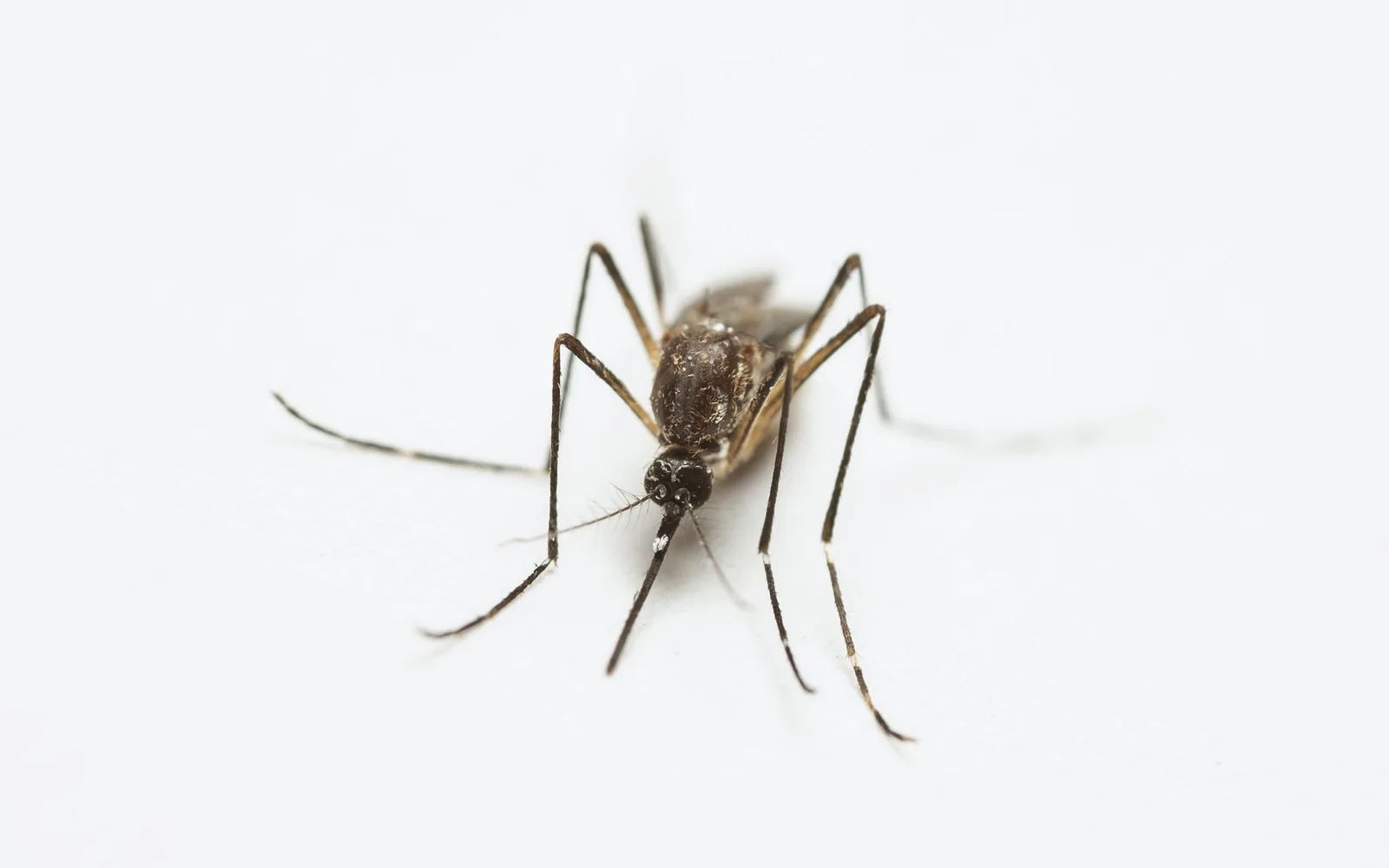
Mosquito control in Al Rayyan Jeddah
Al Rayyan is a new apartment district east of the Haramain expressway between the air base bridge and Al Kawthar, built mostly on the Al Thuraya and Al Sultan schemes. Umm Hablain lies to the east and Briman to the south, and the internal streets are wide but excavations and sewerage work are not yet finished. Seasonal wadis Wadi Umm Hablain and Wadi Al Asla cut through it, the water table runs high in places, and standing water and dampness round incomplete foundations create ideal mosquito breeding conditions.
-
Targeted, not broadcast
Product goes into cracks and runways, never sprayed across open surfaces.
-
Told before we start
What we will use, where it goes, and what to cover or move before we arrive.
-
A follow-up visit
We return after the first treatment, because what survives it does not show on the day.
-
Homes and businesses
Apartments and villas, and kitchens and stores that need a record of each visit.
Why they keep coming back in Al Rayyan
In newly built districts with incomplete drainage networks and elevated water tables, mosquitoes breed fast in every pocket of standing water. The method is set out in full on Mosquito control in detail.
Incomplete drainage networks
Drainage and paving are not yet finished in many places, so rain water and sewage pool in the streets and gaps. Every open excavation site is a new standing water source.
Seasonal wadis and flooding
Wadi Umm Hablain and Wadi Al Asla cut through the district, and water after rain floods the low areas. Even after the main flow stops, water stays in excavations and gaps.
High water table
Groundwater runs high in parts of Al Rayyan, so the soil round foundations stays damp year round. This constant moisture offers ideal mosquito breeding conditions.
Landmarks of Al Rayyan
Al Rayyan lies east of the Haramain expressway between the air base bridge and the Al Thuraya scheme, stretching between Al Sultan scheme to the west and Al Kawthar to the south. Access reaches it via the main Al Thuraya entrance and the wide street grid.
- Air Base Bridge
- Al Thuraya Scheme
- Al Sultan Scheme
- Al Rayyan Health Centre
- Uqbah ibn Nafi Mosque
Standing water and shade decide the method
A new apartment district between two large schemes, wide streets but basic services still incomplete, seasonal wadis crossing through.
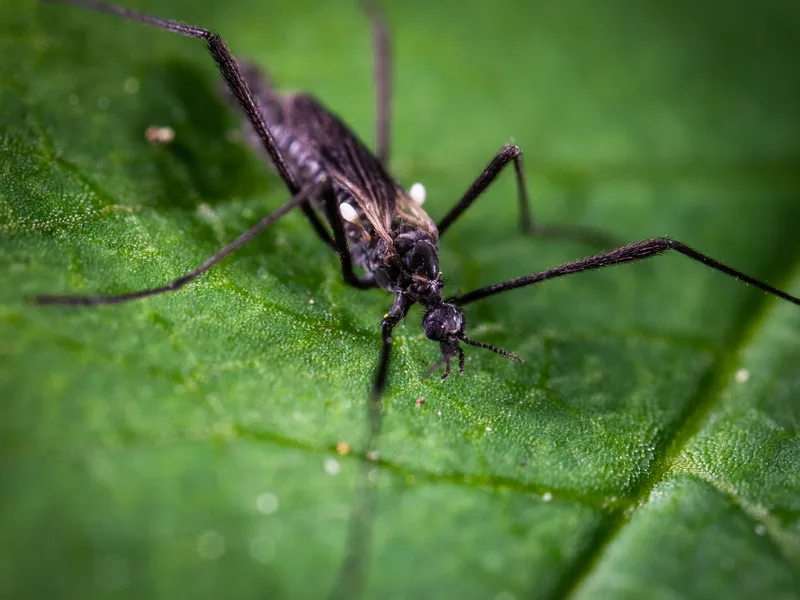
The daytime biter
The daytime mosquito shelters in open excavations, shaded gaps and round damp foundations.
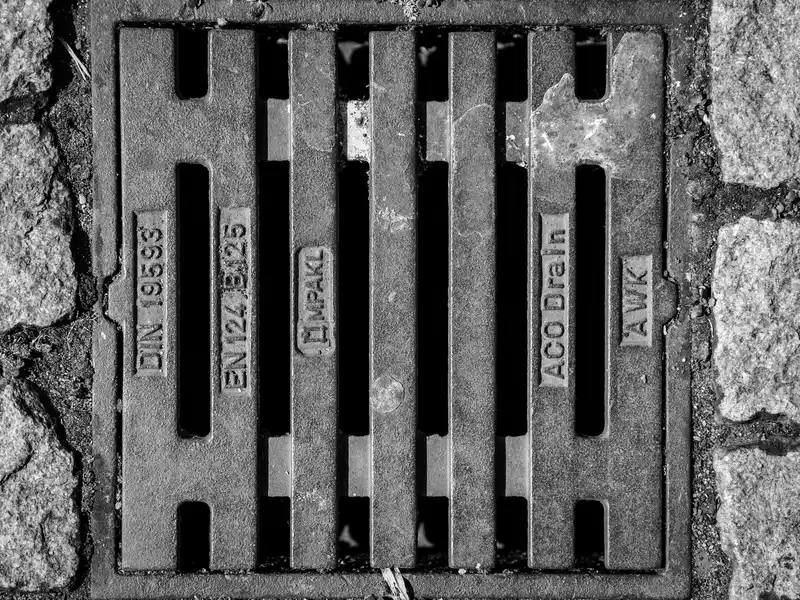
The one that comes out after sunset
After sunset it flies from the excavations and gaps to find a host in occupied flats.
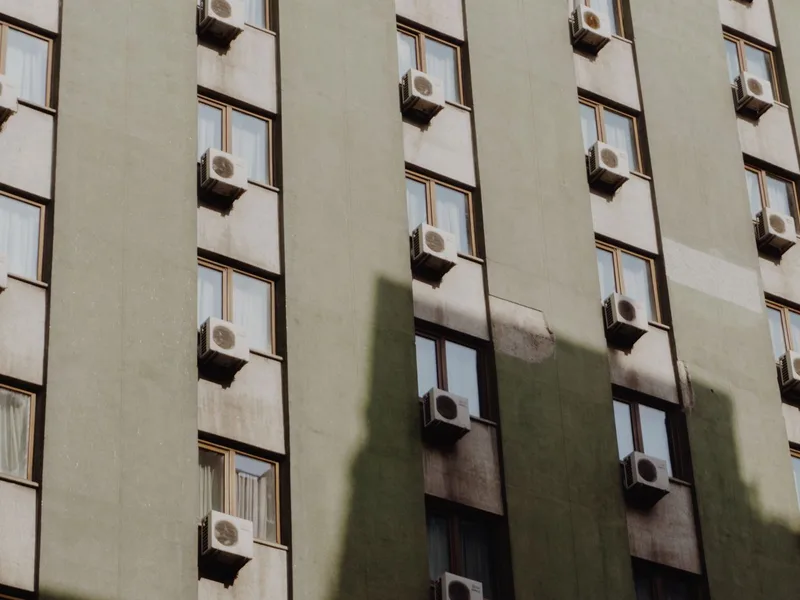
Air-conditioning condensate
Water from floods and rain fills excavations, ditches and gaps in the streets and low ground.
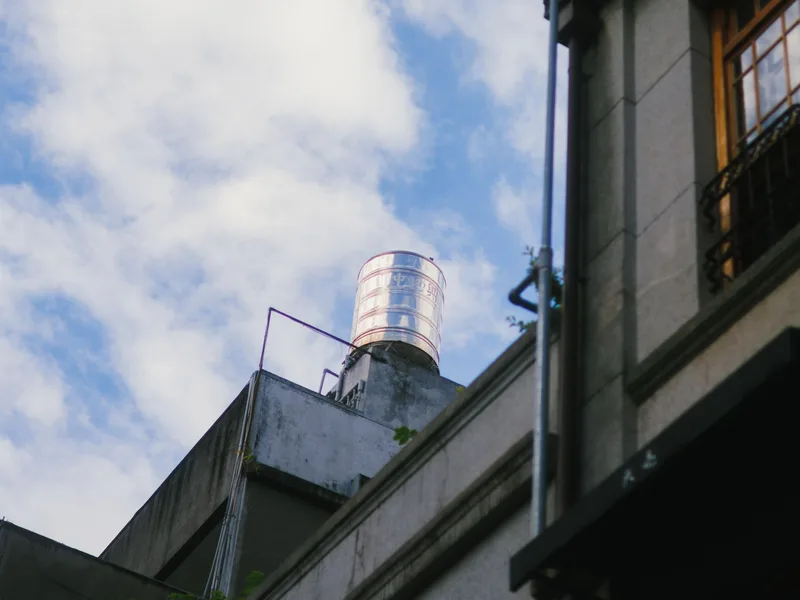
The tank and its openings
Water tanks in buildings may be present but the real issue is standing water round foundations and in the streets.

Garden containers and irrigation
Garden containers and irrigation may exist round some flats, but street and excavation standing water is the main problem.
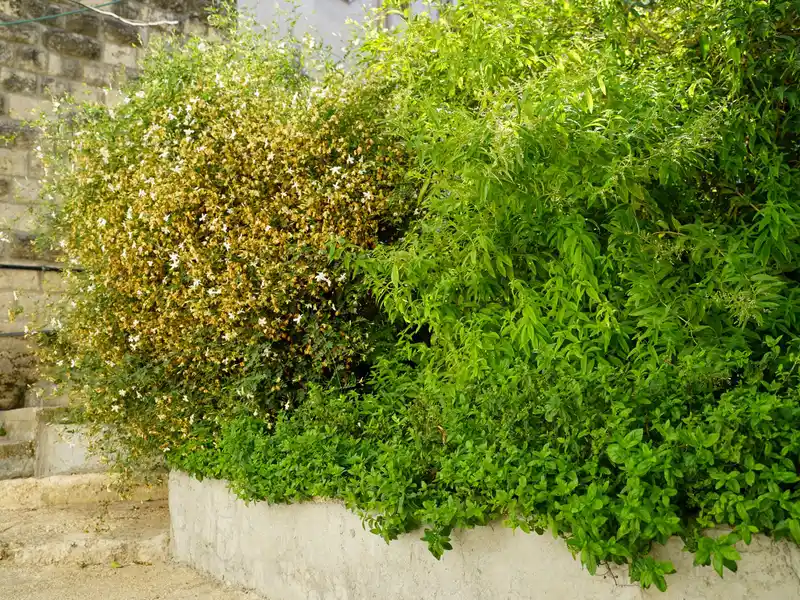
The shade it rests in
Shade under buildings, gaps in foundations and open excavations offer complete mosquito shelter.
How we work
-
1
Inspect and map the water
We walk the perimeter, the roof, the garden, the meter chambers and the condensate runs, record everything that holds water, and read the species from the breeding site and the time of biting.
-
2
Remove the water that can go
Empty, invert, cover: saucers, containers, old tyres and roof gullies. Every point that disappears is a treatment that never needs repeating.
-
3
Larval treatment, then the resting surfaces
Water that cannot be drained is treated so the larva never completes, then a residual goes under planting, beneath outdoor furniture and along low shaded walls.
-
4
The follow-up visit
We come back once the generation that was in the water on the first visit has completed, review every point we recorded and re-treat where needed.
What mosquito control includes
-

A recorded water survey
Roof, perimeter, garden, meter chambers and condensate lines, written down before anything is applied.
-

Draining and covering the sources
Emptying what can be emptied, draining what can be drained, and covering what has to stay full.
-

Larval treatment for the water that stays
For ground tanks, inspection chambers, water features and any permanent water that has to remain.
-

A residual on the resting places
Under trees and shrubs, beneath outdoor furniture and on shaded walls, where the adult sits out the day.
-

Aftercare instructions
What stays inverted, what gets covered, which openings need mesh, and when watering goes back to normal.
-

A scheduled follow-up
A set date after the first treatment, with every recorded water point reviewed and re-treated if the water came back.
What is different about Briman Sub-Municipality
Briman sub-municipality sits east of the Haramain expressway on Jeddah's north eastern edge. Its older quarters are planned grids of villas and walk-up flats, while the outer districts are new subdivisions still being built out. Seasonal wadis such as Wadi Umm Hablain and Wadi Al Asla cross the area, groundwater runs high in places, and drainage networks in the newer districts are incomplete, so soil around foundations stays damp. Vacant plots, live building sites and constant dust give crawling insects and rodents easy routes into homes, and the food outlets along the main arteries keep them supplied.
Questions about this district
Why are mosquitoes heavy in Al Rayyan despite it being new?
Drainage networks are unfinished, wadis carry water, and the groundwater table is high. All three together create constant standing water.
Are open excavations and ongoing work the main mosquito source?
Exactly. Contractors leave excavations open for weeks on end, and water collects in them very easily.
Will finishing the drainage system solve the mosquito problem?
It will help, but mosquitoes exist right now. Treating the current standing water is essential whilst the infrastructure is being completed.
Are the seasonal wadis the main mosquito driver?
Wadis bring big seasonal water flows, but even without them, unfinished drainage and groundwater create standing pools.
Is treating one flat enough?
One flat will not fix it because sources exist across the district. The street and surrounding gaps need treatment too.
When are mosquitoes worst in Al Rayyan?
Right after rain when floods fill excavations and gaps, and through spring and summer when moisture and heat increase.
How much does mosquito control in Al Rayyan cost?
It is set after the inspection, because the price follows the type of infestation, the size of the space, how far it has spread and the number of visits it needs. Send a photo and a description on WhatsApp and we will give you an estimate before we reach Al Rayyan.
Nearby districts we cover
Other services in Al Rayyan
Other services we provide to residents of Al Rayyan.
-
 Residential
Cockroach control
Residential
Cockroach control
-
 Residential
Bed bug control
Residential
Bed bug control
-
 Residential
Termite control
Residential
Termite control
-
 Residential
Rodents and mice
Residential
Rodents and mice
-
 Residential
Fly control
Residential
Fly control
-
 Residential
Ant control
Residential
Ant control
-
 Residential
Gecko control
Residential
Gecko control
-
 Residential
Scorpion control
Residential
Scorpion control
-
 Residential
Snake control
Residential
Snake control
-
 Residential
Flea control
Residential
Flea control
-
 Residential
Bird and pigeon control
Residential
Bird and pigeon control
-
 Residential
Preventive treatment
Residential
Preventive treatment
-
 Residential
Disinfection
Residential
Disinfection
-
 Commercial
Annual contracts
Commercial
Annual contracts
-
 Commercial
Restaurants and cafes
Commercial
Restaurants and cafes
-
 Commercial
Hotels and apartments
Commercial
Hotels and apartments
-
 Commercial
Warehouses and factories
Commercial
Warehouses and factories
-
 Commercial
Schools and nurseries
Commercial
Schools and nurseries
-
 Commercial
Retail and malls
Commercial
Retail and malls
-
 Commercial
Rest houses and farms
Commercial
Rest houses and farms
-
 Commercial
Fumigation
Commercial
Fumigation
-
 Water tanks
Water tank cleaning
Water tanks
Water tank cleaning
-
 Water tanks
Water tank sterilization
Water tanks
Water tank sterilization
-
 Water tanks
Water tank sealing
Water tanks
Water tank sealing
-
 Water tanks
Tank leak repair
Water tanks
Tank leak repair
Need mosquito control in Al Rayyan? Tell us what you saw and we will tell you what it needs
We reach Al Rayyan at a time we agree, and you get the full cost before we start.