
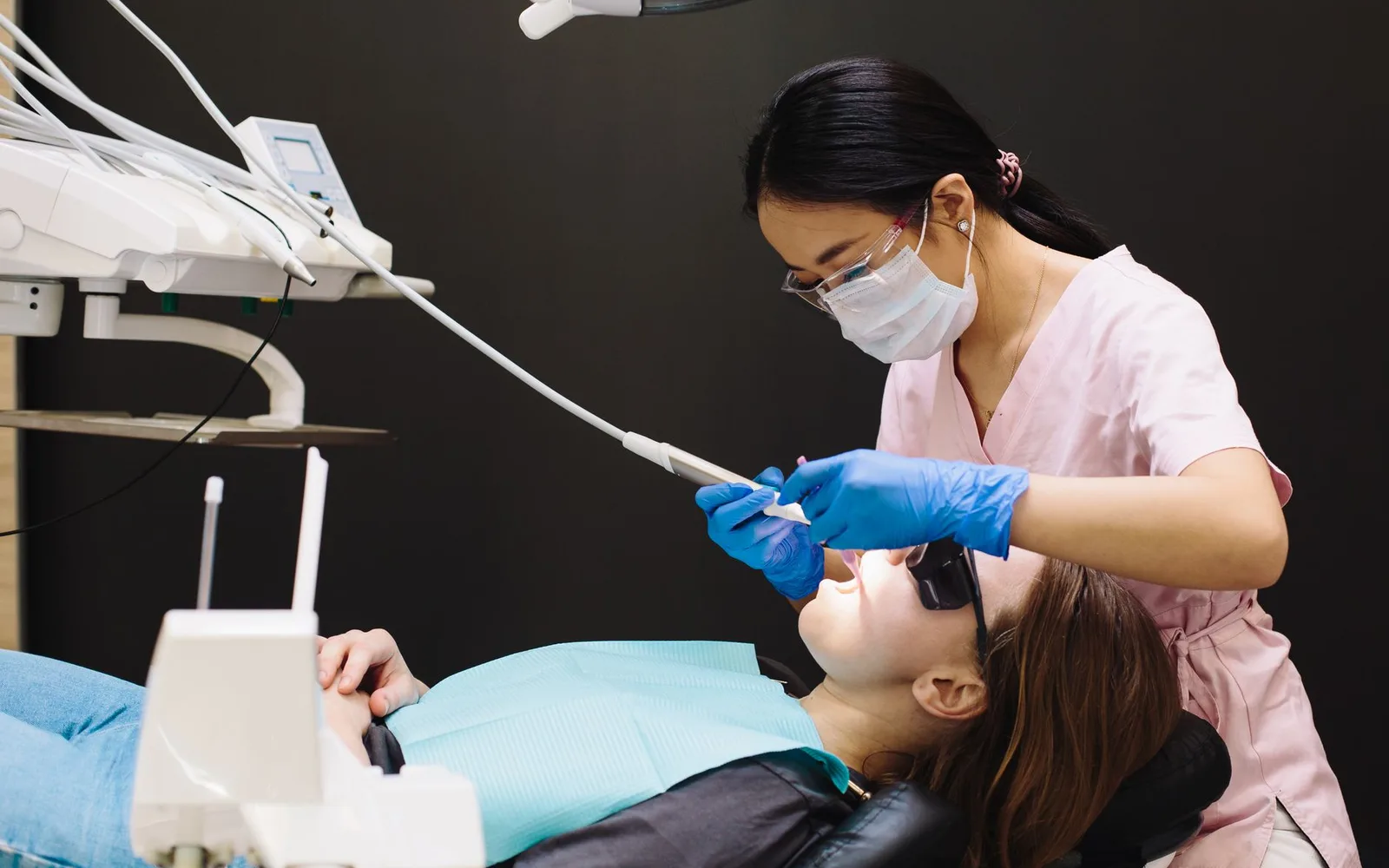
Preventive treatment in Al Balad Jeddah
Al Balad is the historic commercial heart of Jeddah, listed by UNESCO as a World Heritage site. Coral limestone tower houses with delicate wooden rawashin latticework line lanes so narrow that shadows persist all day. The Alawi and Bedouin souqs trade around Bab Makkah and Bab Sharif, and Nassif House and Al Shafi'i Mosque are its iconic landmarks. Very narrow streets, close-set ancient buildings and constant commercial activity create intricate conditions.
-
Targeted, not broadcast
Product goes into cracks and runways, never sprayed across open surfaces.
-
Told before we start
What we will use, where it goes, and what to cover or move before we arrive.
-
A follow-up visit
We return after the first treatment, because what survives it does not show on the day.
-
Homes and businesses
Apartments and villas, and kitchens and stores that need a record of each visit.
Why they keep coming back in Al Balad
The lanes are so narrow and shadowed that moisture and dew persist all day and for days after rain. Ancient stone buildings contain countless cracks and gaps in old coral and mortar. The souqs generate vast quantities of food waste that concentrate insects and rodents. The method is set out in full on what Preventive treatment involves.
Historic coral stone buildings have countless ancient cracks providing unlimited shelter
Ancient houses built from coral limestone have extensive cracks, crevices and gaps in stone and mortar. Cracks provide safe, ideal shelter for insects and rodents. Cracks also allow moisture to seep from ancient crumbling foundations into the walls. The programme focuses first on treating the largest visible cracks, then implements careful systematic monitoring as structures continue to deteriorate.
The popular souqs generate endless commercial food waste that attracts massive insect populations
The Alawi and Bedouin souqs around Bab Makkah and Bab Sharif conduct daily trade in packed goods and food. Food waste and dropped debris accumulate heavily. This constant stream of food waste attracts insects and rodents with extraordinary force, and merchandise and foot traffic provide entry opportunities into residential units above the shops.
Very narrow lanes retain perpetual shadow and high humidity supporting insect activity
Lanes so narrow that sunlight barely reaches ground level create perpetual shade and trapped moisture. Dew and dampness persist on stone walls for days even after dry periods. Moisture and shadow create ideal conditions for moisture-loving insects, rodents and mould growth.
Al Balad on the map
Al Balad sits about 1 km from Al Sahifah and about 1 km from Al Ammariyah.
Open in Google MapsWhat a preventive visit reads
Very ancient building fabric of coral limestone and wooden latticework in extraordinarily narrow lanes. Many popular souqs and trading areas with packed goods and food stalls. High humidity from narrow shaded streets and perpetual shadow, and dense commercial foot traffic.
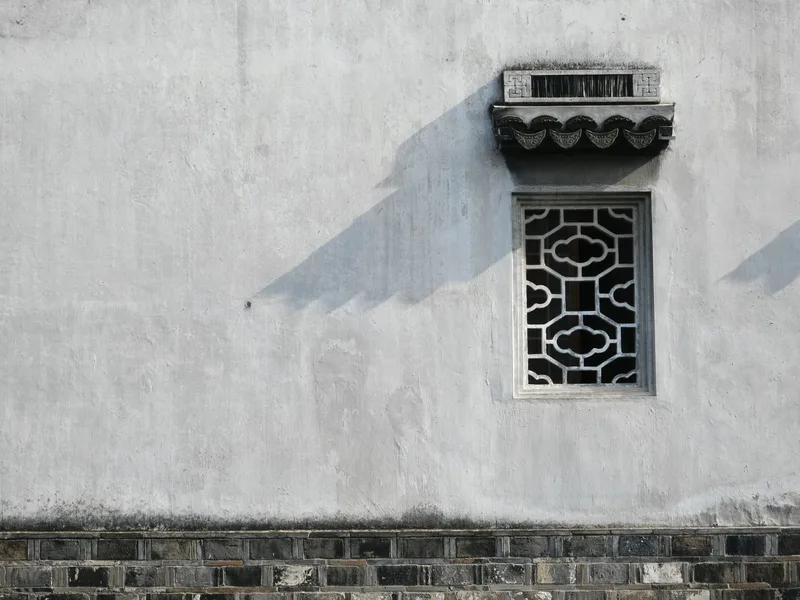
The base of the outside wall
The external wall base of every historic building receives preventive treatment applied with extreme care to avoid any damage to ancient coral stone, historic mortar or documented heritage elements. The residual barrier is carefully positioned.
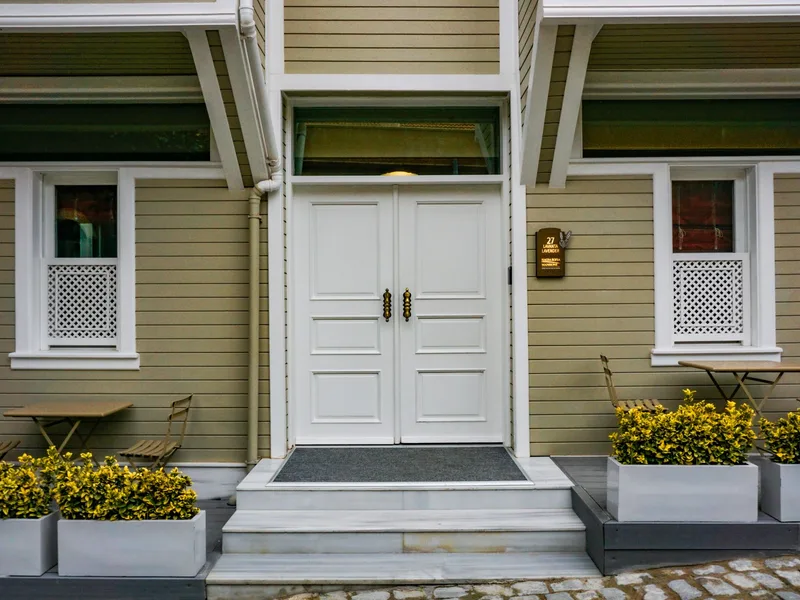
Gaps and openings
Ancient cracks both large and small throughout the stone have monitoring points at close intervals. New widening cracks and fresh fissures are detected at every visit as centuries-old structures continue to deteriorate.
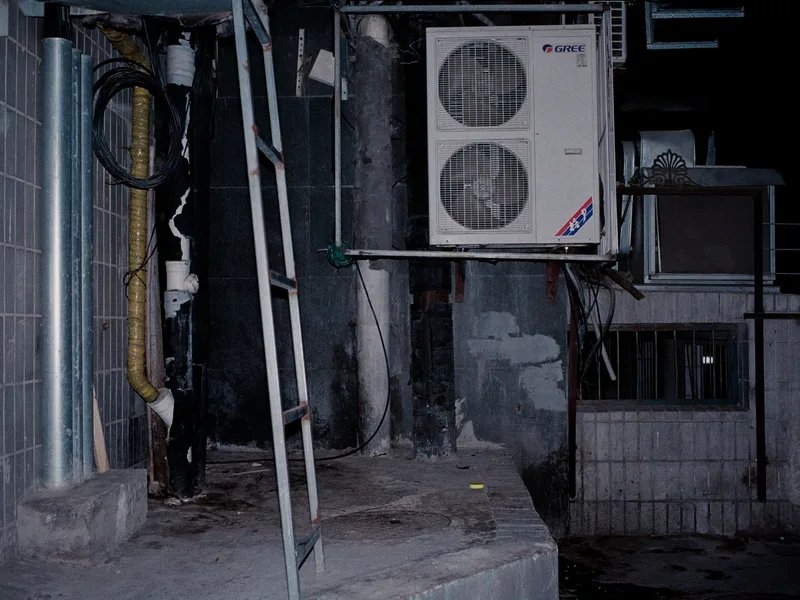
Air conditioning condensate
Modern air conditioning and plumbing piped into ancient buildings requires intensive monitoring. Condensate and water leaks around new pipes in crumbling old stone attract insects forcefully.
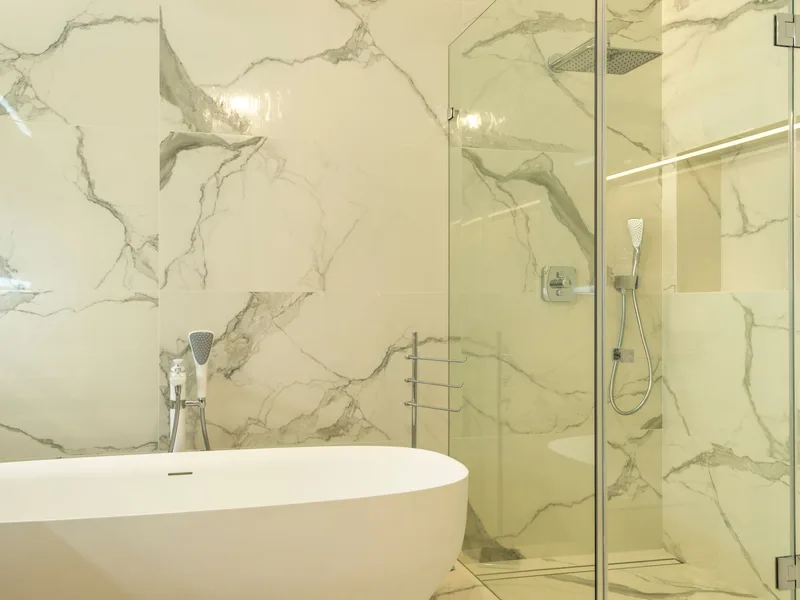
Floor drains
Gaps and openings around ancient foundations and old floor levels have monitoring points. Trapped water and moisture from narrow damp lanes create perfect conditions for insects.
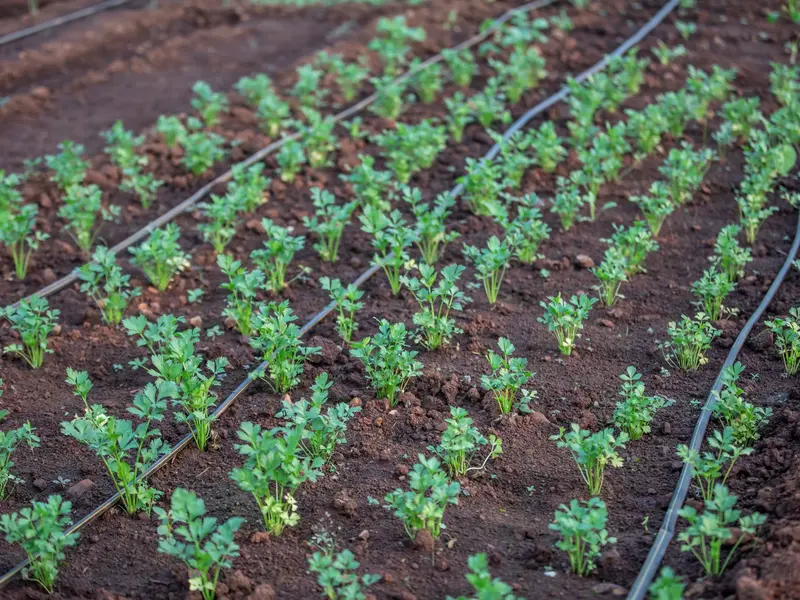
Irrigation against the wall
Street cleaning or minor irrigation adds temporary moisture to bases already perpetually damp from shadow and narrow lane microclimate. Monitoring tracks combined effect of temporary water plus persistent dampness.
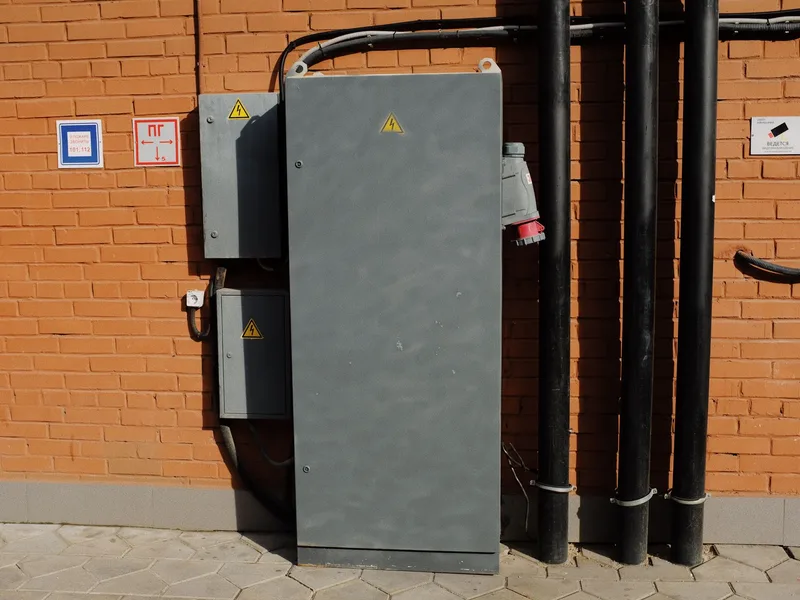
The monitoring points
Monitoring points are positioned at very high density throughout the network of cracks, gaps, ancient entry points and external bases. All are read at every visit to track pressure from the souqs, the dense foot traffic, and the perpetual damp environment of the heritage lanes.
How we work
-
1
The baseline survey
We walk the outside boundary and then the inside: gaps under doors, pipe runs, vents, condensate lines, drains, the bin area and the store, and we fix the monitoring points before anything is applied.
-
2
Close the routes
Mesh on the vents, the gap under the door dealt with, the sleeve around a pipe run closed, and water put back into the drain nobody uses. Exclusion saves a spray that would otherwise repeat forever.
-
3
The band and the placed product
A residual band at the base of the wall outside and around door and window openings, with placed product inside joints and closed voids where it is warranted, and no open spray across living surfaces.
-
4
The scheduled visit: read, renew, record
We read the points to see which side is under pressure, renew the band where sun or irrigation has taken it, aim the visit at what the coming season opens up, and write down what was found and what was used.
What the preventive programme includes
-

A survey, then a check every visit
Entry points, moisture sources and storage, recorded before anything is applied and revisited each time.
-

Monitoring points that get read
At the wall and floor junction, under sinks and in the store, checked on every visit rather than only the last one.
-

A renewed exterior band
At the wall base and around the openings, put back wherever sun or irrigation took it between visits.
-

Drains, water lines and waste
The water seal in the drains, the condensate line and the ground around the bins, which are the standing water and food sources.
-

Between the visits
What to keep dry, what to keep closed, and what is worth a call before the next date. Ventilation we tell you before the visit.
-

A scheduled visit and a record of each
An agreed date, what the points held, what was treated, and what changed since last time.
Landmarks of Al Balad
Work in Al Balad is organised by reference to the unique heritage setting between Nassif House and Al Shafi'i Mosque and around the busy souqs. The Alawi souq, Bedouin souq, Bab Makkah and Bab Sharif identify the main pressure zones where commercial activity and food waste concentrate insects.
- Nassif House
- Al Shafi'i Mosque
- Souq Al Alawi
- Souq Al Badu
- Bab Makkah
- Bab Sharif
Questions about this district
Do the ancient cracks in coral stone really shelter insects and rodents?
Yes extensively. Ancient coral buildings contain countless cracks, crevices and gaps in the stone and mortar. Every building, every wall, every lane has extensive fracturing providing safe shelter. The programme focuses on treating the largest and most accessible cracks first.
Do the busy popular souqs really generate that much food waste?
Yes dramatically. The Alawi and Bedouin souqs conduct intense daily commerce in food and packed goods. Food waste and debris accumulate in exceptional volumes daily. This attracts insects and rodents with extraordinary force, and the commercial activity provides constant entry opportunities.
Are the very narrow lanes really this damp all the time?
Yes constantly. Lanes so narrow that shadows persist all day trap moisture and dew. Dampness on stone walls persists for days even after dry weather. The combination of shadow and moisture creates ideal breeding conditions.
Do historic buildings need completely different treatment from modern structures?
Yes fundamentally different. Ancient coral buildings are fragile and crumbling. Treatment must be extremely careful to avoid damaging the structure, the mortar or the historic fabric. Preventive approach prioritises entry point barriers over deep structural treatment.
Nassif House and Al Shafi'i Mosque are UNESCO heritage sites. How are they protected?
UNESCO-listed buildings require extremely careful approach. The preventive programme focuses on external entry barriers and monitoring points while avoiding any treatment that might damage the historic structure, materials or documented heritage.
Visitors and tourists are constantly moving through. Do they carry insects?
Yes. High foot traffic from visitors and tourists provides constant opportunities for insects to enter through doors and openings. Goods and merchandise being moved may carry insects. Entry points receive close monitoring.
How much does preventive treatment in Al Balad cost?
It is set after the inspection, because the price follows the type of infestation, the size of the space, how far it has spread and the number of visits it needs. Send a photo and a description on WhatsApp and we will give you an estimate before we reach Al Balad.
Nearby districts we cover
Other services in Al Balad
Other services we provide to residents of Al Balad.
-
 Residential
Cockroach control
Residential
Cockroach control
-
 Residential
Bed bug control
Residential
Bed bug control
-
 Residential
Termite control
Residential
Termite control
-
 Residential
Rodents and mice
Residential
Rodents and mice
-
 Residential
Mosquito control
Residential
Mosquito control
-
 Residential
Fly control
Residential
Fly control
-
 Residential
Ant control
Residential
Ant control
-
 Residential
Gecko control
Residential
Gecko control
-
 Residential
Scorpion control
Residential
Scorpion control
-
 Residential
Snake control
Residential
Snake control
-
 Residential
Flea control
Residential
Flea control
-
 Residential
Bird and pigeon control
Residential
Bird and pigeon control
-
 Residential
Disinfection
Residential
Disinfection
-
 Commercial
Annual contracts
Commercial
Annual contracts
-
 Commercial
Restaurants and cafes
Commercial
Restaurants and cafes
-
 Commercial
Hotels and apartments
Commercial
Hotels and apartments
-
 Commercial
Warehouses and factories
Commercial
Warehouses and factories
-
 Commercial
Schools and nurseries
Commercial
Schools and nurseries
-
 Commercial
Retail and malls
Commercial
Retail and malls
-
 Commercial
Rest houses and farms
Commercial
Rest houses and farms
-
 Commercial
Fumigation
Commercial
Fumigation
-
 Water tanks
Water tank cleaning
Water tanks
Water tank cleaning
-
 Water tanks
Water tank sterilization
Water tanks
Water tank sterilization
-
 Water tanks
Water tank sealing
Water tanks
Water tank sealing
-
 Water tanks
Tank leak repair
Water tanks
Tank leak repair
Need preventive treatment in Al Balad? Tell us what you saw and we will tell you what it needs
We reach Al Balad at a time we agree, and you get the full cost before we start.