
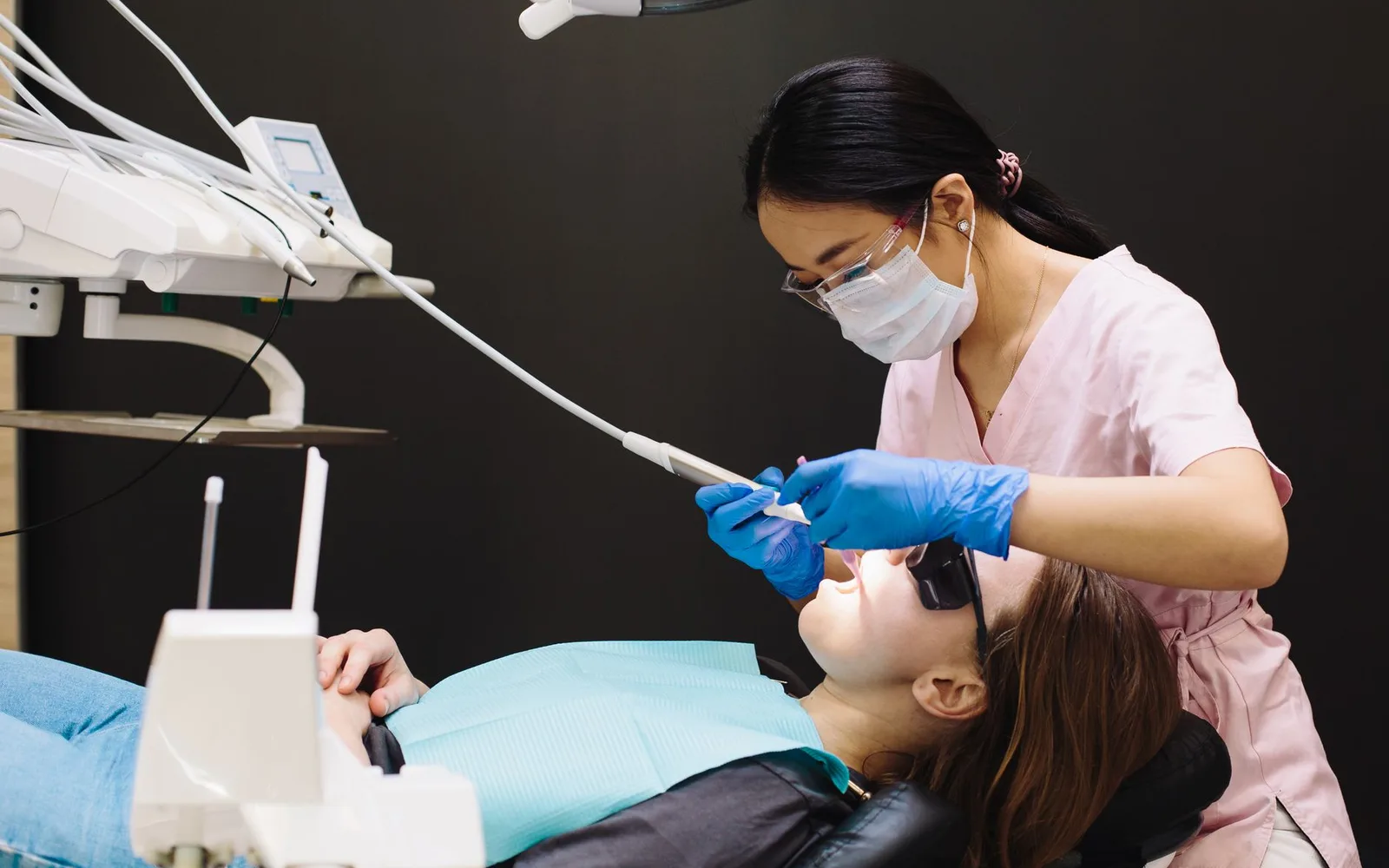
Preventive treatment in Al Hajun Makkah
Al Hajun is an old quarter north west of the Grand Mosque on the slopes of Jabal Al Hajun around the Al Mualla cemetery. Buildings stand tightly packed on narrow lanes, water and sewage pipes are decades old, and moisture from ageing building fabric and countless cracks offers insects multiple routes in from outside. Preventive treatment must address the interconnected nature of the old stock, not just the street facing wall.
-
Targeted, not broadcast
Product goes into cracks and runways, never sprayed across open surfaces.
-
Told before we start
What we will use, where it goes, and what to cover or move before we arrive.
-
A follow-up visit
We return after the first treatment, because what survives it does not show on the day.
-
Homes and businesses
Apartments and villas, and kitchens and stores that need a record of each visit.
Why they keep coming back in Al Hajun
Cracks in foundations and walls widen with building age, and insects use these natural openings as established highways for entering and leaving, passing readily between adjoining homes. The method is set out in full on our Preventive treatment service.
Tightly packed homes with widening cracks
Buildings press against each other, and the shared walls between them are damp and cracked wide. Insects do not need to enter from the street, they migrate home to home through the shared cracks. Preventive treatment must focus on sealing these connecting openings rather than just the street wall.
Aged water and waste pipes
Copper and cement pipes from decades ago are split, dripping water constantly onto foundations and corners. This constant moisture feeds insects and mosquitoes, and the residual band protects outside, but monitoring must watch kitchen drains, condensate outlets and refrigerator lines carefully at every call.
Narrow lanes and permanent shade
Lane width creates permanent shadow and seasonal flooding. Cockroaches seek damp and darkness, and mosquitoes breed in every standing pool. Preventive treatment needs monitoring points set deep in dark corners and around drains, not just along the building face.
Al Hajun on the map
Al Hajun sits about 0.5 km from Al Bayban and about 1.5 km from Al Diyafah.
Open in Google MapsWhat a preventive visit reads
The district climbs rocky slopes where drainage is poor and water seeps into foundations. Building blocks press against each other with no ventilation gaps between them, so drying out the fabric is nearly impossible without active intervention.
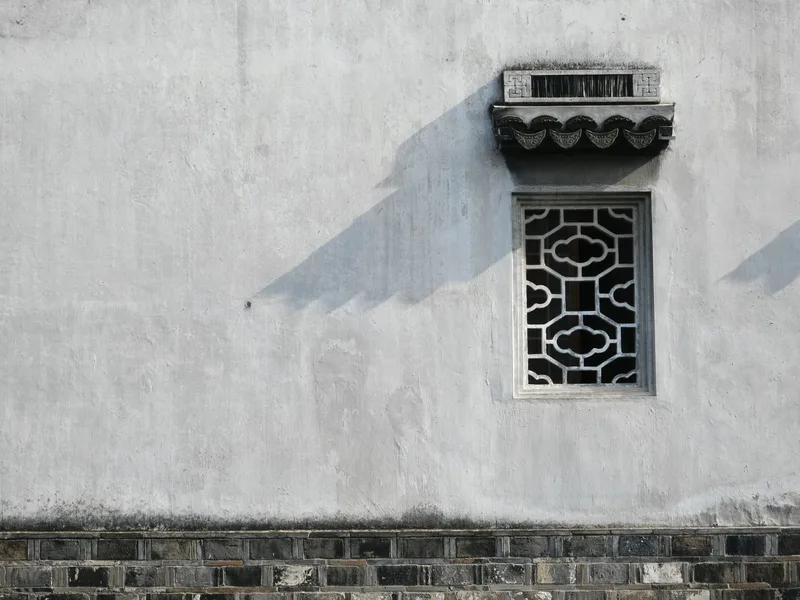
The base of the outside wall
The base of the outside wall in Al Hajun, where old damp walls meet the ground, must carry thicker residual and run higher because rising damp from the ancient soil and hillside help insects climb.
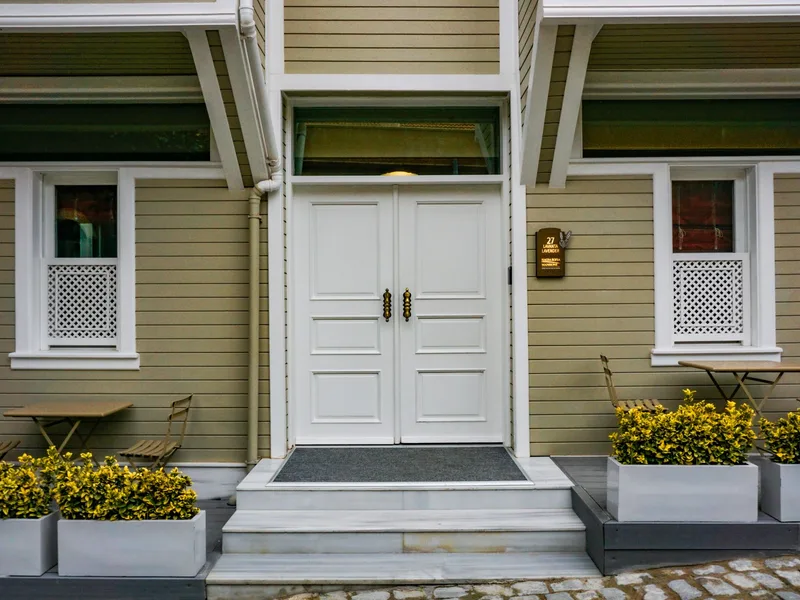
Gaps and openings
Gaps and cracks in old shared walls are numerous and wide; insects use them as direct routes between homes without needing the street at all.
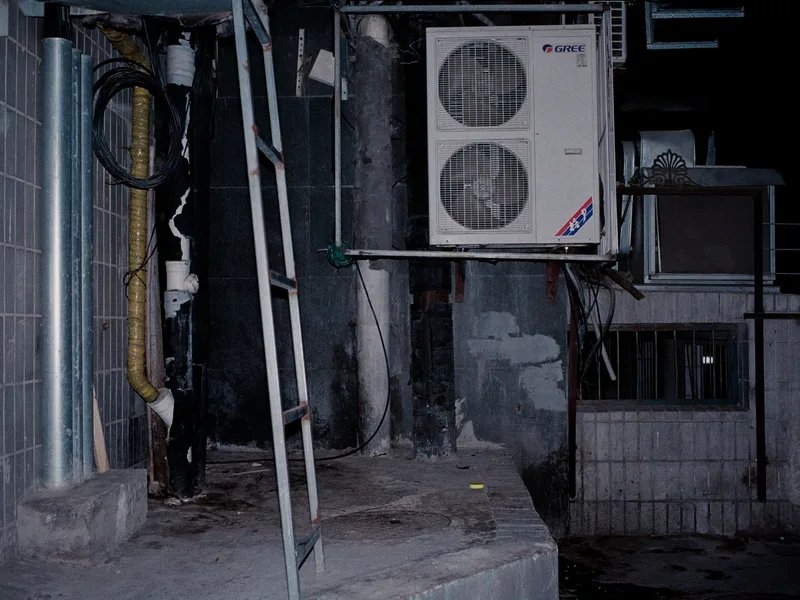
Air conditioning condensate
Air conditioning and refrigerator drains run onto an old damp foundation all year round, water seeps into the base, and every visit must monitor these spots for pooling and insect activity.
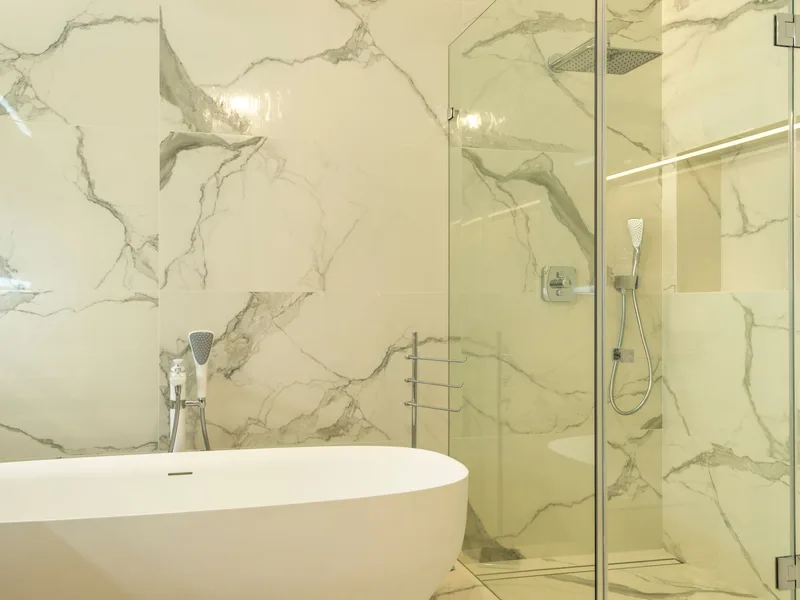
Floor drains
Floor drains in an old quarter like Al Hajun are poorly sealed or broken, and insects and mosquitoes enter through these drains if the pipes are cracked.
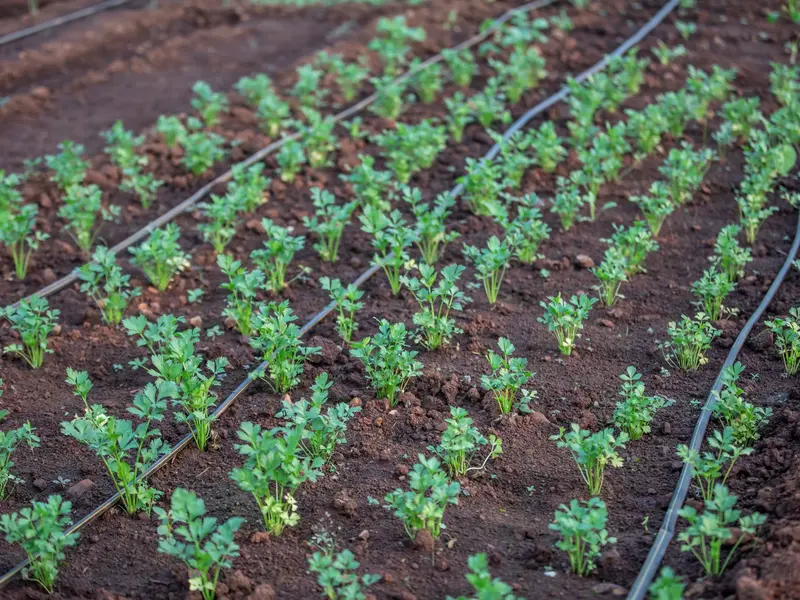
Irrigation against the wall
Irrigation and watering on old balconies and roofs supplies standing water for mosquito breeding, and damp roofs provide year round shelter for insects to rest.
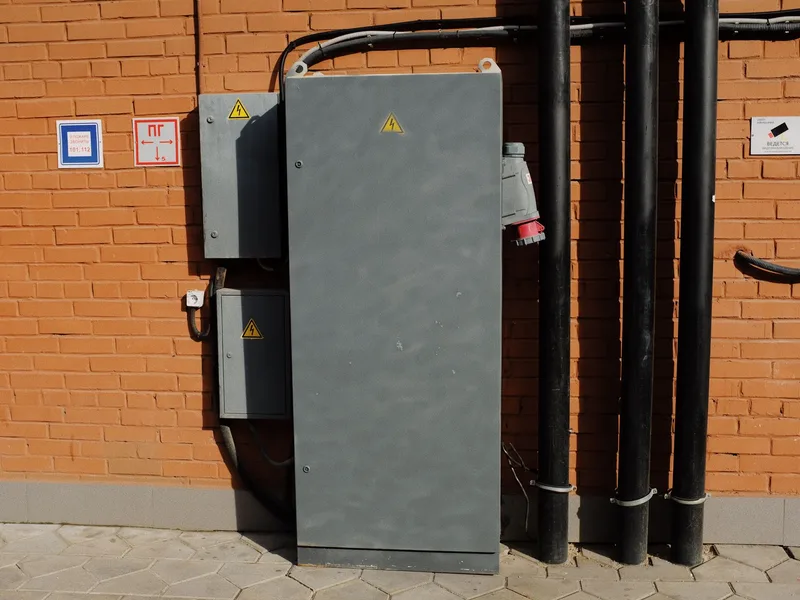
The monitoring points
Monitoring points in old quarters are set in every crack, damp corner and old opening because the entire quarter offers shelter and multiple highways for pests to travel.
How we work
-
1
The baseline survey
We walk the outside boundary and then the inside: gaps under doors, pipe runs, vents, condensate lines, drains, the bin area and the store, and we fix the monitoring points before anything is applied.
-
2
Close the routes
Mesh on the vents, the gap under the door dealt with, the sleeve around a pipe run closed, and water put back into the drain nobody uses. Exclusion saves a spray that would otherwise repeat forever.
-
3
The band and the placed product
A residual band at the base of the wall outside and around door and window openings, with placed product inside joints and closed voids where it is warranted, and no open spray across living surfaces.
-
4
The scheduled visit: read, renew, record
We read the points to see which side is under pressure, renew the band where sun or irrigation has taken it, aim the visit at what the coming season opens up, and write down what was found and what was used.
What the preventive programme includes
-

A survey, then a check every visit
Entry points, moisture sources and storage, recorded before anything is applied and revisited each time.
-

Monitoring points that get read
At the wall and floor junction, under sinks and in the store, checked on every visit rather than only the last one.
-

A renewed exterior band
At the wall base and around the openings, put back wherever sun or irrigation took it between visits.
-

Drains, water lines and waste
The water seal in the drains, the condensate line and the ground around the bins, which are the standing water and food sources.
-

Between the visits
What to keep dry, what to keep closed, and what is worth a call before the next date. Ventilation we tell you before the visit.
-

A scheduled visit and a record of each
An agreed date, what the points held, what was treated, and what changed since last time.
Landmarks of Al Hajun
Al Mualla Cemetery and Jabal Al Hajun mark the north western setting of the quarter at the edge of the Haram boundary. Treatment visits approach from Hajun Street descending from the Hajun pass, following the narrow old lanes down to the base of the outer wall where the programme begins.
- Al Mualla Cemetery
- Jabal Al Hajun
- Hajun Street
- Second Ring Road
- Omar ibn Al Khattab Road
- Ain Zubaidah Street
Questions about this district
Can preventive treatment stop insects entering from the neighbour's old flat in Al Hajun?
Preventive treatment seals gaps between walls and places a residual band at the wall base. But in an old building, if infestation has begun, the internal cracks and corners may also need treatment before a preventive programme can hold.
Water comes down through the ceiling. Does preventive spraying address this?
Water running from a ceiling or from a neighbour's roof means the foundation stays constantly wet. The programme focuses on monitoring, and the residual protects outside, but internal damp may need additional handling.
How often does a preventive visit come to an old quarter like Al Hajun?
Visits follow what the monitoring points report, not a fixed schedule. Old, damp quarters may need more frequent monitoring if the points indicate pest activity.
Does preventive treatment tackle rats and lizards in old areas like Al Hajun?
Preventive treatment targets insects. Rats and lizards require different methods and trapping. Monitoring points will alert you if rodent activity develops.
The narrow wet street affects where the external residual band goes, does it not?
Yes. On perpetually narrow wet lanes, the residual must be thicker and run higher on the wall, with monitoring points placed where water seeps in.
Does the programme cover shared areas such as courtyards and communal drains?
The programme covers your home. Shared drains and communal areas need separate treatment arranged with neighbours and municipal authorities.
How much does preventive treatment in Al Hajun cost?
It is set after the inspection, because the price follows the type of infestation, the size of the space, how far it has spread and the number of visits it needs. Send a photo and a description on WhatsApp and we will give you an estimate before we reach Al Hajun.
Nearby districts we cover
Other services in Al Hajun
Other services we provide to residents of Al Hajun.
-
 Residential
Cockroach control
Residential
Cockroach control
-
 Residential
Bed bug control
Residential
Bed bug control
-
 Residential
Termite control
Residential
Termite control
-
 Residential
Rodents and mice
Residential
Rodents and mice
-
 Residential
Mosquito control
Residential
Mosquito control
-
 Residential
Fly control
Residential
Fly control
-
 Residential
Ant control
Residential
Ant control
-
 Residential
Gecko control
Residential
Gecko control
-
 Residential
Scorpion control
Residential
Scorpion control
-
 Residential
Snake control
Residential
Snake control
-
 Residential
Flea control
Residential
Flea control
-
 Residential
Bird and pigeon control
Residential
Bird and pigeon control
-
 Residential
Disinfection
Residential
Disinfection
-
 Commercial
Annual contracts
Commercial
Annual contracts
-
 Commercial
Restaurants and cafes
Commercial
Restaurants and cafes
-
 Commercial
Hotels and apartments
Commercial
Hotels and apartments
-
 Commercial
Warehouses and factories
Commercial
Warehouses and factories
-
 Commercial
Schools and nurseries
Commercial
Schools and nurseries
-
 Commercial
Retail and malls
Commercial
Retail and malls
-
 Commercial
Rest houses and farms
Commercial
Rest houses and farms
-
 Commercial
Fumigation
Commercial
Fumigation
-
 Water tanks
Water tank cleaning
Water tanks
Water tank cleaning
-
 Water tanks
Water tank sterilization
Water tanks
Water tank sterilization
-
 Water tanks
Water tank sealing
Water tanks
Water tank sealing
-
 Water tanks
Tank leak repair
Water tanks
Tank leak repair
Need preventive treatment in Al Hajun? Tell us what you saw and we will tell you what it needs
We reach Al Hajun at a time we agree, and you get the full cost before we start.