
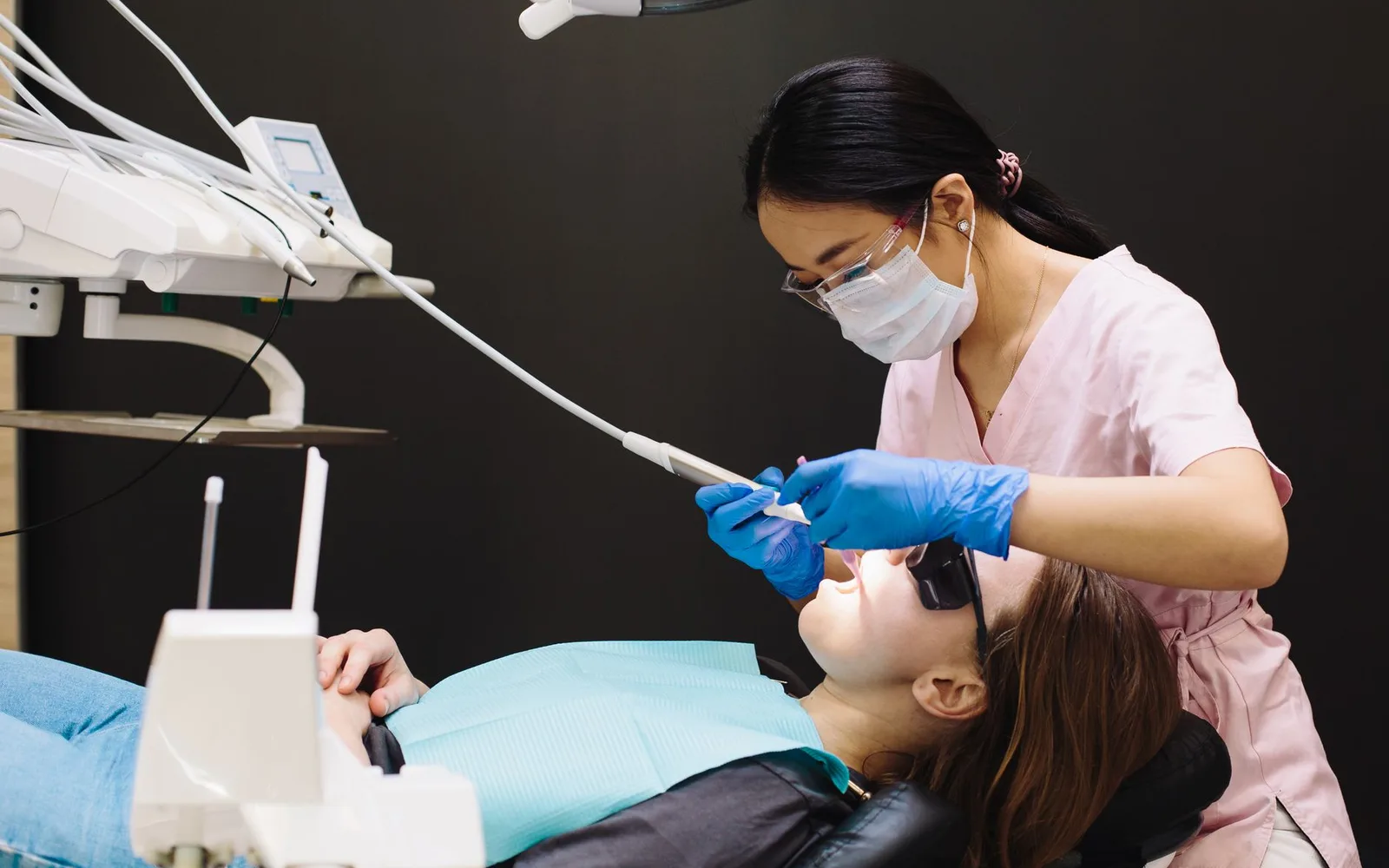
Preventive treatment in Al Huda Jeddah
Al Huda is packed apartment buildings where insects spread easily between units through shared gaps and pipes. The preventive programme here focuses on sealing weak points that connect flats to each other, and reading the monitoring points at every visit protects the whole block from the start. Your neighbours' choices affect your risk, which is why the programme reads the building rather than just your flat.
-
Targeted, not broadcast
Product goes into cracks and runways, never sprayed across open surfaces.
-
Told before we start
What we will use, where it goes, and what to cover or move before we arrive.
-
A follow-up visit
We return after the first treatment, because what survives it does not show on the day.
-
Homes and businesses
Apartments and villas, and kitchens and stores that need a record of each visit.
Why they keep coming back in Al Huda
Flats in the same building complain of different pests at different times depending on floor and street exposure, which means the programme treats the building's pressure rather than pest by pest inside individual units. The method is set out in full on what Preventive treatment involves.
Shared entrances double the building pressure
Apartment blocks have one or two entrances through which all residents, visitors and maintenance staff pass, and insects enter with them or hide in dark hallways and corners. Monitoring points at the entrance tell us when entry attempts increase, so we intensify visits before insects reach the flats.
Pipes and internal voids are insect highways
Drainage, power and water pipes link every flat vertically and horizontally, and any gap around them is an open highway between units. The programme seals what can be sealed and places a residual barrier around the rest, rather than treating each flat in isolation.
Reading the points prevents shared problems
Monitoring points in hallways, storage and the roof tell us about activity before it starts inside flats, so we act before residents call. One preventive visit that catches the first sign of activity is worth ten emergency treatments after an outbreak spreads through the building.
Al Huda on the map
Al Huda sits about 3.5 km from Al Ajawid and about 3.5 km from Al Sanabil.
Open in Google MapsWhat a preventive visit reads
A dense apartment district of three storey blocks, partly older and partly new, interspersed with vacant plots where new villas are rising, close to the Al Laith Expressway on the city's south edge.
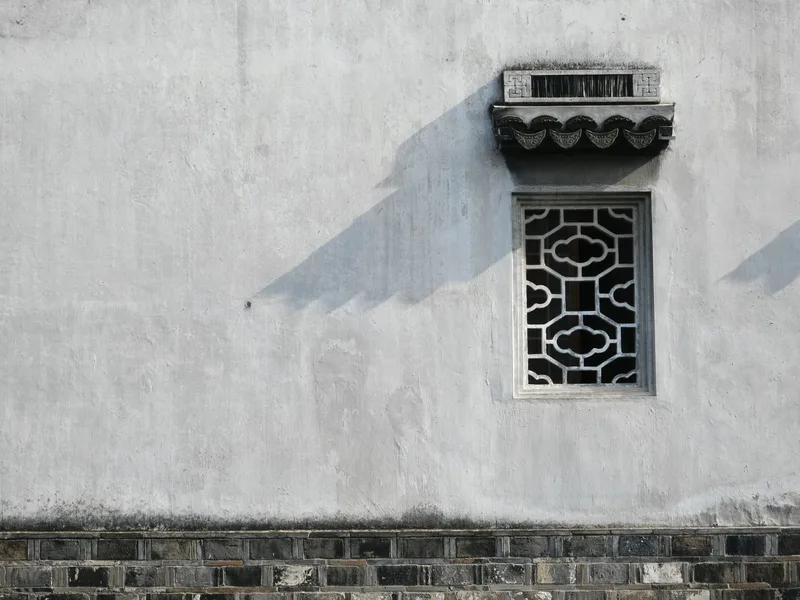
The base of the outside wall
The base of the building's outside wall faces street damp and drainage runoff and may have cracks from settlement, so we place a strong residual band there that lasts long and blocks entry from below.
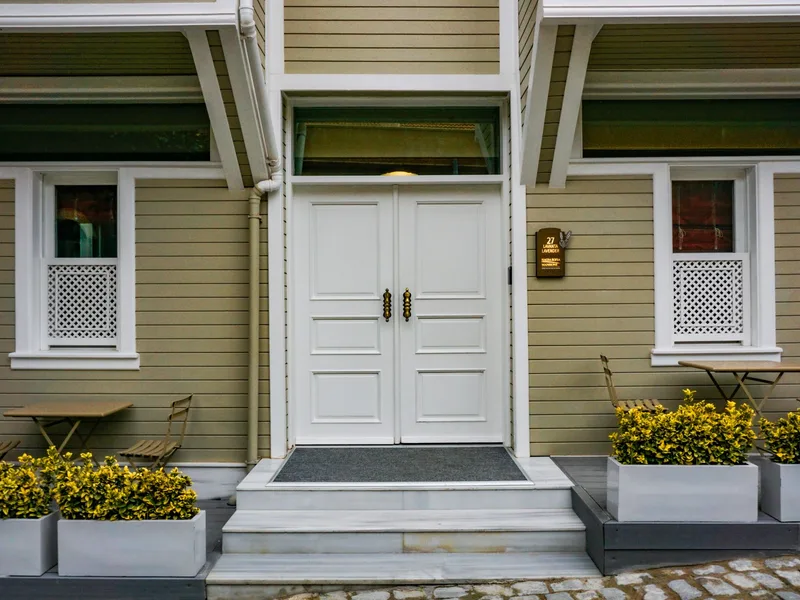
Gaps and openings
Gaps around the power, water and drainage pipes entering the building are numerous and hide insects before they spread, so we seal them with material that blocks any entry and gives us a visible signal if insects attempt to force through.
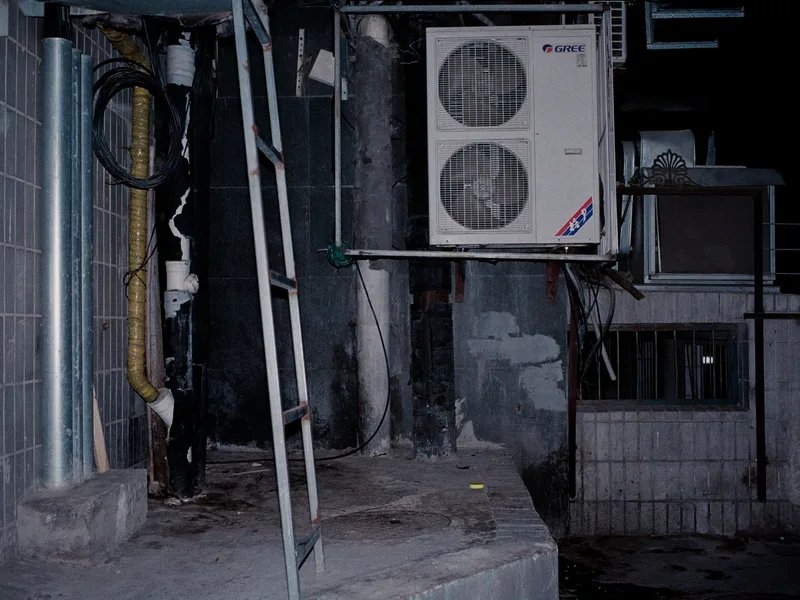
Air conditioning condensate
Air conditioning condensate from the flats runs down the outside wall and pools beneath it, creating constant damp that attracts insects. We monitor this point closely and reduce the standing water by directing the drainage correctly.
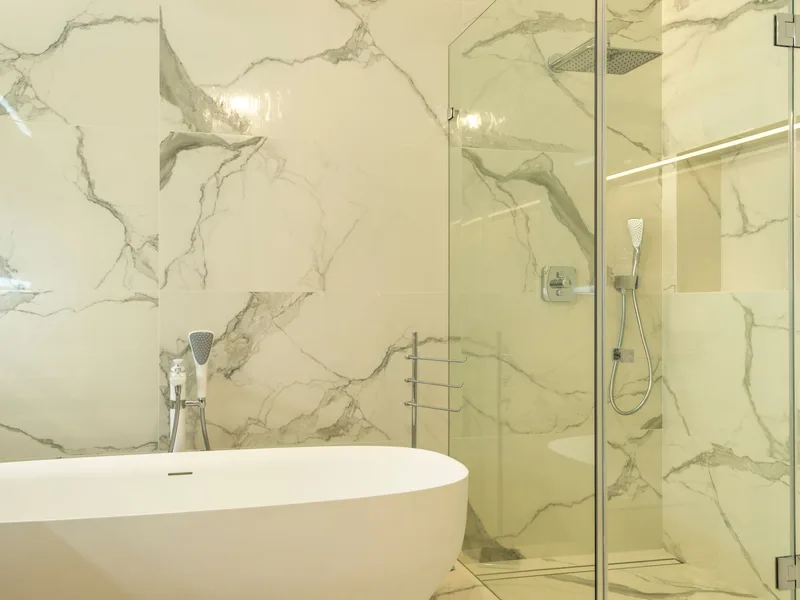
Floor drains
Floor drains in kitchens and bathrooms may be an entry point from the shared drainage below. We place monitoring points around these drains and clear debris that might attract insects entering from the pipes beneath.
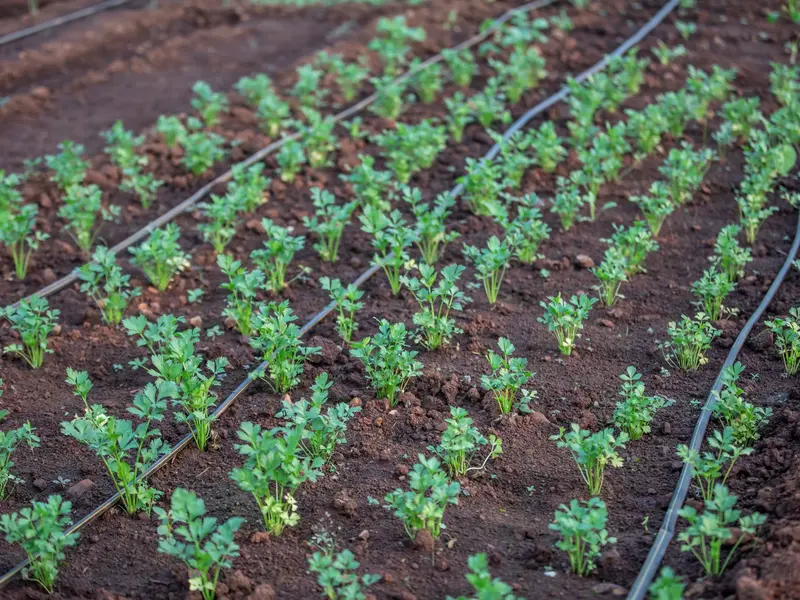
Irrigation against the wall
Some flats have irrigation systems on balconies or the roof, and overflow may pool at the outside wall. We monitor these spots during summer and the irrigation season, because damp encourages insects to gather near the façade.
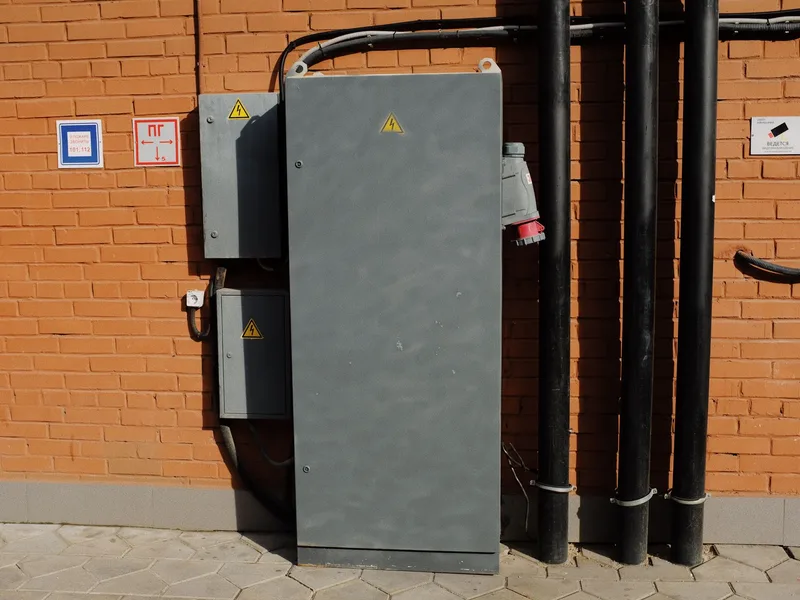
The monitoring points
Monitoring points sit at the main entrance, in storage, on the roof and around the main pipes. Reading these points at every visit tells us the real pressure on the building and catches spread before it starts inside the flats.
How we work
-
1
The baseline survey
We walk the outside boundary and then the inside: gaps under doors, pipe runs, vents, condensate lines, drains, the bin area and the store, and we fix the monitoring points before anything is applied.
-
2
Close the routes
Mesh on the vents, the gap under the door dealt with, the sleeve around a pipe run closed, and water put back into the drain nobody uses. Exclusion saves a spray that would otherwise repeat forever.
-
3
The band and the placed product
A residual band at the base of the wall outside and around door and window openings, with placed product inside joints and closed voids where it is warranted, and no open spray across living surfaces.
-
4
The scheduled visit: read, renew, record
We read the points to see which side is under pressure, renew the band where sun or irrigation has taken it, aim the visit at what the coming season opens up, and write down what was found and what was used.
What the preventive programme includes
-

A survey, then a check every visit
Entry points, moisture sources and storage, recorded before anything is applied and revisited each time.
-

Monitoring points that get read
At the wall and floor junction, under sinks and in the store, checked on every visit rather than only the last one.
-

A renewed exterior band
At the wall base and around the openings, put back wherever sun or irrigation took it between visits.
-

Drains, water lines and waste
The water seal in the drains, the condensate line and the ground around the bins, which are the standing water and food sources.
-

Between the visits
What to keep dry, what to keep closed, and what is worth a call before the next date. Ventilation we tell you before the visit.
-

A scheduled visit and a record of each
An agreed date, what the points held, what was treated, and what changed since last time.
Landmarks of Al Huda
Access from Al Laith Road is straightforward, and the programme schedules visits to avoid peak times at Al Huda Mosque and the adjacent park, because foot traffic there increases entry pressure. We time visits to dodge the rush and cut the chances of insects entering with pedestrian and vehicle movement.
- Al Laith Road
- Al Huda Mosque
- Al Huda Park
- Al Huda Health Centre
Questions about this district
My flat is on the first floor with another above it. Does damp come down from above?
Damp comes from leaks and standing water, not the other way round. The programme monitors gaps around pipes and beneath bathrooms and kitchens, and places barriers where water enters, stopping the problem at its source rather than fighting the insects it attracts.
Does the shared stairwell and lift carry insects from floor to floor?
Yes. Insects move easily up stairs and in lifts, especially at night. We place monitoring points in the stairwell and at the lift door, and if activity shows, we treat the gaps around the electrical cable and pipes running up the side of the stair.
My neighbour has not treated his flat. Does that affect my programme?
Yes. Insects from an untreated flat can enter yours through the party wall and shared voids. Preventive spray protects your side of the wall, but full control needs treatment on both sides or at least sealing of the shared gaps between units.
The building has many residents. Does that add pressure to the programme?
Every new resident may bring insects from outside, and heavy traffic means more chances of entry. The monitoring points tell us the real pressure: we may increase visits during high turnover or letting seasons when new residents arrive.
The small garden in front has dense plants. Is that the source?
The garden may shelter insects, but the main pressure on the building comes from the street and the building itself. We focus on the base of the outside wall and gaps around the irrigation pipes, because they are the closest entry point from the garden into the building.
In winter insects are fewer. Should we cut visits then?
The monitoring points decide, not the calendar. Winter may bring lower pressure, or insects may simply hide inside walls and cavities instead of disappearing. If the points show quiet, we reduce visits; if activity shows, we increase them.
How much does preventive treatment in Al Huda cost?
It is set after the inspection, because the price follows the type of infestation, the size of the space, how far it has spread and the number of visits it needs. Send a photo and a description on WhatsApp and we will give you an estimate before we reach Al Huda.
Nearby districts we cover
Other services in Al Huda
Other services we provide to residents of Al Huda.
-
 Residential
Cockroach control
Residential
Cockroach control
-
 Residential
Bed bug control
Residential
Bed bug control
-
 Residential
Termite control
Residential
Termite control
-
 Residential
Rodents and mice
Residential
Rodents and mice
-
 Residential
Mosquito control
Residential
Mosquito control
-
 Residential
Fly control
Residential
Fly control
-
 Residential
Ant control
Residential
Ant control
-
 Residential
Gecko control
Residential
Gecko control
-
 Residential
Scorpion control
Residential
Scorpion control
-
 Residential
Snake control
Residential
Snake control
-
 Residential
Flea control
Residential
Flea control
-
 Residential
Bird and pigeon control
Residential
Bird and pigeon control
-
 Residential
Disinfection
Residential
Disinfection
-
 Commercial
Annual contracts
Commercial
Annual contracts
-
 Commercial
Restaurants and cafes
Commercial
Restaurants and cafes
-
 Commercial
Hotels and apartments
Commercial
Hotels and apartments
-
 Commercial
Warehouses and factories
Commercial
Warehouses and factories
-
 Commercial
Schools and nurseries
Commercial
Schools and nurseries
-
 Commercial
Retail and malls
Commercial
Retail and malls
-
 Commercial
Rest houses and farms
Commercial
Rest houses and farms
-
 Commercial
Fumigation
Commercial
Fumigation
-
 Water tanks
Water tank cleaning
Water tanks
Water tank cleaning
-
 Water tanks
Water tank sterilization
Water tanks
Water tank sterilization
-
 Water tanks
Water tank sealing
Water tanks
Water tank sealing
-
 Water tanks
Tank leak repair
Water tanks
Tank leak repair
Need preventive treatment in Al Huda? Tell us what you saw and we will tell you what it needs
We reach Al Huda at a time we agree, and you get the full cost before we start.