
Preventive treatment in Al Judairiyah Al Jadid Makkah
Al Judairiyah Al Jadid is a new district among active building sites and vacant plots that hold water after rain, drawing rodents and scorpions from Wadi Uranah and the surrounding hills. The preventive programme here protects a villa from a pressure that is not the same as in finished neighbourhoods.
-
Targeted, not broadcast
Product goes into cracks and runways, never sprayed across open surfaces.
-
Told before we start
What we will use, where it goes, and what to cover or move before we arrive.
-
A follow-up visit
We return after the first treatment, because what survives it does not show on the day.
-
Homes and businesses
Apartments and villas, and kitchens and stores that need a record of each visit.
Why they keep coming back in Al Judairiyah Al Jadid
New villas stand alone among vacant land and open foundation pits, creating many entry points and gaps around the exterior wall that are deeper and wider than in occupied districts. The method is set out in full on how we approach Preventive treatment.
Ongoing construction opens pathways for entry
Neighbouring building sites, excavated ground and stacked materials shelter rodents, reptiles and scorpions. Open foundation pits and gaps around the new villa allow entry from every direction before the district fills up. The loose earth and stored materials are ideal breeding grounds for ground-dwelling pests.
Wadi Uranah carries moisture and wildlife
The wadi and the low ground around it retain water after rain and attract insects, rodents and scorpions. Villas near the wadi channel or its tributaries face seasonal pressure that peaks in winter and spring. The water itself draws pests seeking damp shelter before summer drying.
Incomplete networks leave gaps and openings
Drainage systems and paving are unfinished in many areas, leaving voids and cracks in exterior walls and foundations. The programme must seal these gaps with a strong residual barrier until the infrastructure is complete. Loose soil and broken ground around the villa allow burrowing pests close access.
The character of Al Judairiyah Al Jadid
New development: ongoing construction and vacant plots between the homes
A new district means excavations, gaps and seasonal pressure from the wadi and hills, but it also means an opportunity to build a strong defence from the start before pests establish themselves. The programme now prevents entry rather than clearing an established infestation.
What a preventive visit reads
Most of the ground is still open: granted plots and new villas between active building sites, unfinished drainage networks and unpaved streets. Wadi Uranah crosses the district and its tributaries retain water after rainfall.
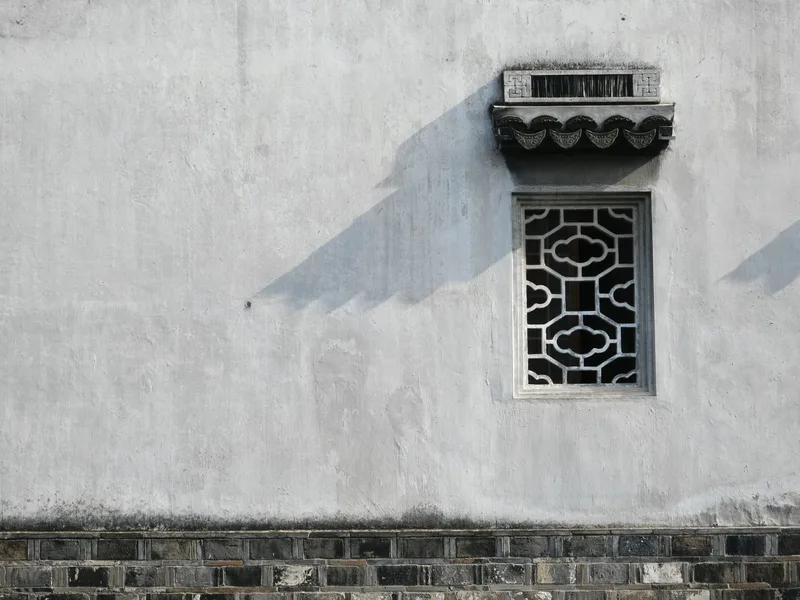
The base of the outside wall
The base of the wall is open to vacant ground and excavations, so we apply a thick, thorough residual band that seals gaps between foundation and earth.
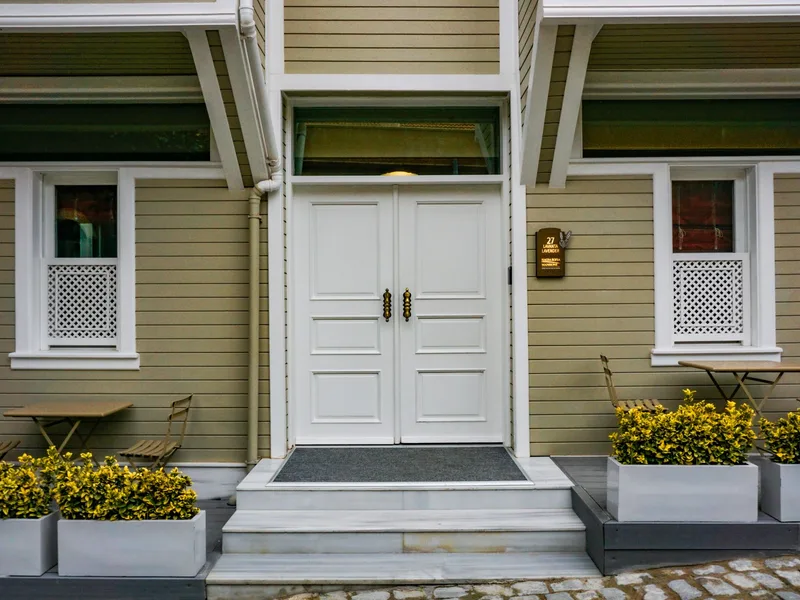
Gaps and openings
Gaps around the villa are numerous from incomplete foundations and stacked materials, so we seal obvious entry points and monitor openings that cannot yet be closed.
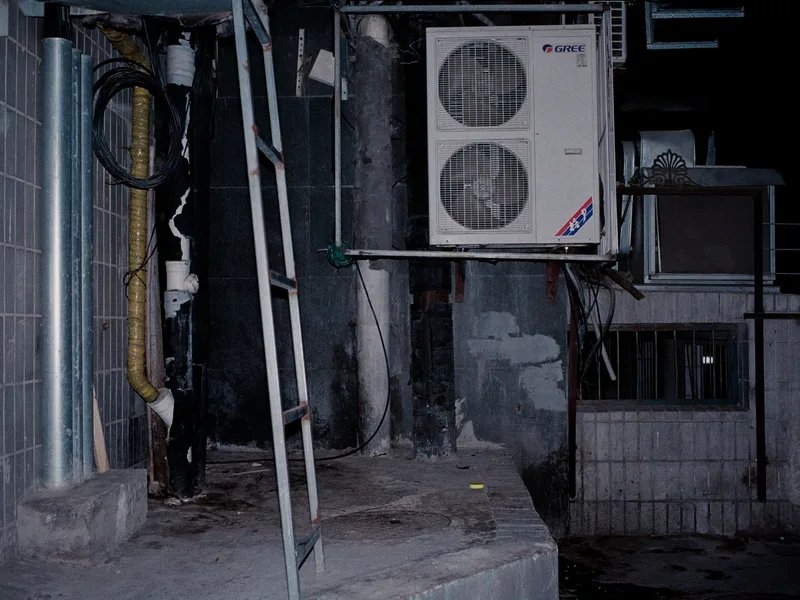
Air conditioning condensate
Air conditioning condensate drains onto damp ground, so we place a monitoring point near the outlet because it attracts insects and scorpions.
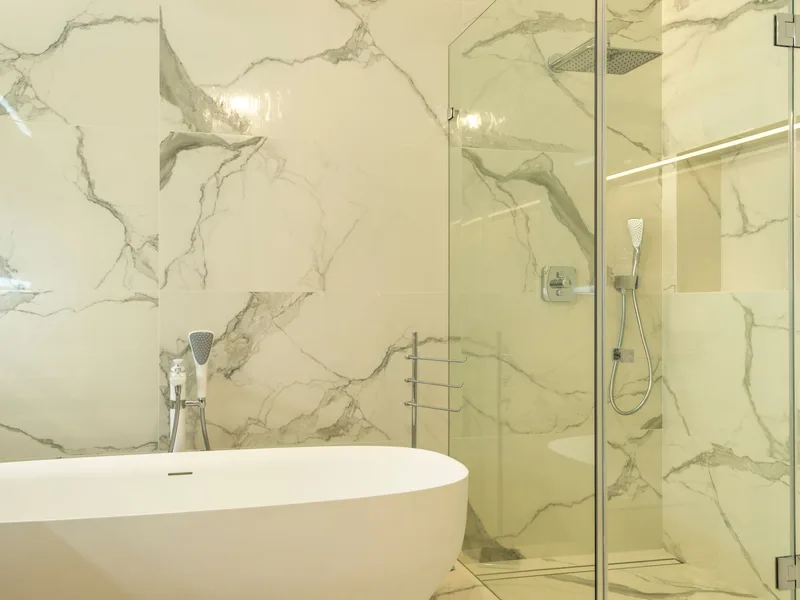
Floor drains
Floor drains are incomplete and may be open or clogged with spoil, so we monitor each drain and the ground surrounding it.
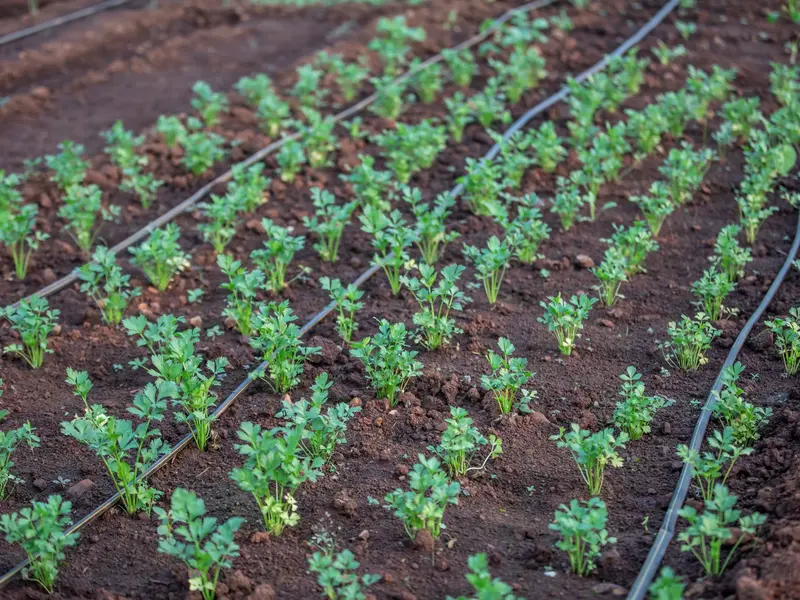
Irrigation against the wall
Irrigation is not yet installed but standing water from rain and excavations creates high moisture at the wall base.
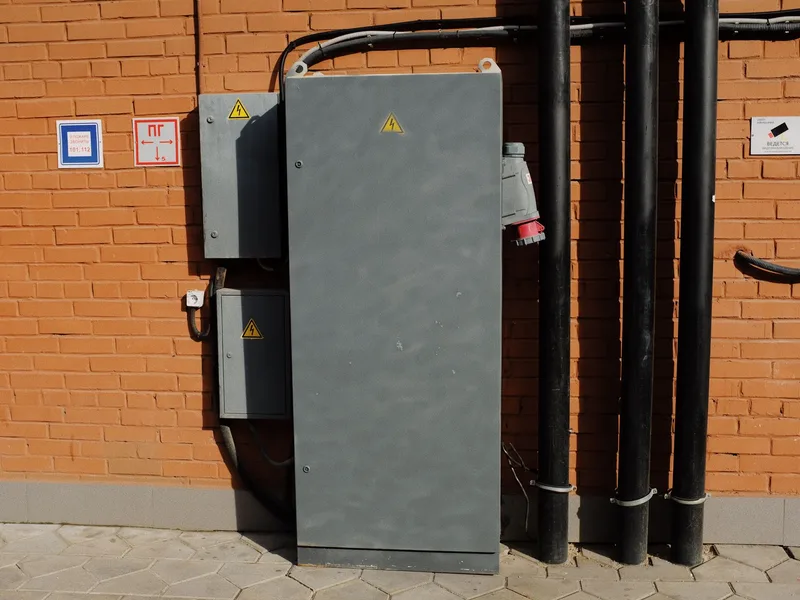
The monitoring points
Monitoring points are placed near large voids and raised ground spots and around the wadi channel path where rodents travel.
How we work
-
1
The baseline survey
We walk the outside boundary and then the inside: gaps under doors, pipe runs, vents, condensate lines, drains, the bin area and the store, and we fix the monitoring points before anything is applied.
-
2
Close the routes
Mesh on the vents, the gap under the door dealt with, the sleeve around a pipe run closed, and water put back into the drain nobody uses. Exclusion saves a spray that would otherwise repeat forever.
-
3
The band and the placed product
A residual band at the base of the wall outside and around door and window openings, with placed product inside joints and closed voids where it is warranted, and no open spray across living surfaces.
-
4
The scheduled visit: read, renew, record
We read the points to see which side is under pressure, renew the band where sun or irrigation has taken it, aim the visit at what the coming season opens up, and write down what was found and what was used.
What the preventive programme includes
-

A survey, then a check every visit
Entry points, moisture sources and storage, recorded before anything is applied and revisited each time.
-

Monitoring points that get read
At the wall and floor junction, under sinks and in the store, checked on every visit rather than only the last one.
-

A renewed exterior band
At the wall base and around the openings, put back wherever sun or irrigation took it between visits.
-

Drains, water lines and waste
The water seal in the drains, the condensate line and the ground around the bins, which are the standing water and food sources.
-

Between the visits
What to keep dry, what to keep closed, and what is worth a call before the next date. Ventilation we tell you before the visit.
-

A scheduled visit and a record of each
An agreed date, what the points held, what was treated, and what changed since last time.
What is different about South Makkah Sub-Municipality
South Makkah sub municipality is the belt of Crown Prince schemes south of Al Ukayshiyah, along the Al Laith road and the extension of Ibrahim Al Khalil Road to the Fifth Ring Road and the Non Muslims bypass. Most of it is still bare: granted plots awaiting houses, new villas standing alone, open building sites and unfinished paving and drainage. Wadi Uranah and its tributaries cross the low ground and hold water after rain, hills close it in, and rodents, reptiles and scorpions shelter in stacked materials and foundation pits before the neighbourhoods fill up.
Questions about this district
The villa is surrounded by vacant plots and foundation pits. Does the programme cover all these gaps?
Yes. The programme focuses on the base of the exterior wall and open voids around the villa. We apply a strong residual barrier to areas where insects might cross from neighbouring plots and excavations, sealing weak points as much as the building work permits.
Wadi Uranah runs beside the district. Will it bring insects and rodents to our villa, especially in winter?
The wadi is a real source of pressure, especially when it carries water after heavy rain. The programme intensifies visits in wet seasons and monitors entry points that face the wadi channel or its tributaries. We read monitoring points to track seasonal peaks.
Building continues all around us. Can we start the programme now or only when building finishes?
The programme can and should start now. Open voids and stacked materials shelter rodents and scorpions. We begin with a strong external barrier and monitor through inspection points that are read at every visit. The protection deepens as the neighbourhood fills in.
Jabal Al Raqid and the Kassab hills are close by. Do they bring more insects to a new villa?
The hills shelter rodents and scorpions, especially before the district is complete. The programme protects against this pressure with an external residual barrier and routine monitoring of points around the villa perimeter.
The ground stays damp from rain and tributary water. Does that mean more insects and scorpions?
Yes. Damp ground and standing water attract insects, rodents and scorpions. We focus on damp entry points and gaps around drains and water pooling at the base of the wall. Monitoring points track seasonal moisture.
Drainage networks are incomplete and the ground is unpaved. Does this change how the programme works?
Yes. Open voids and excavations mean we concentrate on the external residual barrier and monthly monitoring points. Once networks and paving are complete, some pressure points may drop away. We adjust the programme as the district fills up.
How much does preventive treatment in Al Judairiyah Al Jadid cost?
It is set after the inspection, because the price follows the type of infestation, the size of the space, how far it has spread and the number of visits it needs. Send a photo and a description on WhatsApp and we will give you an estimate before we reach Al Judairiyah Al Jadid.
Nearby districts we cover
Other services in Al Judairiyah Al Jadid
Other services we provide to residents of Al Judairiyah Al Jadid.
-
 Residential
Cockroach control
Residential
Cockroach control
-
 Residential
Bed bug control
Residential
Bed bug control
-
 Residential
Termite control
Residential
Termite control
-
 Residential
Rodents and mice
Residential
Rodents and mice
-
 Residential
Mosquito control
Residential
Mosquito control
-
 Residential
Fly control
Residential
Fly control
-
 Residential
Ant control
Residential
Ant control
-
 Residential
Gecko control
Residential
Gecko control
-
 Residential
Scorpion control
Residential
Scorpion control
-
 Residential
Snake control
Residential
Snake control
-
 Residential
Flea control
Residential
Flea control
-
 Residential
Bird and pigeon control
Residential
Bird and pigeon control
-
 Residential
Disinfection
Residential
Disinfection
-
 Commercial
Annual contracts
Commercial
Annual contracts
-
 Commercial
Restaurants and cafes
Commercial
Restaurants and cafes
-
 Commercial
Hotels and apartments
Commercial
Hotels and apartments
-
 Commercial
Warehouses and factories
Commercial
Warehouses and factories
-
 Commercial
Schools and nurseries
Commercial
Schools and nurseries
-
 Commercial
Retail and malls
Commercial
Retail and malls
-
 Commercial
Rest houses and farms
Commercial
Rest houses and farms
-
 Commercial
Fumigation
Commercial
Fumigation
-
 Water tanks
Water tank cleaning
Water tanks
Water tank cleaning
-
 Water tanks
Water tank sterilization
Water tanks
Water tank sterilization
-
 Water tanks
Water tank sealing
Water tanks
Water tank sealing
-
 Water tanks
Tank leak repair
Water tanks
Tank leak repair
Need preventive treatment in Al Judairiyah Al Jadid? Tell us what you saw and we will tell you what it needs
We reach Al Judairiyah Al Jadid at a time we agree, and you get the full cost before we start.