

Preventive treatment in Al Misfalah Makkah
Al Misfalah is a densely packed residential zone south of the Grand Mosque on Ibrahim Al Khalil Street in Makkah, holding old apartment blocks standing shoulder to shoulder and lodgings for Hajj and Umrah visitors, with restaurants and shops beneath. The descent from the Haram, high humidity, severe crowding and tight gaps between old quarters create the perfect environment for termites and cockroaches, so preventive treatment here protects these crowded neighbourhoods from pests.
-
Targeted, not broadcast
Product goes into cracks and runways, never sprayed across open surfaces.
-
Told before we start
What we will use, where it goes, and what to cover or move before we arrive.
-
A follow-up visit
We return after the first treatment, because what survives it does not show on the day.
-
Homes and businesses
Apartments and villas, and kitchens and stores that need a record of each visit.
Why they keep coming back in Al Misfalah
Old quarters and tightly packed blocks with narrow lanes that see little sun provide permanent shelter for termites, cockroaches, silverfish and rodents from the soil and foundations. The method is set out in full on Preventive treatment in detail.
Old blocks shoulder to shoulder with damp foundations and the descent from the Haram
Blocks are old and tight with damp foundations that absorb moisture from the low ground and closeness to the Haram. Termites eat old timber from within. Treatment focuses on inspecting foundations, wooden posts and gaps between blocks and placing monitoring points on every floor.
Dense markets, restaurants and shops with daily food waste
Ibrahim Al Khalil Street holds many markets and eateries operating year-round that produce daily waste. This continuous food draw brings cockroaches, ants and rats from the soil and foundations. We focus on gaps and drains around restaurants and shops and open drainage channels.
Old quarters with narrow lanes and poor ventilation
Al Kakiyah, and Qawz Al Nakasah are old quarters with tight lanes that see little sun. This dark damp shelter is perfect for night-active insects. Gaps between stone walls and deep cracks offer safe homes. We focus on inspecting gaps and cracks and placing specialist monitoring points.
The character of Al Misfalah
Apartment district: residential blocks, repeated floors and shared entrances
An apartment district means crowded blocks with shared entrance, and old damp foundations create perfect conditions for termites and wood-boring insects. Spraying focuses on cavities, cracks and foundations, with intensive regular monitoring to detect activity early before it spreads.
What a preventive visit reads
Al Misfalah runs downhill from the Haram with old quarters such as Al Kakiyah and Qawz Al Nakasah branching off, and holds restaurants and shops serving visitors year-round. Moisture stays high from the elevation and old foundations.
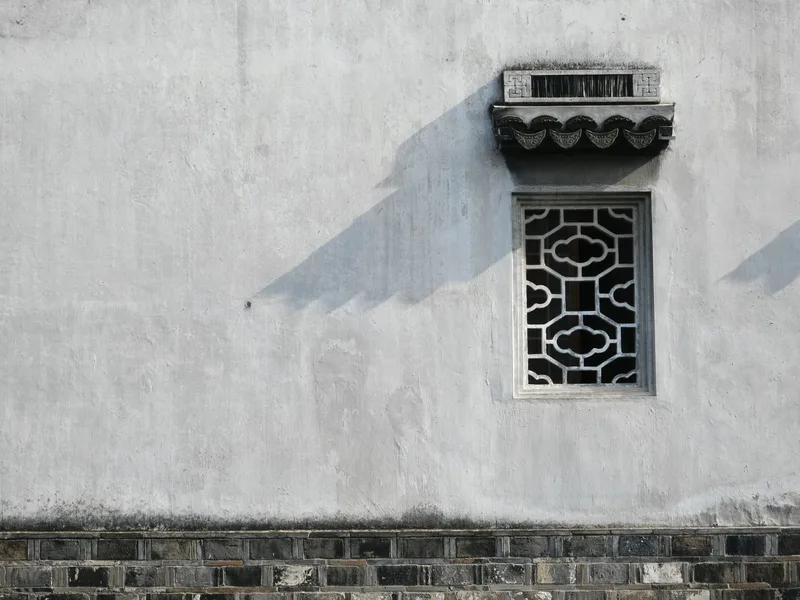
The base of the outside wall
The base of the outside wall in Al Misfalah faces high damp from the descent and low foundations. We lay a strong residual band and apply tight waterproof sealant on all sides.

Gaps and openings
Deep gaps and cracks between stone walls and wooden posts are many and go deep. We seal every gap with caulk and may spray locally.
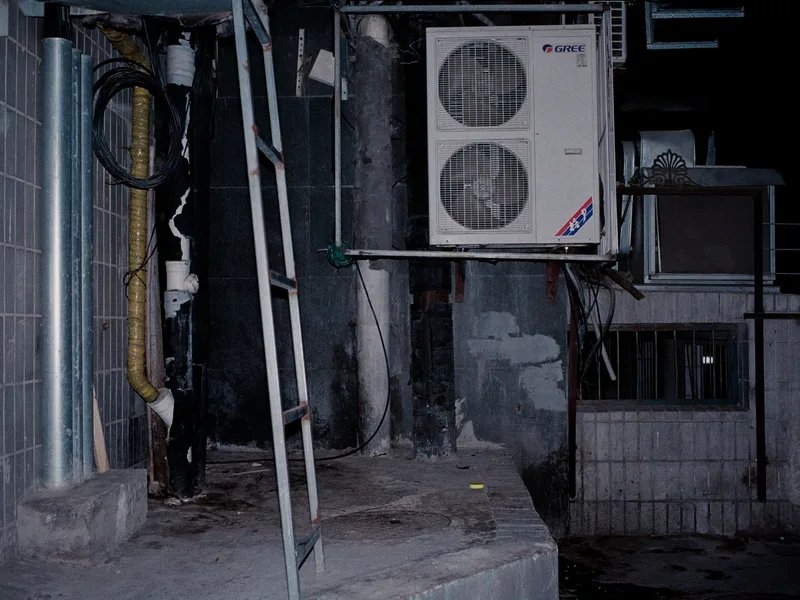
Air conditioning condensate
Air conditioning drains and refrigerator discharge produce warm water that draws ants and insects, so we monitor these areas and may place a trap beside each drain.
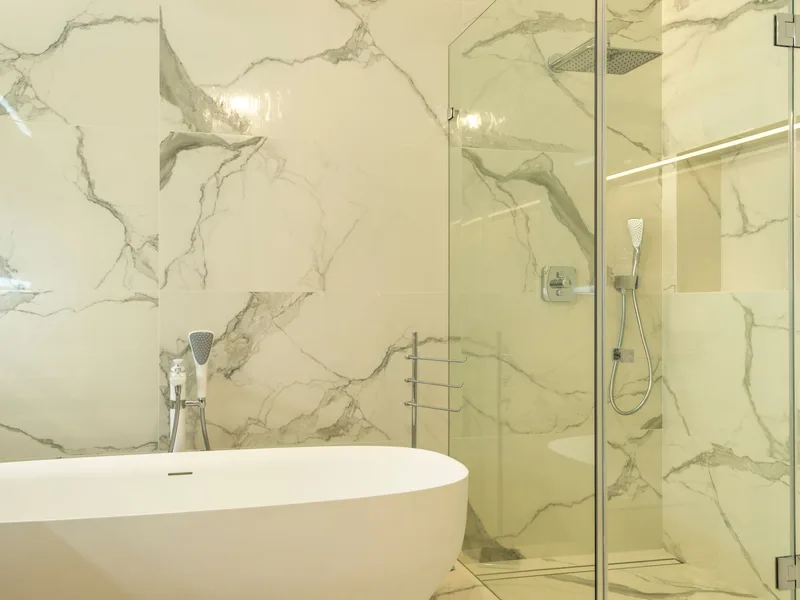
Floor drains
Damp old building floors and dark corridors provide shelter for cockroaches, silverfish and rodents. We place sticky traps on every floor and in stairwells.
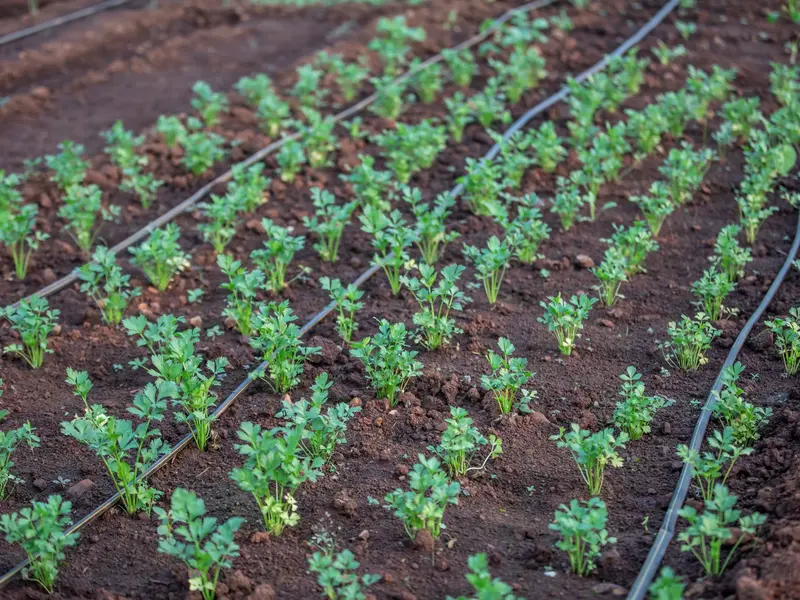
Irrigation against the wall
Deep gaps and cracks around pipes and wires beneath floors may carry insects and moisture. We recommend checking and repairing major leaks.
The monitoring points
Monitoring points sit in every damp corner, around openings and foundations, in deep cavities and under ceilings, and we read them regularly and carefully.
How we work
-
1
The baseline survey
We walk the outside boundary and then the inside: gaps under doors, pipe runs, vents, condensate lines, drains, the bin area and the store, and we fix the monitoring points before anything is applied.
-
2
Close the routes
Mesh on the vents, the gap under the door dealt with, the sleeve around a pipe run closed, and water put back into the drain nobody uses. Exclusion saves a spray that would otherwise repeat forever.
-
3
The band and the placed product
A residual band at the base of the wall outside and around door and window openings, with placed product inside joints and closed voids where it is warranted, and no open spray across living surfaces.
-
4
The scheduled visit: read, renew, record
We read the points to see which side is under pressure, renew the band where sun or irrigation has taken it, aim the visit at what the coming season opens up, and write down what was found and what was used.
What the preventive programme includes
-

A survey, then a check every visit
Entry points, moisture sources and storage, recorded before anything is applied and revisited each time.
-

Monitoring points that get read
At the wall and floor junction, under sinks and in the store, checked on every visit rather than only the last one.
-

A renewed exterior band
At the wall base and around the openings, put back wherever sun or irrigation took it between visits.
-

Drains, water lines and waste
The water seal in the drains, the condensate line and the ground around the bins, which are the standing water and food sources.
-

Between the visits
What to keep dry, what to keep closed, and what is worth a call before the next date. Ventilation we tell you before the visit.
-

A scheduled visit and a record of each
An agreed date, what the points held, what was treated, and what changed since last time.
What is different about Al Misfalah Sub-Municipality
Al Misfalah sub municipality runs downhill from the south of the Grand Mosque through Al Misfalah, Kudai and Al Rawabi to Al Taqwa, Al Hindawiyah, Al Khalidiyah and Al Rusayfah at the third ring road. The northern end is old apartment blocks and pilgrim hotels with restaurants along Ibrahim Al Khalil Street and the huge coach parks at Kudai. The south and west are dense popular districts with countless small shops and unplanned hillside housing, some of it already cleared for redevelopment, giving way to orderly land grant schemes in Al Rusayfah beside the railway station.
Questions about this district
The old building stays damp and the walls have deep cracks. Could termites live in it?
Yes, damp walls and deep cracks are termite homes. We inspect foundations, wooden posts and corners every visit for mud tubes. We place specialist monitoring points beside posts and old timber.
A shop below and a restaurant beside us. Do insects cross between them and our flat?
Yes, insects cross easily. We seal all gaps and cracks in the shared wall with caulk. We place a monitoring point on the shared wall. We focus on daily cleaning of the shop and restaurant.
The tight lane behind has rubbish and waste. How do we protect ourselves?
Tight lanes and rubbish provide continuous food for insects. We focus on a strong outside barrier around the building on the lane side. We recommend regular lane cleaning and closed rubbish bins.
It stays damp even in summer. Why and what can we do?
Old foundations and closeness to the low-lying Haram keeps moisture trapped. We recommend improving ventilation and warming. We monitor the dampest areas with specialist traps, and may need local spraying.
Does the programme cover inspection and spraying inside old stone wall cavities?
Yes, we inspect gaps and cavities between old stone walls carefully. We may need to inject specialist product into large cavities if we detect termite or insect activity.
Is spraying safe in old dense housing where many families live?
We use approved products that are safe. We spray at set times and recommend good ventilation. We focus on surface application and outdoor areas away from bedrooms.
How much does preventive treatment in Al Misfalah cost?
It is set after the inspection, because the price follows the type of infestation, the size of the space, how far it has spread and the number of visits it needs. Send a photo and a description on WhatsApp and we will give you an estimate before we reach Al Misfalah.
Nearby districts we cover
Other services in Al Misfalah
Other services we provide to residents of Al Misfalah.
-
 Residential
Cockroach control
Residential
Cockroach control
-
 Residential
Bed bug control
Residential
Bed bug control
-
 Residential
Termite control
Residential
Termite control
-
 Residential
Rodents and mice
Residential
Rodents and mice
-
 Residential
Mosquito control
Residential
Mosquito control
-
 Residential
Fly control
Residential
Fly control
-
 Residential
Ant control
Residential
Ant control
-
 Residential
Gecko control
Residential
Gecko control
-
 Residential
Scorpion control
Residential
Scorpion control
-
 Residential
Snake control
Residential
Snake control
-
 Residential
Flea control
Residential
Flea control
-
 Residential
Bird and pigeon control
Residential
Bird and pigeon control
-
 Residential
Disinfection
Residential
Disinfection
-
 Commercial
Annual contracts
Commercial
Annual contracts
-
 Commercial
Restaurants and cafes
Commercial
Restaurants and cafes
-
 Commercial
Hotels and apartments
Commercial
Hotels and apartments
-
 Commercial
Warehouses and factories
Commercial
Warehouses and factories
-
 Commercial
Schools and nurseries
Commercial
Schools and nurseries
-
 Commercial
Retail and malls
Commercial
Retail and malls
-
 Commercial
Rest houses and farms
Commercial
Rest houses and farms
-
 Commercial
Fumigation
Commercial
Fumigation
-
 Water tanks
Water tank cleaning
Water tanks
Water tank cleaning
-
 Water tanks
Water tank sterilization
Water tanks
Water tank sterilization
-
 Water tanks
Water tank sealing
Water tanks
Water tank sealing
-
 Water tanks
Tank leak repair
Water tanks
Tank leak repair
Need preventive treatment in Al Misfalah? Tell us what you saw and we will tell you what it needs
We reach Al Misfalah at a time we agree, and you get the full cost before we start.