

Preventive treatment in Al Rawabi Makkah
Al Rawabi is an apartment district on the slopes south of the Grand Mosque, built as high-rise blocks above and around the Kudai-Ajyad tunnel network that connects east and west Makkah through the hillside. Mountain moisture seeps from the tunnels and the deep foundations below ground level into the buildings above. The preventive programme here targets the base of the towers, the shared entry systems, and the drainage points where tunnel systems and hillside runoff meet the building perimeter.
-
Targeted, not broadcast
Product goes into cracks and runways, never sprayed across open surfaces.
-
Told before we start
What we will use, where it goes, and what to cover or move before we arrive.
-
A follow-up visit
We return after the first treatment, because what survives it does not show on the day.
-
Homes and businesses
Apartments and villas, and kitchens and stores that need a record of each visit.
Why they keep coming back in Al Rawabi
Hillside moisture seeps continuously from tunnels and deep foundation lines. Tall buildings create still air zones between ground level and upper floors. Rainwater and drainage from the surrounding slopes collect at building bases and penetrate the foundations. The method is set out in full on Preventive treatment in detail.
Tunnel networks and hillside springs drive moisture into deep foundations
The Kudai-Ajyad tunnel system runs beneath the district, maintaining year-round damp conditions in the bedrock. Insects and rodents that inhabit the tunnels, caves and fissures move into adjacent building foundations through seepage points and cracks. The preventive programme establishes a residual band at each building base and focuses on monitoring points placed around drainage systems, foundation seams and points where tunnel water surfaces near the structure.
Shared deep-level entries and vertical circulation in tall buildings
High-rise residential blocks in Al Rawabi have numerous floors with shared lobbies at ground level and basement service areas deep underground. Stairwells, lift shafts and risers create direct routes for insects travelling from lower levels to residential units high above. Monitoring points are placed at the main entries, in basement areas, and at intermediate levels to interrupt upward movement before it reaches occupied floors.
Mountain drainage and rainwater flow towards building bases
The hillsides surrounding Al Rawabi shed rainwater towards the lower levels where buildings stand. Drainage channels and pipes along the foundations create permanent moisture zones and shelter for insects and rodents. The programme treats these drainage points and the gaps around underground services with special care to maintain the external barrier.
Landmarks of Al Rawabi
Work in Al Rawabi is organised by reference to Rai Bakhsh and the main road where the Kudai-Ajyad tunnel runs beneath the district. Entry points and monitoring zones are positioned and accessed by reference to these hillside landmarks and the tunnel network.
- Rai Bakhsh
- Ajyad Kudai Road
- Kudai Ajyad Tunnel
- Al Rawabi Garden
- Jabal Khandamah
What a preventive visit reads
The Kudai-Ajyad tunnel system runs beneath the district, drawing moisture and providing pathways for insects and rodents. Deep foundations anchor high-rise buildings to sloping bedrock, with narrow gaps between the base levels of adjacent structures on the hillside terrain.
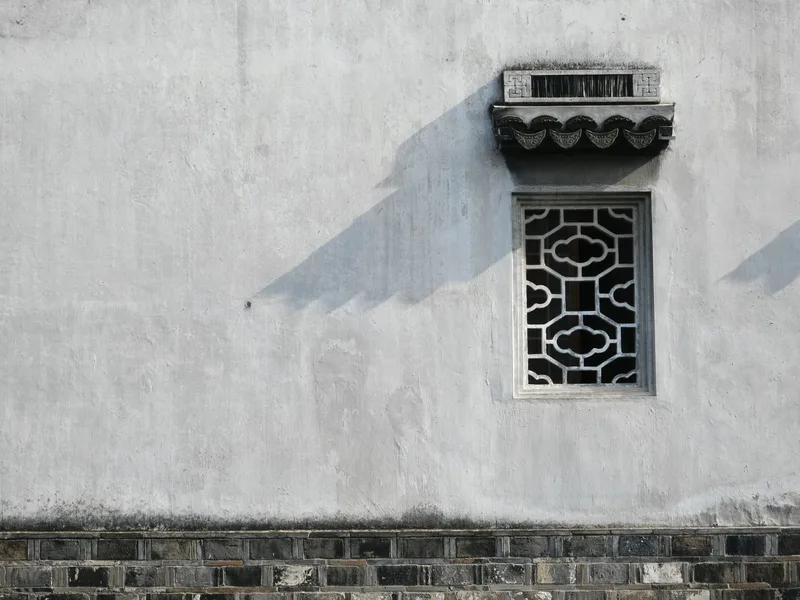
The base of the outside wall
The external wall base sits on sloping hillside bedrock that is perpetually damp from tunnel systems and underground moisture. The external residual band must be carefully placed at the junction of wall and deep foundation, and may be extended deeper in areas where tunnel water or drainage surfaces.
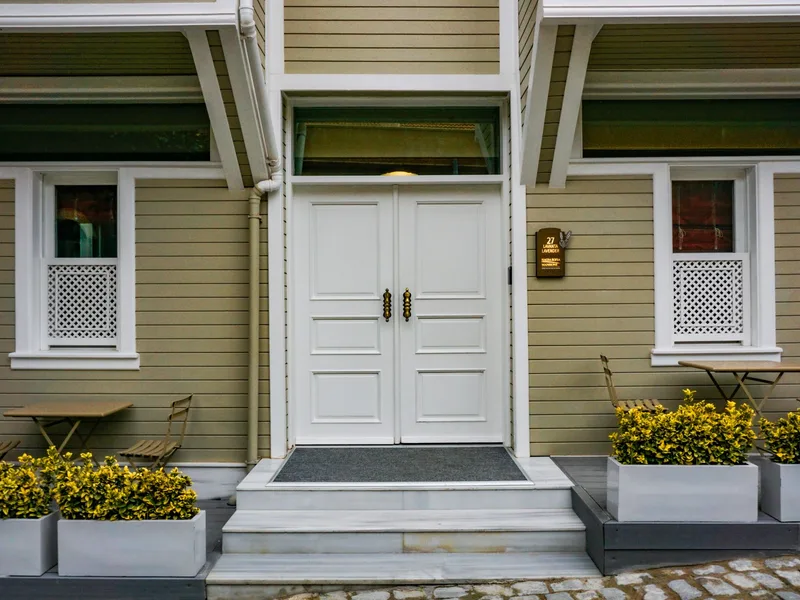
Gaps and openings
Gaps around the deep foundations, utility pipes and underground water channels are fitted with monitoring points to detect moisture movement and insect activity coming from the tunnel systems and hillside seepage.
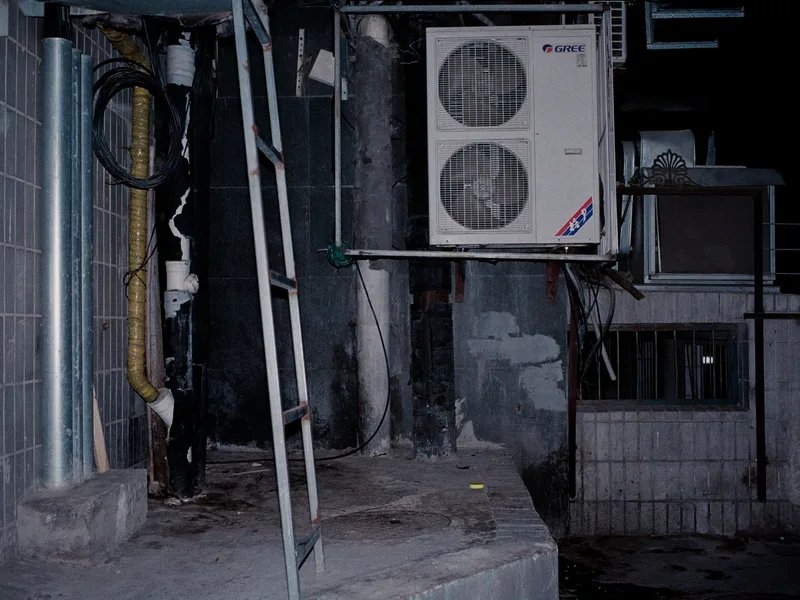
Air conditioning condensate
Condensate from thousands of air conditioning units in the high-rise blocks collects at the foundations, increasing dampness and creating ideal conditions for insects. Monitoring of these drainage points intensifies during summer months when cooling is constant.
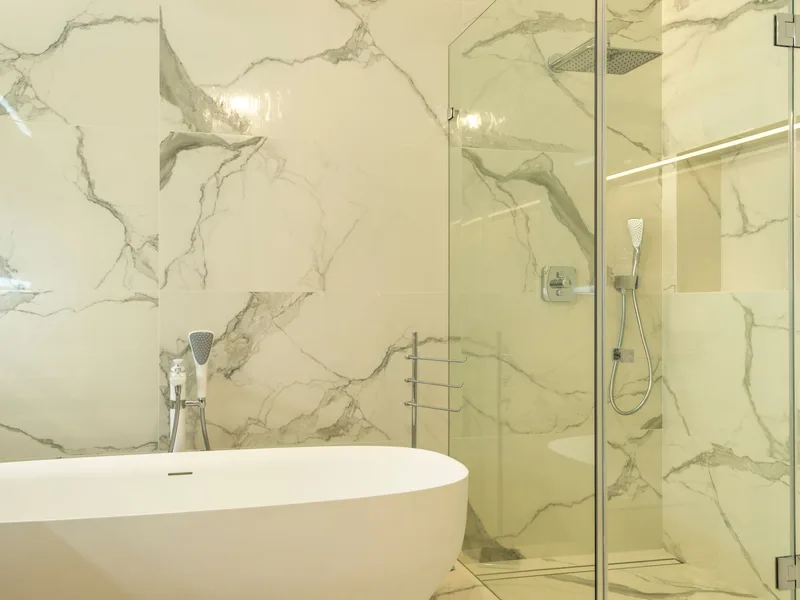
Floor drains
Floor drains at the shared lobbies, basement areas and lower levels require close inspection because they sit near tunnel systems and hillside drainage. Trapped moisture and stagnant water attract insects and rodents strongly in these deep-level zones.
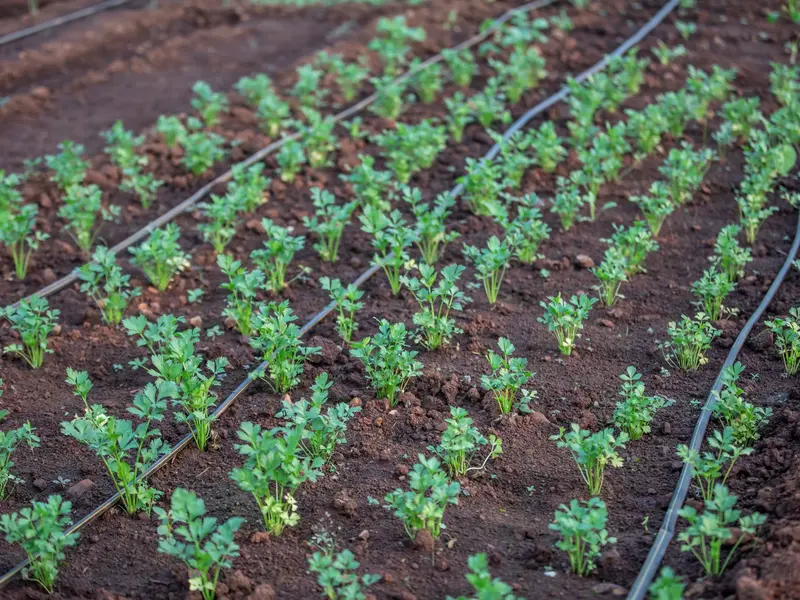
Irrigation against the wall
Irrigation from Al Rawabi Garden increases moisture at the base of adjacent residential blocks, particularly during heavy irrigation seasons. Monitoring during March through August tracks this seasonal pressure carefully.
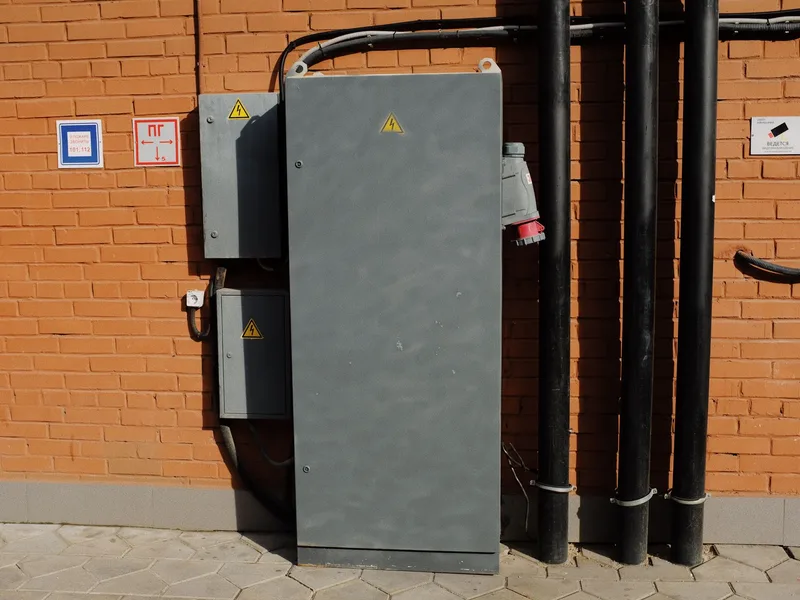
The monitoring points
Monitoring points are positioned at every shared entry, in the basement service areas, at intermediate levels where services pass through, and around hillside drainage and water emergence points.
How we work
-
1
The baseline survey
We walk the outside boundary and then the inside: gaps under doors, pipe runs, vents, condensate lines, drains, the bin area and the store, and we fix the monitoring points before anything is applied.
-
2
Close the routes
Mesh on the vents, the gap under the door dealt with, the sleeve around a pipe run closed, and water put back into the drain nobody uses. Exclusion saves a spray that would otherwise repeat forever.
-
3
The band and the placed product
A residual band at the base of the wall outside and around door and window openings, with placed product inside joints and closed voids where it is warranted, and no open spray across living surfaces.
-
4
The scheduled visit: read, renew, record
We read the points to see which side is under pressure, renew the band where sun or irrigation has taken it, aim the visit at what the coming season opens up, and write down what was found and what was used.
What the preventive programme includes
-

A survey, then a check every visit
Entry points, moisture sources and storage, recorded before anything is applied and revisited each time.
-

Monitoring points that get read
At the wall and floor junction, under sinks and in the store, checked on every visit rather than only the last one.
-

A renewed exterior band
At the wall base and around the openings, put back wherever sun or irrigation took it between visits.
-

Drains, water lines and waste
The water seal in the drains, the condensate line and the ground around the bins, which are the standing water and food sources.
-

Between the visits
What to keep dry, what to keep closed, and what is worth a call before the next date. Ventilation we tell you before the visit.
-

A scheduled visit and a record of each
An agreed date, what the points held, what was treated, and what changed since last time.
What is different about Al Misfalah Sub-Municipality
Al Misfalah sub municipality runs downhill from the south of the Grand Mosque through Al Misfalah, Kudai and Al Rawabi to Al Taqwa, Al Hindawiyah, Al Khalidiyah and Al Rusayfah at the third ring road. The northern end is old apartment blocks and pilgrim hotels with restaurants along Ibrahim Al Khalil Street and the huge coach parks at Kudai. The south and west are dense popular districts with countless small shops and unplanned hillside housing, some of it already cleared for redevelopment, giving way to orderly land grant schemes in Al Rusayfah beside the railway station.
Questions about this district
Do the tunnels beneath Al Rawabi provide routes for insects and rodents?
Yes. The tunnel system creates damp, dark conditions ideal for insect colonies and rodent burrows. Insects and rodents inhabit the tunnels and the rocky fissures, then move into adjacent buildings through foundation seams and base-level gaps. Every visit checks the inward pressure originating from the tunnel direction.
How frequently are preventive visits scheduled for a high-rise in Al Rawabi?
Visits follow the readings from monitoring points, not a fixed schedule. During the rainy season and periods of high humidity they may occur every three weeks. In drier periods the interval extends to six weeks, adjusted by what the monitoring points show.
Do the deep foundations in hillside terrain need special treatment?
Yes. Deep foundations sit close to groundwater and hillside seepage. Treatment focuses especially on drainage points and gaps around pipes and utilities where foundation moisture appears. The external residual is carefully placed where the outer wall meets the foundation in the below-ground zones.
Does rainwater from the surrounding slopes affect the preventive programme?
Yes significantly. Rainwater from the hillsides concentrates at building bases, raising moisture levels and insect pressure. The programme intensifies monitoring during rainy seasons, and the external residual band extends into the main drainage channels and collection points.
The district is adjacent to Ajyad Kudai Road, one of the main routes in the city. Does this affect insect activity?
Yes. The main road brings increased foot traffic and commercial activity, with associated food waste and debris. This raises the external pressure on the buildings that face it. The programme accounts for this by increasing the monitoring frequency at entries facing the road.
Al Rawabi Garden has extensive irrigation. Does this increase insect pressure on the adjacent apartment blocks?
Yes. Irrigated gardens provide damp conditions that attract insects, mosquitoes and ants. Apartment buildings next to the garden face higher pressure during the irrigation season. Monitoring tracks this seasonal increase and treatment adapts accordingly.
How much does preventive treatment in Al Rawabi cost?
It is set after the inspection, because the price follows the type of infestation, the size of the space, how far it has spread and the number of visits it needs. Send a photo and a description on WhatsApp and we will give you an estimate before we reach Al Rawabi.
Nearby districts we cover
Other services in Al Rawabi
Other services we provide to residents of Al Rawabi.
-
 Residential
Cockroach control
Residential
Cockroach control
-
 Residential
Bed bug control
Residential
Bed bug control
-
 Residential
Termite control
Residential
Termite control
-
 Residential
Rodents and mice
Residential
Rodents and mice
-
 Residential
Mosquito control
Residential
Mosquito control
-
 Residential
Fly control
Residential
Fly control
-
 Residential
Ant control
Residential
Ant control
-
 Residential
Gecko control
Residential
Gecko control
-
 Residential
Scorpion control
Residential
Scorpion control
-
 Residential
Snake control
Residential
Snake control
-
 Residential
Flea control
Residential
Flea control
-
 Residential
Bird and pigeon control
Residential
Bird and pigeon control
-
 Residential
Disinfection
Residential
Disinfection
-
 Commercial
Annual contracts
Commercial
Annual contracts
-
 Commercial
Restaurants and cafes
Commercial
Restaurants and cafes
-
 Commercial
Hotels and apartments
Commercial
Hotels and apartments
-
 Commercial
Warehouses and factories
Commercial
Warehouses and factories
-
 Commercial
Schools and nurseries
Commercial
Schools and nurseries
-
 Commercial
Retail and malls
Commercial
Retail and malls
-
 Commercial
Rest houses and farms
Commercial
Rest houses and farms
-
 Commercial
Fumigation
Commercial
Fumigation
-
 Water tanks
Water tank cleaning
Water tanks
Water tank cleaning
-
 Water tanks
Water tank sterilization
Water tanks
Water tank sterilization
-
 Water tanks
Water tank sealing
Water tanks
Water tank sealing
-
 Water tanks
Tank leak repair
Water tanks
Tank leak repair
Need preventive treatment in Al Rawabi? Tell us what you saw and we will tell you what it needs
We reach Al Rawabi at a time we agree, and you get the full cost before we start.