

Preventive treatment in Al Tandabawi Makkah
Al Tandabawi is an old suburb a short walk from the central zone, on the edge of Jabal Omar and ongoing redevelopment schemes, with tightly packed lanes, narrow streets and aging buildings. Preventive treatment here needs very dense monitoring points because the quarter is constantly changing, with demolition and construction under way around the central zone.
-
Targeted, not broadcast
Product goes into cracks and runways, never sprayed across open surfaces.
-
Told before we start
What we will use, where it goes, and what to cover or move before we arrive.
-
A follow-up visit
We return after the first treatment, because what survives it does not show on the day.
-
Homes and businesses
Apartments and villas, and kitchens and stores that need a record of each visit.
Why they keep coming back in Al Tandabawi
Ongoing demolition and construction around Jabal Omar and the central zone have created an unstable environment where insects and rodents migrate rapidly from demolition sites into occupied homes. The method is set out in full on what Preventive treatment involves.
Demolition and construction sites are a continuous insect and rodent source
Al Tandabawi is undergoing constant demolition and building around Jabal Omar and the central zone. Demolition sites evacuate their inhabitants, insects and rodents, pushing them towards occupied homes nearby. The residual band needs very high focus around active construction sites.
Narrow lanes and close buildings create a complex insect network
Narrow lanes, close-set houses, shared pipes and aging drains create an intricate network where insects travel fast. An insect in the first house may reach the tenth house via shared gaps and pipes without crossing a street.
Monitoring points need very high density to track multiple pressure waves
Pressure in Al Tandabawi comes from multiple directions: demolition and construction sites, Al Shubaikah and Al Mansour, shared lanes. Monitoring points are placed in very high density to detect waves from every direction before they spread.
The character of Al Tandabawi
Historic district: close-set buildings, narrow lanes and ageing services
Old tightly packed buildings in a suburb undergoing constant demolition and construction means unstable and shifting pressure. The preventive programme here needs continuous assessment and point adjustment as building sites change. Monitoring points may need relocating every few months as the district transforms.
What a preventive visit reads
An old suburb a short walk from the Grand Mosque between Al Shubaikah and Al Hindawiyah, with close-set buildings, narrow lanes and Al Mansour Street on its western edge. The urban fabric is medieval and tightly packed.
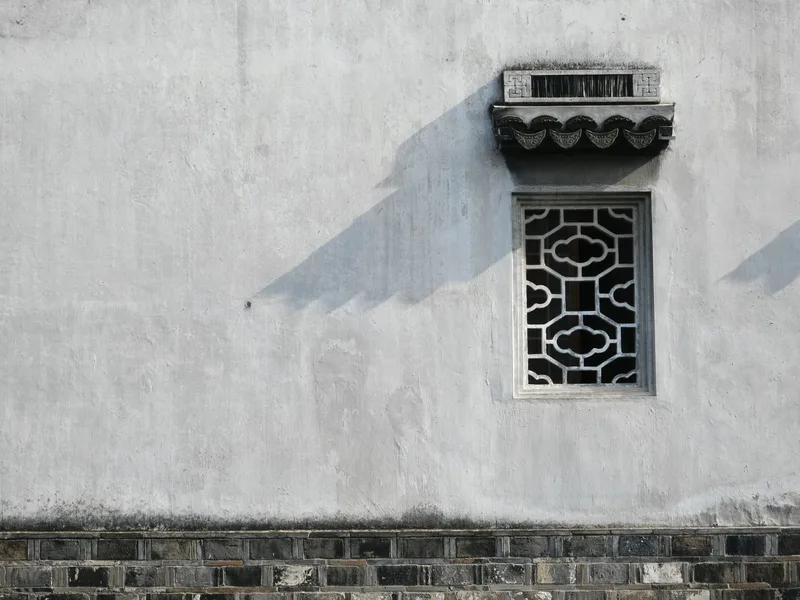
The base of the outside wall
The outside wall base in Al Tandabawi, especially at sites adjoining demolition and construction, needs a very strong thick band with high concentration, because pressure comes directly from building sites.
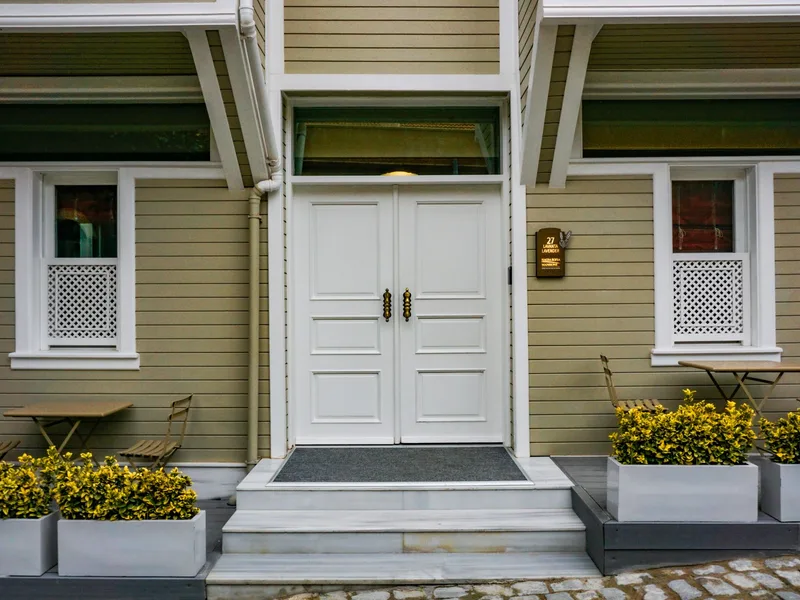
Gaps and openings
Gaps between old close-set buildings are very numerous, shared pipes are decayed, and each gap is a highway for insects from construction sites into homes.
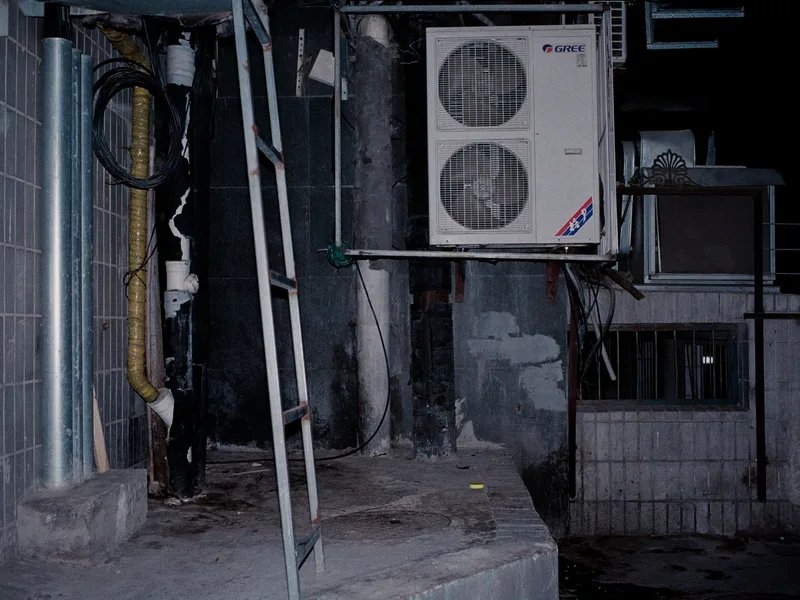
Air conditioning condensate
Air conditioning condensate from old buildings produces moisture at the base and in lanes, attracting moisture-loving insects.
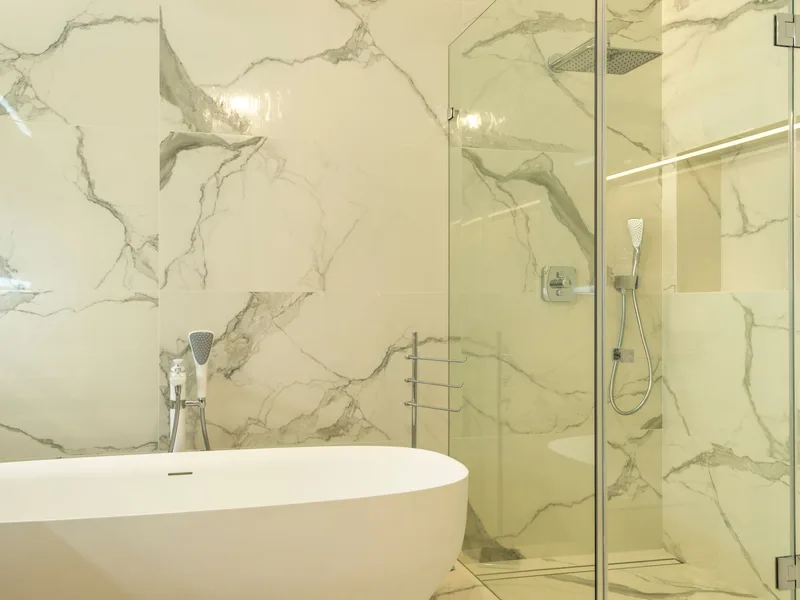
Floor drains
Floor drains from very old buildings are extremely decayed and may be partially clogged, holding water and scraps and creating ideal insect habitat.
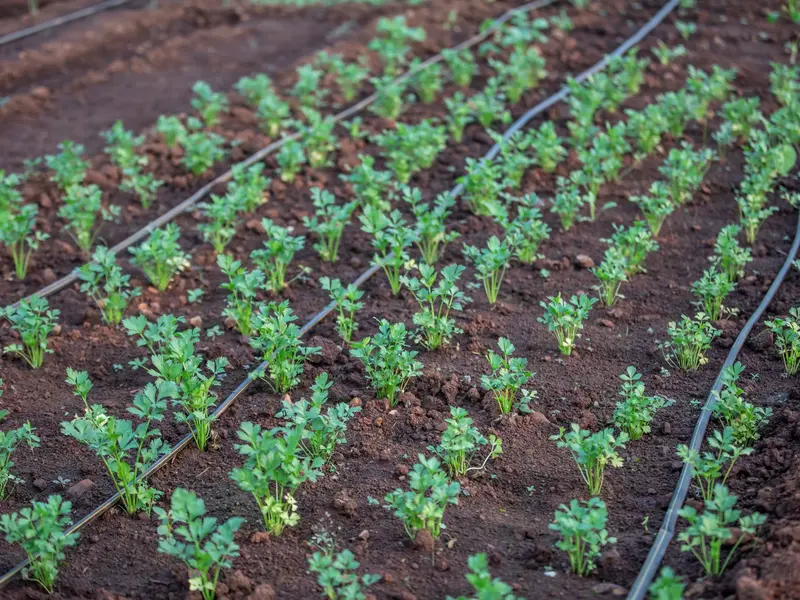
Irrigation against the wall
Irrigation in narrow lanes may be irregular and water pools, attracting moisture-loving insects.
The monitoring points
Monitoring points in Al Tandabawi are placed in very high density on outer and inner walls, in gaps between buildings and lanes, especially close to demolition and construction sites.
How we work
-
1
The baseline survey
We walk the outside boundary and then the inside: gaps under doors, pipe runs, vents, condensate lines, drains, the bin area and the store, and we fix the monitoring points before anything is applied.
-
2
Close the routes
Mesh on the vents, the gap under the door dealt with, the sleeve around a pipe run closed, and water put back into the drain nobody uses. Exclusion saves a spray that would otherwise repeat forever.
-
3
The band and the placed product
A residual band at the base of the wall outside and around door and window openings, with placed product inside joints and closed voids where it is warranted, and no open spray across living surfaces.
-
4
The scheduled visit: read, renew, record
We read the points to see which side is under pressure, renew the band where sun or irrigation has taken it, aim the visit at what the coming season opens up, and write down what was found and what was used.
What the preventive programme includes
-

A survey, then a check every visit
Entry points, moisture sources and storage, recorded before anything is applied and revisited each time.
-

Monitoring points that get read
At the wall and floor junction, under sinks and in the store, checked on every visit rather than only the last one.
-

A renewed exterior band
At the wall base and around the openings, put back wherever sun or irrigation took it between visits.
-

Drains, water lines and waste
The water seal in the drains, the condensate line and the ground around the bins, which are the standing water and food sources.
-

Between the visits
What to keep dry, what to keep closed, and what is worth a call before the next date. Ventilation we tell you before the visit.
-

A scheduled visit and a record of each
An agreed date, what the points held, what was treated, and what changed since last time.
What is different about Ajyad Sub-Municipality
Ajyad sub municipality takes in the districts that press against the Grand Mosque from the south and west: Ajyad, Al Hajlah, Al Shubaikah, Al Tandabawi and Al Mansour. Hotels and rented apartment blocks for Umrah visitors stack up along Ajyad Street and Ibrahim Al Khalil Street, with kitchens and restaurants running aday and night in season. Behind them, Al Shubaikah and Al Tandabawi keep narrow old lanes on hillside ground where buildings and drains are ageing, and demolition and construction sites are a constant presence around Jabal Omar and the central zone.
Questions about this district
Does demolition and construction around Jabal Omar increase insects in Al Tandabawi?
Greatly so. Demolition evacuates insects and rodents from buildings being torn down and pushes them towards occupied homes. Construction creates dust and chaos that attracts insects. Pressure on Al Tandabawi continuously rises because of these projects.
How often do homes in Al Tandabawi need preventive visits?
Al Tandabawi needs weekly visits throughout the year because pressure from demolition sites, construction and shared lanes is constant. We may increase to twice weekly if major demolition is close to the home.
Are monitoring points in narrow lanes different from ordinary homes?
Yes. In narrow lanes, we focus monitoring points on gaps between buildings and shared pipes, not just the walls of one house. Points are placed on the boundaries between a home and the lane.
Will redevelopment projects eventually reduce pressure on Al Tandabawi?
Projects may reduce pressure after demolition and construction end. But now, ongoing demolition increases it. When building finishes and new homes are occupied, pressure may ease but will not disappear.
Is Al Mansour Street on the boundary a source of insect pressure?
Al Mansour Street is commercial and may be an insect source from shops below. We recommend close monitoring on the side facing Al Mansour Street.
Does preventive treatment completely stop insects from demolition sites?
We cannot completely prevent insects from sites outside the home boundary. But the programme cuts entry substantially. We focus on a very strong outer band and dense points around active construction.
How much does preventive treatment in Al Tandabawi cost?
It is set after the inspection, because the price follows the type of infestation, the size of the space, how far it has spread and the number of visits it needs. Send a photo and a description on WhatsApp and we will give you an estimate before we reach Al Tandabawi.
Nearby districts we cover
Other services in Al Tandabawi
Other services we provide to residents of Al Tandabawi.
-
 Residential
Cockroach control
Residential
Cockroach control
-
 Residential
Bed bug control
Residential
Bed bug control
-
 Residential
Termite control
Residential
Termite control
-
 Residential
Rodents and mice
Residential
Rodents and mice
-
 Residential
Mosquito control
Residential
Mosquito control
-
 Residential
Fly control
Residential
Fly control
-
 Residential
Ant control
Residential
Ant control
-
 Residential
Gecko control
Residential
Gecko control
-
 Residential
Scorpion control
Residential
Scorpion control
-
 Residential
Snake control
Residential
Snake control
-
 Residential
Flea control
Residential
Flea control
-
 Residential
Bird and pigeon control
Residential
Bird and pigeon control
-
 Residential
Disinfection
Residential
Disinfection
-
 Commercial
Annual contracts
Commercial
Annual contracts
-
 Commercial
Restaurants and cafes
Commercial
Restaurants and cafes
-
 Commercial
Hotels and apartments
Commercial
Hotels and apartments
-
 Commercial
Warehouses and factories
Commercial
Warehouses and factories
-
 Commercial
Schools and nurseries
Commercial
Schools and nurseries
-
 Commercial
Retail and malls
Commercial
Retail and malls
-
 Commercial
Rest houses and farms
Commercial
Rest houses and farms
-
 Commercial
Fumigation
Commercial
Fumigation
-
 Water tanks
Water tank cleaning
Water tanks
Water tank cleaning
-
 Water tanks
Water tank sterilization
Water tanks
Water tank sterilization
-
 Water tanks
Water tank sealing
Water tanks
Water tank sealing
-
 Water tanks
Tank leak repair
Water tanks
Tank leak repair
Need preventive treatment in Al Tandabawi? Tell us what you saw and we will tell you what it needs
We reach Al Tandabawi at a time we agree, and you get the full cost before we start.