

Preventive treatment in Al Shubaikah Makkah
Al Shubaikah is an ancient quarter looking onto the Grand Mosque from the Hazwarah side, with old coral stone houses and lanes so narrow they are barely passable between the tightly adjoining homes. Preventive treatment targets the cracks within the ancient stone and the gaps between houses that cannot be sealed, with continuous monitoring of specific points to stop insects from entering.
-
Targeted, not broadcast
Product goes into cracks and runways, never sprayed across open surfaces.
-
Told before we start
What we will use, where it goes, and what to cover or move before we arrive.
-
A follow-up visit
We return after the first treatment, because what survives it does not show on the day.
-
Homes and businesses
Apartments and villas, and kitchens and stores that need a record of each visit.
Why they keep coming back in Al Shubaikah
Insects shelter in the historical cracks in the stone and in the extremely narrow spaces between adjoining houses, spaces that never dry out completely. The method is set out in full on what Preventive treatment involves.
Ancient coral stone and historical cracks within it
Coral stone hundreds of years old is full of fine cracks and tiny voids. These are perfect hideouts for insects and small reptiles. Spot treatment of these cracks must be done carefully and more frequently than in modern areas, because the residual effect fades quickly on old stone and loses potency faster than it does on concrete.
Narrow lanes and chronic dampness
The lanes are so narrow that air cannot circulate and sunlight does not reach the base. Moisture lingers from rain and seepage. This damp, dark environment is ideal shelter for insects and scorpions. The external residual band at the wall base must be applied to every side of every lane.
Location near the Grand Mosque and continuous pilgrim traffic
The quarter sits immediately beside the Grand Mosque and receives large numbers of Umrah visitors all year. Insects arrive with goods, luggage and visitors. Preventive treatment must focus on the main entry points where luggage enters and where goods are stored for sale to pilgrims.
Al Shubaikah on the map
Al Shubaikah sits about 0.5 km from Al Hajlah and about 1 km from Al Tandabawi.
Open in Google MapsWhat a preventive visit reads
The quarter sits on hillside ground near Jabal Omar with lanes too narrow for vehicles, old adjoining houses, and boundaries at Al Hajlah to the east and Jabal Al Sharashif to the west.
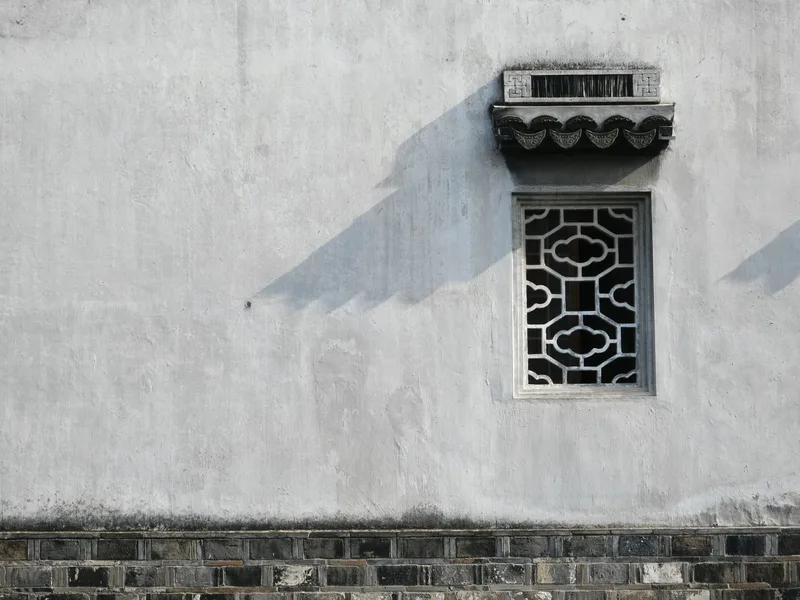
The base of the outside wall
The base of the exterior wall on ancient stone is applied thinly with a band suited to old stone, and monitoring is done more frequently because residual effectiveness drops quickly.
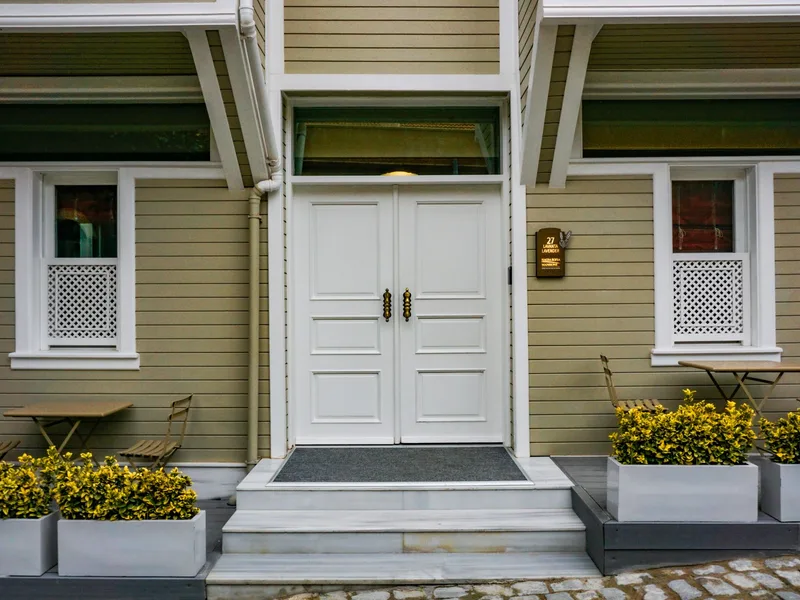
Gaps and openings
The gaps between tightly adjoining houses are extremely narrow, filled with soil, dry leaves and dampness, and serve as preferred corridors for insects and scorpions.
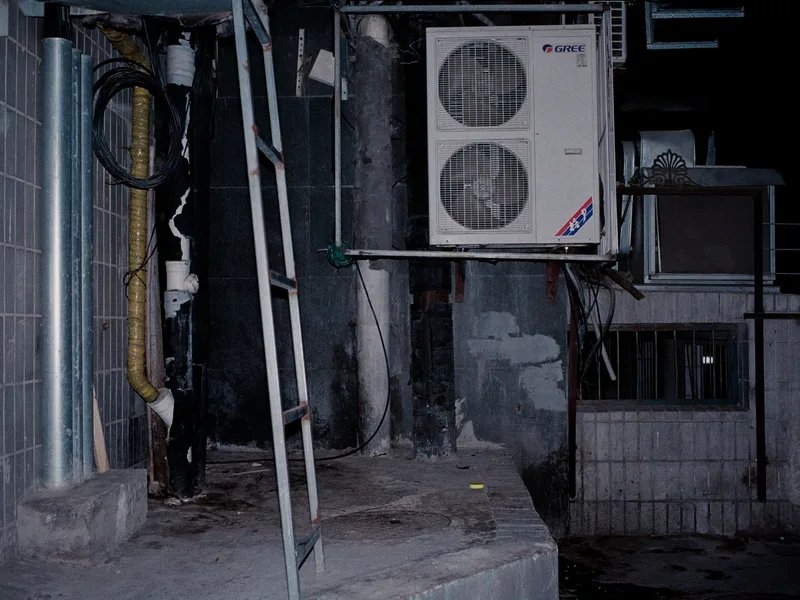
Air conditioning condensate
Air conditioning condensate from old flats may drain directly onto damp ground, creating permanent standing water at the wall base.
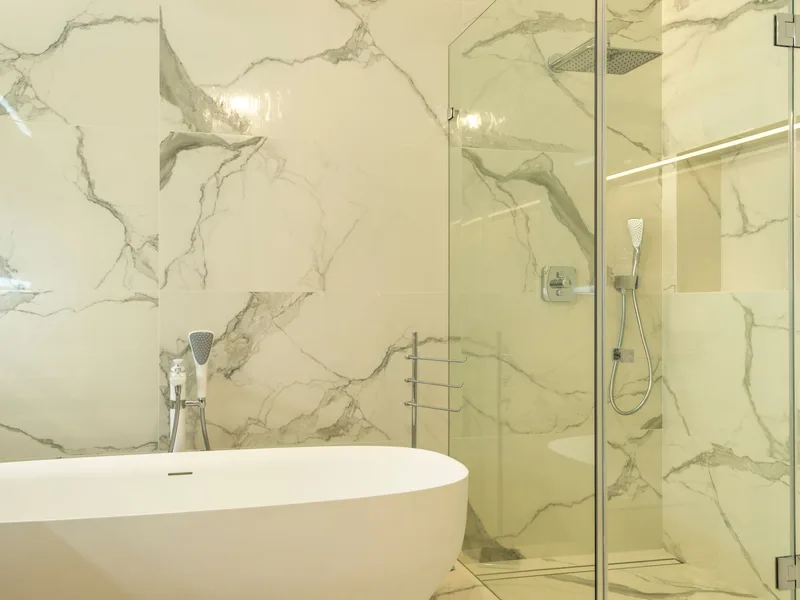
Floor drains
Ground floor drains in old houses may be bare earth or ancient underground channels that collect seeping water.
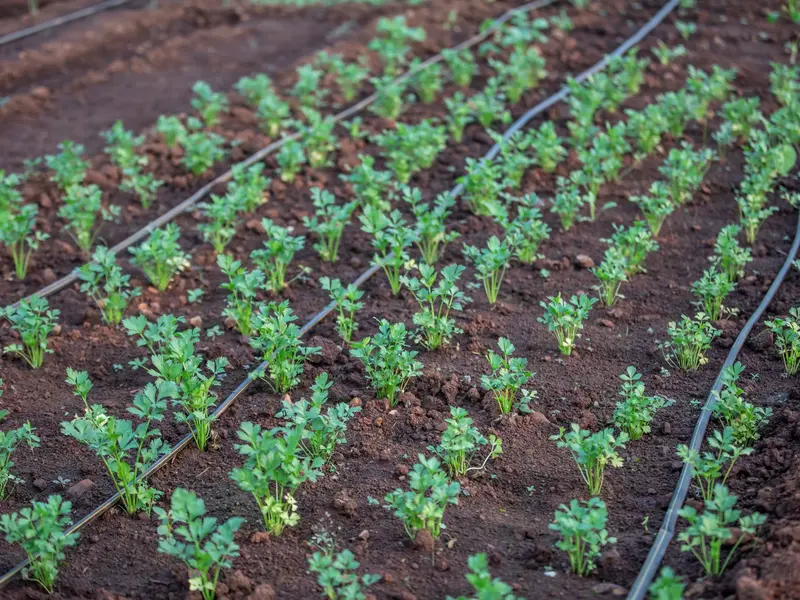
Irrigation against the wall
Irrigation on shared roofs and small courtyards seeps through cracks in the stone into the houses below.
The monitoring points
Monitoring points are placed at every gap between houses, at every entrance, and at each property in the lane at different heights.
How we work
-
1
The baseline survey
We walk the outside boundary and then the inside: gaps under doors, pipe runs, vents, condensate lines, drains, the bin area and the store, and we fix the monitoring points before anything is applied.
-
2
Close the routes
Mesh on the vents, the gap under the door dealt with, the sleeve around a pipe run closed, and water put back into the drain nobody uses. Exclusion saves a spray that would otherwise repeat forever.
-
3
The band and the placed product
A residual band at the base of the wall outside and around door and window openings, with placed product inside joints and closed voids where it is warranted, and no open spray across living surfaces.
-
4
The scheduled visit: read, renew, record
We read the points to see which side is under pressure, renew the band where sun or irrigation has taken it, aim the visit at what the coming season opens up, and write down what was found and what was used.
What the preventive programme includes
-

A survey, then a check every visit
Entry points, moisture sources and storage, recorded before anything is applied and revisited each time.
-

Monitoring points that get read
At the wall and floor junction, under sinks and in the store, checked on every visit rather than only the last one.
-

A renewed exterior band
At the wall base and around the openings, put back wherever sun or irrigation took it between visits.
-

Drains, water lines and waste
The water seal in the drains, the condensate line and the ground around the bins, which are the standing water and food sources.
-

Between the visits
What to keep dry, what to keep closed, and what is worth a call before the next date. Ventilation we tell you before the visit.
-

A scheduled visit and a record of each
An agreed date, what the points held, what was treated, and what changed since last time.
Landmarks of Al Shubaikah
Al Shubaikah runs from the historic Nasseef House to the north through to Al Shubaikah Cemetery in the south, with Souq Al Alawi woven between these landmarks. The work begins at the three main gateways and spreads through the interlocking narrow lanes that only residents navigate.
- The Grand Mosque
- Al Shubaikah Cemetery
- Jabal Omar
- Khalid ibn Al Walid Mosque
- Ibrahim Al Khalil Street
Questions about this district
Do ancient houses in Al Shubaikah need different treatment from modern homes?
Yes, very much so. Old stone absorbs moisture and the residual effect fades quickly. Treatment focuses on the cracks and voids in the stone and the external band is applied thinly to avoid damaging ancient masonry.
How does the programme manage the tight gaps between adjoining houses?
These gaps are perfect corridors for insects and cannot be sealed. The programme places monitoring points at their openings to detect movement. If signs appear, targeted spraying is applied within the gap itself.
Does the location next to the Grand Mosque affect the insect problem?
Yes, visitors and pilgrims bring luggage that may carry insects. Markets near the Haram are full of goods and food that attract insects. The programme focuses on entry points and the nearby shops where goods are stored.
How often is each lane inspected in the ancient houses?
Damp ancient lanes need frequent inspection. Monitoring points are placed at gap openings and at every entrance, read on every visit.
Does the programme cover shared roofs and the open spaces above the lanes?
Shared roofs and lane spaces above are treated as common areas. Monitoring points are placed there and targeted spraying applied if needed, but main treatment is on the exterior walls, not in the lane space itself.
Why might the old cemetery near Al Shubaikah affect insects and rodents?
Historic cemeteries have damp soil and underground voids that retain moisture. Rodents and scorpions may come from the cemetery. The programme pays special attention to entry points facing the cemetery direction.
How much does preventive treatment in Al Shubaikah cost?
It is set after the inspection, because the price follows the type of infestation, the size of the space, how far it has spread and the number of visits it needs. Send a photo and a description on WhatsApp and we will give you an estimate before we reach Al Shubaikah.
Nearby districts we cover
Other services in Al Shubaikah
Other services we provide to residents of Al Shubaikah.
-
 Residential
Cockroach control
Residential
Cockroach control
-
 Residential
Bed bug control
Residential
Bed bug control
-
 Residential
Termite control
Residential
Termite control
-
 Residential
Rodents and mice
Residential
Rodents and mice
-
 Residential
Mosquito control
Residential
Mosquito control
-
 Residential
Fly control
Residential
Fly control
-
 Residential
Ant control
Residential
Ant control
-
 Residential
Gecko control
Residential
Gecko control
-
 Residential
Scorpion control
Residential
Scorpion control
-
 Residential
Snake control
Residential
Snake control
-
 Residential
Flea control
Residential
Flea control
-
 Residential
Bird and pigeon control
Residential
Bird and pigeon control
-
 Residential
Disinfection
Residential
Disinfection
-
 Commercial
Annual contracts
Commercial
Annual contracts
-
 Commercial
Restaurants and cafes
Commercial
Restaurants and cafes
-
 Commercial
Hotels and apartments
Commercial
Hotels and apartments
-
 Commercial
Warehouses and factories
Commercial
Warehouses and factories
-
 Commercial
Schools and nurseries
Commercial
Schools and nurseries
-
 Commercial
Retail and malls
Commercial
Retail and malls
-
 Commercial
Rest houses and farms
Commercial
Rest houses and farms
-
 Commercial
Fumigation
Commercial
Fumigation
-
 Water tanks
Water tank cleaning
Water tanks
Water tank cleaning
-
 Water tanks
Water tank sterilization
Water tanks
Water tank sterilization
-
 Water tanks
Water tank sealing
Water tanks
Water tank sealing
-
 Water tanks
Tank leak repair
Water tanks
Tank leak repair
Need preventive treatment in Al Shubaikah? Tell us what you saw and we will tell you what it needs
We reach Al Shubaikah at a time we agree, and you get the full cost before we start.