

Preventive treatment in Al Zahra Makkah
Al Zahra is a densely built residential quarter between Umm Al Qura Road and Al Mansour Street, Al Diyafah to the north, Al Hindawiyah to the south, Al Ghazza to the east and An Nuzhah to the west. Apartment buildings stand very close together on small land cut by narrow streets and Al Mansour Bridge. Services are old, popular markets and restaurants leave waste and odours, and seasonal wadis pass nearby raising moisture sharply.
-
Targeted, not broadcast
Product goes into cracks and runways, never sprayed across open surfaces.
-
Told before we start
What we will use, where it goes, and what to cover or move before we arrive.
-
A follow-up visit
We return after the first treatment, because what survives it does not show on the day.
-
Homes and businesses
Apartments and villas, and kitchens and stores that need a record of each visit.
Why they keep coming back in Al Zahra
Ground floor flats in Al Zahra are exposed to sustained moisture from the markets, restaurants and shared drains, and pressure is far higher than other quarters. The method is set out in full on how we approach Preventive treatment.
Popular markets generate very high pressure on nearby flats
Utaybiyah market and other local markets attract insects from food, oils and waste. Insects migrate from markets to adjacent flats and shared passages. Your programme focuses on ground floor flats and passages, and advises expanding treatment to the markets themselves.
Seasonal wadis bring very high moisture levels
Wadi Al Zahir and Wadi Al Tanim pass close to Al Zahra and carry seasonal floods. Floodwater raises moisture around foundations and building undersides. Points on the eastern and northern sides track moisture from the wadis.
Narrow dark passages provide safe insect highways
Passages between flats are very tight, dark and retain moisture constantly. Insects move easily between flats through passages and shared gaps. Points in passages tell you when migration becomes dangerous.
Landmarks of Al Zahra
Visits are organised around Umm Al Qura Road, Al Mansour Bridge and access to the markets for coordination. Work begins at Al Mansour Street on the western edge and moves through the densely packed blocks to Hussain Arab Street on the eastern side.
- Umm Al Qura Road
- Al Mansour Street
- Al Mansour Bridge
- Abdullah Arif Road
- Hussain Arab Street
What a preventive visit reads
An extremely densely built residential quarter with closely packed apartment blocks, old services and crowded popular markets, near seasonal wadis that carry flood water.
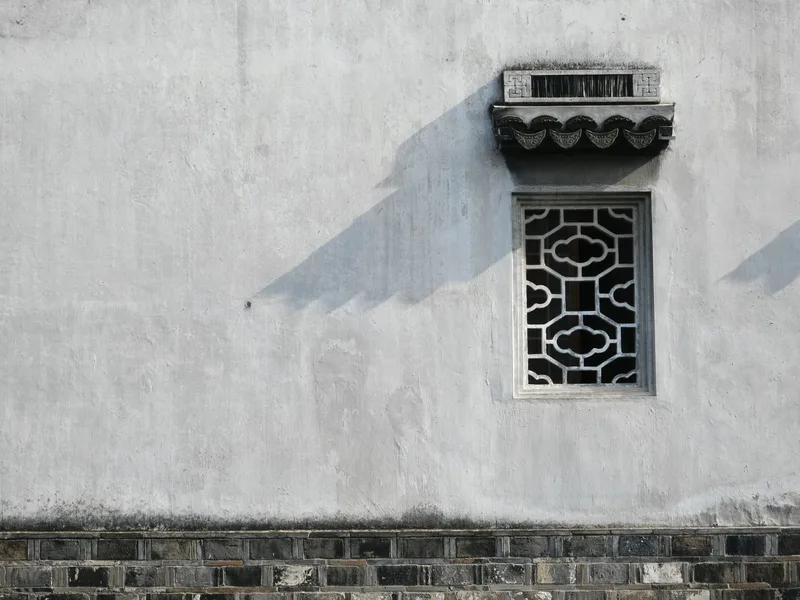
The base of the outside wall
The base of the external wall in Al Zahra is constantly damp from markets, wadis and shared drains, so the band is applied thick and moisture is measured every week.
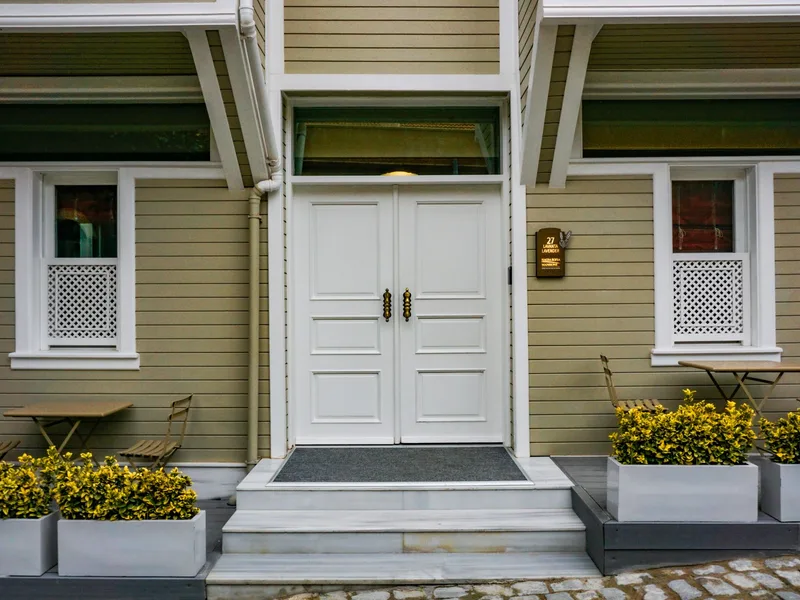
Gaps and openings
Gaps around windows and doors in old blocks are wide and the barrier closes them thick, but shared gaps on stairs and passages need agreement from every resident before sealing.
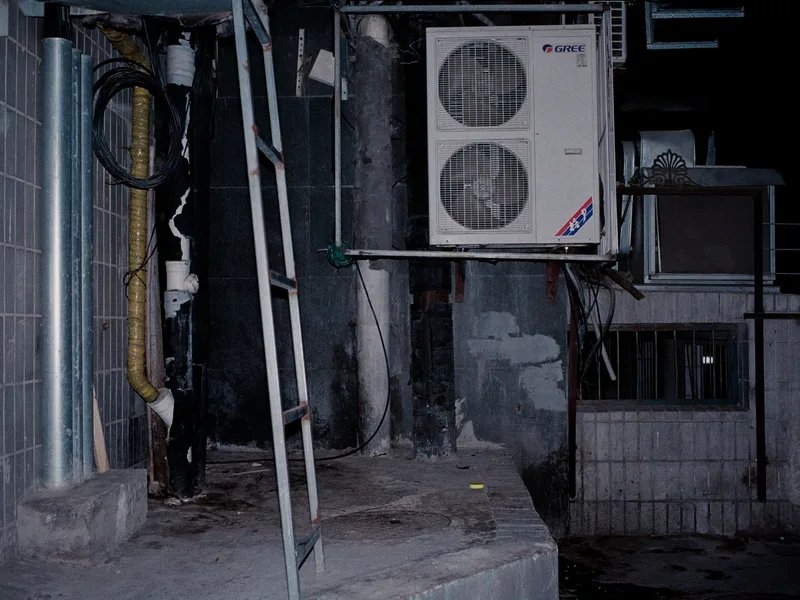
Air conditioning condensate
Air conditioning condensate from each flat drips to lower flats and passages, making foundation moisture extremely high, so the band is renewed every six months.
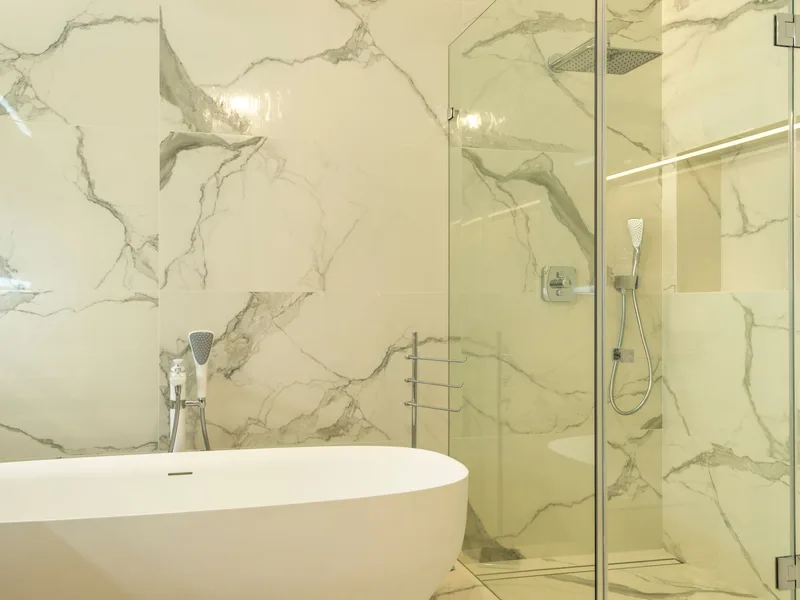
Floor drains
Old floor drains are very loose and leak water to the foundation from markets and passages, so the band covers the foundation and moisture is measured on every external wall.
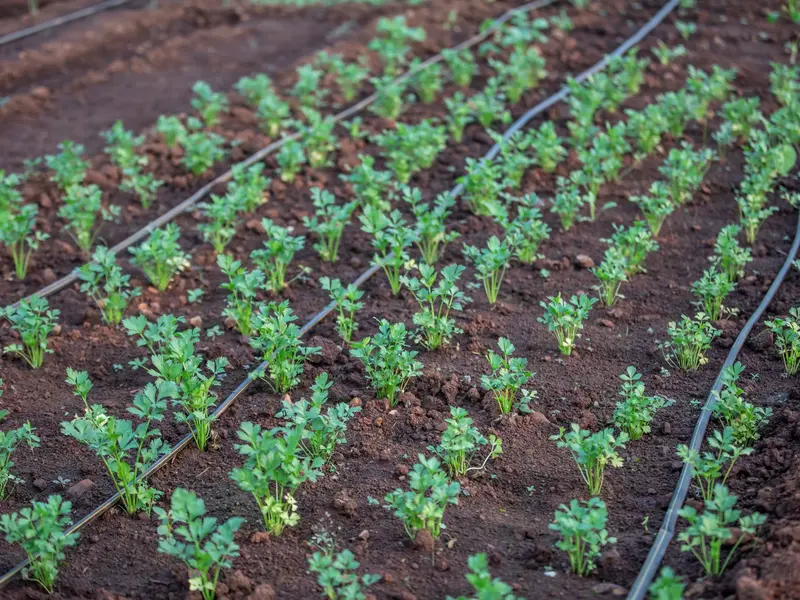
Irrigation against the wall
Irrigation from markets and restaurants raises moisture on the northern and eastern sides of the apartment buildings, so the band extends very far and very deep.
The monitoring points
Monitoring points are read every week in Al Zahra because pressure is extremely high from markets, wadis and sustained moisture, and points tell you when floods approach.
How we work
-
1
The baseline survey
We walk the outside boundary and then the inside: gaps under doors, pipe runs, vents, condensate lines, drains, the bin area and the store, and we fix the monitoring points before anything is applied.
-
2
Close the routes
Mesh on the vents, the gap under the door dealt with, the sleeve around a pipe run closed, and water put back into the drain nobody uses. Exclusion saves a spray that would otherwise repeat forever.
-
3
The band and the placed product
A residual band at the base of the wall outside and around door and window openings, with placed product inside joints and closed voids where it is warranted, and no open spray across living surfaces.
-
4
The scheduled visit: read, renew, record
We read the points to see which side is under pressure, renew the band where sun or irrigation has taken it, aim the visit at what the coming season opens up, and write down what was found and what was used.
What the preventive programme includes
-

A survey, then a check every visit
Entry points, moisture sources and storage, recorded before anything is applied and revisited each time.
-

Monitoring points that get read
At the wall and floor junction, under sinks and in the store, checked on every visit rather than only the last one.
-

A renewed exterior band
At the wall base and around the openings, put back wherever sun or irrigation took it between visits.
-

Drains, water lines and waste
The water seal in the drains, the condensate line and the ground around the bins, which are the standing water and food sources.
-

Between the visits
What to keep dry, what to keep closed, and what is worth a call before the next date. Ventilation we tell you before the visit.
-

A scheduled visit and a record of each
An agreed date, what the points held, what was treated, and what changed since last time.
What is different about Al Utaybiyah Sub-Municipality
Al Utaybiyah sub municipality covers the old districts north of the Grand Mosque: the hillside quarters of Al Hajun, Al Utaybiyah and Al Bayban, Al Zahir and Al Shuhada at the northern entrance, and the newer Al Zahra, Al Diyafah and An Nuzhah westward. Its building stock is among the oldest in Makkah, stone houses on the hills, packed apartment blocks and sewers decades old, threaded with crowded markets like the Utaybiyah souq and furnished flats that fill in the pilgrim seasons. Wadi Al Zahir and Wadi Al Tanim carry storm water through it, and industrial workshops line Hajj Street.
Questions about this district
Are the popular markets around Al Zahra a permanent source of insects?
Yes, especially during Hajj and Umrah seasons markets generate very high pressure. Your programme focuses on flats beside markets and monitors passages densely.
Are ground floor flats far more affected than upper floors?
Yes, greatly. Ground floors retain moisture from markets and shared drains. The programme emphasises ground floors and passage doors on all levels.
How often do preventive visits come to Al Zahra?
Visits come weekly during Hajj and Umrah seasons and every two weeks in other months. Points are read every week throughout the year.
Does sealing shared gaps need approval from all residents?
Yes, shared gaps need agreement. The programme starts by sealing gaps at door and window on your side, then recommends shared gap sealing to all residents.
Does Al Mansour Bridge near Al Zahra affect moisture levels?
The bridge is elevated but drainage water may accumulate around it. Monitoring is denser on the northern side adjacent to the bridge.
Do nearby wadis carry insects directly to Al Zahra during floods?
Yes in flood season. Wadi Al Zahir and Wadi Al Tanim carry larvae and insects. Points on the eastern side tell you when floods approach.
How much does preventive treatment in Al Zahra cost?
It is set after the inspection, because the price follows the type of infestation, the size of the space, how far it has spread and the number of visits it needs. Send a photo and a description on WhatsApp and we will give you an estimate before we reach Al Zahra.
Nearby districts we cover
Other services in Al Zahra
Other services we provide to residents of Al Zahra.
-
 Residential
Cockroach control
Residential
Cockroach control
-
 Residential
Bed bug control
Residential
Bed bug control
-
 Residential
Termite control
Residential
Termite control
-
 Residential
Rodents and mice
Residential
Rodents and mice
-
 Residential
Mosquito control
Residential
Mosquito control
-
 Residential
Fly control
Residential
Fly control
-
 Residential
Ant control
Residential
Ant control
-
 Residential
Gecko control
Residential
Gecko control
-
 Residential
Scorpion control
Residential
Scorpion control
-
 Residential
Snake control
Residential
Snake control
-
 Residential
Flea control
Residential
Flea control
-
 Residential
Bird and pigeon control
Residential
Bird and pigeon control
-
 Residential
Disinfection
Residential
Disinfection
-
 Commercial
Annual contracts
Commercial
Annual contracts
-
 Commercial
Restaurants and cafes
Commercial
Restaurants and cafes
-
 Commercial
Hotels and apartments
Commercial
Hotels and apartments
-
 Commercial
Warehouses and factories
Commercial
Warehouses and factories
-
 Commercial
Schools and nurseries
Commercial
Schools and nurseries
-
 Commercial
Retail and malls
Commercial
Retail and malls
-
 Commercial
Rest houses and farms
Commercial
Rest houses and farms
-
 Commercial
Fumigation
Commercial
Fumigation
-
 Water tanks
Water tank cleaning
Water tanks
Water tank cleaning
-
 Water tanks
Water tank sterilization
Water tanks
Water tank sterilization
-
 Water tanks
Water tank sealing
Water tanks
Water tank sealing
-
 Water tanks
Tank leak repair
Water tanks
Tank leak repair
Need preventive treatment in Al Zahra? Tell us what you saw and we will tell you what it needs
We reach Al Zahra at a time we agree, and you get the full cost before we start.