
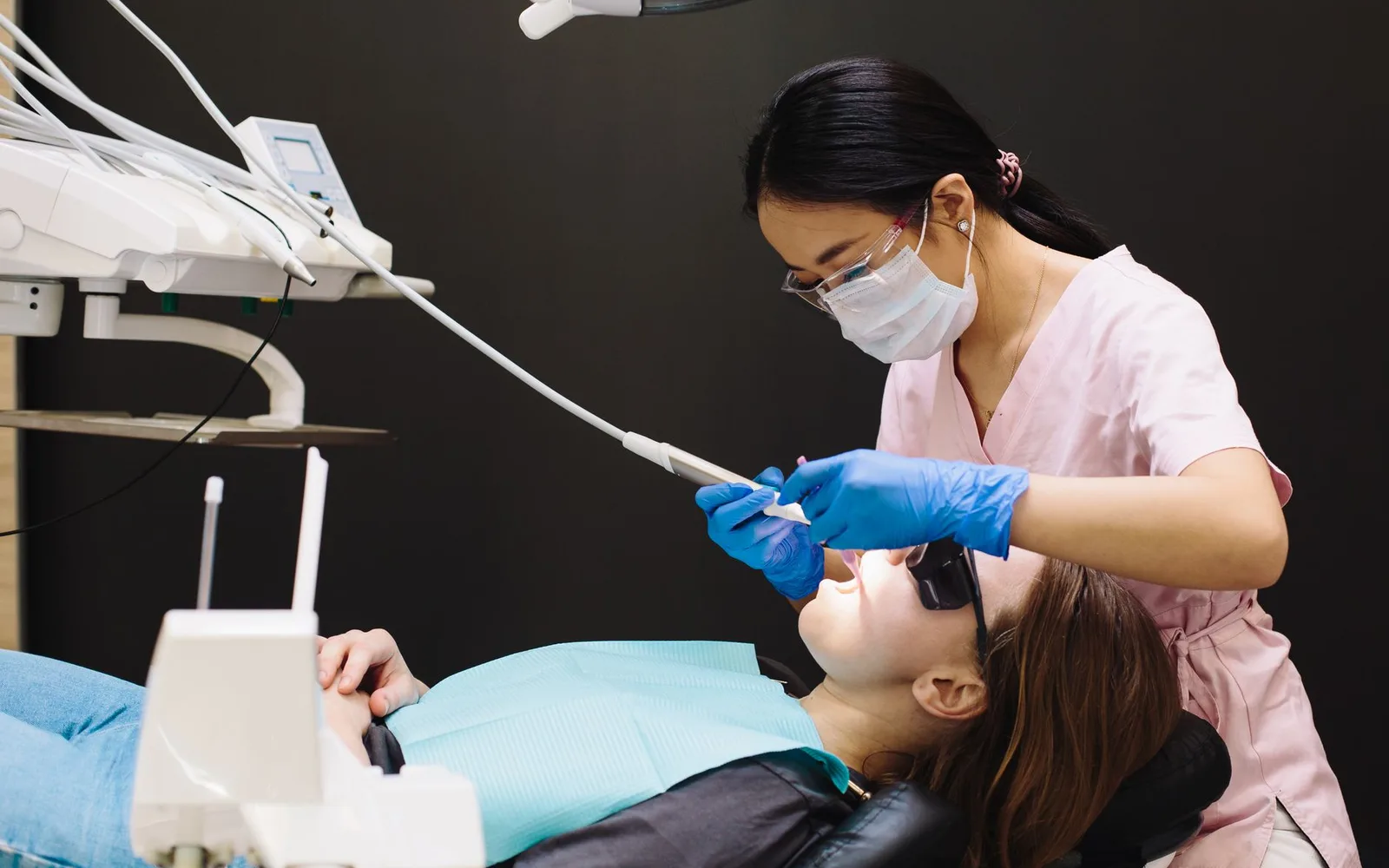
Preventive treatment in Harat Abu Zayd Jeddah
Harat Abu Zayd is one of Thuwal's nine quarters on the Red Sea coast north of Jeddah, where older popular housing stands beside newer concrete construction. Coastal humidity, salt air and proximity to fish markets and food sources create ideal insect conditions, and the tight lanes between the Jeddah Madinah Road and Thuwal Corniche make control here a specific challenge requiring deep knowledge of narrow passages and shared drainage systems.
-
Targeted, not broadcast
Product goes into cracks and runways, never sprayed across open surfaces.
-
Told before we start
What we will use, where it goes, and what to cover or move before we arrive.
-
A follow-up visit
We return after the first treatment, because what survives it does not show on the day.
-
Homes and businesses
Apartments and villas, and kitchens and stores that need a record of each visit.
Why they keep coming back in Harat Abu Zayd
Insects here differ from inland districts: coastal mosquitoes, sea scorpions, fleas and sand flies dominate, not cockroaches alone, and the species mix changes with tide and season. The method is set out in full on what Preventive treatment involves.
Salt and humidity accelerate decay and gap formation
Salt air and coastal humidity erode iron, wood and mortar much faster than inland conditions do, so gaps between old stone blocks and around windows are larger here than in interior districts. Even new houses develop widening gaps quickly, and insects enter through gaps that are both wider and deeper than in comparable inland buildings.
Permanent food sources from fish markets and daily catch
Fish markets and seafood handling attract insects intensely, and food waste is not cleared as quickly as in modern suburbs. Poultry and livestock in the quarter leave droppings that attract rodents and flies heavily, keeping constant pressure on local homes.
Narrow lanes and gaps between houses concentrate insects
Tight passageways, relative darkness and poor ventilation create ideal conditions for rodent and nocturnal insect aggregation. Insects hide in narrow lanes unseen and enter homes at night, making street level monitoring critical in Harat Abu Zayd.
Harat Abu Zayd on the map
Harat Abu Zayd sits about 0.5 km from Harat Al Sawalhah and about 0.5 km from Harat Al Amir.
Open in Google MapsWhat a preventive visit reads
A fishing town on the Red Sea coast north of Jeddah with older traditional buildings alongside newer concrete expansion, high humidity and salt air affect all structures, and the lanes are narrow and densely interconnected.
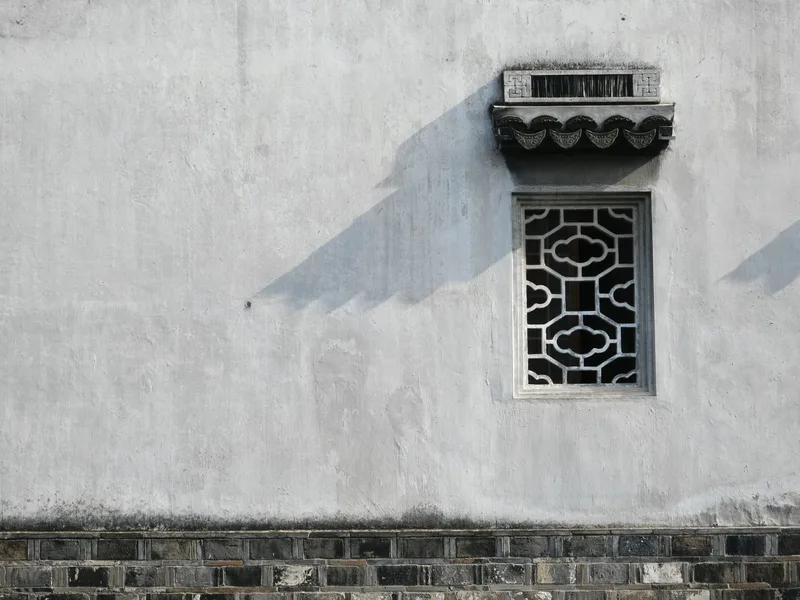
The base of the outside wall
The base of the outside wall decays faster by salt and moisture here than inland; the external band must be thick, salt resistant and checked every visit to ensure it remains intact.
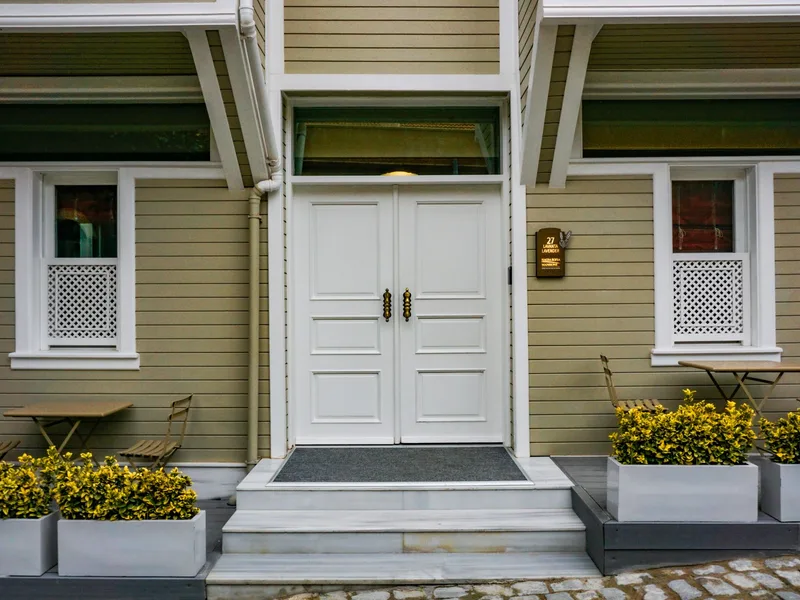
Gaps and openings
Gaps between old stone masonry and new construction are larger and deeper here than anywhere else; permanently sealing these gaps reduces insect entry far more dramatically than in other quarters.
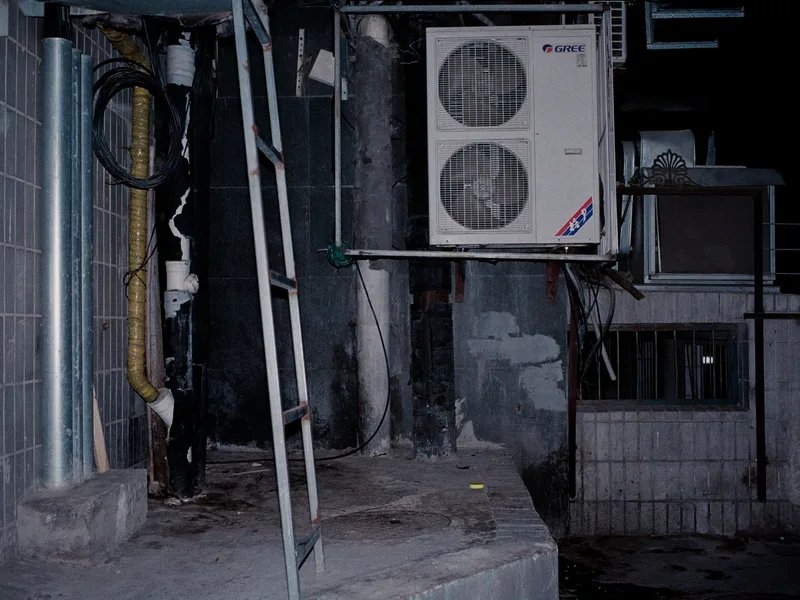
Air conditioning condensate
Air conditioning drains and water lines carry salt and minerals that deposit inside pipes, creating warm damp environments that attract insects even in the absence of food sources.
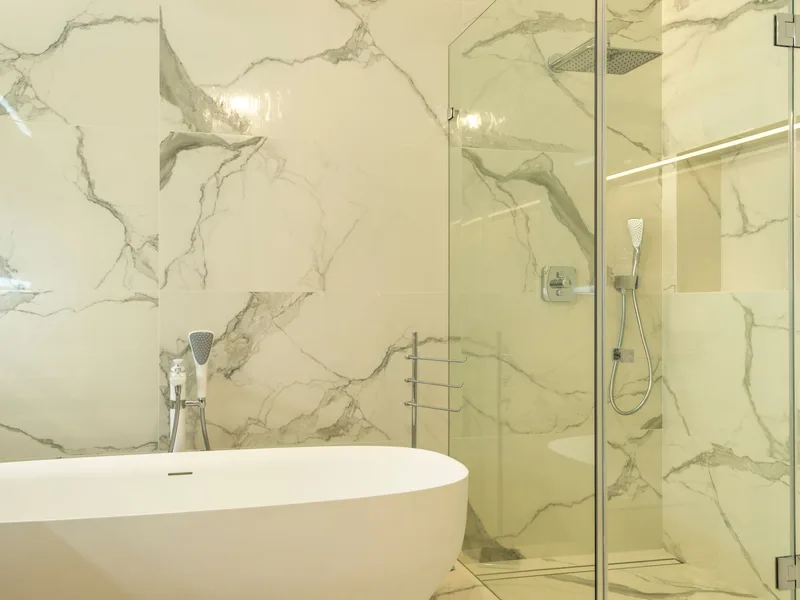
Floor drains
Floor drains in old houses may be exposed or broken, and standing water beside walls creates breeding sites for coastal mosquitoes and aquatic insect species specific to salt environments.
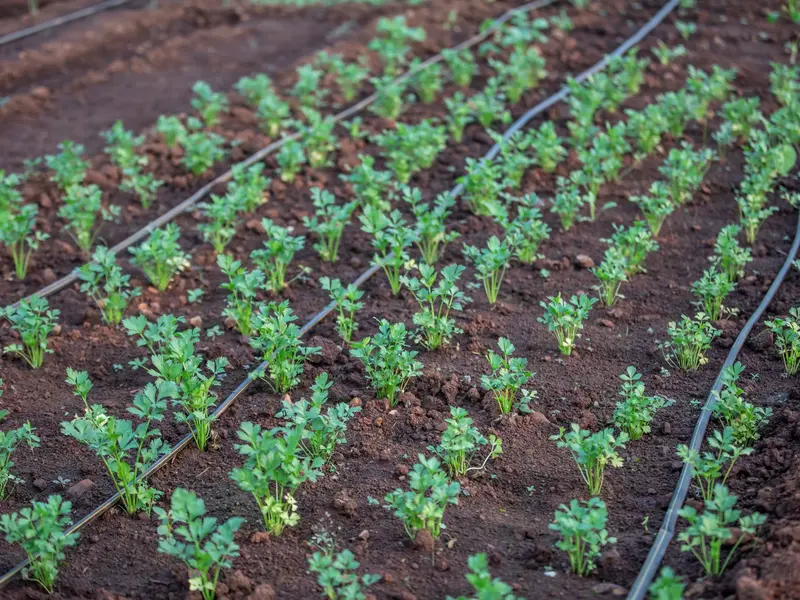
Irrigation against the wall
Water pooling or irrigation near outside walls is common here from air conditioning leaks and salt water seepage; monitoring points must inspect these areas continuously as they sustain breeding cycles.
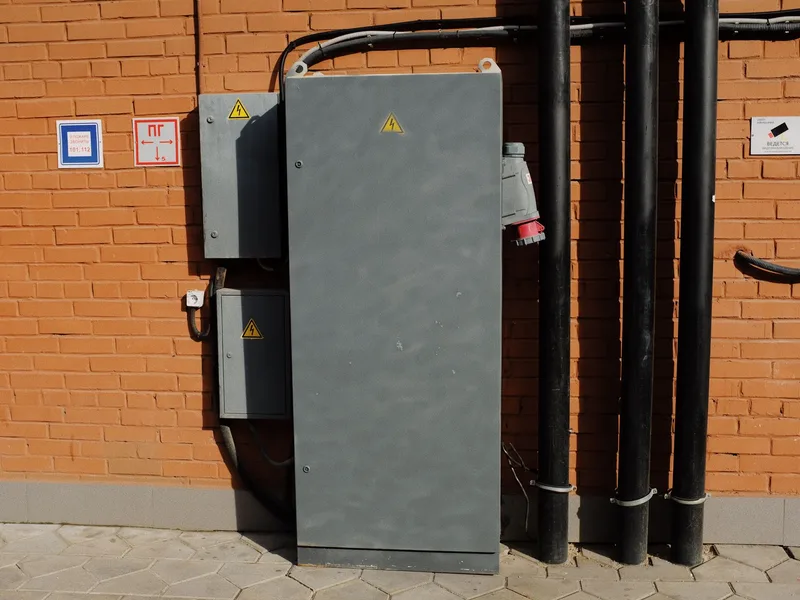
The monitoring points
Monitoring points in narrow lanes and shade need extra protection from salt and moisture damage, and may need replacement more frequently than monitoring points in other districts.
How we work
-
1
The baseline survey
We walk the outside boundary and then the inside: gaps under doors, pipe runs, vents, condensate lines, drains, the bin area and the store, and we fix the monitoring points before anything is applied.
-
2
Close the routes
Mesh on the vents, the gap under the door dealt with, the sleeve around a pipe run closed, and water put back into the drain nobody uses. Exclusion saves a spray that would otherwise repeat forever.
-
3
The band and the placed product
A residual band at the base of the wall outside and around door and window openings, with placed product inside joints and closed voids where it is warranted, and no open spray across living surfaces.
-
4
The scheduled visit: read, renew, record
We read the points to see which side is under pressure, renew the band where sun or irrigation has taken it, aim the visit at what the coming season opens up, and write down what was found and what was used.
What the preventive programme includes
-

A survey, then a check every visit
Entry points, moisture sources and storage, recorded before anything is applied and revisited each time.
-

Monitoring points that get read
At the wall and floor junction, under sinks and in the store, checked on every visit rather than only the last one.
-

A renewed exterior band
At the wall base and around the openings, put back wherever sun or irrigation took it between visits.
-

Drains, water lines and waste
The water seal in the drains, the condensate line and the ground around the bins, which are the standing water and food sources.
-

Between the visits
What to keep dry, what to keep closed, and what is worth a call before the next date. Ventilation we tell you before the visit.
-

A scheduled visit and a record of each
An agreed date, what the points held, what was treated, and what changed since last time.
Landmarks of Harat Abu Zayd
Work in Harat Abu Zayd is organised by its position between Jeddah Madinah Road, which links it to interior districts, and Thuwal Corniche, which defines its coastal character and insect traffic. Visits concentrate on the boundary zone between town and water, where fish handling activity and marine-borne insect sources are most dense.
- Jeddah Madinah Road
- King Abdullah University of Science and Technology
- Thuwal Corniche
Questions about this district
Does salt and moisture reduce the effectiveness of preventive treatment in the quarter?
Salt does accelerate degradation of some surface layers, but the external band is formulated to resist it. We may select salt resistant products or shorten the visit interval slightly during high humidity seasons.
Are coastal insects different from insects in inland districts?
Yes, significantly. Coastal mosquitoes, scorpions, sand flies and marine crustaceans under walls require additional monitoring points positioned near the shore and in damp corners.
How often does the preventive programme visit a location with year round high humidity like Thuwal?
Every three weeks to a month typically, varying with season. Summer months may need weekly visits because combined heat and humidity accelerate breeding cycles dramatically.
Are newly built homes in the quarter less exposed than old houses?
New houses are better initially, but salt and humidity accelerate gap formation in them too. After two or three years the difference between new and old housing becomes much less noticeable.
Do fish markets and fishing activity bring extra insects to the quarter?
Intensely. Fish scraps, oils and salt attract specific insect species rare in other districts. Preventive treatment prioritises market areas and storage zones first to reduce that pressure.
Do tight lanes and internal passages need special preventive treatment?
Yes. Narrow passages, corners, damp dark places require extra monitoring points and stronger targeted spraying because insects aggregate there in high densities.
How much does preventive treatment in Harat Abu Zayd cost?
It is set after the inspection, because the price follows the type of infestation, the size of the space, how far it has spread and the number of visits it needs. Send a photo and a description on WhatsApp and we will give you an estimate before we reach Harat Abu Zayd.
Nearby districts we cover
Other services in Harat Abu Zayd
Other services we provide to residents of Harat Abu Zayd.
-
 Residential
Cockroach control
Residential
Cockroach control
-
 Residential
Bed bug control
Residential
Bed bug control
-
 Residential
Termite control
Residential
Termite control
-
 Residential
Rodents and mice
Residential
Rodents and mice
-
 Residential
Mosquito control
Residential
Mosquito control
-
 Residential
Fly control
Residential
Fly control
-
 Residential
Ant control
Residential
Ant control
-
 Residential
Gecko control
Residential
Gecko control
-
 Residential
Scorpion control
Residential
Scorpion control
-
 Residential
Snake control
Residential
Snake control
-
 Residential
Flea control
Residential
Flea control
-
 Residential
Bird and pigeon control
Residential
Bird and pigeon control
-
 Residential
Disinfection
Residential
Disinfection
-
 Commercial
Annual contracts
Commercial
Annual contracts
-
 Commercial
Restaurants and cafes
Commercial
Restaurants and cafes
-
 Commercial
Hotels and apartments
Commercial
Hotels and apartments
-
 Commercial
Warehouses and factories
Commercial
Warehouses and factories
-
 Commercial
Schools and nurseries
Commercial
Schools and nurseries
-
 Commercial
Retail and malls
Commercial
Retail and malls
-
 Commercial
Rest houses and farms
Commercial
Rest houses and farms
-
 Commercial
Fumigation
Commercial
Fumigation
-
 Water tanks
Water tank cleaning
Water tanks
Water tank cleaning
-
 Water tanks
Water tank sterilization
Water tanks
Water tank sterilization
-
 Water tanks
Water tank sealing
Water tanks
Water tank sealing
-
 Water tanks
Tank leak repair
Water tanks
Tank leak repair
Need preventive treatment in Harat Abu Zayd? Tell us what you saw and we will tell you what it needs
We reach Harat Abu Zayd at a time we agree, and you get the full cost before we start.