

Preventive treatment in Mushrifah Jeddah
Mushrifah is a high-density apartment district where shared entrances and stacked floors create common pathways for insects between units. Preventive treatment here cuts those routes before they start, with a residual band at the wall base outside and monitoring points read every visit, because one building's infestation can reach its neighbour if the boundaries are not held.
-
Targeted, not broadcast
Product goes into cracks and runways, never sprayed across open surfaces.
-
Told before we start
What we will use, where it goes, and what to cover or move before we arrive.
-
A follow-up visit
We return after the first treatment, because what survives it does not show on the day.
-
Homes and businesses
Apartments and villas, and kitchens and stores that need a record of each visit.
Why they keep coming back in Mushrifah
Rental apartments in Mushrifah turn over quickly, and each move brings used furniture from outside, carrying insects with it in both summer and winter seasons. The method is set out in full on the full Preventive treatment page.
Insects cross from one unit to the next through shared walls
In apartment blocks, cockroaches and ants need not cross the street. The walls between units are thin, the pipes are shared, and electrical conduits breach the divisions at dozens of points. A strong residual band at the building base outside cuts off the insects before they enter the structure.
Commercial spaces below the flats are a constant source
Makarona Road is lined with restaurants, bakeries and groceries stacked under residential units. Moisture, crumbs and cooking oils from the shops below rise into the flats through cracks, shared drains and ventilation gaps, drawing insects upward into the homes.
Monitoring points reveal simultaneous pressure waves
When one building is pressed by pest activity, insects escape to neighbouring blocks through shared walls. Reading the monitoring points tells us where the real pressure is, and the timing of the next visit is drawn from what the points report, not from a fixed schedule.
The character of Mushrifah
Apartment district: residential blocks, repeated floors and shared entrances
Stacked apartment units mean insects need not travel far. Each flat is exposed to the one below it, beside it and above it directly. The preventive programme focuses on outer and inner boundaries, not full-scale infestation control, but on cutting the routes.
What a preventive visit reads
An inland district cut across by Madinah Road, King Fahd Road and Prince Majid Road, with dense apartment blocks rising above shops and medical complexes. Makarona Road runs through it busy with restaurants and retail.
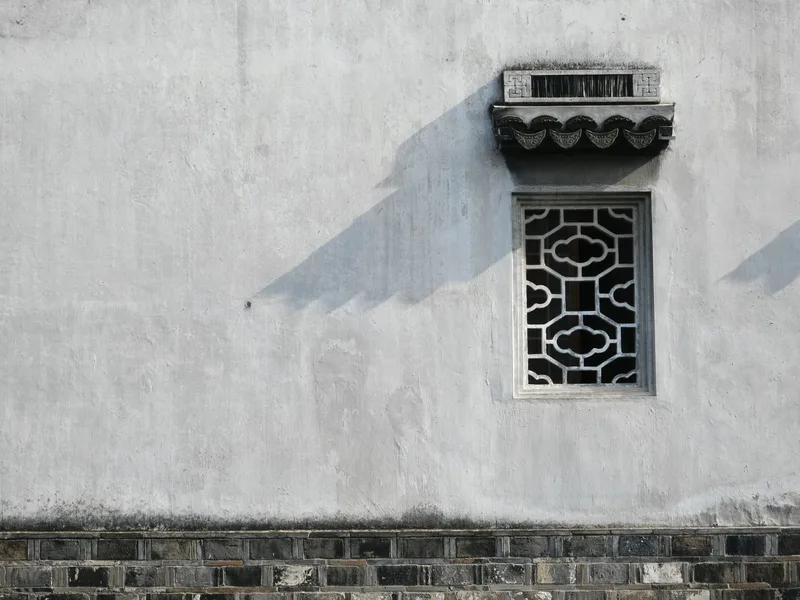
The base of the outside wall
The wall base in Mushrifah faces moisture from busy Makarona Road and drainage from shops below, so the residual band here is thicker and stronger than in other districts.
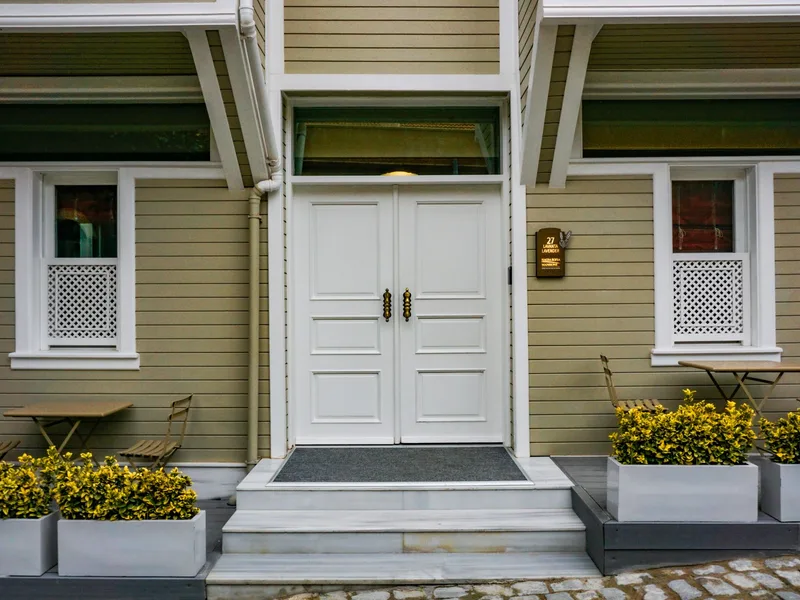
Gaps and openings
Gaps between flats and runs for electricity, water and drains pierce the shared walls at many points, and each gap is an open highway for insects between units.
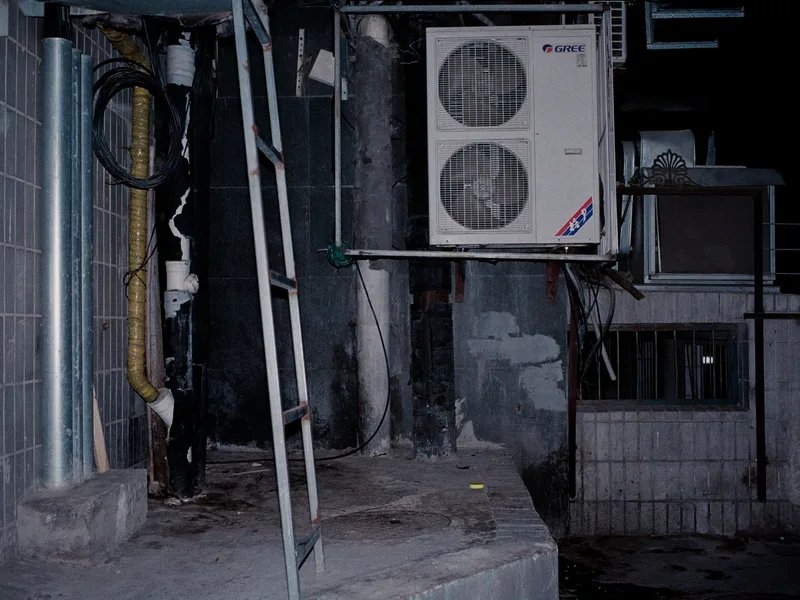
Air conditioning condensate
Air conditioning condensate from thousands of flats creates permanent moisture at the building base, attracting insects and mould together.
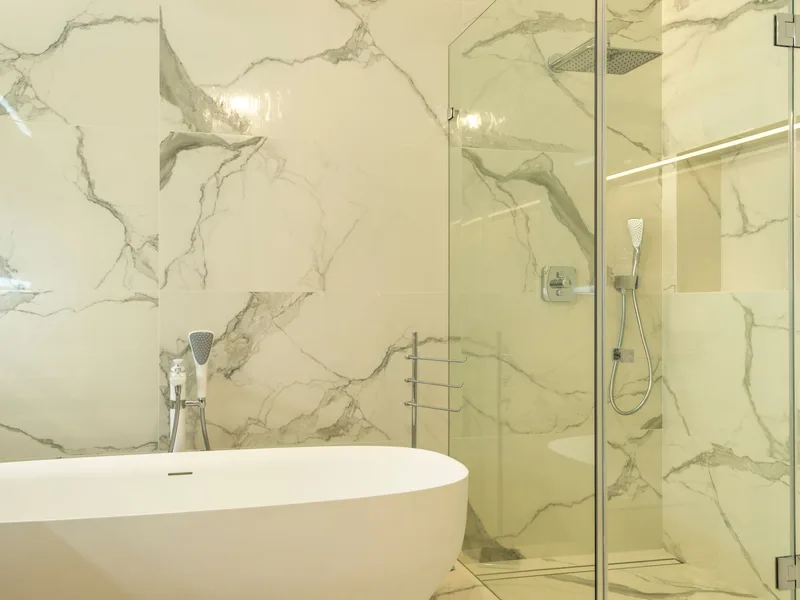
Floor drains
Floor drains in flat kitchens and bathrooms may be old and cracked, and insects return up through them into the home, so we monitor them every visit.
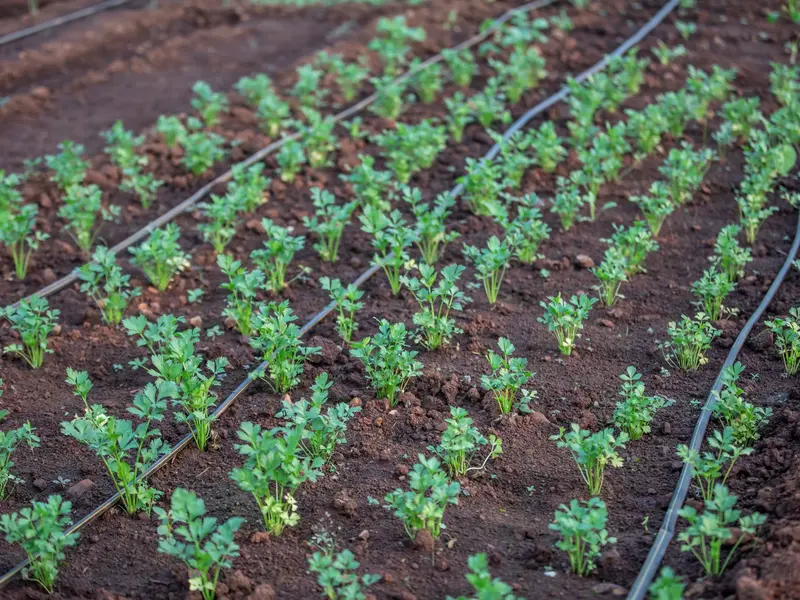
Irrigation against the wall
Irrigation against the shared entrance wall may be irregular, and pooled water there creates an environment for mosquito and moist-loving insect breeding.
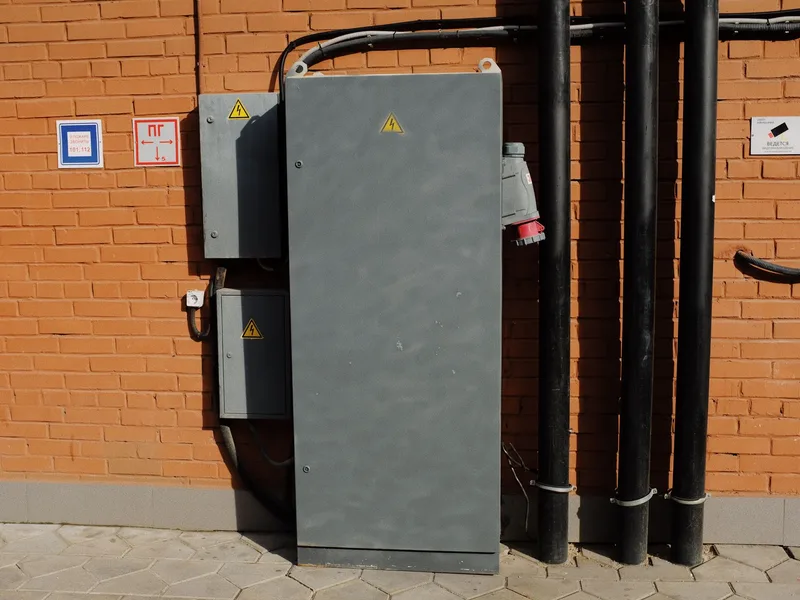
The monitoring points
We place monitoring points on the outside wall at the building base, at ventilation openings, at the shared entrance, and inside the flat at kitchen, bathroom and door.
How we work
-
1
The baseline survey
We walk the outside boundary and then the inside: gaps under doors, pipe runs, vents, condensate lines, drains, the bin area and the store, and we fix the monitoring points before anything is applied.
-
2
Close the routes
Mesh on the vents, the gap under the door dealt with, the sleeve around a pipe run closed, and water put back into the drain nobody uses. Exclusion saves a spray that would otherwise repeat forever.
-
3
The band and the placed product
A residual band at the base of the wall outside and around door and window openings, with placed product inside joints and closed voids where it is warranted, and no open spray across living surfaces.
-
4
The scheduled visit: read, renew, record
We read the points to see which side is under pressure, renew the band where sun or irrigation has taken it, aim the visit at what the coming season opens up, and write down what was found and what was used.
What the preventive programme includes
-

A survey, then a check every visit
Entry points, moisture sources and storage, recorded before anything is applied and revisited each time.
-

Monitoring points that get read
At the wall and floor junction, under sinks and in the store, checked on every visit rather than only the last one.
-

A renewed exterior band
At the wall base and around the openings, put back wherever sun or irrigation took it between visits.
-

Drains, water lines and waste
The water seal in the drains, the condensate line and the ground around the bins, which are the standing water and food sources.
-

Between the visits
What to keep dry, what to keep closed, and what is worth a call before the next date. Ventilation we tell you before the visit.
-

A scheduled visit and a record of each
An agreed date, what the points held, what was treated, and what changed since last time.
What is different about Al Aziziyah Sub-Municipality
The Al Aziziyah sub municipality takes in the established heart of northern Jeddah, from the Al Hamra corniche on the Red Sea to Al Rehab east of King Abdullah Road. Its buildings date back decades, mostly mid rise apartment blocks over shops and closely packed restaurants along Makarona Road, Tahliah Street and Palestine Street, alongside villas and hotel towers near the shore. Sea humidity is high in the western districts, plumbing and drainage in the older blocks are ageing, and food outlets, hospitals and irrigated gardens are everywhere, conditions that favour cockroaches, ants, mosquitoes and rodents throughout the year.
Questions about this district
Does a flat in a block need protection if nothing is visible yet?
Yes. Flats stacked tightly in Mushrifah are exposed to insects from adjacent units and from shops below, even if your own unit is spotlessly clean. A preventive programme stops insects before they enter, and costs far less than treating a full infestation after it takes hold.
What if insects are coming in from the neighbouring flat?
We concentrate on gaps, pipes and electrical runs along the shared wall, with intensive monitoring there. If the neighbouring flat has not been treated, we alert the owner. Preventive treatment on your side cuts the path even if the other flat remains a constant source.
Is the preventive programme safe for children living in the flat?
Yes. The residual band is placed on the outside at the wall base, away from children's reach, and the products used meet safety standards for occupied spaces, including homes with children and pets.
What is the real difference between preventive and full treatment?
Preventive treatment stops insects before entry, costs less and acts faster. Full infestation treatment requires intensive spraying, sealing the unit and leaving for hours, and takes days to clear. Prevention works while you live in your home.
Does a preventive programme cover the water tank?
Water tanks need separate cleaning and disinfection work. We recommend tank cleaning every six months and blocking the air vent with fine mesh to keep mosquitoes out.
How often do the preventive visits come in a month?
Visits start every two to three weeks and change based on what the monitoring points show and what the season brings. Summer visits may increase because insects are more active, and winter may ease if the points stay clean.
How much does preventive treatment in Mushrifah cost?
It is set after the inspection, because the price follows the type of infestation, the size of the space, how far it has spread and the number of visits it needs. Send a photo and a description on WhatsApp and we will give you an estimate before we reach Mushrifah.
Nearby districts we cover
Other services in Mushrifah
Other services we provide to residents of Mushrifah.
-
 Residential
Cockroach control
Residential
Cockroach control
-
 Residential
Bed bug control
Residential
Bed bug control
-
 Residential
Termite control
Residential
Termite control
-
 Residential
Rodents and mice
Residential
Rodents and mice
-
 Residential
Mosquito control
Residential
Mosquito control
-
 Residential
Fly control
Residential
Fly control
-
 Residential
Ant control
Residential
Ant control
-
 Residential
Gecko control
Residential
Gecko control
-
 Residential
Scorpion control
Residential
Scorpion control
-
 Residential
Snake control
Residential
Snake control
-
 Residential
Flea control
Residential
Flea control
-
 Residential
Bird and pigeon control
Residential
Bird and pigeon control
-
 Residential
Disinfection
Residential
Disinfection
-
 Commercial
Annual contracts
Commercial
Annual contracts
-
 Commercial
Restaurants and cafes
Commercial
Restaurants and cafes
-
 Commercial
Hotels and apartments
Commercial
Hotels and apartments
-
 Commercial
Warehouses and factories
Commercial
Warehouses and factories
-
 Commercial
Schools and nurseries
Commercial
Schools and nurseries
-
 Commercial
Retail and malls
Commercial
Retail and malls
-
 Commercial
Rest houses and farms
Commercial
Rest houses and farms
-
 Commercial
Fumigation
Commercial
Fumigation
-
 Water tanks
Water tank cleaning
Water tanks
Water tank cleaning
-
 Water tanks
Water tank sterilization
Water tanks
Water tank sterilization
-
 Water tanks
Water tank sealing
Water tanks
Water tank sealing
-
 Water tanks
Tank leak repair
Water tanks
Tank leak repair
Need preventive treatment in Mushrifah? Tell us what you saw and we will tell you what it needs
We reach Mushrifah at a time we agree, and you get the full cost before we start.