
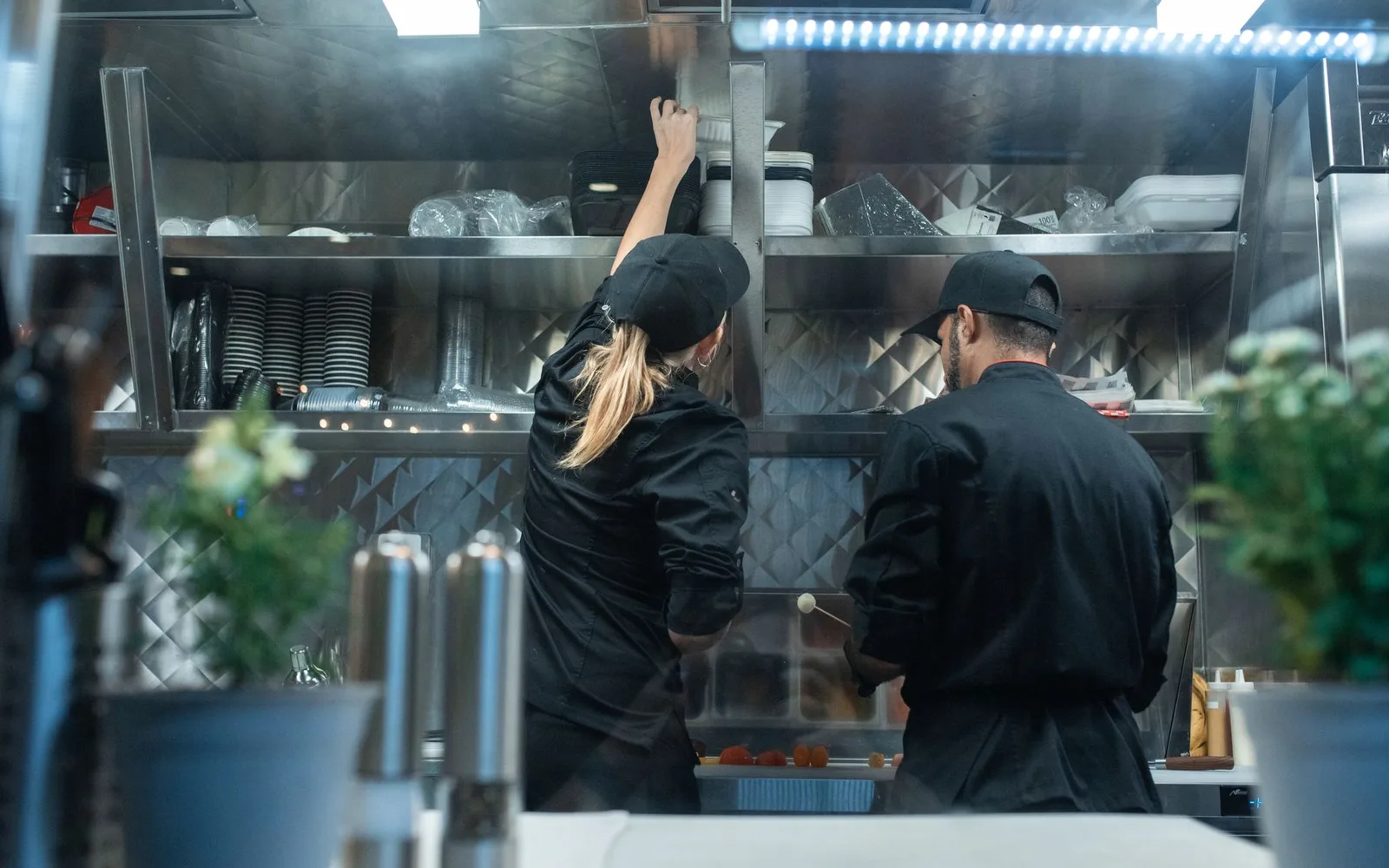
Restaurants and cafes in Al Aziziyah Jeddah
Al Aziziyah is a dense mixed district where flats and hotels sit directly over restaurants and shops along Makarona Road and Tahliah Street, sharing walls and plumbing with the units above. Pest control here must coordinate with the residents overhead and neighbouring commercial spaces, as insects move freely between floors and between adjacent premises.
-
Targeted, not broadcast
Product goes into cracks and runways, never sprayed across open surfaces.
-
Told before we start
What we will use, where it goes, and what to cover or move before we arrive.
-
A follow-up visit
We return after the first treatment, because what survives it does not show on the day.
-
Homes and businesses
Apartments and villas, and kitchens and stores that need a record of each visit.
Why they keep coming back in Al Aziziyah
Cockroaches and ants move between restaurant and flat via shared pipework and floor gaps, whilst mosquitoes arrive seasonally from gardens and drainage. Treatment must account for connected vertical and horizontal routes through the building. The method is set out in full on Restaurants and cafes in detail.
Connected floors and shared drainage systems
The restaurant occupies a ground floor with residential flats directly above on identical pipework. Cockroaches travel up and down with ease, and successful control requires treating the premises as a single unit rather than isolating the restaurant. Floor penetrations, shared risers and common drainage make separation impossible.
Irrigated gardens and popular markets nearby
Tihama Park, hotel gardens and the popular markets close by provide breeding grounds and food sources for mosquitoes, ants and flies. These sources continually restock external pressure on restaurants, especially in summer, and barrier maintenance around entrances becomes critical.
Sea humidity and ageing building fabric
High humidity from the sea and the street penetrates older apartment blocks readily. Antiquated drainage lines provide safe passages for rodents and cockroaches, and cracks in walls and foundations facilitate easy entry. Remedial sealing and drain maintenance are essential.
The character of Al Aziziyah
Mixed district: shops at street level with homes above them
A mixed district means the restaurant, flats and shops share pipes, walls and access points, so cockroaches and ants move easily between levels and between adjacent units. Treating the restaurant in isolation will not deliver sustained success.
The places that decide the programme
Apartment blocks stand over ground-floor shops and restaurants on ageing shared drainage, with high sea humidity in the western sections, irrigated gardens and popular markets located nearby creating continuous external pressure.
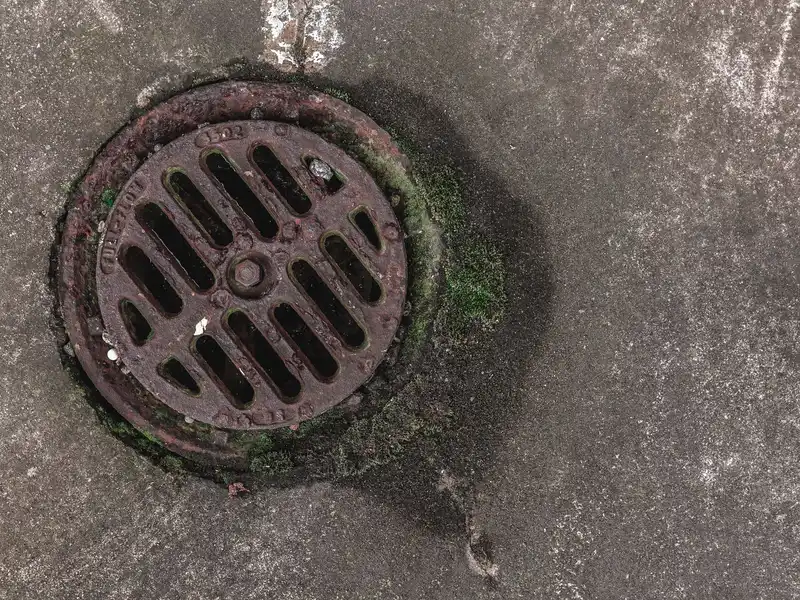
Gullies and the grease trap
Gullies and grease traps in Al Aziziyah restaurants clog rapidly from nearby markets and irrigated gardens, making weekly cleaning essential to prevent overflow and fly breeding.
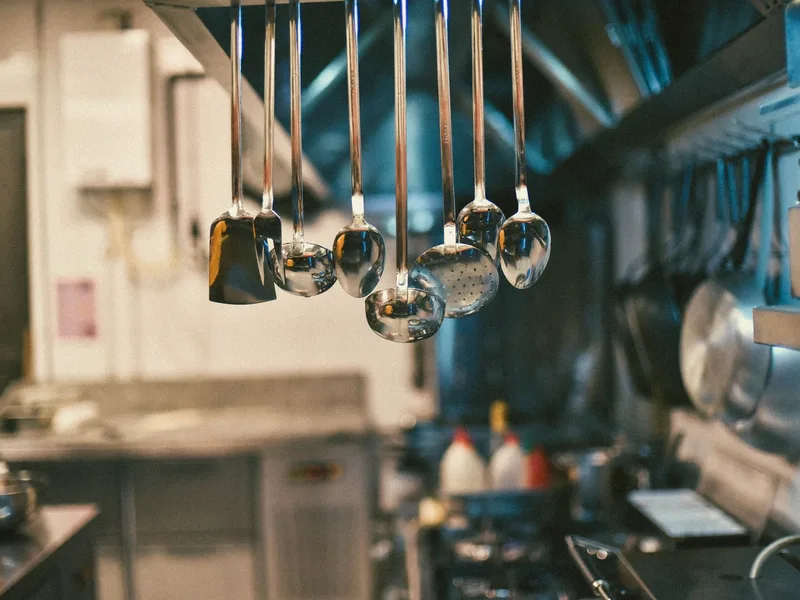
The cooking line and plinths
The cooking line and equipment stand on a ground floor above shared service pipes, so focus on sealing voids beneath equipment and floor gaps where insects shelter and enter from the building's infrastructure.
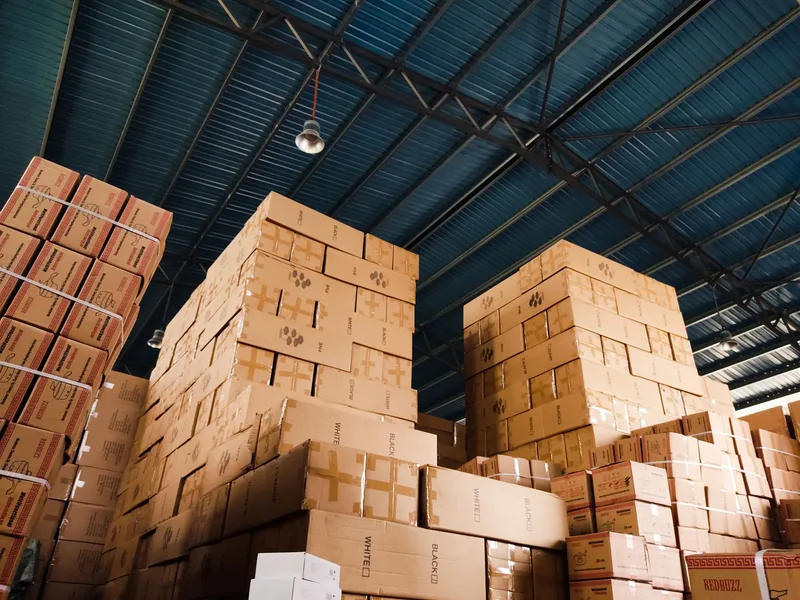
Cardboard at goods inwards
Cardboard and deliveries from nearby markets and shopping centres may carry cockroach and ant eggs, so inspect all incoming stock in an external holding area before kitchen entry.
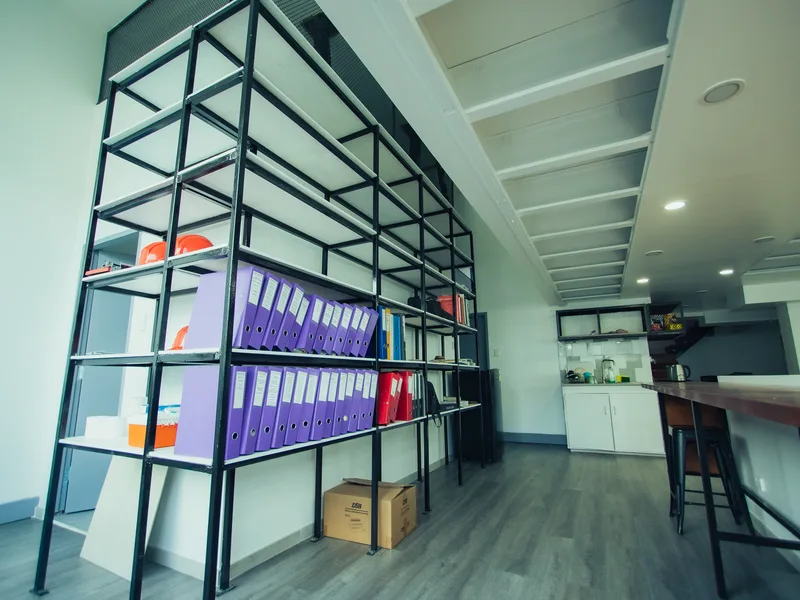
Dry store shelving
Dry store shelving in ground-floor units is exposed to ants from shared walls and moisture rising from below-ground infrastructure, so raise shelving clear of walls and clean beneath regularly.
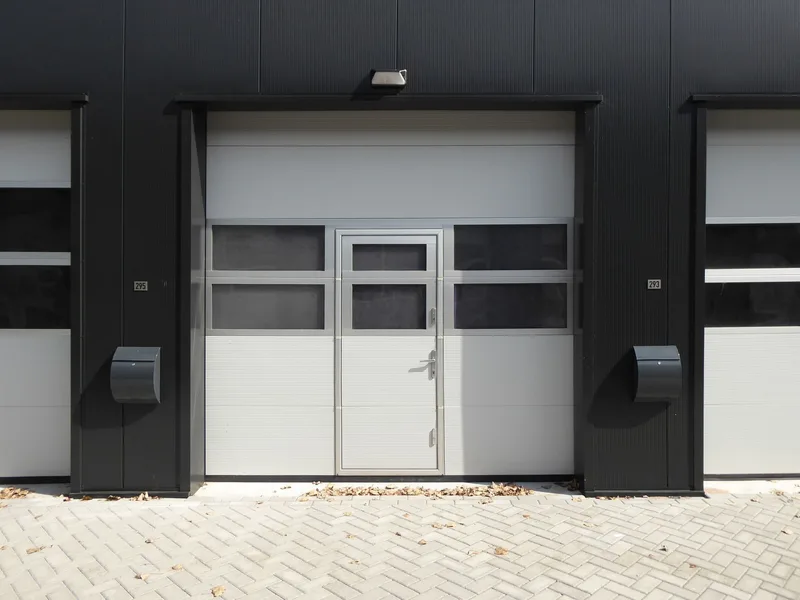
The back service door
The back service door opens onto a shared yard used by multiple restaurants and shops, so focus on tight seals and install an air curtain or double-door vestibule to prevent entry during waste collection.
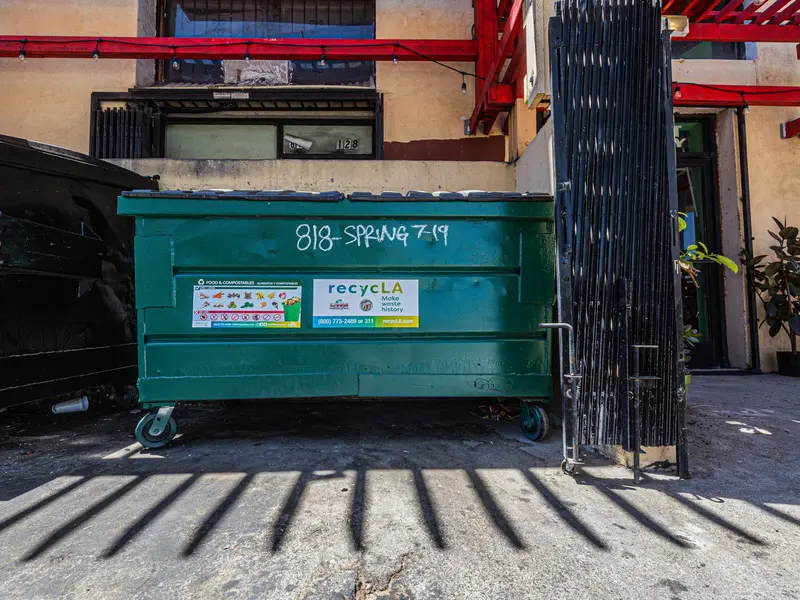
The bin area
The bin area is shared among several restaurants and shops and sits near gardens and markets, so enforce daily cleaning and ensure bins close securely to deny access to flies and rodents.
How we work
-
1
Survey and site plan
We follow the food route from delivery to waste, establish which species are present and where the moisture is, and mark the station positions on a plan of the kitchen and the store.
-
2
Install numbered monitoring points
Sealed, numbered stations in fixed positions, read in the same order every visit so the file shows a trend rather than an impression.
-
3
Treatment outside service hours
Gel bait into joints and voids, foam into the gullies and the grease trap, and nothing applied to preparation surfaces, with equipment covered and surfaces wiped down before service resumes.
-
4
Scheduled visits and the site file
Every visit reads the stations and records what was found, the corrective action needed, who owns it and by when, and the file stays on site to be shown at an inspection.
What a restaurant programme includes
-

Opening survey and site plan
Species, entry points and moisture sources, with a plan showing where every station sits.
-

Sealed, numbered stations
Bait held inside closed stations in food areas, never open product near preparation or storage.
-

Gully and grease trap treatment
Foam that contacts the pipe wall where small flies breed, which is the step most contracts skip.
-

Targeted application after closing
Into joints, voids and the store perimeter, at a time with no exposed food and no team in the kitchen.
-

Reopening instructions for the team
What to cover before, what to wipe after, and what not to wash so the treatment is not undone.
-

A visit report and a running log
Every station read, corrective actions with an owner and a date, and a continuous file to show at an inspection.
What is different about Al Aziziyah Sub-Municipality
The Al Aziziyah sub municipality takes in the established heart of northern Jeddah, from the Al Hamra corniche on the Red Sea to Al Rehab east of King Abdullah Road. Its buildings date back decades, mostly mid rise apartment blocks over shops and closely packed restaurants along Makarona Road, Tahliah Street and Palestine Street, alongside villas and hotel towers near the shore. Sea humidity is high in the western districts, plumbing and drainage in the older blocks are ageing, and food outlets, hospitals and irrigated gardens are everywhere, conditions that favour cockroaches, ants, mosquitoes and rodents throughout the year.
Questions about this district
The flat above us has cockroaches. How do we manage this together?
Treating the restaurant alone will not solve it permanently, because shared pipes and voids allow movement between floors. Coordinate with residents above for unified treatment, or focus on sealing penetrations between floors and cleaning drains thoroughly to block vertical routes.
Mosquitoes surge in summer from Tihama Park and the markets. When do we start?
Begin intensive monitoring and perimeter spraying weeks before summer. The markets and gardens are continuous sources, so focus on reinforcing barriers around doors, windows and ventilation openings where adults seek entry to the cool kitchen.
Should we treat the park and hospital grounds as part of our restaurant programme?
Tihama Park and the hospital area provide breeding habitat and food sources for mosquitoes and ants, but treating them is not your responsibility. Focus instead on strong barriers around your entrances and removing stagnant water sources on your own premises.
The adjoining shop has a pest problem. Can they reach us through the shared wall?
Yes, shared walls provide direct routes, especially if the neighbouring unit is also a food business or storage area. Seal cracks and gaps between premises and establish clear boundaries around your restaurant with regular monitoring at contact points.
Does the old drain network beneath the building provide permanent cockroach shelter?
Yes, cracked and deteriorated pipes create safe refuges for cockroaches and rodents. Focus on grease trap maintenance and cleanliness, kitchen pipework inspection, and treatment of dark voids beneath the floor slab where colonies thrive in darkness and damp.
Does the heat and high humidity here mean insects breed all year round?
Yes, sea humidity and sustained warmth create ideal breeding conditions year round. Continuous monitoring and regular treatment are necessary, particularly in western sections close to the shoreline where moisture from the sea keeps humidity permanently elevated.
How much does restaurants and cafes in Al Aziziyah cost?
It is set after the inspection, because the price follows the type of infestation, the size of the space, how far it has spread and the number of visits it needs. Send a photo and a description on WhatsApp and we will give you an estimate before we reach Al Aziziyah.
Other services in Al Aziziyah
Other services we provide to residents of Al Aziziyah.
-
 Residential
Cockroach control
Residential
Cockroach control
-
 Residential
Bed bug control
Residential
Bed bug control
-
 Residential
Termite control
Residential
Termite control
-
 Residential
Rodents and mice
Residential
Rodents and mice
-
 Residential
Mosquito control
Residential
Mosquito control
-
 Residential
Fly control
Residential
Fly control
-
 Residential
Ant control
Residential
Ant control
-
 Residential
Gecko control
Residential
Gecko control
-
 Residential
Scorpion control
Residential
Scorpion control
-
 Residential
Snake control
Residential
Snake control
-
 Residential
Flea control
Residential
Flea control
-
 Residential
Bird and pigeon control
Residential
Bird and pigeon control
-
 Residential
Preventive treatment
Residential
Preventive treatment
-
 Residential
Disinfection
Residential
Disinfection
-
 Commercial
Annual contracts
Commercial
Annual contracts
-
 Commercial
Hotels and apartments
Commercial
Hotels and apartments
-
 Commercial
Warehouses and factories
Commercial
Warehouses and factories
-
 Commercial
Schools and nurseries
Commercial
Schools and nurseries
-
 Commercial
Retail and malls
Commercial
Retail and malls
-
 Commercial
Rest houses and farms
Commercial
Rest houses and farms
-
 Commercial
Fumigation
Commercial
Fumigation
-
 Water tanks
Water tank cleaning
Water tanks
Water tank cleaning
-
 Water tanks
Water tank sterilization
Water tanks
Water tank sterilization
-
 Water tanks
Water tank sealing
Water tanks
Water tank sealing
-
 Water tanks
Tank leak repair
Water tanks
Tank leak repair
Need restaurants and cafes in Al Aziziyah? Tell us what you saw and we will tell you what it needs
We reach Al Aziziyah at a time we agree, and you get the full cost before we start.