
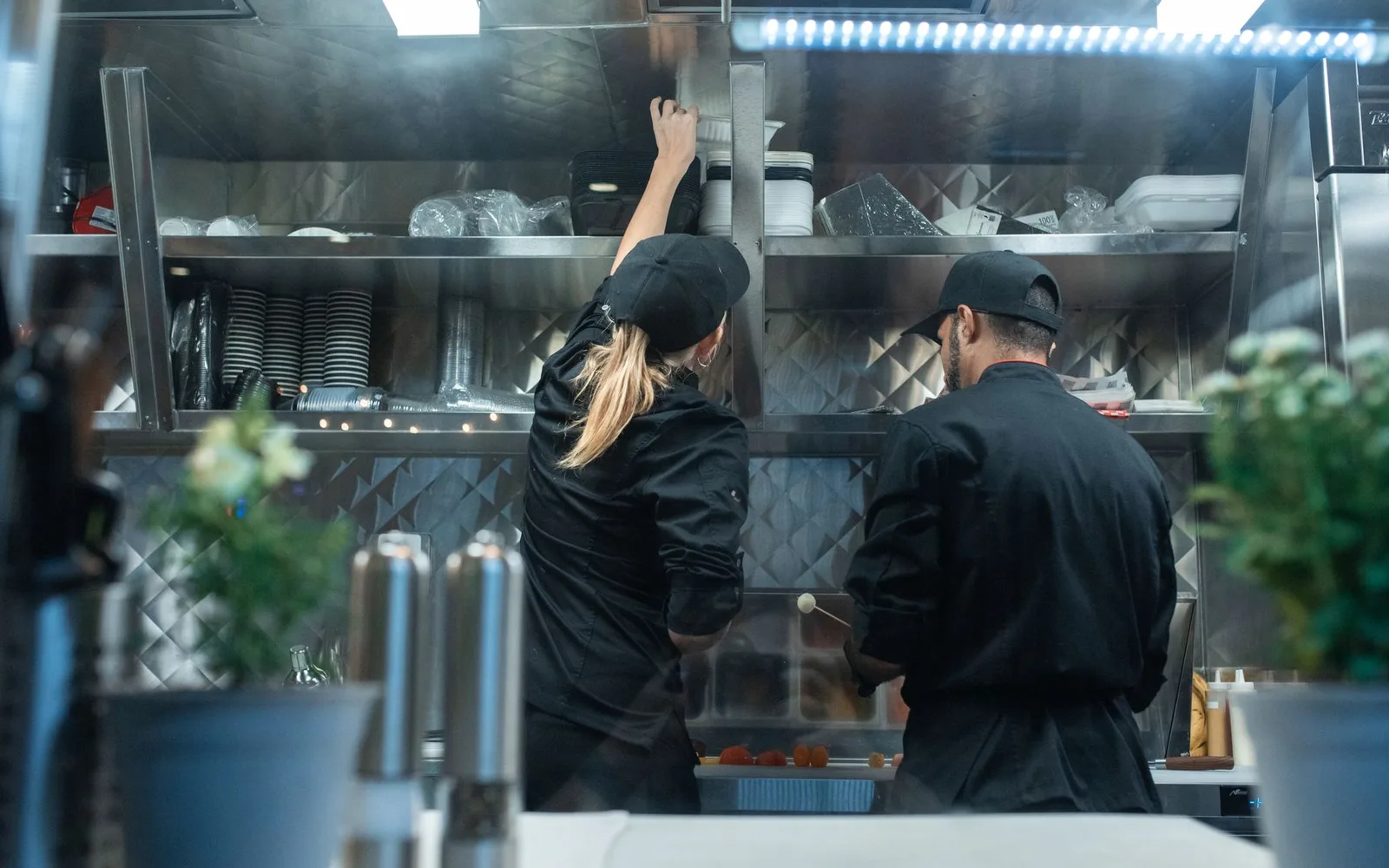
Restaurants and cafes in Al Sharafiyah Jeddah
Al Sharafiyah is a dense commercial district along King Fahd Road where offices, showrooms and small stores occupy ground floors beneath apartment blocks. Restaurants and cafes here share entrances, corridors and plumbing with medical clinics and residential units, so pests move freely between them through shared voids and pipework. Treatment must address the vertical connections, not just the kitchen.
-
Targeted, not broadcast
Product goes into cracks and runways, never sprayed across open surfaces.
-
Told before we start
What we will use, where it goes, and what to cover or move before we arrive.
-
A follow-up visit
We return after the first treatment, because what survives it does not show on the day.
-
Homes and businesses
Apartments and villas, and kitchens and stores that need a record of each visit.
Why they keep coming back in Al Sharafiyah
Cockroaches in ground floor cafes here retreat to apartments and offices above unless the entry points in shared walls and corridors are sealed and monitored. The method is set out in full on Restaurants and cafes in detail.
Shared entrances and common corridors
A ground floor restaurant shares its entry, stairwell and lift with residents of flats above and neighbouring clinics. Pests travel through these shared voids at night, so we place monitoring stations at unit thresholds and in corridors, not only inside the kitchen. Entry sealing must address the full height of the building.
Interlocked drainage networks
Waste pipes passing through party walls often have poor seals at their entries. We inspect and treat the points where pipes cross into your kitchen from neighbouring shops and offices, because infestation often trails back through the common plumbing to other units.
Vacancy and neglect in adjacent units
Some neighbouring units may stand empty or let on short lets, so they accumulate waste and damp. These spaces become thriving colonies very close to your restaurant, and pests commute between them and your kitchens nightly.
The character of Al Sharafiyah
Commercial area: offices, showrooms and small stores
Commercial district means your restaurant does not stand alone: pests come from offices, clinics, shops and neighbouring units through shared walls, corridors and drains. The programme must focus as much on entry points, seals and monitoring in common areas as on the kitchen itself.
The places that decide the programme
Tightly built apartment blocks with tangled shared plumbing and common entrances between units make it harder to isolate infestation sources than in standalone restaurants.
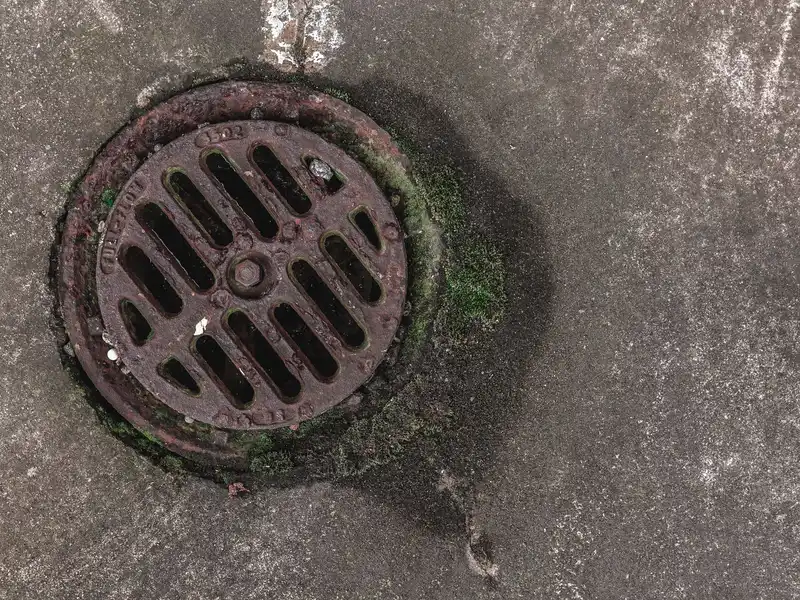
Gullies and the grease trap
Shared gullies in the back corridor and kitchen collect food waste from multiple units and may be poorly sealed away from flats above.
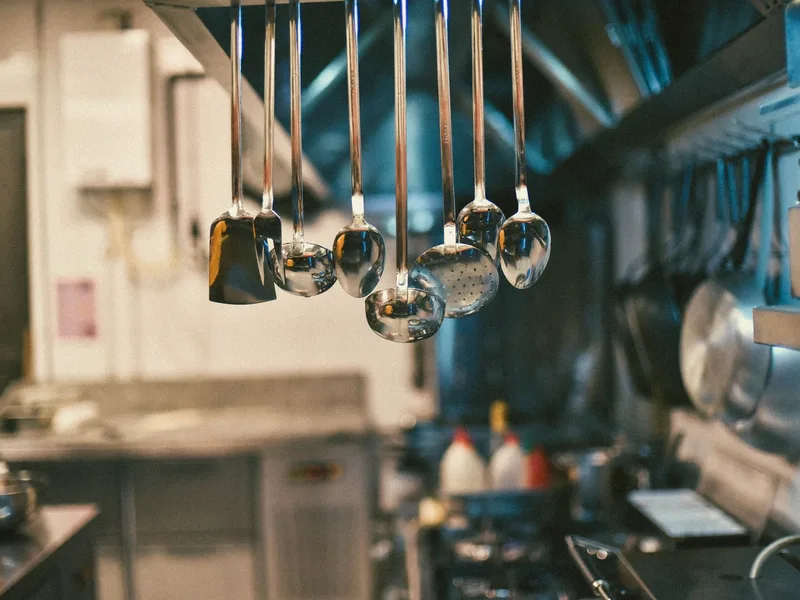
The cooking line and plinths
Cooking line equipment on the ground floor sits close to party walls and shared voids, so we focus on gaps in render and ceiling penetrations above the main service line.
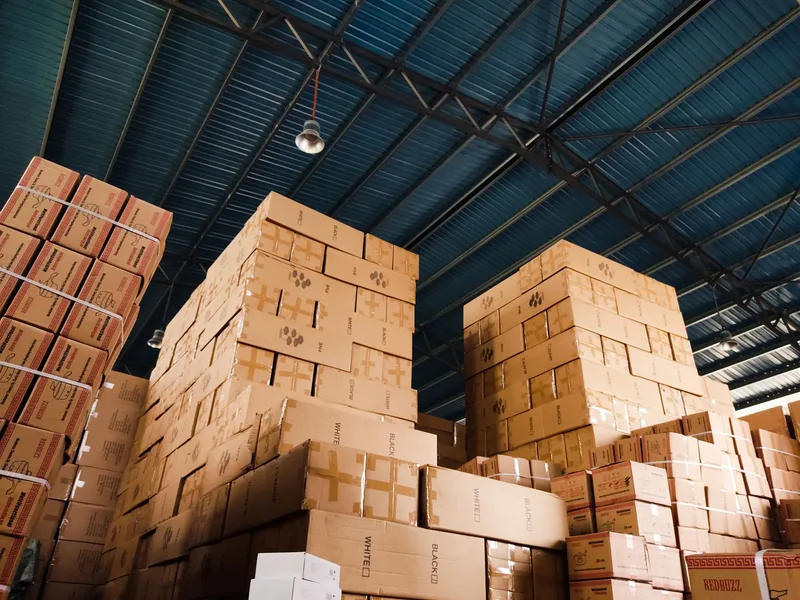
Cardboard at goods inwards
Cardboard and delivery boxes enter through the shared front entrance before reaching the kitchen, so we inspect the corridor, stairwell and any temporary holding space.
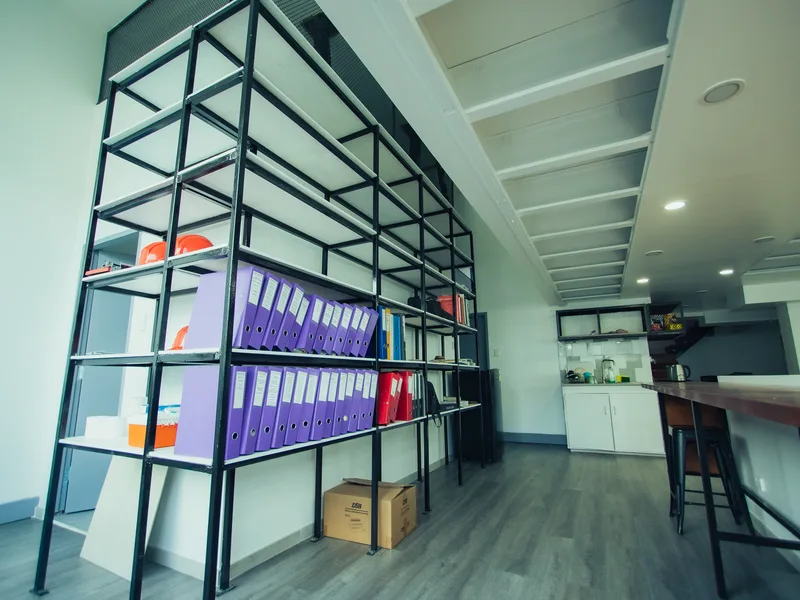
Dry store shelving
Dry store shelving may sit beside waste pipes or ventilation coming from neighbouring units, so isolation and airflow matter greatly.
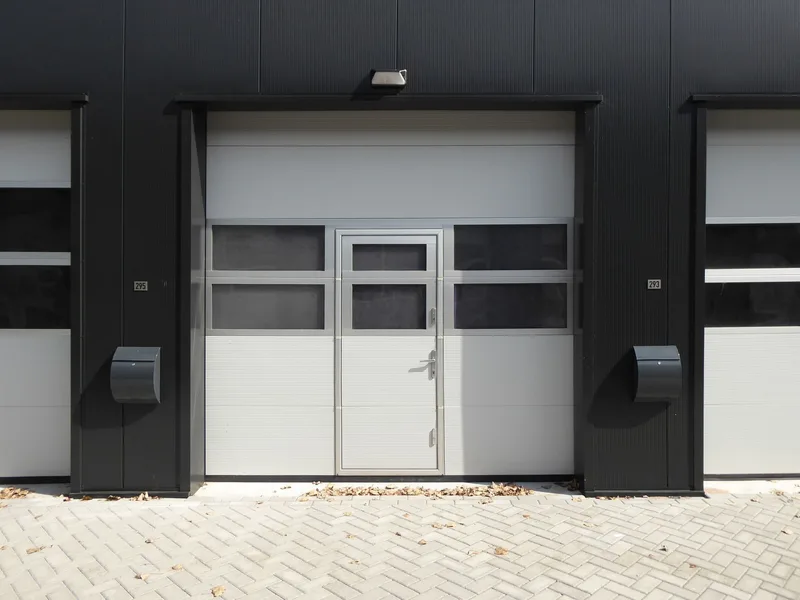
The back service door
The back service door opens onto a shared corridor used by residents and building staff, so we seal gaps and place the monitoring point outside the door itself.
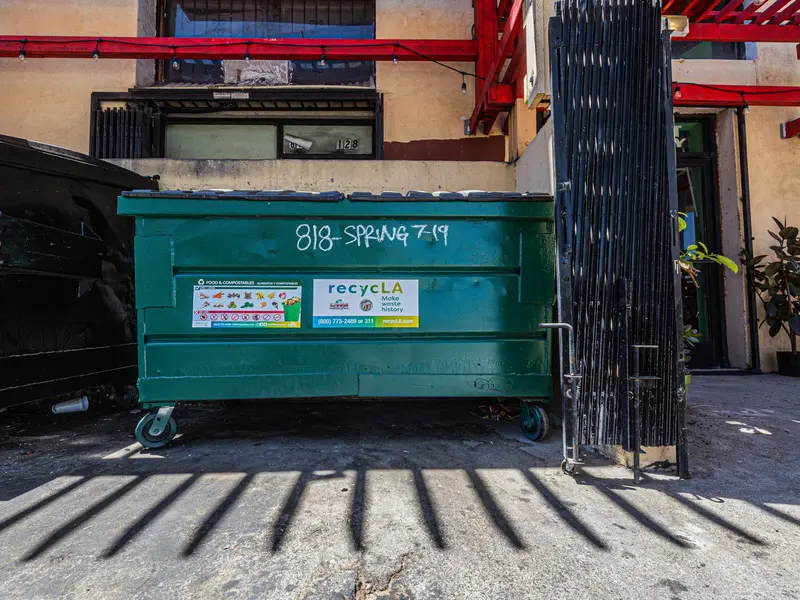
The bin area
The bin area is often shared by multiple units, so regular cleaning and firm seals on the collection point are critical.
How we work
-
1
Survey and site plan
We follow the food route from delivery to waste, establish which species are present and where the moisture is, and mark the station positions on a plan of the kitchen and the store.
-
2
Install numbered monitoring points
Sealed, numbered stations in fixed positions, read in the same order every visit so the file shows a trend rather than an impression.
-
3
Treatment outside service hours
Gel bait into joints and voids, foam into the gullies and the grease trap, and nothing applied to preparation surfaces, with equipment covered and surfaces wiped down before service resumes.
-
4
Scheduled visits and the site file
Every visit reads the stations and records what was found, the corrective action needed, who owns it and by when, and the file stays on site to be shown at an inspection.
What a restaurant programme includes
-

Opening survey and site plan
Species, entry points and moisture sources, with a plan showing where every station sits.
-

Sealed, numbered stations
Bait held inside closed stations in food areas, never open product near preparation or storage.
-

Gully and grease trap treatment
Foam that contacts the pipe wall where small flies breed, which is the step most contracts skip.
-

Targeted application after closing
Into joints, voids and the store perimeter, at a time with no exposed food and no team in the kitchen.
-

Reopening instructions for the team
What to cover before, what to wipe after, and what not to wash so the treatment is not undone.
-

A visit report and a running log
Every station read, corrective actions with an owner and a date, and a continuous file to show at an inspection.
Landmarks of Al Sharafiyah
Restaurants along King Fahd Road in Al Sharafiyah sit between housing blocks and schools and medical centres. We reach them via King Saud Mosque from the south or Khalid ibn Al Walid Street from the east, and we focus our treatment on shared voids and hidden sources hidden within the tightly built blocks.
- King Fahd Road
- King Saud Mosque
- Dr Bakhsh Hospital
- Khalid ibn Al Walid Street
- Othman ibn Affan Street
- University of Jeddah (Al Sharafiyah campus)
Questions about this district
Are cockroaches coming from flats above us or from our kitchen?
Almost always both. We inspect shared walls, ceilings and corridors first, then focus on the kitchen, store and internal drains. Controlling the restaurant alone will not stop them if they are entering through neighbouring units.
Does the treatment reach the apartments above the restaurant?
No. We work only inside the restaurant and in shared areas that you manage. We target entry points, voids in party walls and corridors within your responsibility.
Is a kitchen on the ground floor better off than one on the first floor?
Ground floor kitchens may have less moisture trouble, but are closer to ground level vents and gaps. First floor kitchens are exposed to shared voids and extract stacks. Each location has its own sources and its own remedy.
Should we tell our neighbours about the treatment we are having done?
Not required, but helpful if they also have pests. Treatment in your restaurant does protect neighbouring units partly by breaking the infestation chain between them and you.
Do the small shops next door storing food need their own separate contract?
If they store spices, dried goods or packaging, yes. We ask the building management to include them in one combined programme because pests do not respect partition walls.
Where does the small flying insect infestation come from in these dense districts?
From common drains, stored fruit, and damp in shared corridors and lift wells. We clean drain grilles, seal voids and use targeted small fly traps in common areas.
How much does restaurants and cafes in Al Sharafiyah cost?
It is set after the inspection, because the price follows the type of infestation, the size of the space, how far it has spread and the number of visits it needs. Send a photo and a description on WhatsApp and we will give you an estimate before we reach Al Sharafiyah.
Other services in Al Sharafiyah
Other services we provide to residents of Al Sharafiyah.
-
 Residential
Cockroach control
Residential
Cockroach control
-
 Residential
Bed bug control
Residential
Bed bug control
-
 Residential
Termite control
Residential
Termite control
-
 Residential
Rodents and mice
Residential
Rodents and mice
-
 Residential
Mosquito control
Residential
Mosquito control
-
 Residential
Fly control
Residential
Fly control
-
 Residential
Ant control
Residential
Ant control
-
 Residential
Gecko control
Residential
Gecko control
-
 Residential
Scorpion control
Residential
Scorpion control
-
 Residential
Snake control
Residential
Snake control
-
 Residential
Flea control
Residential
Flea control
-
 Residential
Bird and pigeon control
Residential
Bird and pigeon control
-
 Residential
Preventive treatment
Residential
Preventive treatment
-
 Residential
Disinfection
Residential
Disinfection
-
 Commercial
Annual contracts
Commercial
Annual contracts
-
 Commercial
Hotels and apartments
Commercial
Hotels and apartments
-
 Commercial
Warehouses and factories
Commercial
Warehouses and factories
-
 Commercial
Schools and nurseries
Commercial
Schools and nurseries
-
 Commercial
Retail and malls
Commercial
Retail and malls
-
 Commercial
Rest houses and farms
Commercial
Rest houses and farms
-
 Commercial
Fumigation
Commercial
Fumigation
-
 Water tanks
Water tank cleaning
Water tanks
Water tank cleaning
-
 Water tanks
Water tank sterilization
Water tanks
Water tank sterilization
-
 Water tanks
Water tank sealing
Water tanks
Water tank sealing
-
 Water tanks
Tank leak repair
Water tanks
Tank leak repair
Need restaurants and cafes in Al Sharafiyah? Tell us what you saw and we will tell you what it needs
We reach Al Sharafiyah at a time we agree, and you get the full cost before we start.