
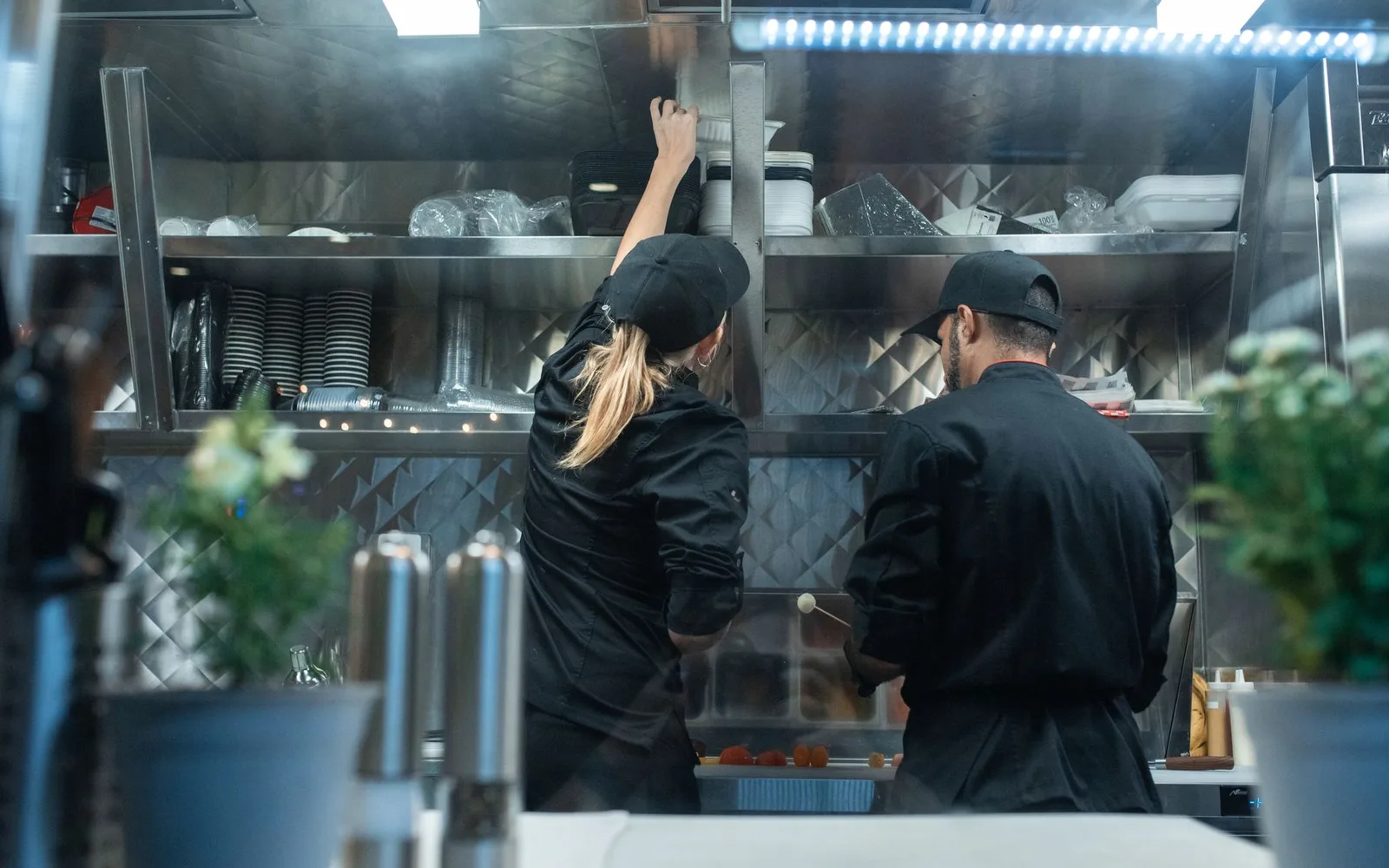
Restaurants and cafes in Al Mahjar Jeddah
Al Mahjar is a south Jeddah district west of Al Wazeeriyah towards the coast, crossed by King Faisal Road and Al Mahjar Street. The old site of the quarantine station now holds King Abdulaziz Hospital. Old apartment buildings, popular markets and the proximity to the Islamic Port and the oil refinery create constant pressure from rodents and insects. The area mixes old and new housing with commercial use and medical facilities.
-
Targeted, not broadcast
Product goes into cracks and runways, never sprayed across open surfaces.
-
Told before we start
What we will use, where it goes, and what to cover or move before we arrive.
-
A follow-up visit
We return after the first treatment, because what survives it does not show on the day.
-
Homes and businesses
Apartments and villas, and kitchens and stores that need a record of each visit.
Why they keep coming back in Al Mahjar
Restaurants and cafes in Al Mahjar face particular pressure because the proximity to port and refinery means continuous arrival of old stock and used containers that may carry insects. The method is set out in full on the full Restaurants and cafes page.
Port and refinery proximity bring imported insect species
In Al Mahjar, nearness to the port and refinery means constant intake of goods and containers carrying exotic pest species. Nearby restaurants suffer from rising pressure from diverse insect types.
Open stormwater channels provide highways for rodents and aquatic insects
Open drainage channels throughout the district provide safe routes for rodents and water borne insects. The area lacks tight drainage control and channels hold stagnant water.
Mixed old and new housing creates complex pest habitat
Al Mahjar combines old buildings with natural cracks and new subdivisions still being built. This creates a complex environment where insects find multiple shelters.
Al Mahjar on the map
Al Mahjar sits about 4 km from Al Saruriyah and about 8.5 km from Al Sarawat.
Open in Google MapsThe places that decide the programme
A mixed area very close to the Islamic Port, oil refinery and the old popular quarter of Petromin, with hospitals, markets, old and new apartment blocks, open stormwater channels and warehouses that provide continuous sources of pests.
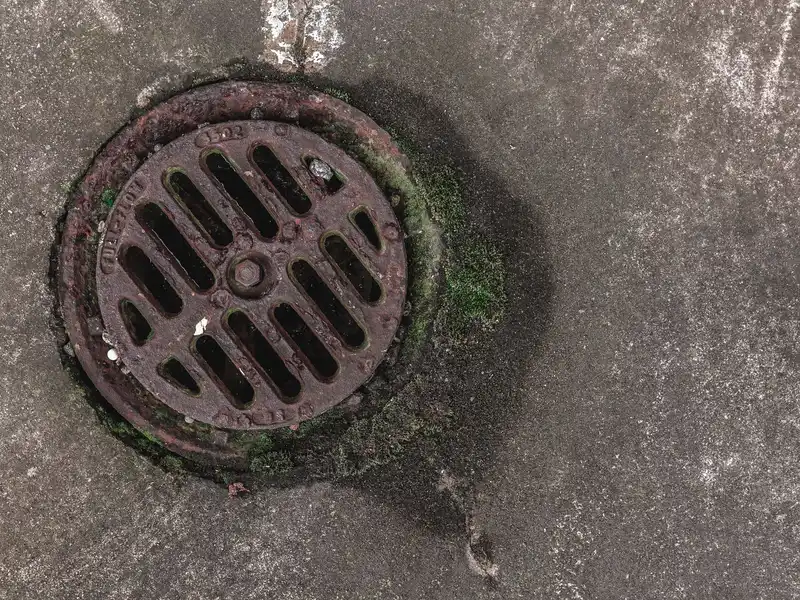
Gullies and the grease trap
Gullies in areas near the port may connect to open channels carrying contaminants from the port and refinery.
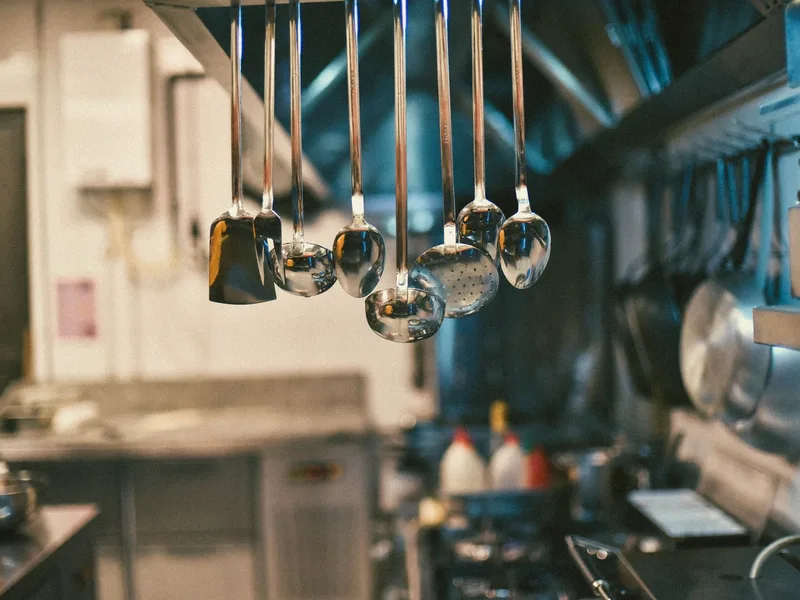
The cooking line and plinths
The cooking line may sit close to exterior walls near open drainage channels or neighbouring warehouses.
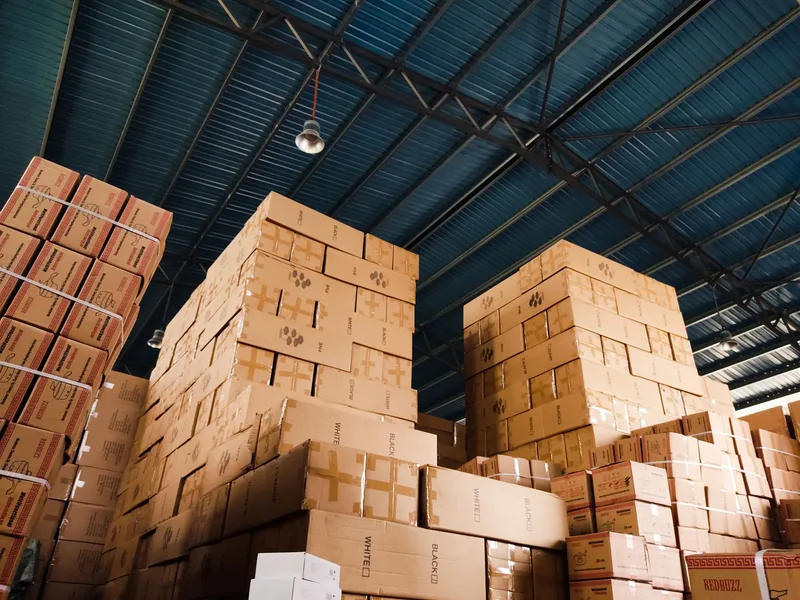
Cardboard at goods inwards
Cardboard at goods inwards may come directly from the port or warehouses and carry moisture and insects.
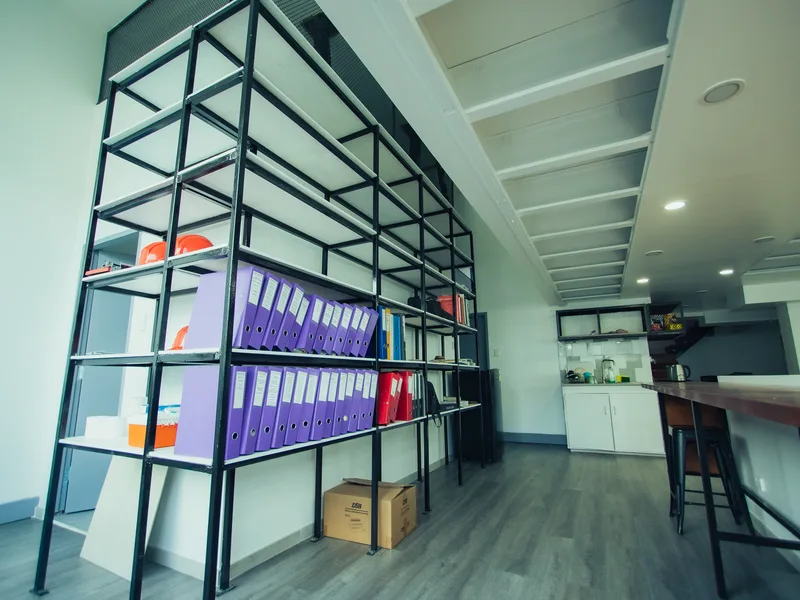
Dry store shelving
Dry store shelving may sit against damp exterior walls or close to open stormwater channels.
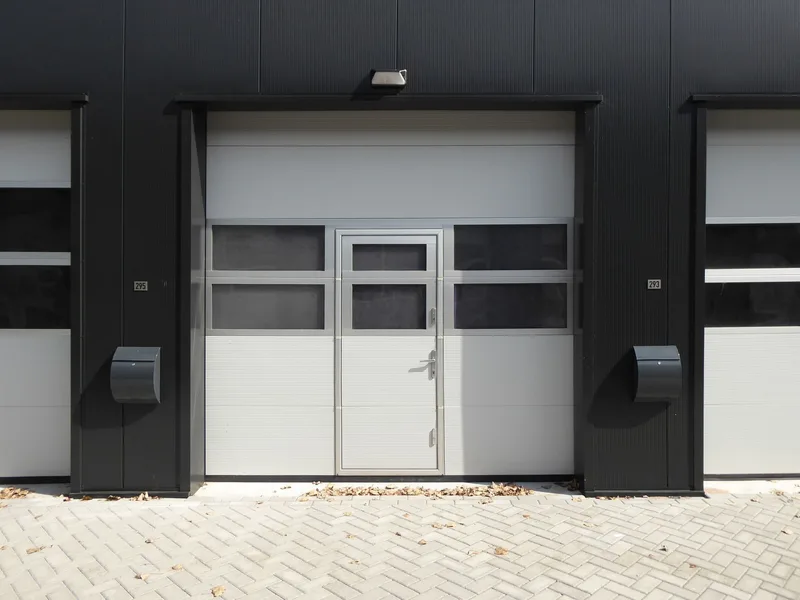
The back service door
The back service door may open onto an area with open channels or close to a warehouse or market.
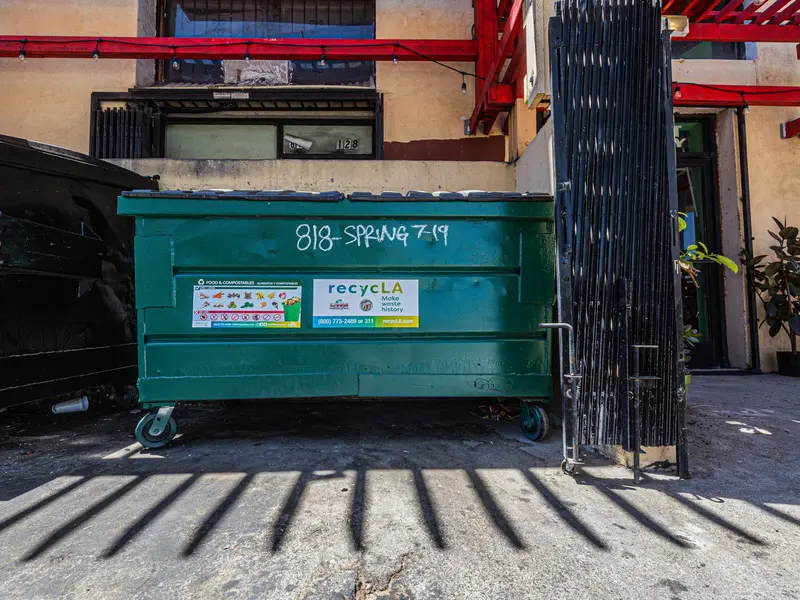
The bin area
The bin area near port shipping roads may be exposed to frequent deliveries and containers arriving from the port.
How we work
-
1
Survey and site plan
We follow the food route from delivery to waste, establish which species are present and where the moisture is, and mark the station positions on a plan of the kitchen and the store.
-
2
Install numbered monitoring points
Sealed, numbered stations in fixed positions, read in the same order every visit so the file shows a trend rather than an impression.
-
3
Treatment outside service hours
Gel bait into joints and voids, foam into the gullies and the grease trap, and nothing applied to preparation surfaces, with equipment covered and surfaces wiped down before service resumes.
-
4
Scheduled visits and the site file
Every visit reads the stations and records what was found, the corrective action needed, who owns it and by when, and the file stays on site to be shown at an inspection.
What a restaurant programme includes
-

Opening survey and site plan
Species, entry points and moisture sources, with a plan showing where every station sits.
-

Sealed, numbered stations
Bait held inside closed stations in food areas, never open product near preparation or storage.
-

Gully and grease trap treatment
Foam that contacts the pipe wall where small flies breed, which is the step most contracts skip.
-

Targeted application after closing
Into joints, voids and the store perimeter, at a time with no exposed food and no team in the kitchen.
-

Reopening instructions for the team
What to cover before, what to wipe after, and what not to wash so the treatment is not undone.
-

A visit report and a running log
Every station read, corrective actions with an owner and a date, and a continuous file to show at an inspection.
What is different about South Sub-Municipality
The South sub municipality runs from the edge of Old Makkah Road down to Al Khumrah and the southern corniche. Dense residential districts sit beside new subdivisions such as Al Sanabil and Al Taawun, warehouse fringes such as Al Saruriyah and Al Sarawat, and an old seaside settlement at Al Quzayn. Open stormwater channels cross the housing, and the warehouses, the vegetable and livestock markets and the nearby Islamic Port and Industrial City give pests shelter, food and year round humidity. Pressure is greatest in the older quarters, where drainage networks are ageing.
Questions about this district
Does port proximity mean we encounter more exotic insect species?
Yes, imported goods and containers from the port carry unfamiliar pest species. The programme includes rapid and thorough inspection of all cardboard and stock on arrival.
The popular market sits directly beside us. Does it affect us directly?
Yes, it is a continuous source. The programme focuses on tight barriers and preventing pest migration from the market into the restaurant.
Do the open stormwater channels bring rodents and insects towards us?
Yes, open channels provide safe routes for rodents and aquatic insects. The programme focuses on barriers around the restaurant and sealing small openings.
The old Petromin quarter nearby is known to have pest problems. Are we at risk?
Yes, the old quarter is a potential source. The programme focuses on protecting the restaurant from that direction.
Daily deliveries come from the port and warehouses. Does this worsen the problem?
Yes, frequent deliveries increase the chance of new pest introductions. The programme includes careful, rapid inspection at goods inwards.
Is pressure higher during peak shipping periods?
Yes, high shipping traffic means more pests. More frequent treatments may be needed during peak periods.
How much does restaurants and cafes in Al Mahjar cost?
It is set after the inspection, because the price follows the type of infestation, the size of the space, how far it has spread and the number of visits it needs. Send a photo and a description on WhatsApp and we will give you an estimate before we reach Al Mahjar.
Nearby districts we cover
Other services in Al Mahjar
Other services we provide to residents of Al Mahjar.
-
 Residential
Cockroach control
Residential
Cockroach control
-
 Residential
Bed bug control
Residential
Bed bug control
-
 Residential
Termite control
Residential
Termite control
-
 Residential
Rodents and mice
Residential
Rodents and mice
-
 Residential
Mosquito control
Residential
Mosquito control
-
 Residential
Fly control
Residential
Fly control
-
 Residential
Ant control
Residential
Ant control
-
 Residential
Gecko control
Residential
Gecko control
-
 Residential
Scorpion control
Residential
Scorpion control
-
 Residential
Snake control
Residential
Snake control
-
 Residential
Flea control
Residential
Flea control
-
 Residential
Bird and pigeon control
Residential
Bird and pigeon control
-
 Residential
Preventive treatment
Residential
Preventive treatment
-
 Residential
Disinfection
Residential
Disinfection
-
 Commercial
Annual contracts
Commercial
Annual contracts
-
 Commercial
Hotels and apartments
Commercial
Hotels and apartments
-
 Commercial
Warehouses and factories
Commercial
Warehouses and factories
-
 Commercial
Schools and nurseries
Commercial
Schools and nurseries
-
 Commercial
Retail and malls
Commercial
Retail and malls
-
 Commercial
Rest houses and farms
Commercial
Rest houses and farms
-
 Commercial
Fumigation
Commercial
Fumigation
-
 Water tanks
Water tank cleaning
Water tanks
Water tank cleaning
-
 Water tanks
Water tank sterilization
Water tanks
Water tank sterilization
-
 Water tanks
Water tank sealing
Water tanks
Water tank sealing
-
 Water tanks
Tank leak repair
Water tanks
Tank leak repair
Need restaurants and cafes in Al Mahjar? Tell us what you saw and we will tell you what it needs
We reach Al Mahjar at a time we agree, and you get the full cost before we start.