

Retail and malls in Al Faisaliyah Jeddah
Al Faisaliyah is an older northern Jeddah district of dense apartment blocks and villas where King Fahd Road cuts through and Sari Street runs thick with restaurants and banks. Your shop sits in buildings that are decades old with water and sewer lines beneath them that are equally old. The commercial street means restaurants open doors to insects every day, and residential blocks above pour crumbs and moisture down to you through ageing vertical pipes.
-
Targeted, not broadcast
Product goes into cracks and runways, never sprayed across open surfaces.
-
Told before we start
What we will use, where it goes, and what to cover or move before we arrive.
-
A follow-up visit
We return after the first treatment, because what survives it does not show on the day.
-
Homes and businesses
Apartments and villas, and kitchens and stores that need a record of each visit.
Why they keep coming back in Al Faisaliyah
Pipes beneath the commercial street are old and leak, restaurants deposit water and grease daily, and residential blocks above the ground-floor shops send crumbs and moisture down through shared risers. The method is set out in full on Retail and malls in detail.
Restaurants and residential blocks stacked together
Al Faisaliyah buildings often combine ground-floor restaurants with flats above them, or a villa adjacent to a commercial unit. Insects move easily from restaurant to household to retail shop through shared pipework. The separation between different building uses is extremely poor.
Old pipes under the commercial street and constant seepage
Sari Street is very old and the utilities below it are historic. Pipes leak water and contamination into the ground, and shops directly above them experience constant rising damp from below. Insects and rodents follow the water and move up through foundation cracks.
Intense residential and commercial density
Sari Street is jammed with restaurants, furnished flats and popular markets. Food waste is abundant. A small shop in the middle of this density suffers continuous insect pressure from every side, and apartment towers above add a vertical layer of pressure from crumbs and water descending through the pipes.
Al Faisaliyah on the map
Al Faisaliyah sits about 3 km from Al Rabwah and about 3 km from Al Bawadi.
Open in Google MapsWhat decides the treatment in a shop
An established northern district of Jeddah with dense apartment buildings and villas mixed together, Sari Street as a busy commercial spine lined with restaurants and cafes, traversed by King Fahd Road, bounded by Prince Majid Road and Madinah Road.
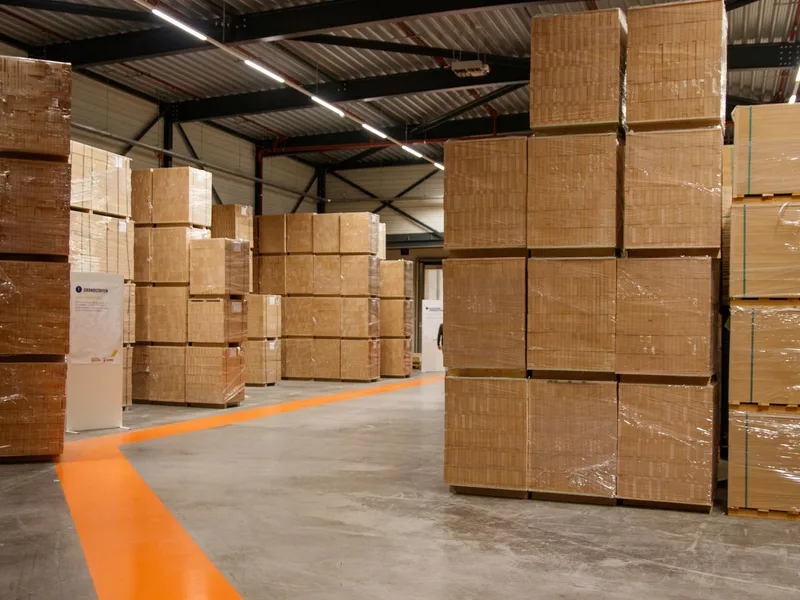
Cardboard in the stockroom
The stockroom in Al Faisaliyah may sit directly beneath Sari Street where old pipes leak constantly, and cardboard is perpetually damp from rising seepage.
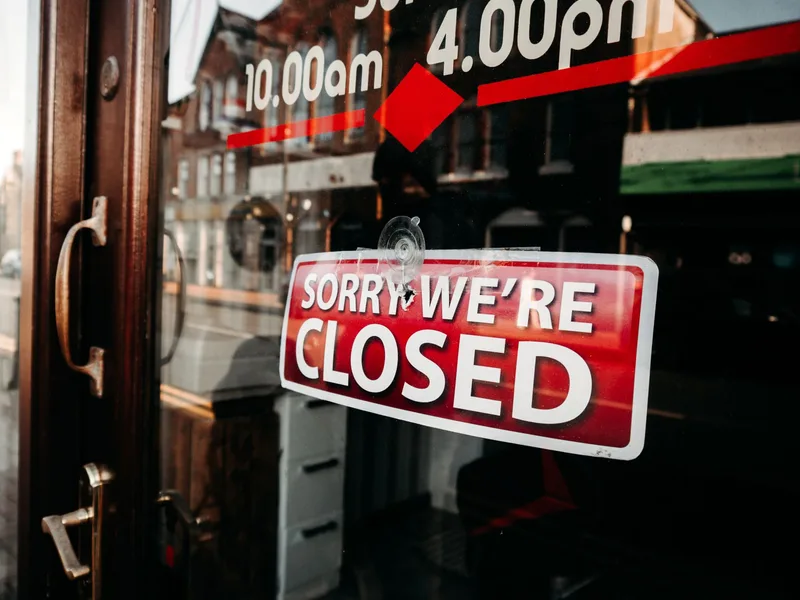
The frontage and the sliding door
The front door opens onto busy Sari Street with restaurants, cars and overflowing refuse containers, and gaps around the frame allow insects and rodents to enter from street-level activity.
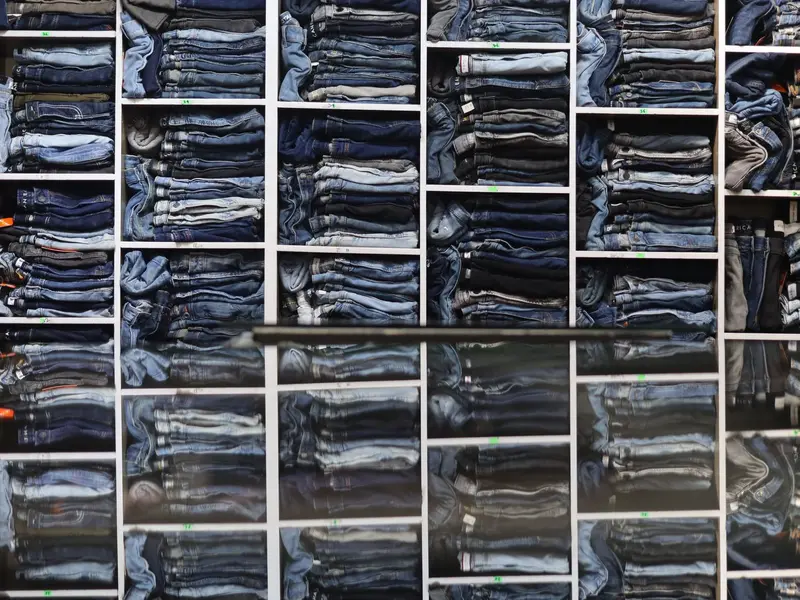
What the shop sells
Retail premises on Sari Street sell clothes, gifts, stationery, sweets and food items. Neighbouring restaurants deposit food waste on the pavement and in gutters continuously.
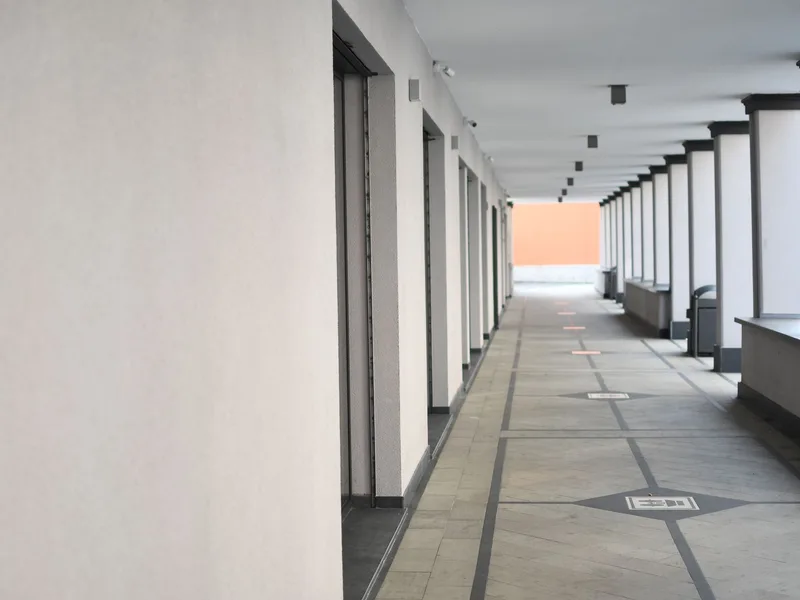
The shared back corridor
The back passage is often shared with other shops or restaurants where rubbish accumulates and water pools from old underground utilities.
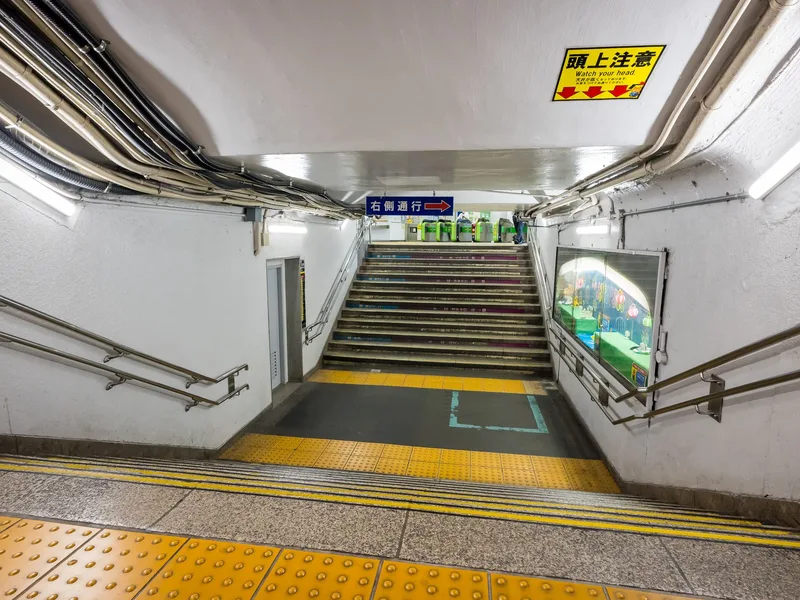
The ceiling void and the services
The suspended ceiling may be very old, dating from the 1960s or 1970s, with shared vertical pipes running through it uninsulated, and gaps between it and the real concrete above are black with moisture and mould.
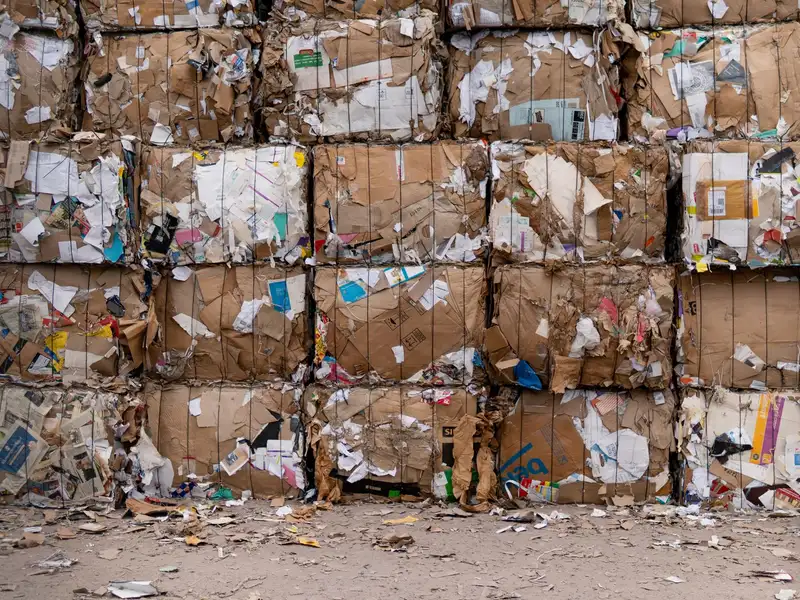
Waste and board behind the shop
Cardboard and refuse behind the shop sit near the street's refuse containers, water collects from the gutter and old pipes, and rodents settle easily in this neglected corner of a busy commercial zone.
How we work
-
1
An out-of-hours walk
We walk the floor, the stockroom, the fitting area, the back corridor and the waste route, and record what the shop sells, the delivery cycle and the boundary points with the neighbouring units before anything is applied.
-
2
Treat the stockroom and the goods route
Placed bait into racking uprights, junctions and cracks, dust into the dry voids, and nothing on merchandise or display faces.
-
3
Close the boundary of the unit
A sweep under the stockroom door, mesh on the vents and sealing at the service penetrations on the party wall, because exclusion does more to stop a return than repeating the spray.
-
4
Numbered points and a report each visit
Fixed positions on one route, read every visit and logged even when the reading is nil, with a report of what was found, what was treated and what the building needs closed, plus a copy for centre management when they ask for it.
What retail pest control includes
-

An out-of-hours inspection
A walk covering the floor, the stockroom, the back corridor and the delivery route, ending with the pest list this particular shop actually carries.
-

Bait and points on the goods route
In the stockroom, behind racking and along the goods-in route, out of any customer's reach and away from anything on sale.
-

Targeted crack and crevice work
On junctions, racking feet and the unit perimeter, never on stock, display surfaces or the open sales floor.
-

Drains and the waste area
The floor gullies in the back corridor, the ground around the containers and where the board is collected, because that is the source that renews daily.
-

Getting the shop back to trading
What gets covered before we start, what is wiped afterwards, and the ventilation time we set with you on the call, because it changes with the product and the space.
-

A follow-up visit and a written record
A set date after the first treatment, and a record carrying the date of each visit, the readings, and what was applied and where.
What is different about Airport Sub-Municipality
The Airport sub-municipality covers some of the oldest established districts of northern Jeddah, gathered around King Abdulaziz International Airport between Madinah Road, King Fahd Road and Prince Majid Road. The stock is villas, single family houses and apartment blocks built decades ago, many served by ageing water and sewer lines. Commercial streets such as Quraish, Sari and Sultan bin Salman are lined with restaurants, furnished flats and popular markets. Dense commercial kitchens, worn pipework and the gaps in older buildings give cockroaches and rodents steady food and shelter, and the high resident population keeps that pressure constant through the year.
Questions about this district
A restaurant operates directly below or beside us and sends insects every day. How do we cope?
A shared wall with a restaurant means constant insect pressure. We seal your boundary wall very hard and treat it regularly from your side. Coordination with the restaurant on their cleanliness and gap closure helps, but will not stop the problem entirely.
Many flats are stacked above us. Water and crumbs come down from every one?
Yes. A residential block above sends crumbs and moisture down through pipes and gaps. We focus on treating your ceiling and upper corners hard and place monitoring points in the corners. You may need one of the upstairs flats checked for source insects.
The floor is constantly damp from pipes leaking beneath it. What do we do?
Old pipes beneath a commercial street leak water and pollution. Dampness attracts insects and rodents. We focus on drying the stockroom as much as possible, and we may recommend a qualified plumber inspect the underground pipes. Staying dry inside matters more than any chemical treatment.
Our shop is wedged between a cafe and a restaurant. Is pressure double?
Positioned between a cafe and restaurant means insect pressure from both sides. We treat both your walls with equal force and coordinate with both businesses. You will likely need more frequent visits than shops with only one commercial neighbour.
The flat above us is neglected and very damp. Do insects come down from there?
A neglected damp flat becomes a breeding ground for insects and rodents. Water and insects descend from it into your space. Try to contact the owner and request an inspection and treatment. Your wall needs very heavy treatment as a result.
The commercial street is choked with cars, bins and refuse containers. Does that matter to us?
Crowded rubbish bins attract rodents and insects to the street. Your front door may receive insects directly from the pavement. We focus hard on the door frame and openings, and we recommend keeping the street frontage and immediate surroundings as clean as possible.
How much does retail and malls in Al Faisaliyah cost?
It is set after the inspection, because the price follows the type of infestation, the size of the space, how far it has spread and the number of visits it needs. Send a photo and a description on WhatsApp and we will give you an estimate before we reach Al Faisaliyah.
Other services in Al Faisaliyah
Other services we provide to residents of Al Faisaliyah.
-
 Residential
Cockroach control
Residential
Cockroach control
-
 Residential
Bed bug control
Residential
Bed bug control
-
 Residential
Termite control
Residential
Termite control
-
 Residential
Rodents and mice
Residential
Rodents and mice
-
 Residential
Mosquito control
Residential
Mosquito control
-
 Residential
Fly control
Residential
Fly control
-
 Residential
Ant control
Residential
Ant control
-
 Residential
Gecko control
Residential
Gecko control
-
 Residential
Scorpion control
Residential
Scorpion control
-
 Residential
Snake control
Residential
Snake control
-
 Residential
Flea control
Residential
Flea control
-
 Residential
Bird and pigeon control
Residential
Bird and pigeon control
-
 Residential
Preventive treatment
Residential
Preventive treatment
-
 Residential
Disinfection
Residential
Disinfection
-
 Commercial
Annual contracts
Commercial
Annual contracts
-
 Commercial
Restaurants and cafes
Commercial
Restaurants and cafes
-
 Commercial
Hotels and apartments
Commercial
Hotels and apartments
-
 Commercial
Warehouses and factories
Commercial
Warehouses and factories
-
 Commercial
Schools and nurseries
Commercial
Schools and nurseries
-
 Commercial
Rest houses and farms
Commercial
Rest houses and farms
-
 Commercial
Fumigation
Commercial
Fumigation
-
 Water tanks
Water tank cleaning
Water tanks
Water tank cleaning
-
 Water tanks
Water tank sterilization
Water tanks
Water tank sterilization
-
 Water tanks
Water tank sealing
Water tanks
Water tank sealing
-
 Water tanks
Tank leak repair
Water tanks
Tank leak repair
Need retail and malls in Al Faisaliyah? Tell us what you saw and we will tell you what it needs
We reach Al Faisaliyah at a time we agree, and you get the full cost before we start.