

Retail and malls in Al Kaakiyah Makkah
Al Kaakiyah is a commercial district on Al Layth Road in southern Makkah centred on Souq Al Halaqa, one of the city's largest fresh produce and livestock markets. Work differs here because the environment is saturated with vegetable moisture, blood and animal waste, and the shops surrounding the market receive insects continuously imported with each day's fresh deliveries.
-
Targeted, not broadcast
Product goes into cracks and runways, never sprayed across open surfaces.
-
Told before we start
What we will use, where it goes, and what to cover or move before we arrive.
-
A follow-up visit
We return after the first treatment, because what survives it does not show on the day.
-
Homes and businesses
Apartments and villas, and kitchens and stores that need a record of each visit.
Why they keep coming back in Al Kaakiyah
The market operates daily and floors are pressure-washed several times each day, with high humidity providing the ideal environment for rapid insect and rodent reproduction. The method is set out in full on the full Retail and malls page.
Souq Al Halaqa and insects imported daily with fresh stock
Souq Al Halaqa receives fresh produce from varied sources every day, and insects arrive with fresh vegetables and fruit. Shops surrounding the market receive market waste spillage and store goods close to the active trading zones.
Continuous moisture from washing produce and livestock
Floors are pressure-washed several times daily, and open drainage channels run constantly, maintaining a wet environment continuously. High humidity attracts cockroaches, ants and small insects in population waves.
Blood, animal waste and waste accumulation
Livestock and poultry markets generate blood, organs, feathers and heavy waste. Neighbouring shops collect and dispose of this refuse, and waste builds up far faster than in standard retail.
Al Kaakiyah on the map
What decides the treatment in a shop
The district sits on Al Layth Road south of Makkah, bordered by Al Shawqiyah to the west and Al Ukayshiyah to the south, with the Third Ring Road passing its outer edge. Floors are permanently damp from washing produce and carcasses.
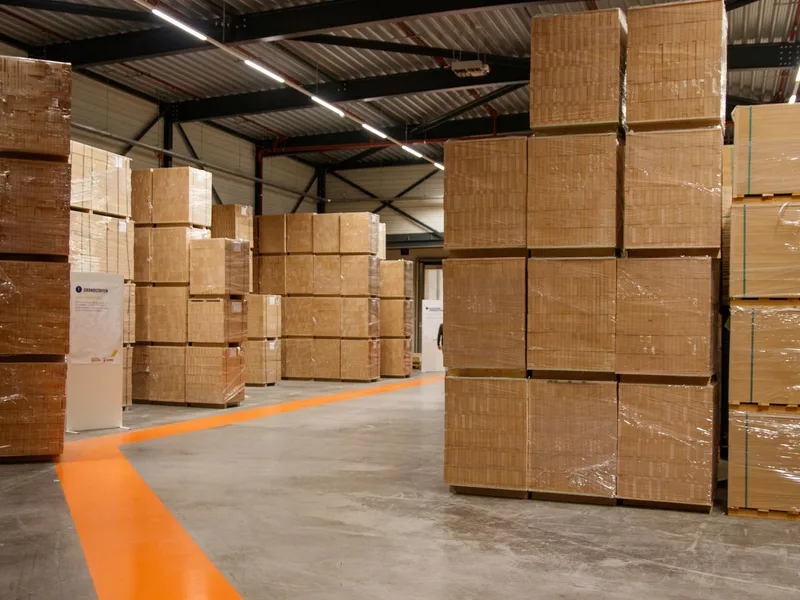
Cardboard in the stockroom
Cardboard arrives directly from the market with vegetable pulp and dried blood residue; the small stockroom will not absorb empty boxes systematically, so stacking becomes chaotic.
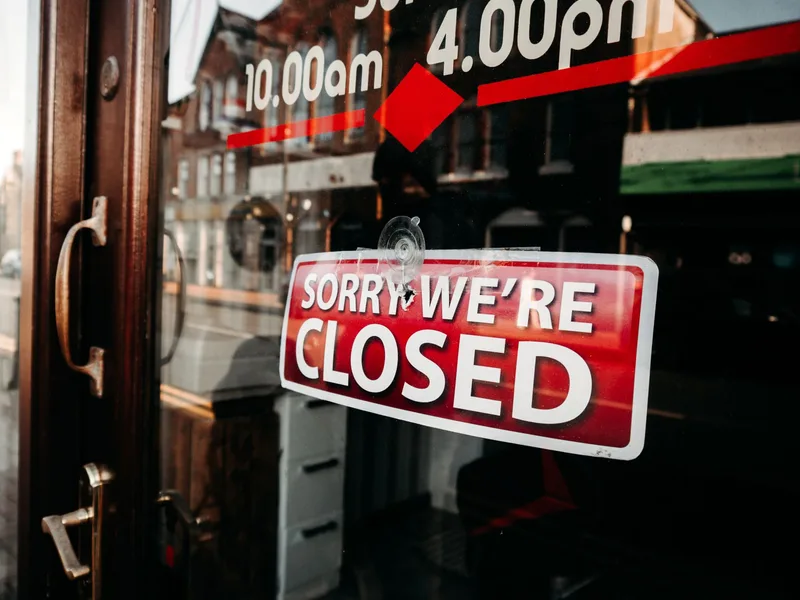
The frontage and the sliding door
Doors open directly onto Souq Al Halaqa and insects enter with every produce load. Gaps around frames are wide and air curtains are absent, so insect transfer is continuous.
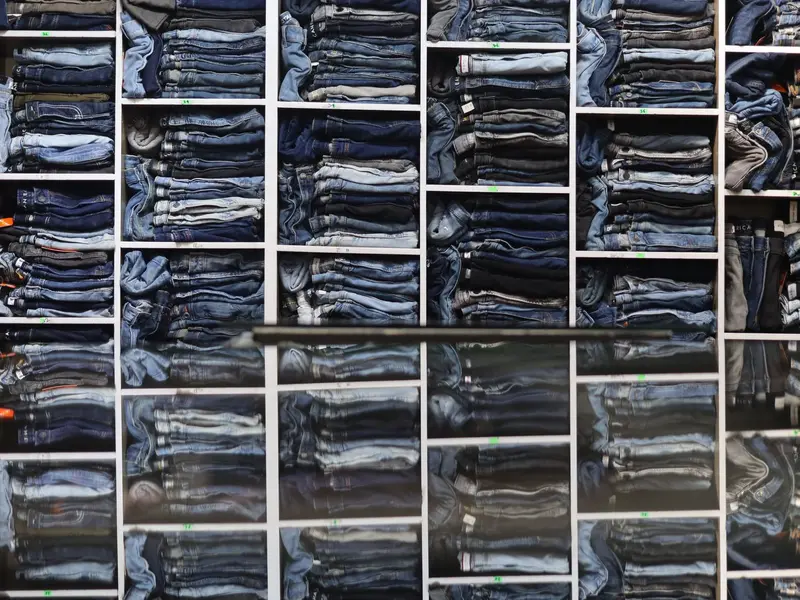
What the shop sells
Shops display vegetables and fruit openly in cardboard boxes, and moisture and insects arrive with the fresh goods; stock turnover is high but holdover boxes become infestation zones.
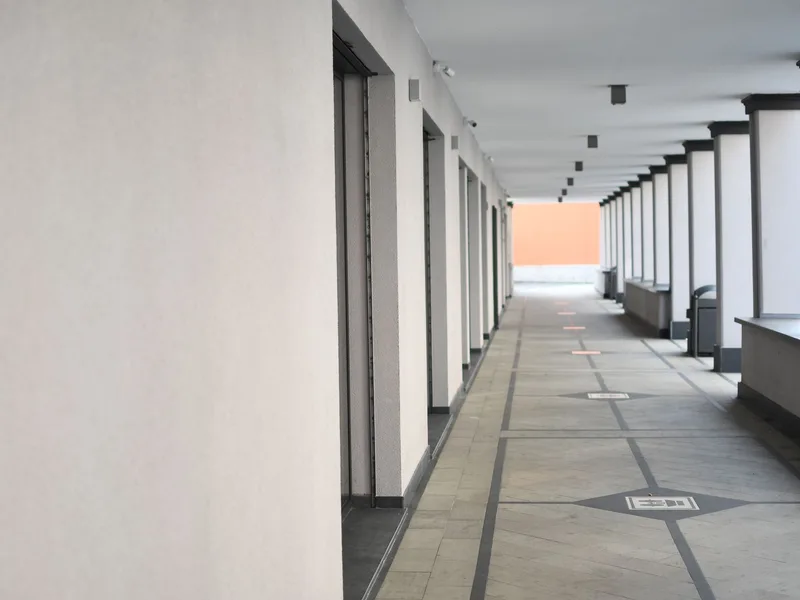
The shared back corridor
The back corridor drains water from the market directly, floors remain wet and drainage is poor, leaving standing water that breeds insects continuously.
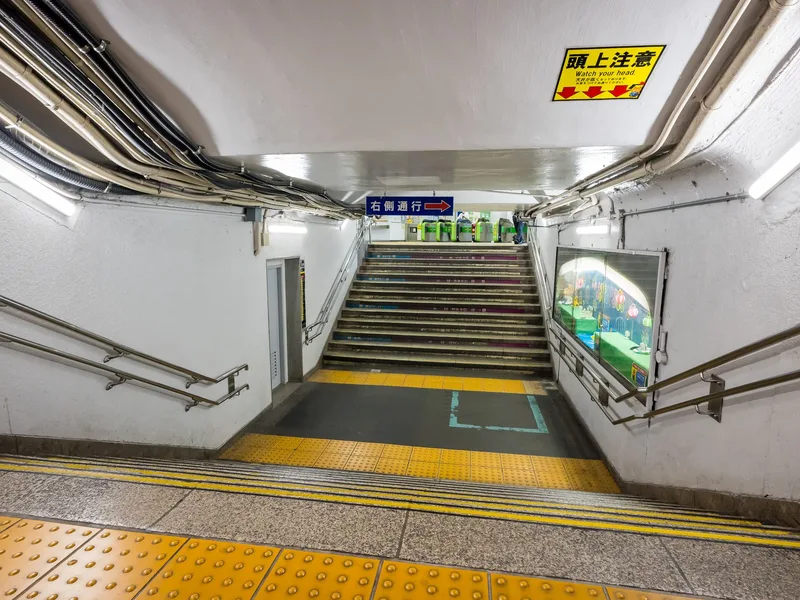
The ceiling void and the services
The suspended ceiling hides complex plumbing and electrical runs with wide voids; high humidity causes condensation inside ceiling cavities, creating wet shelter zones.
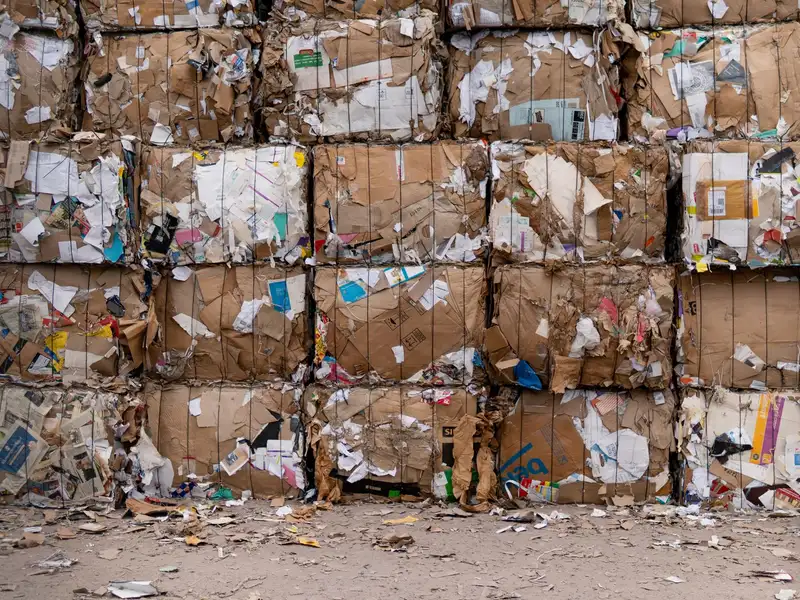
Waste and board behind the shop
Waste disposal behind shops collects vegetable pulp, fruit waste, animal bones and feathers from the market. Damp waste attracts rodent and cockroach colonies at very high density.
How we work
-
1
An out-of-hours walk
We walk the floor, the stockroom, the fitting area, the back corridor and the waste route, and record what the shop sells, the delivery cycle and the boundary points with the neighbouring units before anything is applied.
-
2
Treat the stockroom and the goods route
Placed bait into racking uprights, junctions and cracks, dust into the dry voids, and nothing on merchandise or display faces.
-
3
Close the boundary of the unit
A sweep under the stockroom door, mesh on the vents and sealing at the service penetrations on the party wall, because exclusion does more to stop a return than repeating the spray.
-
4
Numbered points and a report each visit
Fixed positions on one route, read every visit and logged even when the reading is nil, with a report of what was found, what was treated and what the building needs closed, plus a copy for centre management when they ask for it.
What retail pest control includes
-

An out-of-hours inspection
A walk covering the floor, the stockroom, the back corridor and the delivery route, ending with the pest list this particular shop actually carries.
-

Bait and points on the goods route
In the stockroom, behind racking and along the goods-in route, out of any customer's reach and away from anything on sale.
-

Targeted crack and crevice work
On junctions, racking feet and the unit perimeter, never on stock, display surfaces or the open sales floor.
-

Drains and the waste area
The floor gullies in the back corridor, the ground around the containers and where the board is collected, because that is the source that renews daily.
-

Getting the shop back to trading
What gets covered before we start, what is wiped afterwards, and the ventilation time we set with you on the call, because it changes with the product and the space.
-

A follow-up visit and a written record
A set date after the first treatment, and a record carrying the date of each visit, the readings, and what was applied and where.
The character of Al Kaakiyah
Commercial area: offices, showrooms and small stores
Commercial districts surrounding Souq Al Halaqa mean shops host wet conditions and insects arriving daily with market produce. Treatment must emphasise strong isolation from the market source, intensive stockroom work, and continuous monitoring, rather than relying on cleaning and drying alone because new insect populations enter daily.
Questions about this district
Our shop adjoins Souq Al Halaqa directly and insect populations are very high. Why might treatment fail?
The market itself is the primary source and insects arrive daily with fresh goods. We focus on strong boundaries between you and the market, plus intensive stockroom treatment.
The floor is always wet and pressure-washed several times daily. Does this help or worsen the problem?
Washing reduces visible insects but the persistent high humidity creates the ideal breeding environment. We focus on drying zones and treating voids beneath the floor slab.
A live poultry shop sits beside us. Does blood and feather waste attract more pests?
Yes substantially. Poultry blood, organs, feathers and gut waste attract flies, wasps and large flying insects. We seal your boundary with heavy brush and excluders.
We stock vegetables and fruit open in display boxes. How do we keep insects away?
We focus on intensive treatment of the stockroom, spaces behind shelving and the ceiling void. For open displays we suggest covers or reducing exposure time during peak market hours.
Open drainage channels flow beside the shop all day. Do they bring insects?
Open channels are a primary insect source and habitat. We focus on treating the gaps where drainage discharge points meet the building envelope.
Insect populations clearly peak in autumn. Is the pattern seasonal?
Yes. Insects breed explosively in warm damp periods. Autumn requires much heavier treatment than winter due to population momentum.
How much does retail and malls in Al Kaakiyah cost?
It is set after the inspection, because the price follows the type of infestation, the size of the space, how far it has spread and the number of visits it needs. Send a photo and a description on WhatsApp and we will give you an estimate before we reach Al Kaakiyah.
Other services in Al Kaakiyah
Other services we provide to residents of Al Kaakiyah.
-
 Residential
Cockroach control
Residential
Cockroach control
-
 Residential
Bed bug control
Residential
Bed bug control
-
 Residential
Termite control
Residential
Termite control
-
 Residential
Rodents and mice
Residential
Rodents and mice
-
 Residential
Mosquito control
Residential
Mosquito control
-
 Residential
Fly control
Residential
Fly control
-
 Residential
Ant control
Residential
Ant control
-
 Residential
Gecko control
Residential
Gecko control
-
 Residential
Scorpion control
Residential
Scorpion control
-
 Residential
Snake control
Residential
Snake control
-
 Residential
Flea control
Residential
Flea control
-
 Residential
Bird and pigeon control
Residential
Bird and pigeon control
-
 Residential
Preventive treatment
Residential
Preventive treatment
-
 Residential
Disinfection
Residential
Disinfection
-
 Commercial
Annual contracts
Commercial
Annual contracts
-
 Commercial
Restaurants and cafes
Commercial
Restaurants and cafes
-
 Commercial
Hotels and apartments
Commercial
Hotels and apartments
-
 Commercial
Warehouses and factories
Commercial
Warehouses and factories
-
 Commercial
Schools and nurseries
Commercial
Schools and nurseries
-
 Commercial
Rest houses and farms
Commercial
Rest houses and farms
-
 Commercial
Fumigation
Commercial
Fumigation
-
 Water tanks
Water tank cleaning
Water tanks
Water tank cleaning
-
 Water tanks
Water tank sterilization
Water tanks
Water tank sterilization
-
 Water tanks
Water tank sealing
Water tanks
Water tank sealing
-
 Water tanks
Tank leak repair
Water tanks
Tank leak repair
Need retail and malls in Al Kaakiyah? Tell us what you saw and we will tell you what it needs
We reach Al Kaakiyah at a time we agree, and you get the full cost before we start.