

Retail and malls in Al Naeem Jeddah
Al Naeem is a dense commercial district between Madinah Road and Prince Sultan Road where shops, showrooms and small offices crowd the streets. Neighbouring tenants mean coordinated treatment from multiple angles, and sealed boundaries are hard to hold when a neighbouring unit remains untreated.
-
Targeted, not broadcast
Product goes into cracks and runways, never sprayed across open surfaces.
-
Told before we start
What we will use, where it goes, and what to cover or move before we arrive.
-
A follow-up visit
We return after the first treatment, because what survives it does not show on the day.
-
Homes and businesses
Apartments and villas, and kitchens and stores that need a record of each visit.
Why they keep coming back in Al Naeem
Opening hours vary widely because the district mixes offices and showrooms with ordinary shops and restaurants, each with different operating schedules. The method is set out in full on Retail and malls in detail.
Tightly packed shops sharing common walls
Hira Street units are built as continuous rows, and the dividing walls have cracks and gaps. Insects move easily from a treated unit to an untreated one through shared cavities and service runs.
Short-term leases and changing tenancies
Many units are let short-term and the business inside changes quickly. Vacant units are sometimes left unattended, providing rodent shelter.
Mixed activities on a single block
The street mixes restaurants, car showrooms, trade offices and retail shops. Each trade brings different pests and different treatment challenges.
Al Naeem on the map
Al Naeem sits about 2 km from Al Nahdah and about 3 km from Al Muhammadiyah.
Open in Google MapsWhat decides the treatment in a shop
Hira Street and Al Naeem Street are lined with tightly packed shops and showrooms. Units are built as continuous rows with shared foundations and common walls, not separated buildings.
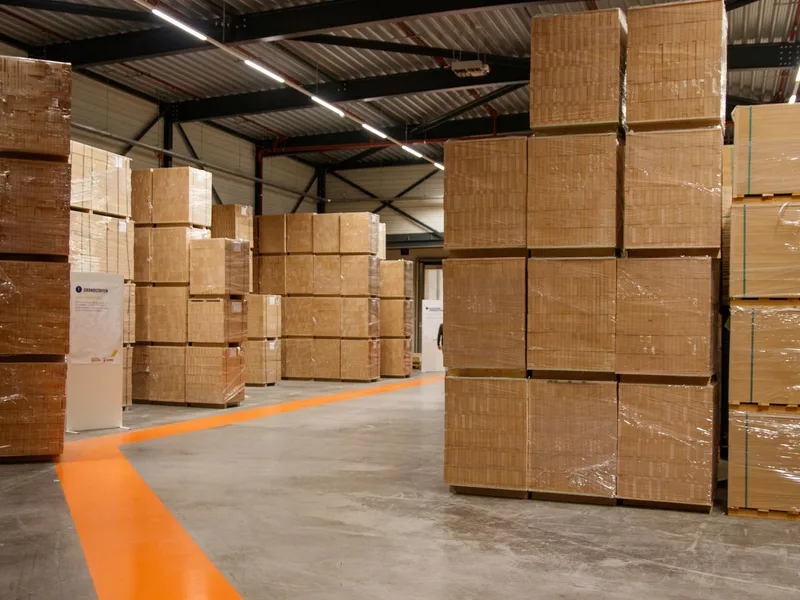
Cardboard in the stockroom
Cardboard arrives nearly daily from suppliers and wholesalers and may carry insects from the road.
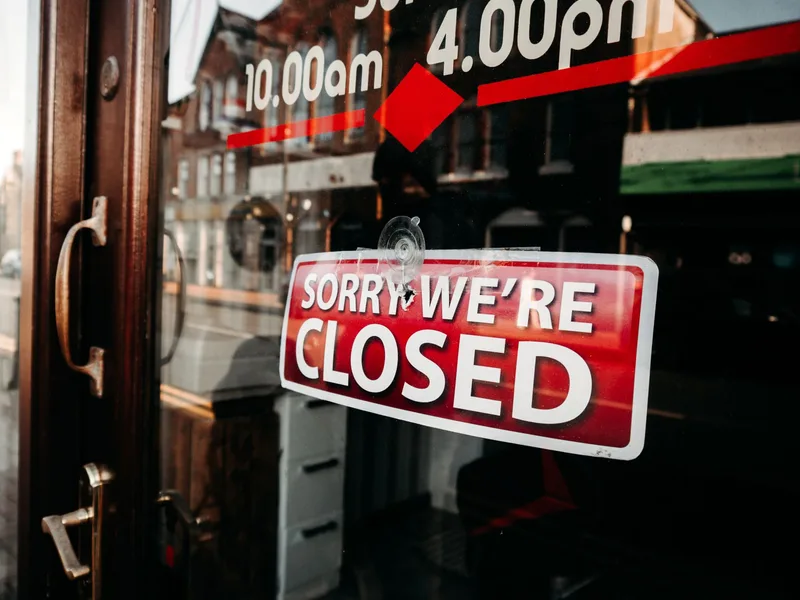
The frontage and the sliding door
Glass frontages and motorised doors in retail units need constant maintenance because heavy use widens the gaps.
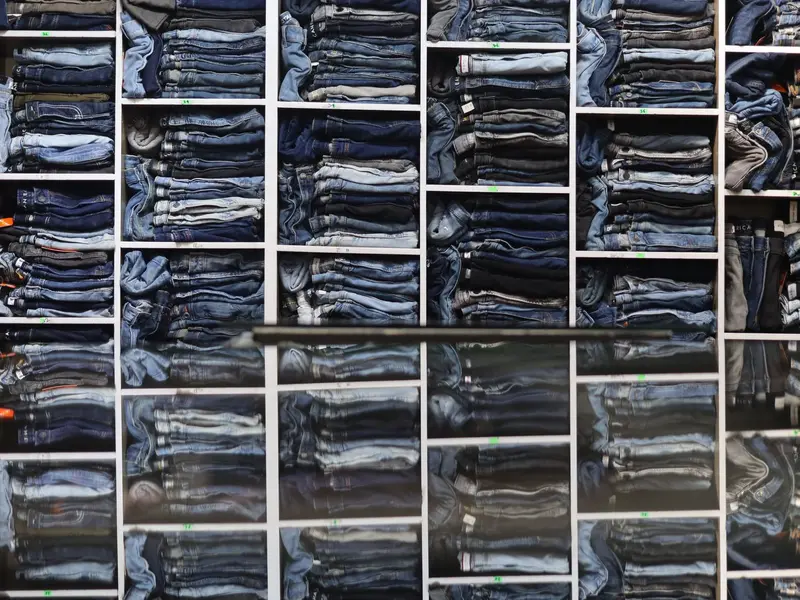
What the shop sells
Shops stock diverse goods: clothing, equipment, accessories and sometimes food in the cafe units.
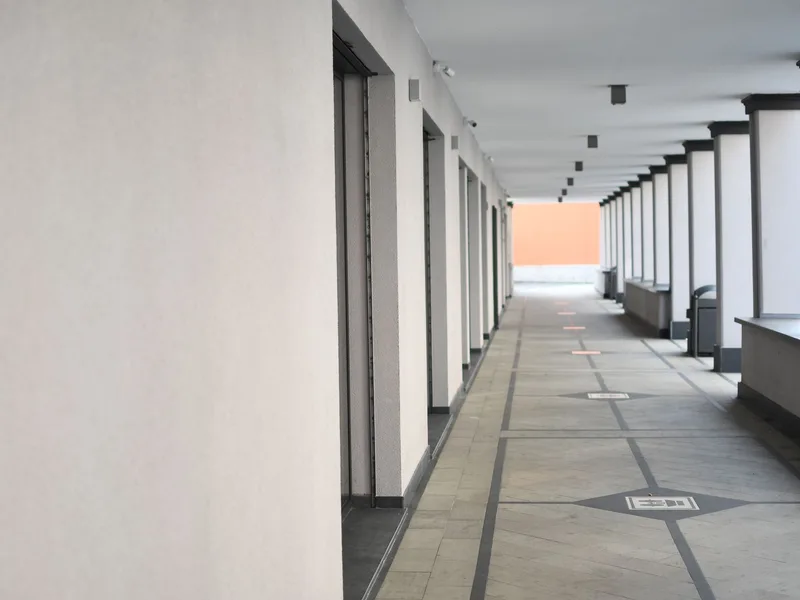
The shared back corridor
The shared rear corridor carries common drainage pipes and waste collection from multiple shops, attracting rodents.
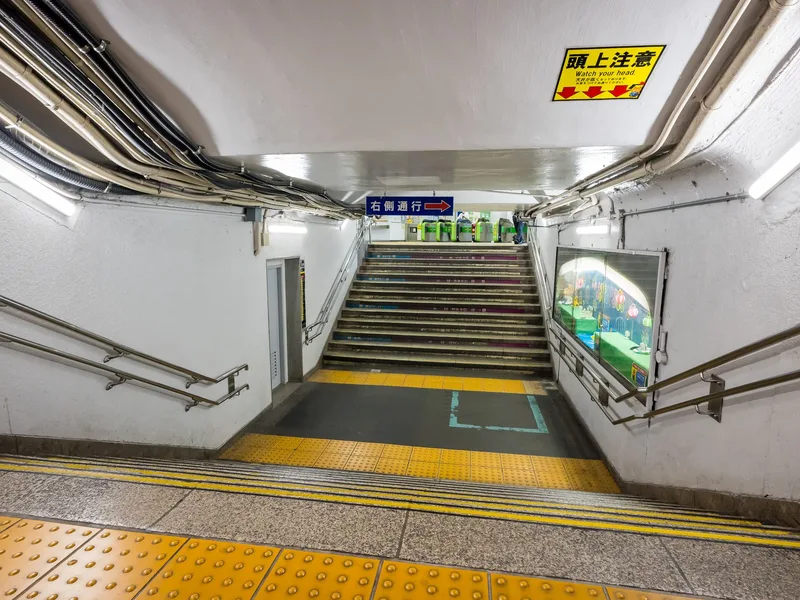
The ceiling void and the services
Suspended ceilings are common in showrooms and offices, and the ceiling void provides passages for insects between units.
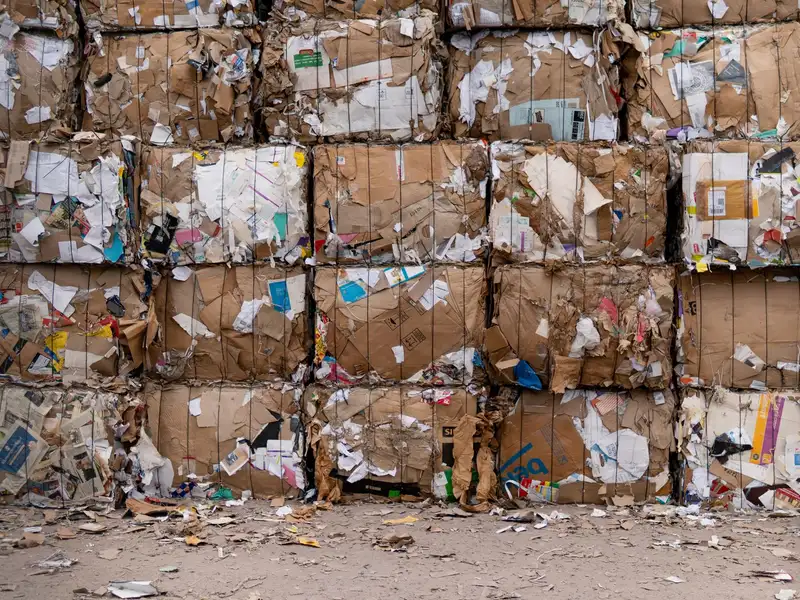
Waste and board behind the shop
Waste accumulates rapidly in the rear corridor because every shop adds to it, creating an ideal habitat for rodents and cockroaches.
How we work
-
1
An out-of-hours walk
We walk the floor, the stockroom, the fitting area, the back corridor and the waste route, and record what the shop sells, the delivery cycle and the boundary points with the neighbouring units before anything is applied.
-
2
Treat the stockroom and the goods route
Placed bait into racking uprights, junctions and cracks, dust into the dry voids, and nothing on merchandise or display faces.
-
3
Close the boundary of the unit
A sweep under the stockroom door, mesh on the vents and sealing at the service penetrations on the party wall, because exclusion does more to stop a return than repeating the spray.
-
4
Numbered points and a report each visit
Fixed positions on one route, read every visit and logged even when the reading is nil, with a report of what was found, what was treated and what the building needs closed, plus a copy for centre management when they ask for it.
What retail pest control includes
-

An out-of-hours inspection
A walk covering the floor, the stockroom, the back corridor and the delivery route, ending with the pest list this particular shop actually carries.
-

Bait and points on the goods route
In the stockroom, behind racking and along the goods-in route, out of any customer's reach and away from anything on sale.
-

Targeted crack and crevice work
On junctions, racking feet and the unit perimeter, never on stock, display surfaces or the open sales floor.
-

Drains and the waste area
The floor gullies in the back corridor, the ground around the containers and where the board is collected, because that is the source that renews daily.
-

Getting the shop back to trading
What gets covered before we start, what is wiped afterwards, and the ventilation time we set with you on the call, because it changes with the product and the space.
-

A follow-up visit and a written record
A set date after the first treatment, and a record carrying the date of each visit, the readings, and what was applied and where.
Landmarks of Al Naeem
We access the shops via Hira Street and Al Naeem Street where Hira International Market serves as the main reference point, and the units stretch between Prince Sultan Road and Madinah Road.
- Hira Street
- Al Naeem Street
- Hira International Market
- Al Naeem Public Park
- Prince Sultan Road
Questions about this district
The restaurant next door has never been treated. How do I keep my shop safe?
The dividing wall between you will not stop insects. We treat the frontage, the base, gaps around pipes and the shared rear corridor. We may need to engage the restaurant owner about their treatment plan.
My unit is a showroom with slow-moving inventory. Do I need different measures?
Showrooms often leave doors open and clean less frequently. We focus on the main entrance, reduce cardboard and inspect the stored stock regularly.
Irregular opening hours mean the door is unlocked at odd times. Does this matter?
Yes. Doors open at unexpected times give insects entry opportunities. Units opening late attract more nocturnal insects.
The unit next to mine is closed. Insects are living in it. What do we do?
A closed untreated unit becomes a refuge. We request access from the owner to inspect and treat it, especially the boundaries and shared walls.
How many neighbouring units actually affect my shop's pest pressure?
Insects move readily between adjacent units through shared cavities and service pipes. Every directly attached neighbour affects you, and nearby units do as well.
Do commercial districts need stronger chemical treatment than residential areas?
Pressure is higher, but we start with sealing and thorough cleaning. Stronger chemicals may disturb customers. We use safe products and visit more often instead.
How much does retail and malls in Al Naeem cost?
It is set after the inspection, because the price follows the type of infestation, the size of the space, how far it has spread and the number of visits it needs. Send a photo and a description on WhatsApp and we will give you an estimate before we reach Al Naeem.
Nearby districts we cover
Other services in Al Naeem
Other services we provide to residents of Al Naeem.
-
 Residential
Cockroach control
Residential
Cockroach control
-
 Residential
Bed bug control
Residential
Bed bug control
-
 Residential
Termite control
Residential
Termite control
-
 Residential
Rodents and mice
Residential
Rodents and mice
-
 Residential
Mosquito control
Residential
Mosquito control
-
 Residential
Fly control
Residential
Fly control
-
 Residential
Ant control
Residential
Ant control
-
 Residential
Gecko control
Residential
Gecko control
-
 Residential
Scorpion control
Residential
Scorpion control
-
 Residential
Snake control
Residential
Snake control
-
 Residential
Flea control
Residential
Flea control
-
 Residential
Bird and pigeon control
Residential
Bird and pigeon control
-
 Residential
Preventive treatment
Residential
Preventive treatment
-
 Residential
Disinfection
Residential
Disinfection
-
 Commercial
Annual contracts
Commercial
Annual contracts
-
 Commercial
Restaurants and cafes
Commercial
Restaurants and cafes
-
 Commercial
Hotels and apartments
Commercial
Hotels and apartments
-
 Commercial
Warehouses and factories
Commercial
Warehouses and factories
-
 Commercial
Schools and nurseries
Commercial
Schools and nurseries
-
 Commercial
Rest houses and farms
Commercial
Rest houses and farms
-
 Commercial
Fumigation
Commercial
Fumigation
-
 Water tanks
Water tank cleaning
Water tanks
Water tank cleaning
-
 Water tanks
Water tank sterilization
Water tanks
Water tank sterilization
-
 Water tanks
Water tank sealing
Water tanks
Water tank sealing
-
 Water tanks
Tank leak repair
Water tanks
Tank leak repair
Need retail and malls in Al Naeem? Tell us what you saw and we will tell you what it needs
We reach Al Naeem at a time we agree, and you get the full cost before we start.