

Retail and malls in Al Shati Jeddah
Shops facing the Jeddah Corniche sit inside constant salt air and sea humidity, which alters how pest control works completely. In Al Shati we treat the moisture sources and salt deposits that draw insects to the frontages, sliding doors and stockrooms, stopping them before they settle into the merchandise.
-
Targeted, not broadcast
Product goes into cracks and runways, never sprayed across open surfaces.
-
Told before we start
What we will use, where it goes, and what to cover or move before we arrive.
-
A follow-up visit
We return after the first treatment, because what survives it does not show on the day.
-
Homes and businesses
Apartments and villas, and kitchens and stores that need a record of each visit.
Why they keep coming back in Al Shati
Coastal humidity here softens cardboard in the stockroom in days, turning it into ideal shelter and breeding ground for insects that would remain dormant in a drier district. The method is set out in full on the full Retail and malls page.
Salt air penetrates directly into the stock area
Salt spray works through small gaps and sliding door seals into the inside walls of the stockroom, creating damp pockets that draw cockroaches, ants and moisture insects into corners and around shelving where they hide and breed constantly.
Imported cardboard arrives damp from sea freight
Stock arrives in cardboard softened by the sea crossing, and in Al Shati the stockroom humidity stays high, so the cardboard never dries and becomes permanent insect shelter from arrival until disposal, often days later.
Shops open directly onto the shore and the breeze
Retail units at Red Sea Mall and the open market sit right on the corniche, and sea air enters through every ventilation opening and door seal, making humidity control and boundary sealing harder and more frequent than inland shops need.
Al Shati on the map
Al Shati sits about 2.5 km from Al Nahdah and about 4.5 km from Al Naeem.
Open in Google MapsWhat decides the treatment in a shop
Shops between Red Sea Mall and Al Shati Market face high humidity and salt-laden air throughout the year, and the external walls and openings of every unit take the full force of it.
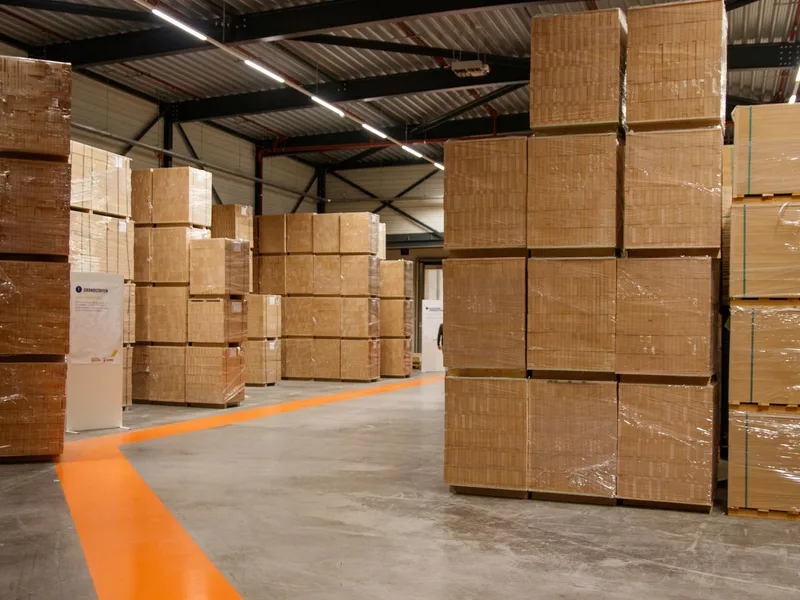
Cardboard in the stockroom
Damp cardboard from sea freight arrives regularly and stays soft in coastal humidity, so we clear it daily and keep all storage elevated clear of the floor on metal racking.

The frontage and the sliding door
The sliding door facing the corniche admits salt spray and moisture constantly, so we fit tight rubber seals and regularly clear salt deposits from the frame and tracks.

What the shop sells
The shop sells gifts, clothing and home décor, and high humidity makes these goods a favourable environment for insects, so we monitor all external openings more closely here.
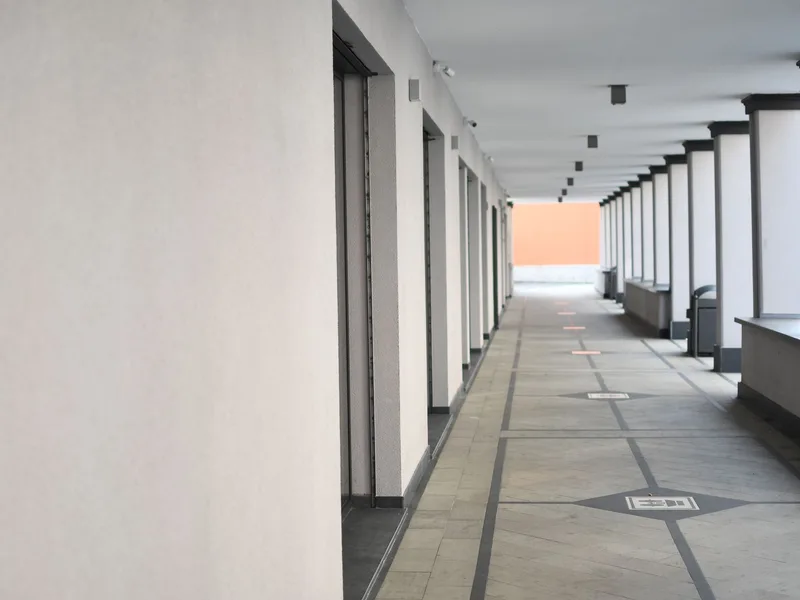
The shared back corridor
The back corridor opens onto the corniche and receives direct salt air exposure, so we seal it with tight fitting doors and barrier seals much tighter than inland corridors need.
The ceiling void and the services
The suspended ceiling has service runs where salt-laden air collects and condenses, creating damp zones quickly, so we inspect it frequently and clean ventilation filters regularly.

Waste and board behind the shop
Waste and cardboard behind the shop sit on elevated tables to clear the floor, but salt air still dampens them, so we remove all waste and card daily rather than on a three-day cycle.
How we work
-
1
An out-of-hours walk
We walk the floor, the stockroom, the fitting area, the back corridor and the waste route, and record what the shop sells, the delivery cycle and the boundary points with the neighbouring units before anything is applied.
-
2
Treat the stockroom and the goods route
Placed bait into racking uprights, junctions and cracks, dust into the dry voids, and nothing on merchandise or display faces.
-
3
Close the boundary of the unit
A sweep under the stockroom door, mesh on the vents and sealing at the service penetrations on the party wall, because exclusion does more to stop a return than repeating the spray.
-
4
Numbered points and a report each visit
Fixed positions on one route, read every visit and logged even when the reading is nil, with a report of what was found, what was treated and what the building needs closed, plus a copy for centre management when they ask for it.
What retail pest control includes
-

An out-of-hours inspection
A walk covering the floor, the stockroom, the back corridor and the delivery route, ending with the pest list this particular shop actually carries.
-

Bait and points on the goods route
In the stockroom, behind racking and along the goods-in route, out of any customer's reach and away from anything on sale.
-

Targeted crack and crevice work
On junctions, racking feet and the unit perimeter, never on stock, display surfaces or the open sales floor.
-

Drains and the waste area
The floor gullies in the back corridor, the ground around the containers and where the board is collected, because that is the source that renews daily.
-

Getting the shop back to trading
What gets covered before we start, what is wiped afterwards, and the ventilation time we set with you on the call, because it changes with the product and the space.
-

A follow-up visit and a written record
A set date after the first treatment, and a record carrying the date of each visit, the readings, and what was applied and where.
The character of Al Shati
Coastal area: high humidity and salt air through the year
High coastal humidity means insects are not seeking water here; they are already in it. We do not wait for them to reach the drains, but seal moisture at the entry points and external walls where it enters from the air.
Questions about this district
How does salt air change the way we treat a shop here?
Salt in the air reacts with storage materials and makes them damp, which draws insects faster than in inland areas. We focus on sealing openings much tighter and drying stockrooms regularly, because the moisture returns within hours in sea wind.
Does salt air reduce how long the treatment lasts?
Yes, salt spray washes residue from surfaces much faster than inland rainfall would. We use stronger formulations at higher concentrations and increase visit frequency during the windier months when salt loading is highest.
The shop is metres from open sea. Do marine insects get in?
Yes, some insects that breed in coastal conditions enter with the air and ventilation. We fit fine mesh screens to all ventilation and install door seals with air barriers around the sliding frontage specifically to stop this.
Cardboard in the stockroom gets damp very quickly here. What works?
We recommend moving cardboard storage to metal racking well clear of the floor and walls, fitting a small dehumidifier, and clearing empty boxes daily rather than letting them sit for several days as inland shops do.
Humidity is high summer and winter both. Does the season change how we work?
Humidity is high year round in a coastal location, but summer stresses the treatment more and winter increases insect entry indoors for warmth. We adjust frequency and concentration by season to match the pressure.
The shop sits between a market and a hotel. Does that change the approach?
Yes, the coastal location multiplies food sources from foot traffic and adjacent food outlets, and high humidity increases pressure overall. We focus much harder on boundaries and shared corridors than we would in an inland shop.
How much does retail and malls in Al Shati cost?
It is set after the inspection, because the price follows the type of infestation, the size of the space, how far it has spread and the number of visits it needs. Send a photo and a description on WhatsApp and we will give you an estimate before we reach Al Shati.
Nearby districts we cover
Other services in Al Shati
Other services we provide to residents of Al Shati.
-
 Residential
Cockroach control
Residential
Cockroach control
-
 Residential
Bed bug control
Residential
Bed bug control
-
 Residential
Termite control
Residential
Termite control
-
 Residential
Rodents and mice
Residential
Rodents and mice
-
 Residential
Mosquito control
Residential
Mosquito control
-
 Residential
Fly control
Residential
Fly control
-
 Residential
Ant control
Residential
Ant control
-
 Residential
Gecko control
Residential
Gecko control
-
 Residential
Scorpion control
Residential
Scorpion control
-
 Residential
Snake control
Residential
Snake control
-
 Residential
Flea control
Residential
Flea control
-
 Residential
Bird and pigeon control
Residential
Bird and pigeon control
-
 Residential
Preventive treatment
Residential
Preventive treatment
-
 Residential
Disinfection
Residential
Disinfection
-
 Commercial
Annual contracts
Commercial
Annual contracts
-
 Commercial
Restaurants and cafes
Commercial
Restaurants and cafes
-
 Commercial
Hotels and apartments
Commercial
Hotels and apartments
-
 Commercial
Warehouses and factories
Commercial
Warehouses and factories
-
 Commercial
Schools and nurseries
Commercial
Schools and nurseries
-
 Commercial
Rest houses and farms
Commercial
Rest houses and farms
-
 Commercial
Fumigation
Commercial
Fumigation
-
 Water tanks
Water tank cleaning
Water tanks
Water tank cleaning
-
 Water tanks
Water tank sterilization
Water tanks
Water tank sterilization
-
 Water tanks
Water tank sealing
Water tanks
Water tank sealing
-
 Water tanks
Tank leak repair
Water tanks
Tank leak repair
Need retail and malls in Al Shati? Tell us what you saw and we will tell you what it needs
We reach Al Shati at a time we agree, and you get the full cost before we start.