

Retail and malls in Al Saruriyah Jeddah
Al Saruriyah is an industrial and commercial district south Jeddah along the Al Laith Expressway, where distribution and storage warehouses far outnumber homes. The district sits beside the vegetable and fruit market, the livestock market, the Islamic Port and the Industrial City to the west. Constant truck movement, food boxes, provisions and live animals draw insects and rodents in abundance. Small shops and hotels serve drivers and labourers. Sea humidity drifts in from the port, and open stormwater channels run between warehouses carrying water, food waste and the debris of daily traffic.
-
Targeted, not broadcast
Product goes into cracks and runways, never sprayed across open surfaces.
-
Told before we start
What we will use, where it goes, and what to cover or move before we arrive.
-
A follow-up visit
We return after the first treatment, because what survives it does not show on the day.
-
Homes and businesses
Apartments and villas, and kitchens and stores that need a record of each visit.
Why they keep coming back in Al Saruriyah
Open drainage channels run between warehouses in Al Saruriyah. Low lying ground holds water and organic debris, and insects and rodents use the channels as highways for movement. The method is set out in full on Retail and malls in detail.
Vegetable, fruit and livestock markets directly adjacent to storage
The vegetable and livestock markets border Al Saruriyah directly, and goods move from market to warehouses and shops without inspection. Rotting produce, offal, blood and dead animals in the markets provide food and shelter for insects and rats, and trucks carry insects between market and warehouse constantly in both directions.
Large warehouses with stacked goods and sea humidity from the port
Al Saruriyah warehouses are large and deep, goods stack without order, and sea humidity from the port enters at night making stock and floors chronically damp. Insects hide between boxes and in gaps, and rats tunnel under the floor looking for the smallest access to higher ground.
Open drainage channels with standing water and organic debris
Drainage channels between warehouses are open and carry water and waste. At night water collects in the channel floors. This mix of stagnant water and organic waste is ideal for mosquitoes, flies and cockroaches, and rodents drink from the channels and shelter in them.
Landmarks of Al Saruriyah
Work in Al Saruriyah is organised by where your warehouse sits on or near the Al Laith Expressway and the Industrial City. Access is from the expressway or through inner district roads, and visit scheduling accounts for warehouse movement relative to the vegetable and fruit markets and the livestock market adjacent to your location.
- Al Laith Expressway
- Shifa Jeddah Medical Complex
- Vegetable and Fruit Market
- Livestock Market
- Al Seef Beach
What decides the treatment in a shop
An industrial and logistics district stretching along the Al Laith Expressway with warehouses, loading yards and truck parking, close to the vegetable market, livestock market, the port and refinery to the west.
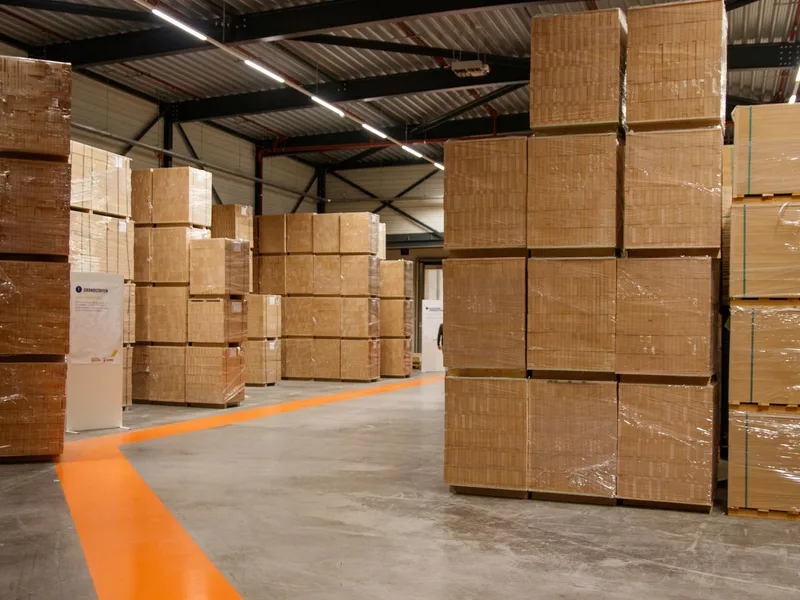
Cardboard in the stockroom
Cardboard from contaminated markets reaches the warehouse with insects and fungal growth, and internal stockrooms may be deep without proper ventilation.
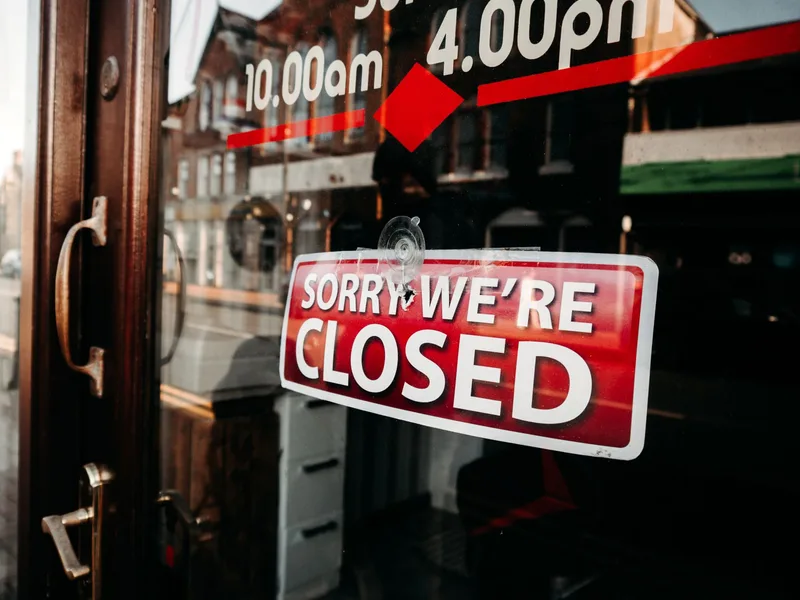
The frontage and the sliding door
Large loading doors stand open during shipping and receiving allowing insects, birds and pests entry, and the gap beneath gates is wide.
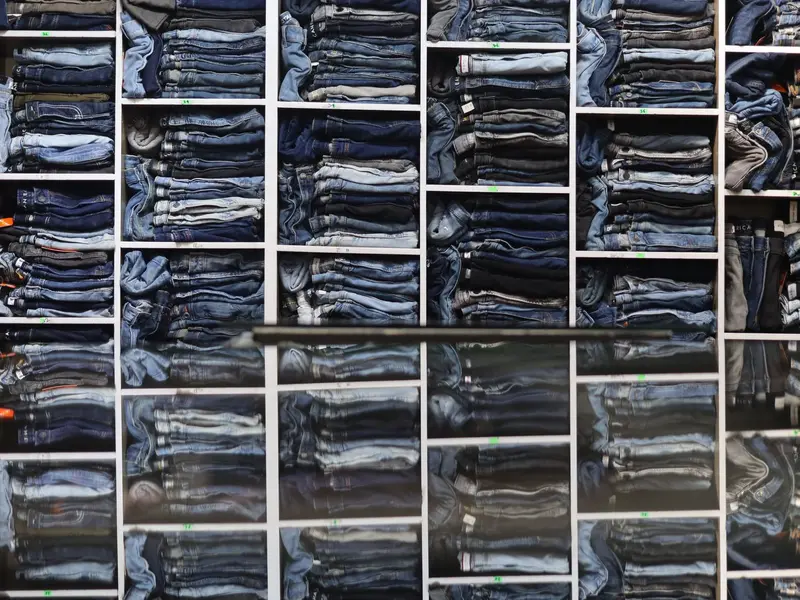
What the shop sells
Warehouses in Al Saruriyah are mixed: general storage, food storage, provisions and supplies, each attracting different insects.
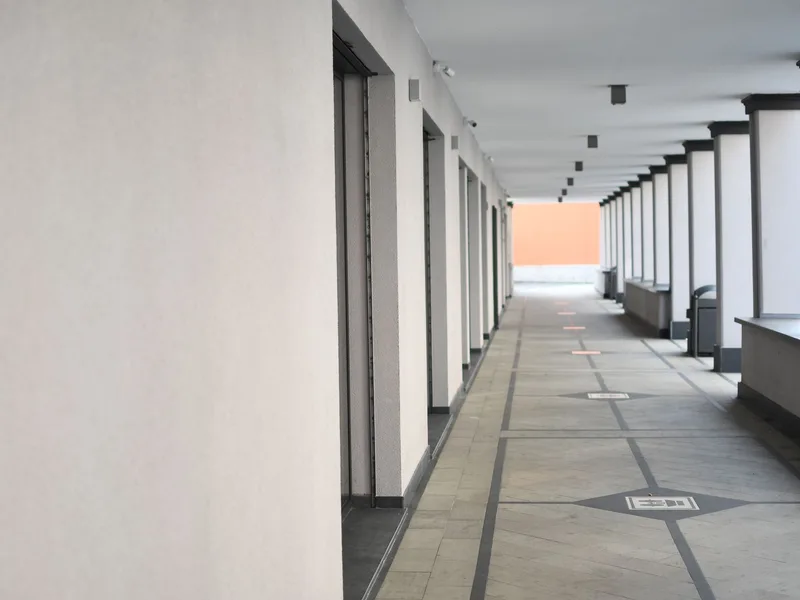
The shared back corridor
Passages between warehouses carry open drainage channels which may lack adequate lighting at night.
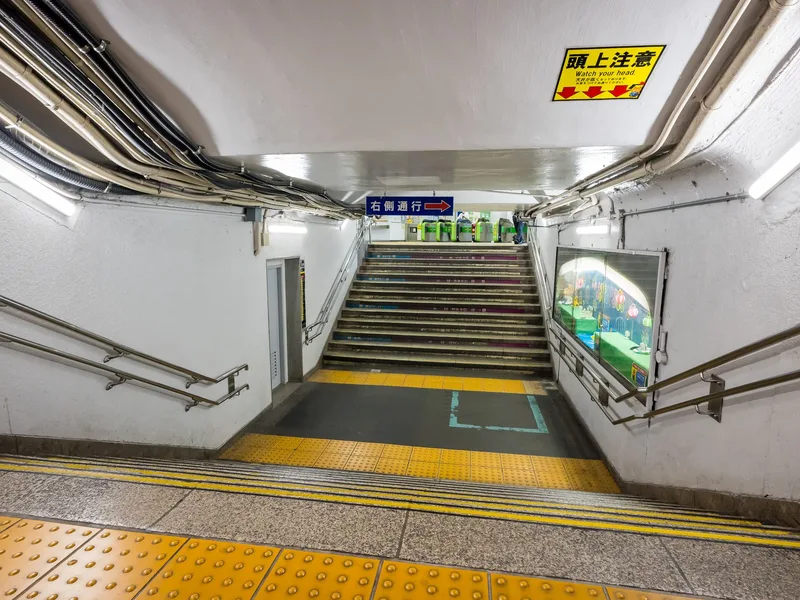
The ceiling void and the services
Ceilings in warehouses are high with numerous gaps, insects shelter in high corners and voids.
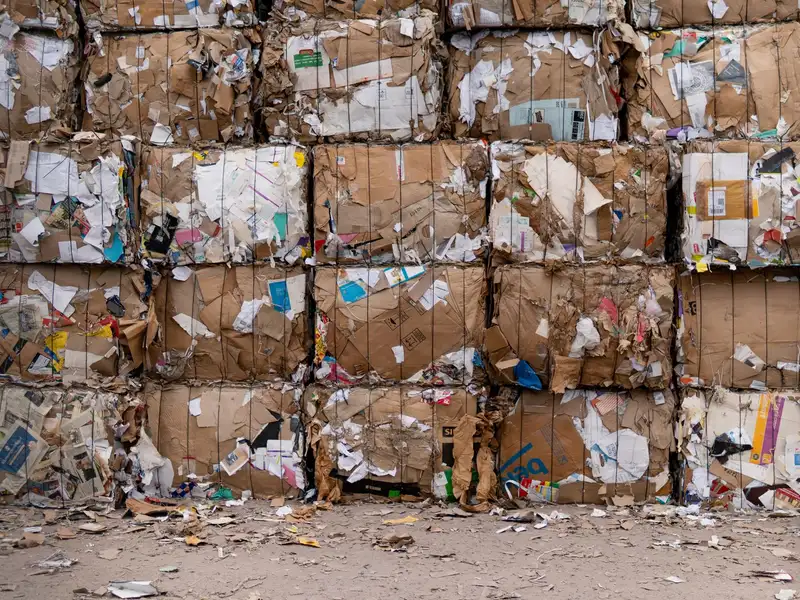
Waste and board behind the shop
Waste cardboard and packaging behind warehouses accumulates quickly and may not be removed for several days.
How we work
-
1
An out-of-hours walk
We walk the floor, the stockroom, the fitting area, the back corridor and the waste route, and record what the shop sells, the delivery cycle and the boundary points with the neighbouring units before anything is applied.
-
2
Treat the stockroom and the goods route
Placed bait into racking uprights, junctions and cracks, dust into the dry voids, and nothing on merchandise or display faces.
-
3
Close the boundary of the unit
A sweep under the stockroom door, mesh on the vents and sealing at the service penetrations on the party wall, because exclusion does more to stop a return than repeating the spray.
-
4
Numbered points and a report each visit
Fixed positions on one route, read every visit and logged even when the reading is nil, with a report of what was found, what was treated and what the building needs closed, plus a copy for centre management when they ask for it.
What retail pest control includes
-

An out-of-hours inspection
A walk covering the floor, the stockroom, the back corridor and the delivery route, ending with the pest list this particular shop actually carries.
-

Bait and points on the goods route
In the stockroom, behind racking and along the goods-in route, out of any customer's reach and away from anything on sale.
-

Targeted crack and crevice work
On junctions, racking feet and the unit perimeter, never on stock, display surfaces or the open sales floor.
-

Drains and the waste area
The floor gullies in the back corridor, the ground around the containers and where the board is collected, because that is the source that renews daily.
-

Getting the shop back to trading
What gets covered before we start, what is wiped afterwards, and the ventilation time we set with you on the call, because it changes with the product and the space.
-

A follow-up visit and a written record
A set date after the first treatment, and a record carrying the date of each visit, the readings, and what was applied and where.
What is different about South Sub-Municipality
The South sub municipality runs from the edge of Old Makkah Road down to Al Khumrah and the southern corniche. Dense residential districts sit beside new subdivisions such as Al Sanabil and Al Taawun, warehouse fringes such as Al Saruriyah and Al Sarawat, and an old seaside settlement at Al Quzayn. Open stormwater channels cross the housing, and the warehouses, the vegetable and livestock markets and the nearby Islamic Port and Industrial City give pests shelter, food and year round humidity. Pressure is greatest in the older quarters, where drainage networks are ageing.
Questions about this district
Stock arrives directly from the contaminated vegetable market. Do we inspect every box?
No. Your warehouse and shop must be sealed so insects arriving with goods cannot settle. We treat the warehouse and gaps, and you inspect arriving stock and report any visible infestation to your suppliers.
The open drain channels beside our warehouse have many rats. What can we do?
Open channels are a municipal responsibility. We record rat presence in the report and recommend you notify the municipality. Your treatment focuses on the warehouse, underground voids and interior corners.
The warehouse is huge with almost no ventilation, does that cause infestation?
Large unventilated warehouses are chronically damp, and dampness plus stock attracts insects. We treat the warehouse, but ventilation and drying on your part reduce ongoing infestation.
Insects come from the adjacent warehouse which is infested. What is the solution?
If the neighbouring warehouse is infested, insects may reach you through shared walls and drains. We seal your boundary and focus on monitoring major entry points.
Delivery vehicles carry insects from other distribution points. What do we do?
Insects travel with vehicles and containers between distribution points. We treat your warehouse so insects entering with containers do not settle. Container cleaning is your supplier's responsibility.
The livestock market is beside us. Does the smell and filth bring insects?
Yes. The livestock market is a direct source of flies, insects and rodents. Smell, blood, spoilage and dead animals provide food and shelter. Treating your shop reduces pressure, but proximity to the market means continuous infestation.
How much does retail and malls in Al Saruriyah cost?
It is set after the inspection, because the price follows the type of infestation, the size of the space, how far it has spread and the number of visits it needs. Send a photo and a description on WhatsApp and we will give you an estimate before we reach Al Saruriyah.
Nearby districts we cover
Other services in Al Saruriyah
Other services we provide to residents of Al Saruriyah.
-
 Residential
Cockroach control
Residential
Cockroach control
-
 Residential
Bed bug control
Residential
Bed bug control
-
 Residential
Termite control
Residential
Termite control
-
 Residential
Rodents and mice
Residential
Rodents and mice
-
 Residential
Mosquito control
Residential
Mosquito control
-
 Residential
Fly control
Residential
Fly control
-
 Residential
Ant control
Residential
Ant control
-
 Residential
Gecko control
Residential
Gecko control
-
 Residential
Scorpion control
Residential
Scorpion control
-
 Residential
Snake control
Residential
Snake control
-
 Residential
Flea control
Residential
Flea control
-
 Residential
Bird and pigeon control
Residential
Bird and pigeon control
-
 Residential
Preventive treatment
Residential
Preventive treatment
-
 Residential
Disinfection
Residential
Disinfection
-
 Commercial
Annual contracts
Commercial
Annual contracts
-
 Commercial
Restaurants and cafes
Commercial
Restaurants and cafes
-
 Commercial
Hotels and apartments
Commercial
Hotels and apartments
-
 Commercial
Warehouses and factories
Commercial
Warehouses and factories
-
 Commercial
Schools and nurseries
Commercial
Schools and nurseries
-
 Commercial
Rest houses and farms
Commercial
Rest houses and farms
-
 Commercial
Fumigation
Commercial
Fumigation
-
 Water tanks
Water tank cleaning
Water tanks
Water tank cleaning
-
 Water tanks
Water tank sterilization
Water tanks
Water tank sterilization
-
 Water tanks
Water tank sealing
Water tanks
Water tank sealing
-
 Water tanks
Tank leak repair
Water tanks
Tank leak repair
Need retail and malls in Al Saruriyah? Tell us what you saw and we will tell you what it needs
We reach Al Saruriyah at a time we agree, and you get the full cost before we start.