

Retail and malls in Al Zahra Jeddah
In Al Zahra's mixed-use blocks, the shop occupies the ground floor and residential flats sit directly above it. Insects do not distinguish between the shop and the flat above. They move freely through shared walls, ceilings and water pipes. A shop treated alone will be reinfested within weeks if the flats above are not addressed or if the voids between them are left open.
-
Targeted, not broadcast
Product goes into cracks and runways, never sprayed across open surfaces.
-
Told before we start
What we will use, where it goes, and what to cover or move before we arrive.
-
A follow-up visit
We return after the first treatment, because what survives it does not show on the day.
-
Homes and businesses
Apartments and villas, and kitchens and stores that need a record of each visit.
Why they keep coming back in Al Zahra
Shops here are regularly reinfested from the flats above because the boundary between them is porous, the pipework is shared, and the communal stairs are warm and permanently damp. The method is set out in full on the full Retail and malls page.
The shared ceiling carries pipes from the flat
The old floor of the flat and the newer ceiling of the shop below leave gaps around the pipes running between them. Moisture from the flat's kitchen or bathroom seeps downward, and insects follow the water and the smell directly through these gaps into the shop space.
The shared water tank and drainage lines
Most older residential blocks in Al Zahra are served by a single shared water tank or common drainage. Seepage from the pipes or silt accumulation in the drains creates a permanently damp environment behind the shop's walls. This is exactly where insects shelter and breed.
The shared entrance and narrow stairs
The shop and the flats above it share the same entry and stairwell. Waste from the upper flats travels down these stairs alongside residents, and moisture gathers in corners. This creates a perfect highway for insects to move between floors and into the shop.
The character of Al Zahra
Mixed district: shops at street level with homes above them
In a mixed-use district like Al Zahra, a shop is never an isolated unit. Every treatment must acknowledge that insects travel vertically through shared pipes and ceilings. Treatment focuses on sealing these pathways and identifying breeding points in voids, not simply spraying surfaces.
What decides the treatment in a shop
Al Zahra is a modern mixed-use district in north western Jeddah with residential buildings and commercial units occupying the same blocks. Shops share walls, ceilings and infrastructure with the flats stacked above them.
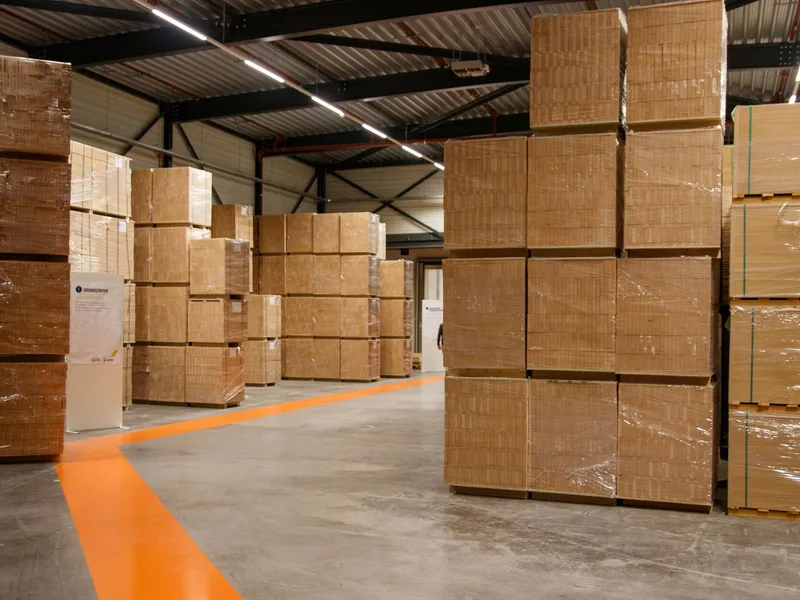
Cardboard in the stockroom
Cardboard and delivered goods in Al Zahra shops may carry insects from shared storage areas on lower floors or from neighbouring flats, since deliveries pass through common building areas.
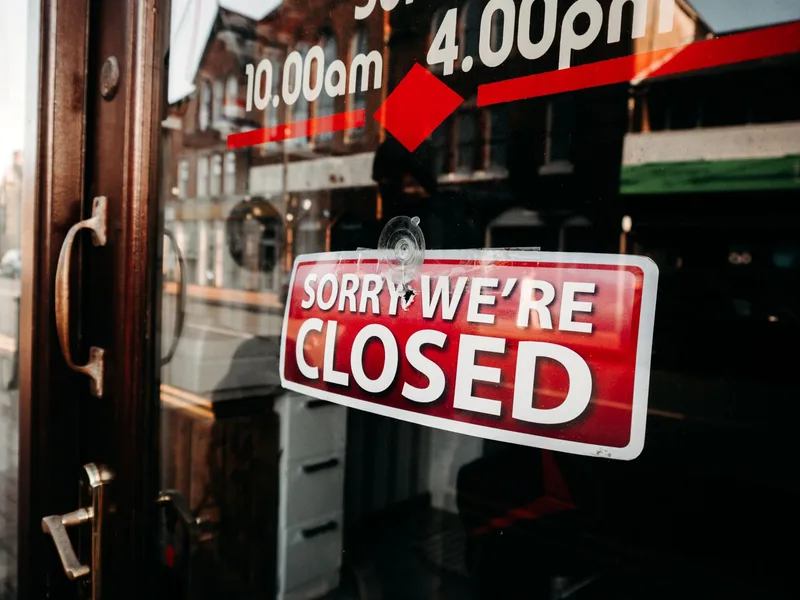
The frontage and the sliding door
The frontage and sliding door face a busy street outside, but moisture from the shared ceiling seeps down inside and pools around the door frame where insects gather.

What the shop sells
Shops here stock diverse goods from small groceries to specialist retail, but all share the same core problem: permanent dampness seeping down from the flats and their plumbing directly into the shop space.
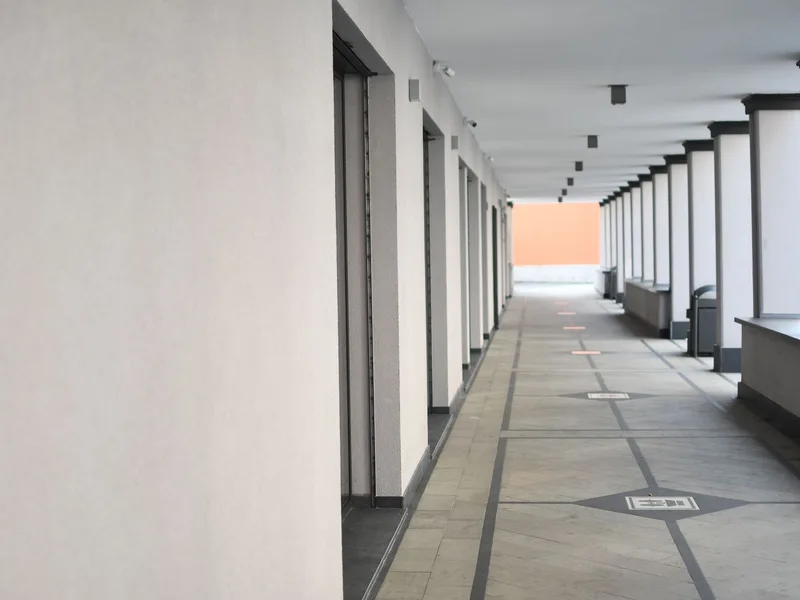
The shared back corridor
The shared back corridor in residential buildings holds waste from both flats and shops, and permanent dampness there acts as an insect breeding ground that feeds the entire block.
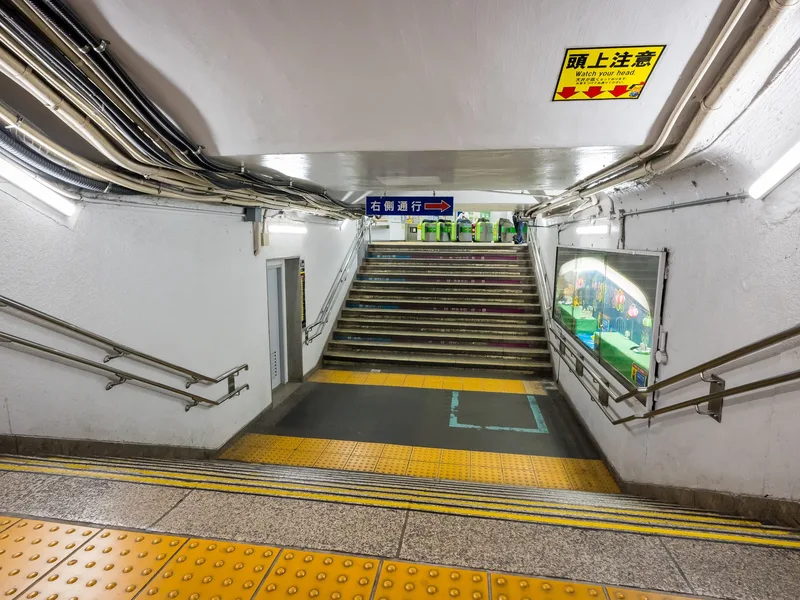
The ceiling void and the services
The suspended ceiling and its services in the shop run beneath pipes and wiring from the flat above. Gaps around these penetrations are the highways insects use to move between floors.

Waste and board behind the shop
Cardboard and waste behind the shop mix with waste from the flats, waste management is weak in mixed-use blocks, and this creates a major insect attractant that sits against the shared wall.
How we work
-
1
An out-of-hours walk
We walk the floor, the stockroom, the fitting area, the back corridor and the waste route, and record what the shop sells, the delivery cycle and the boundary points with the neighbouring units before anything is applied.
-
2
Treat the stockroom and the goods route
Placed bait into racking uprights, junctions and cracks, dust into the dry voids, and nothing on merchandise or display faces.
-
3
Close the boundary of the unit
A sweep under the stockroom door, mesh on the vents and sealing at the service penetrations on the party wall, because exclusion does more to stop a return than repeating the spray.
-
4
Numbered points and a report each visit
Fixed positions on one route, read every visit and logged even when the reading is nil, with a report of what was found, what was treated and what the building needs closed, plus a copy for centre management when they ask for it.
What retail pest control includes
-

An out-of-hours inspection
A walk covering the floor, the stockroom, the back corridor and the delivery route, ending with the pest list this particular shop actually carries.
-

Bait and points on the goods route
In the stockroom, behind racking and along the goods-in route, out of any customer's reach and away from anything on sale.
-

Targeted crack and crevice work
On junctions, racking feet and the unit perimeter, never on stock, display surfaces or the open sales floor.
-

Drains and the waste area
The floor gullies in the back corridor, the ground around the containers and where the board is collected, because that is the source that renews daily.
-

Getting the shop back to trading
What gets covered before we start, what is wiped afterwards, and the ventilation time we set with you on the call, because it changes with the product and the space.
-

A follow-up visit and a written record
A set date after the first treatment, and a record carrying the date of each visit, the readings, and what was applied and where.
Landmarks of Al Zahra
Shops in Al Zahra sit between King Abdulaziz Road, the main commercial artery, and Hira Street, with many positioned near the hospitals, the university and the mall. Each location carries its own pattern of foot traffic, moisture source and insect pressure.
- King Abdulaziz Road
- Hira Street
- Al Zahra Hospital
- Saudi German Hospital
- University of Business and Technology
- Zahra Mall
Questions about this district
The flat directly above us has damp or leaking pipes. Does this affect our shop?
Direct impact, almost certain. Damp and seeping pipes attract insects to the flat first, then they move through gaps around the pipes into the shared ceiling and down into the shop. Fixing the flat's problem is as important as treating the shop itself. Without it, treatment of the shop alone cannot hold.
Should we treat both the flats and the shop together or treat the shop alone?
Treating the shop alone is insufficient if the neighbours above do not treat. Insects return from the upper floors within weeks. Coordination with flat residents is essential, or at minimum the gaps around pipes must be sealed airtight and the ceiling void checked for existing infestations.
The shared stairs are constantly damp and poorly cleaned. Whose responsibility is this?
Responsibility lies with the building owner or its management. For the shop, we can seal gaps around the shop door, apply treated barriers against moisture seepage, and leave numbered monitoring points that we read at each visit. This slows reinfestation from above.
The shared water tank is far away from the shop. Does it actually affect insects here?
Yes, significantly. Old water tanks and shared drainage systems are natural insect reservoirs. The pipes running from the tank through the walls carry moisture and smell. Insects follow these pipes directly to the shop and the flats. The tank's condition matters to every unit it serves.
The shop is new but the building is old. Are insects from the old structure or from how we use the shop?
Both, usually. The old structure harbours breeding grounds behind pipes and inside walls. The new shop receives insects from these sources through the shared ceiling and pipes. Our treatment targets these hidden breeding points first, working behind the finishes and around all penetrations.
If we treat our shop and the flat does not, how long before insects come back?
One to three weeks, depending on infestation severity in the flats above. Insects move down from contaminated upper floors directly through shared gaps. Treatment must be repeated in the shop and gaps must be sealed. Without coordination, the shop remains under constant pressure from above.
How much does retail and malls in Al Zahra cost?
It is set after the inspection, because the price follows the type of infestation, the size of the space, how far it has spread and the number of visits it needs. Send a photo and a description on WhatsApp and we will give you an estimate before we reach Al Zahra.
Nearby districts we cover
Other services in Al Zahra
Other services we provide to residents of Al Zahra.
-
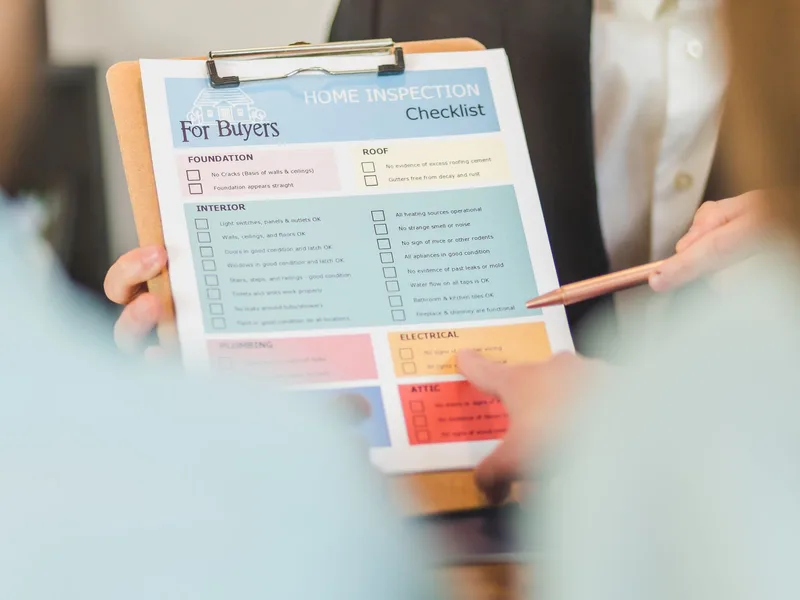 Commercial
Annual contracts
-
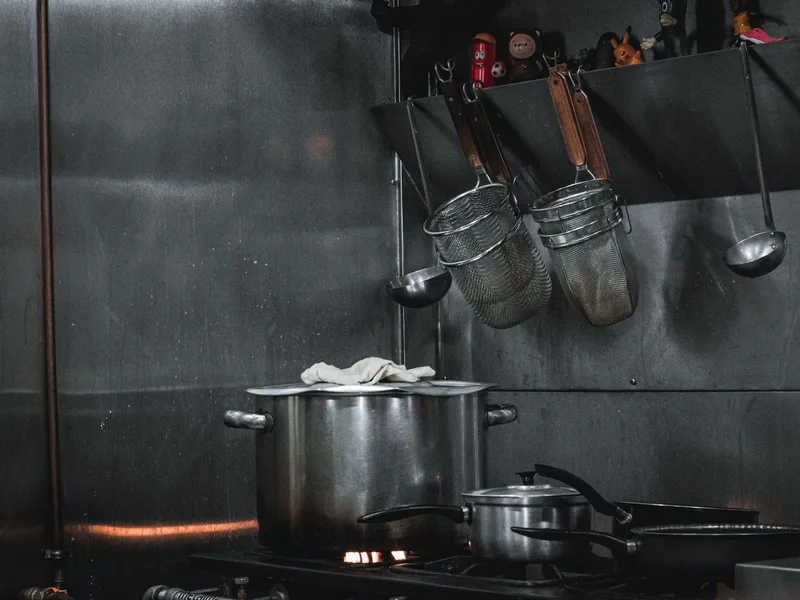 Commercial
Restaurants and cafes
-
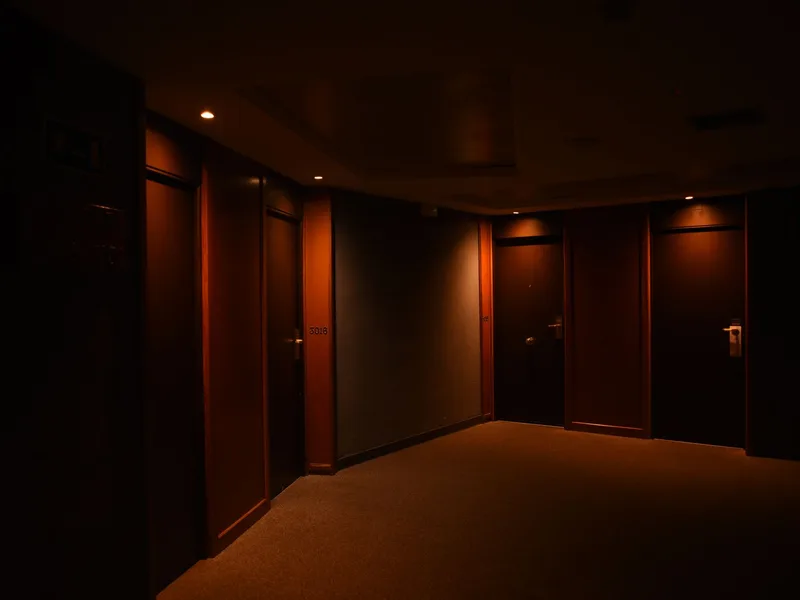 Commercial
Hotels and apartments
-
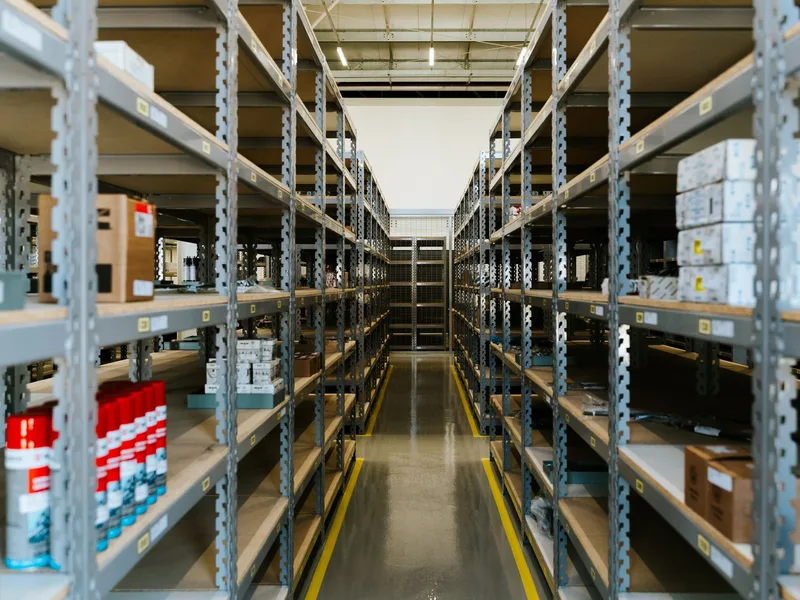 Commercial
Warehouses and factories
Need retail and malls in Al Zahra? Tell us what you saw and we will tell you what it needs
We reach Al Zahra at a time we agree, and you get the full cost before we start.