
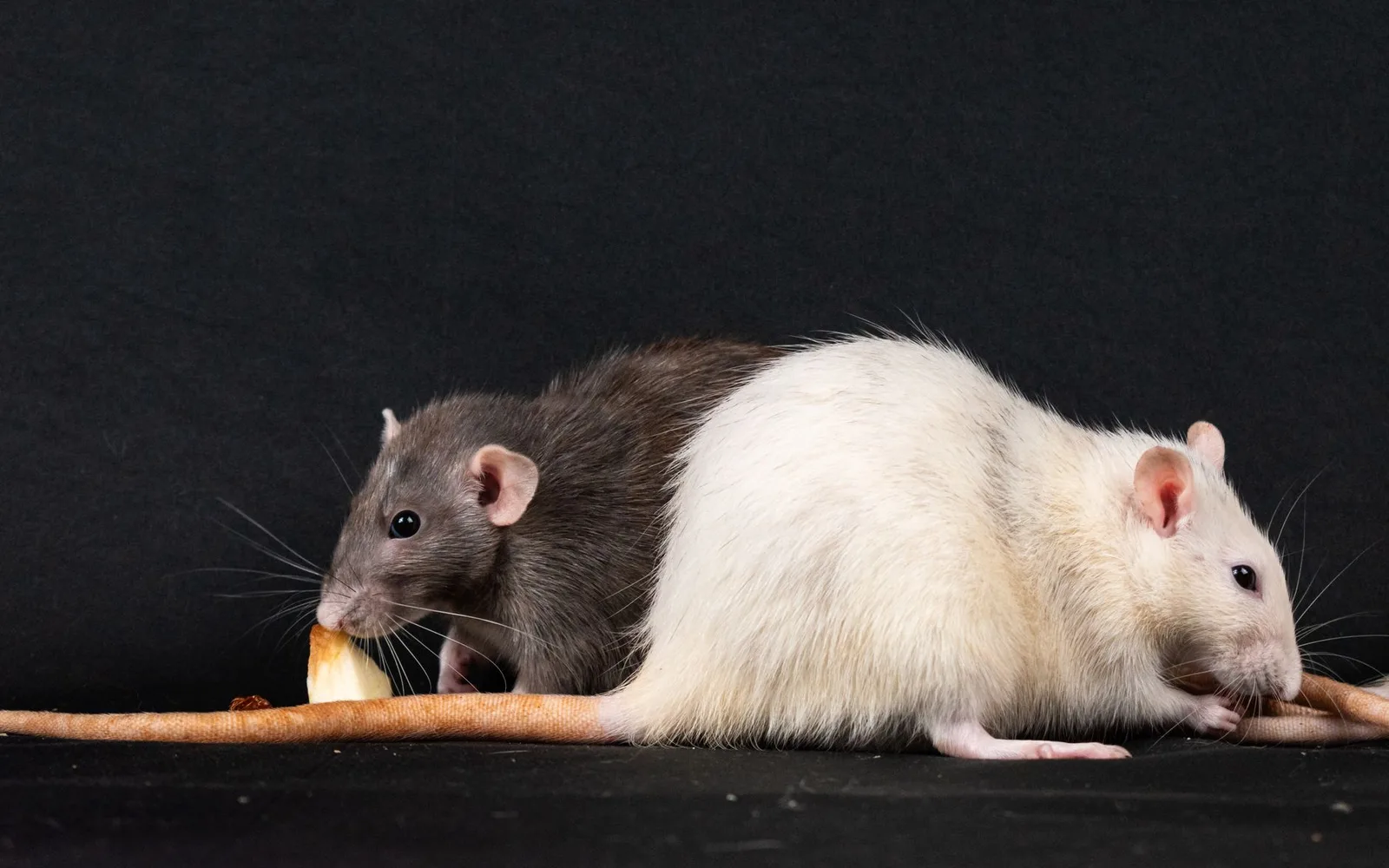
Rodents and mice in Al Nazlah Al Sharqiyah Jeddah
Al Nazlah Al Sharqiyah is a crowded residential quarter of old apartment blocks with repeated floors and shared entrances, where hundreds of people share one building's staircase and corridors. This density makes it trivially easy for rodents to move between flats on different floors without ever stepping outside the structure itself.
-
Targeted, not broadcast
Product goes into cracks and runways, never sprayed across open surfaces.
-
Told before we start
What we will use, where it goes, and what to cover or move before we arrive.
-
A follow-up visit
We return after the first treatment, because what survives it does not show on the day.
-
Homes and businesses
Apartments and villas, and kitchens and stores that need a record of each visit.
Why they keep coming back in Al Nazlah Al Sharqiyah
Rodents spread with striking speed in the tall blocks here because the gaps between storeys offer direct vertical routes that keep them entirely within the building. The method is set out in full on the full Rodents and mice page.
Shared staircases and inter-floor passages
Every flat enters from a common stairwell and corridor shared by all residents across multiple levels. Rodents live in these stairs and transit effortlessly between storeys, and sealing gaps around the stairwell from outside does not stop them moving vertically through the building's interior.
Food waste and rubbish in the building's common areas
Bags and scraps pile up in lower hallways and corners between buildings, where rodents feed and nest before climbing to the flats. Treating a single flat in isolation is futile. The zone around the entire building and its common spaces must be addressed together.
Hidden entry points through party walls
The walls dividing adjoining flats are no barrier to rodents. They gnaw through shared walls and move between neighbouring units. Gnaw marks and entry points hide inside cupboards and corners deep against shared walls with adjacent flats.
Al Nazlah Al Sharqiyah on the map
Al Nazlah Al Sharqiyah sits about 1 km from Al Nazlah Al Yamaniyah and about 1.5 km from Al Thaghr.
Open in Google MapsWhat we read in the building before any bait goes down
A network of tight lanes between old buildings filled with adjoining apartment blocks that share party walls, bounded by Old Makkah Road. Hundreds of residents in each building generate abundant daily food waste.
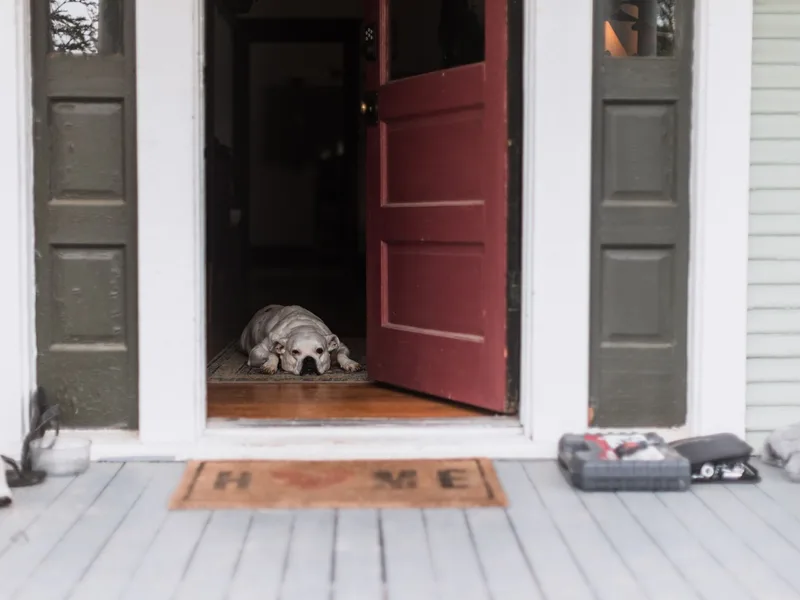
The gap under the door
The gap under the flat door is tight in newer construction, but the gap under the shared stairwell door is wider and darker, forming a direct rodent path between floors throughout the building.
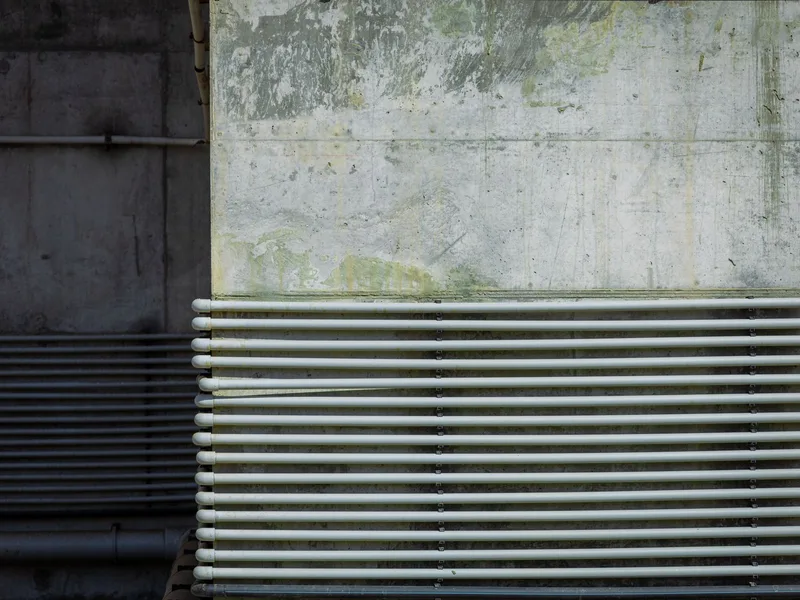
Pipe and conduit openings
Vertical water pipes penetrate every floor and every party wall, and the gaps around them are rarely sealed tightly in old blocks here, giving rodents a straight climb from basement to roof.
Gnaw marks
Gnaw marks appear on wooden door edges and old skirting boards in shared passages, and on cupboard corners set against party walls, where rodents work from both sides.
The run along the wall
The run along passage walls is easily spotted, beginning at the corner of the stairwell base and climbing to upper storeys, marked by small droppings and residue trails.

The route from above
Entry from above comes through ventilation grilles and central air ducts that pass over residential units. Rodents transit these ducts between separate flats with ease.
The water and the food on offer
Water is constantly available in damp passageways and beneath leaking taps. Food gathers in rubbish heaped near doors and in refuse sacks waiting for collection.
How we work
-
1
Inspect and trace the runs
We work the perimeter, the kitchen, the store and the false ceiling, establish the species, the entry points and the water source, and mark the station positions before anything is carried in.
-
2
Close the openings
Metal mesh, mortar and base strips at the gaps, around pipe sleeves and at vents, because foam and silicone are gnawed through within days.
-
3
Secured bait and traps
Closed stations fixed on the runs outside the building, and traps rather than loose bait indoors, so that anything that dies stays somewhere we can reach.
-
4
The follow-up visit
We read the take at each station, replenish what has gone, remove anything found, and close any opening that showed itself once the movement settled.
What rodent control includes
-

Inspection and a station map
Entry points, runs and station positions recorded, so the same points are checked on every visit.
-

Sealing pipes and drains
Floor traps, pipe sleeves, vents and the air conditioning drain line, the routes that arrive from outside the unit.
-

Secured bait stations
Closed and fixed on the outside runs, out of reach of children and animals, while indoors we work with traps.
-

Treating the nest site
A rodent leaves parasites and nesting material behind, so the nest is removed and the void it sat in is treated.
-

Aftercare instructions
Stock lifted off the floor, droppings cleaned damp with disinfectant instead of swept dry, and pet bowls emptied at night.
-

A scheduled follow-up
A set date after the first visit: read the take, replenish the bait, remove anything found and close what is still open.
The character of Al Nazlah Al Sharqiyah
Apartment district: residential blocks, repeated floors and shared entrances
Every apartment block here stands directly joined to the next, and each storey houses dozens of residents. This means rodents do not need to venture outside to spread. They travel between flats inside the building, so one infested unit soon threatens every other flat if common sealing gaps remain open.
Questions about this district
Must I treat only my flat, or must the whole building act together?
A single flat is boxed in by adjoining units on all sides. Rodents arrive from neighbouring flats through party walls and travel via the shared staircase. Treating your flat alone gives temporary relief. Effective control needs coordinated sealing of all common gaps, ideally with neighbours' cooperation on shared boundaries.
Where do I start looking for entry points inside my flat?
Start with party walls shared with neighbours and around pipes and ducts that pass between units. Then check gaps around doors and windows from inside, especially at the base of wooden door frames where food crumbs collect and gnawing is easy.
Does dampness from the common stairwell feed the rodent problem?
Absolutely. Shared stairwells retain moisture, darkness and stale air that rodents favour. Regular cleaning and removal of bags and waste helps, but sealing the gaps correctly is the core of the solution.
Can rats climb from the flat below through the water pipes?
Usually yes. Water and drainage pipes run vertically through every storey and link all units. Rodents ascend and descend these easily. Inspecting and sealing pipe openings with gnaw proof material in every flat cuts off this highway.
Are upper floor flats less at risk than those at ground level?
There is no meaningful difference. Rodents navigate the stairs and interior gaps effortlessly, so the sixth floor is as exposed as the first. The issue is not height but the direct connections between adjacent flats and the shared passages.
Will thorough cleaning every day stop the rodents?
Cleaning reduces food, but does not stop rodents if entry routes are still open. They arrive from common areas and connected walls seeking any crumb, even in a spotless flat. Sealing is the foundation. Cleaning alone fails.
How much does rodents and mice in Al Nazlah Al Sharqiyah cost?
It is set after the inspection, because the price follows the type of infestation, the size of the space, how far it has spread and the number of visits it needs. Send a photo and a description on WhatsApp and we will give you an estimate before we reach Al Nazlah Al Sharqiyah.
Nearby districts we cover
Other services in Al Nazlah Al Sharqiyah
Other services we provide to residents of Al Nazlah Al Sharqiyah.
-
 Residential
Cockroach control
Residential
Cockroach control
-
 Residential
Bed bug control
Residential
Bed bug control
-
 Residential
Termite control
Residential
Termite control
-
 Residential
Mosquito control
Residential
Mosquito control
-
 Residential
Fly control
Residential
Fly control
-
 Residential
Ant control
Residential
Ant control
-
 Residential
Gecko control
Residential
Gecko control
-
 Residential
Scorpion control
Residential
Scorpion control
-
 Residential
Snake control
Residential
Snake control
-
 Residential
Flea control
Residential
Flea control
-
 Residential
Bird and pigeon control
Residential
Bird and pigeon control
-
 Residential
Preventive treatment
Residential
Preventive treatment
-
 Residential
Disinfection
Residential
Disinfection
-
 Commercial
Annual contracts
Commercial
Annual contracts
-
 Commercial
Restaurants and cafes
Commercial
Restaurants and cafes
-
 Commercial
Hotels and apartments
Commercial
Hotels and apartments
-
 Commercial
Warehouses and factories
Commercial
Warehouses and factories
-
 Commercial
Schools and nurseries
Commercial
Schools and nurseries
-
 Commercial
Retail and malls
Commercial
Retail and malls
-
 Commercial
Rest houses and farms
Commercial
Rest houses and farms
-
 Commercial
Fumigation
Commercial
Fumigation
-
 Water tanks
Water tank cleaning
Water tanks
Water tank cleaning
-
 Water tanks
Water tank sterilization
Water tanks
Water tank sterilization
-
 Water tanks
Water tank sealing
Water tanks
Water tank sealing
-
 Water tanks
Tank leak repair
Water tanks
Tank leak repair
Need rodents and mice in Al Nazlah Al Sharqiyah? Tell us what you saw and we will tell you what it needs
We reach Al Nazlah Al Sharqiyah at a time we agree, and you get the full cost before we start.