
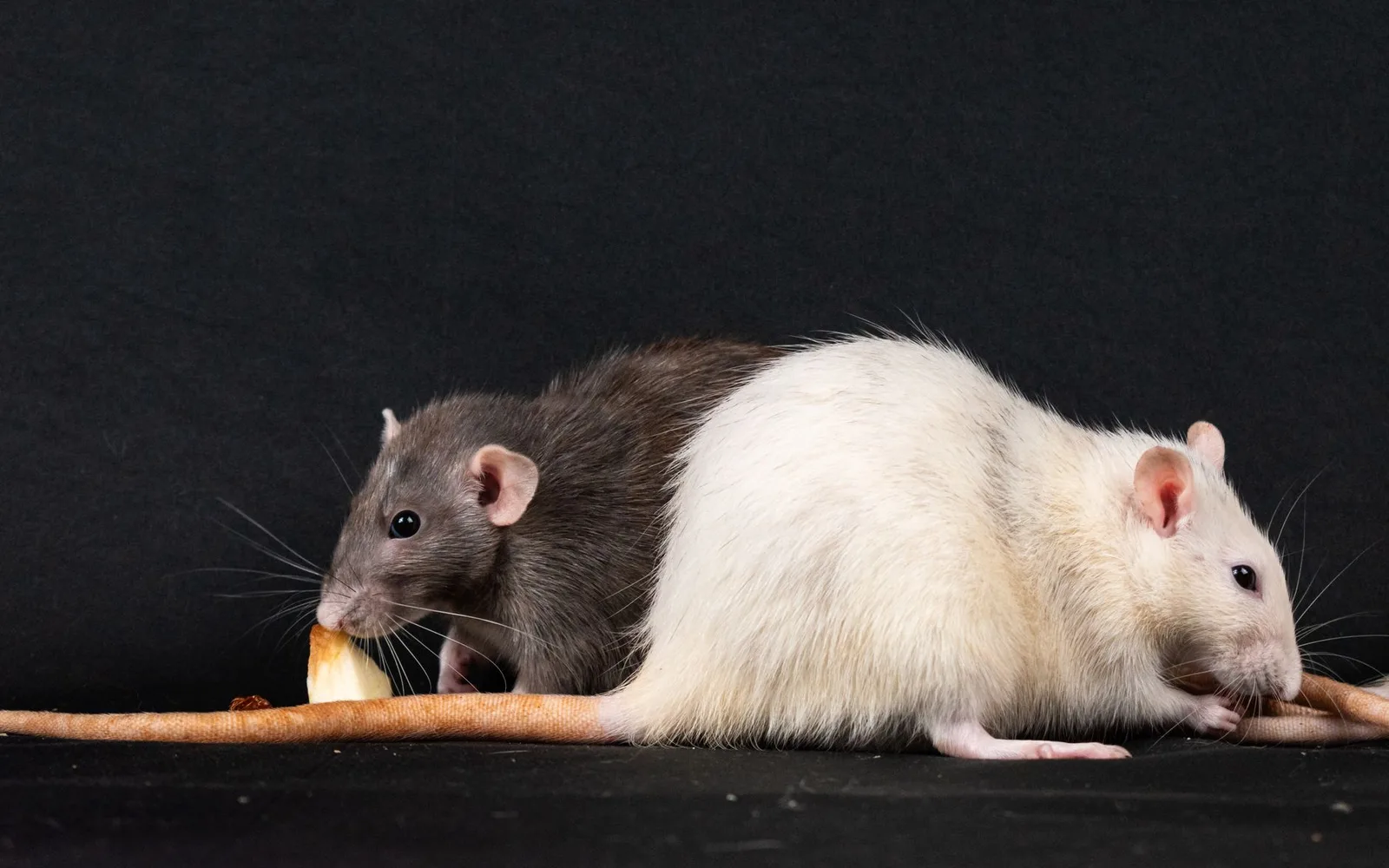
Rodents and mice in Muad Makkah
Muad is a relatively new mixed district along Al Qadisiyah Road outside the Haram boundary, lying between Al Khadra and Al Sharai. Villas and apartment buildings stand alongside shops on the ground floors in an ordered plan. The more complete construction means fewer entry points than in older quarters, but the new concrete foundations leave gaps that were not sealed during construction.
-
Targeted, not broadcast
Product goes into cracks and runways, never sprayed across open surfaces.
-
Told before we start
What we will use, where it goes, and what to cover or move before we arrive.
-
A follow-up visit
We return after the first treatment, because what survives it does not show on the day.
-
Homes and businesses
Apartments and villas, and kitchens and stores that need a record of each visit.
Why they keep coming back in Muad
Villas and newer blocks in Muad were built to current standards but foundations need careful inspection at handover, and gaps around new drain pipes may not be tight if the finishing work was hurried or not properly supervised. The method is set out in full on Rodents and mice in detail.
New foundations and unsealed gaps around pipes
New villas and blocks in Muad have reinforced concrete and cement foundations, but gaps around pipe apertures may be wider than specification. The rapid building schedule leaves small spaces unsealed when concrete was poured and finished. A small opening is enough for rodents to pass.
New shops with storerooms full of goods
Ground floor shops are new and active, with back stores providing continuous food. Residential villas above or beside them provide quiet shelter at night. The rodent moves from the busy store by day to the quiet house at night, using the gaps around shared plumbing to climb and descend.
Small gardens and even spacing as tunnelling highways
Muad is an ordered plan with even spaces between villas and blocks, and small gardens between houses provide moisture and natural grasses. The regular spacing makes underground tunnelling easy and regular. Rodents can build tunnels from garden to garden without natural obstacles, connecting the whole district beneath the surface.
Muad on the map
Muad sits about 2 km from Sharai and about 2 km from Salam.
Open in Google MapsWhat we read in the building before any bait goes down
Muad is a relatively new planned district with level ground and clear street axes, surrounded by small gardens and Al Sharai Park, containing several neighbourhood mosques along one main access road serving the residential development.
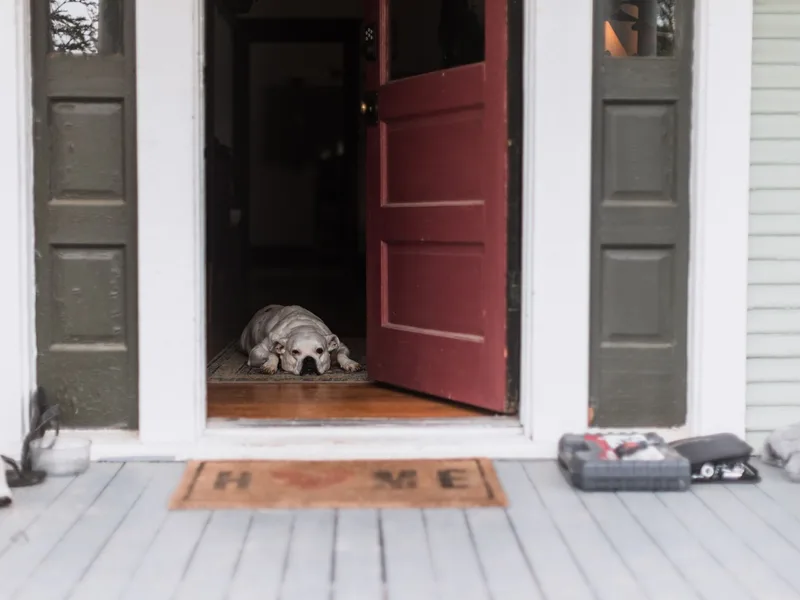
The gap under the door
The gap under a new villa door may be tighter than in older homes, but gaps around side pipes may provide alternative entry from neighbouring gardens.
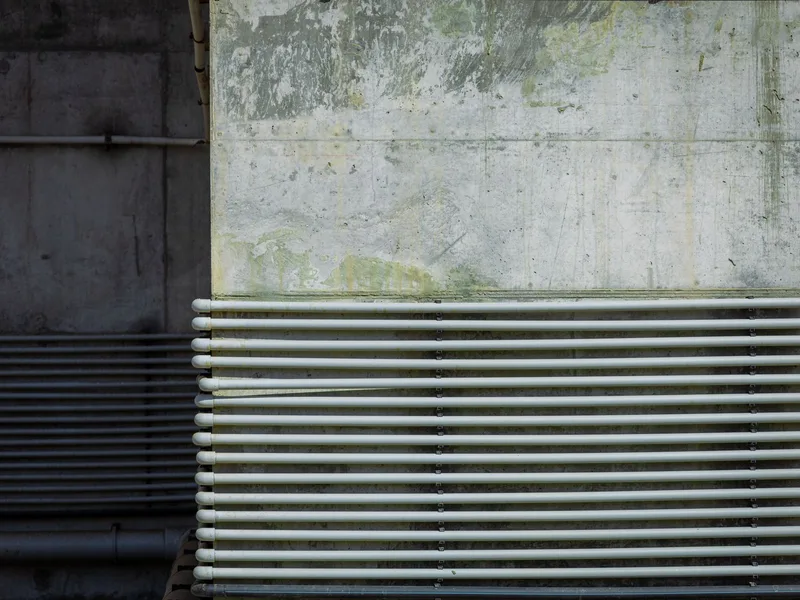
Pipe and conduit openings
Pipe openings in side and rear walls provide entry from surrounding tunnels, and gaps around new horizontal pipes may not be tight if building supervision was inadequate.
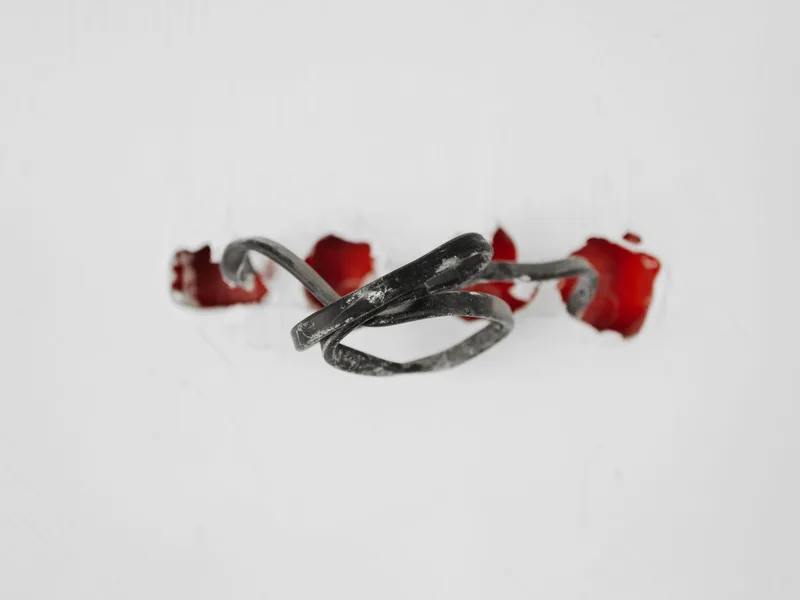
Gnaw marks
Gnaw marks show on new concrete foundations where damp grass from watering provides moisture, and around external drain pipes that may be of poor quality.
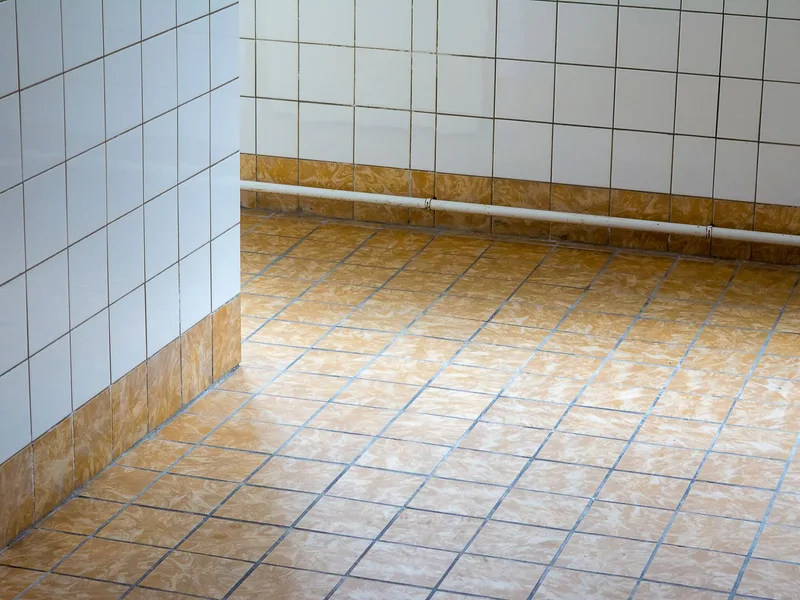
The run along the wall
The run along the wall starts from neighbouring gardens and heads towards side gaps, leaving marks on the damp soil created by regular watering and drainage runs.
The route from above
The route from above is rare in new villas but gaps around roof ventilation ducts may provide quick entry if not properly sealed at construction.
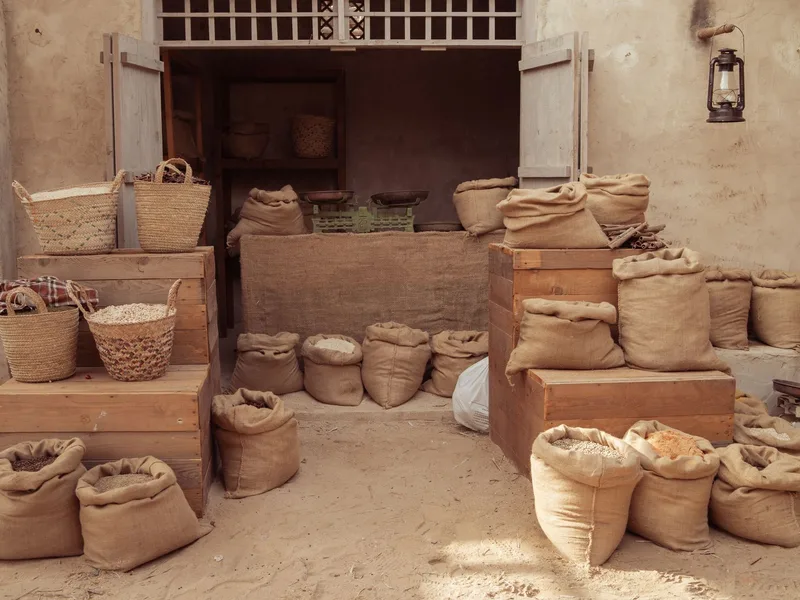
The water and the food on offer
Water from the new irrigation system and stored food in the newly occupied villa provide ideal conditions for hungry rodents coming from surrounding tunnels and commercial stores.
How we work
-
1
Inspect and trace the runs
We work the perimeter, the kitchen, the store and the false ceiling, establish the species, the entry points and the water source, and mark the station positions before anything is carried in.
-
2
Close the openings
Metal mesh, mortar and base strips at the gaps, around pipe sleeves and at vents, because foam and silicone are gnawed through within days.
-
3
Secured bait and traps
Closed stations fixed on the runs outside the building, and traps rather than loose bait indoors, so that anything that dies stays somewhere we can reach.
-
4
The follow-up visit
We read the take at each station, replenish what has gone, remove anything found, and close any opening that showed itself once the movement settled.
What rodent control includes
-

Inspection and a station map
Entry points, runs and station positions recorded, so the same points are checked on every visit.
-

Sealing pipes and drains
Floor traps, pipe sleeves, vents and the air conditioning drain line, the routes that arrive from outside the unit.
-

Secured bait stations
Closed and fixed on the outside runs, out of reach of children and animals, while indoors we work with traps.
-

Treating the nest site
A rodent leaves parasites and nesting material behind, so the nest is removed and the void it sat in is treated.
-

Aftercare instructions
Stock lifted off the floor, droppings cleaned damp with disinfectant instead of swept dry, and pet bowls emptied at night.
-

A scheduled follow-up
A set date after the first visit: read the take, replenish the bait, remove anything found and close what is still open.
The character of Muad
Mixed district: shops at street level with homes above them
Relatively new villas and blocks in Muad offer better protection in theory, but unsealed gaps left at construction and rushed finishing may still provide easy entry. Careful inspection of foundations and gaps at handover becomes more important than in old districts.
Questions about this district
Are gaps around new drain pipes in Muad large enough for rodents to enter villas from the shops below?
Yes. Small gaps allow young rodents and small rodent species through. Rapid construction may leave gaps not properly sealed. Careful inspection at handover is essential to detect these gaps and seal them before occupation.
Do the small gardens between Muad's villas provide easy passages for rodents to move from one villa to the next?
Yes. Grass and moisture provide ideal shelter for tunnels. Even spacing between villas makes regular underground tunnelling possible. Rodents move easily from garden to garden, effectively connecting all villas in an underground network.
Is treating a single villa enough in Muad or must neighbours coordinate treatment?
Treating one villa stops activity inside it temporarily, but underground tunnels from neighbouring villas may bring fresh rodents. Coordination with neighbours on garden inspection and sealing foundation gaps makes treatment more effective.
Why might new villas in Muad be more exposed to rodents immediately after occupation than older established homes?
New villas may have been built hastily and the finishes may not be tight. Fresh furniture and new food stores provide a strong attraction to rodents coming from neighbouring shops. The whole structure may have undetected gaps that only appear when rodents find them.
How often should a villa in Muad need rodent checks in the first year after occupation?
New villas need intensive checking in the first six months: monthly or fortnightly. After year one, quarterly checks suffice if no activity signs appear. Regular inspection catches entry before infestation becomes serious.
Does standing next to Sheikh Nasser Al Assaf Mosque increase Muad's rodent problem or is the location neutral?
Mosques provide human activity but little food waste. Location beside a mosque does not directly increase the problem, but the human congregation may draw more rodents from outside. The mix of mosque, residential district and shops creates high overall pressure from rodent sources.
How much does rodents and mice in Muad cost?
It is set after the inspection, because the price follows the type of infestation, the size of the space, how far it has spread and the number of visits it needs. Send a photo and a description on WhatsApp and we will give you an estimate before we reach Muad.
Other services in Muad
Other services we provide to residents of Muad.
-
 Residential
Cockroach control
Residential
Cockroach control
-
 Residential
Bed bug control
Residential
Bed bug control
-
 Residential
Termite control
Residential
Termite control
-
 Residential
Mosquito control
Residential
Mosquito control
-
 Residential
Fly control
Residential
Fly control
-
 Residential
Ant control
Residential
Ant control
-
 Residential
Gecko control
Residential
Gecko control
-
 Residential
Scorpion control
Residential
Scorpion control
-
 Residential
Snake control
Residential
Snake control
-
 Residential
Flea control
Residential
Flea control
-
 Residential
Bird and pigeon control
Residential
Bird and pigeon control
-
 Residential
Preventive treatment
Residential
Preventive treatment
-
 Residential
Disinfection
Residential
Disinfection
-
 Commercial
Annual contracts
Commercial
Annual contracts
-
 Commercial
Restaurants and cafes
Commercial
Restaurants and cafes
-
 Commercial
Hotels and apartments
Commercial
Hotels and apartments
-
 Commercial
Warehouses and factories
Commercial
Warehouses and factories
-
 Commercial
Schools and nurseries
Commercial
Schools and nurseries
-
 Commercial
Retail and malls
Commercial
Retail and malls
-
 Commercial
Rest houses and farms
Commercial
Rest houses and farms
-
 Commercial
Fumigation
Commercial
Fumigation
-
 Water tanks
Water tank cleaning
Water tanks
Water tank cleaning
-
 Water tanks
Water tank sterilization
Water tanks
Water tank sterilization
-
 Water tanks
Water tank sealing
Water tanks
Water tank sealing
-
 Water tanks
Tank leak repair
Water tanks
Tank leak repair
Need rodents and mice in Muad? Tell us what you saw and we will tell you what it needs
We reach Muad at a time we agree, and you get the full cost before we start.