
Schools and nurseries in Al Faisaliyah Jeddah
Al Faisaliyah is an older northern Jeddah district packed with apartment blocks, villas and restaurants lining commercial streets like Sari Street. Water and sewer lines here are decades old and leak frequently, whilst the high density of restaurants and furnished flats provides steady food sources for cockroaches and rodents to exploit year-round.
-
Targeted, not broadcast
Product goes into cracks and runways, never sprayed across open surfaces.
-
Told before we start
What we will use, where it goes, and what to cover or move before we arrive.
-
A follow-up visit
We return after the first treatment, because what survives it does not show on the day.
-
Homes and businesses
Apartments and villas, and kitchens and stores that need a record of each visit.
Why they keep coming back in Al Faisaliyah
Sari Street teems with small restaurants, banks and shops, which means frequent water leaks from old pipes running beneath the street and adjacent buildings. Schools and nurseries here suffer persistent seepage rising through their foundations. The method is set out in full on Schools and nurseries in detail.
Numerous restaurants, continuous food waste and aged underground pipes
Sari Street is lined with small restaurants and furnished flats. Food scraps spill into the street and drains daily. Old pipes below the street leak and fracture, creating damp voids where cockroaches and rodents shelter. Schools near Sari Street face constant insect pressure from these food sources and the wet infrastructure beneath them.
Older buildings and foundation gaps from age and movement
Buildings here were built decades ago and water damage and ground movement have opened gaps between walls and the base slab. Cockroaches and rodents nest in those voids and foundation cracks. Sealing every gap would require excavation and partial rebuilding, which is expensive and disruptive.
High residential density and transient furnished flat occupancy
Al Faisaliyah holds many furnished flats with constantly changing temporary residents. Cleaning and maintenance standards vary, and some units leave food residue and waste. Schools and nurseries among those flats face waves of insect release each time turnover occurs.
Al Faisaliyah on the map
Al Faisaliyah sits about 3 km from Al Rabwah and about 3 km from Al Bawadi.
Open in Google MapsWhat sets the shape of a school programme
King Fahd Road cuts through the district, with Prince Majid Road and Madinah Road as boundaries. Bugshan Hospital and University of Jeddah campus draw heavy medical and student traffic daily, along with the continuous flow of diners and residents using the commercial spine.
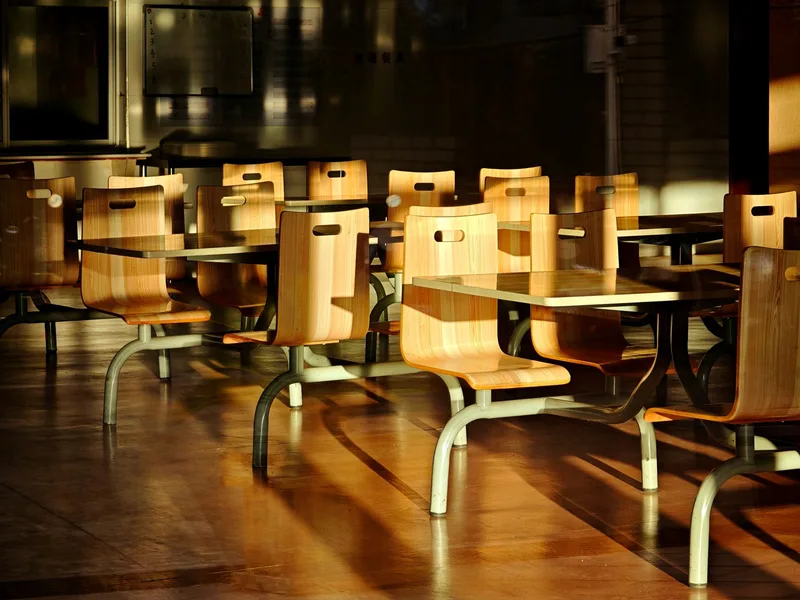
The canteen and the food store
The canteen and food store may sit adjacent to a Sari Street restaurant or small hotel, increasing pressure on food storage hygiene and drainage integrity.
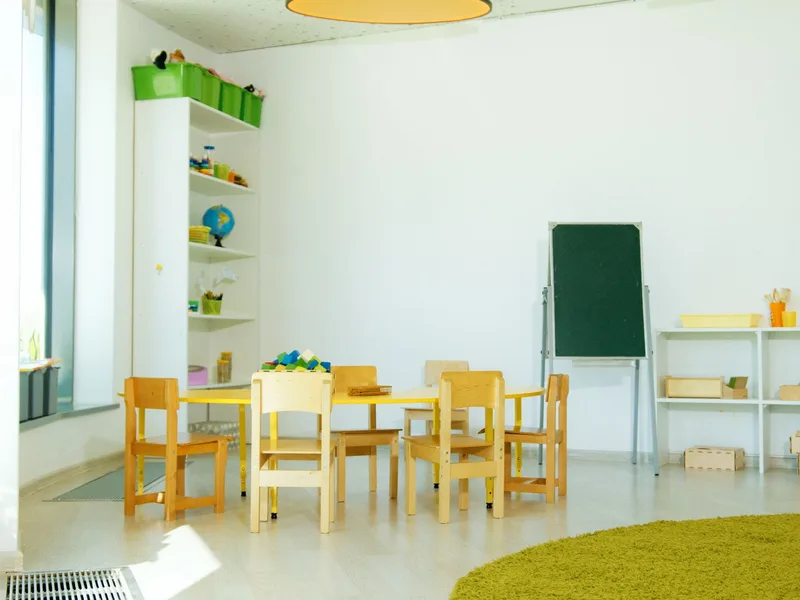
Floor level in a nursery
Nursery floors are often damp from old leaking pipes beneath them, which allows insects to shelter in sub-floor voids and reach the surface through cracks in old tile and concrete.
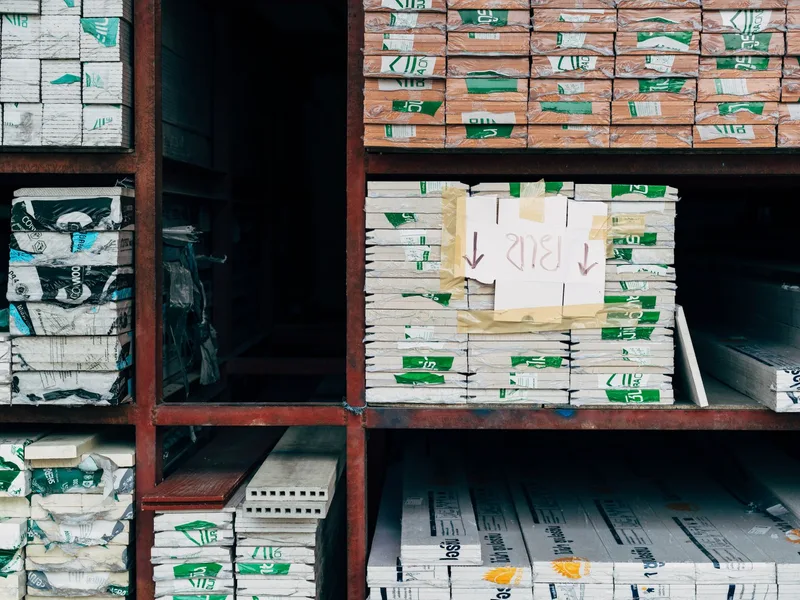
The paper and cardboard store
Paper and cardboard storage may be in a room near old sewer or drainage pipes, where humidity and mould develop rapidly and attract insects that feed on decaying paper.
Standing water in the yard
The yard may lie in a low point and collect rainwater, irrigation runoff and seepage from the foundation, providing standing water that breeds mosquitoes and attracts ants.

The gap under the service door
The service door may face rising capillary damp from old pipes leaking below it, creating an ideal damp environment for insects in the frame and threshold.
The wall line, irrigation and planting
The compound wall line and any irrigation may be affected by leaking pipes on the far side, keeping soil wet and providing insect shelter in cracks and root zones at the wall base.
How we work
-
1
Survey the building and zone it
We walk from the service gate through the canteen, the stores, the classrooms, the washrooms and the yard, record the entry routes, the moisture and the species pressure, and grade every area by who occupies it and for how long.
-
2
Schedule it against the calendar
Work that needs an empty building, closing entry points, treating the drains and the perimeter, goes into the long breaks. Station reads and spot treatment happen after the students leave or at the weekend. We agree in advance who opens the building and which rooms are cleared and covered.
-
3
Targeted treatment, out of reach
Gel bait inside joints and cracks, dust into the dry voids, enclosed stations fixed where a child cannot reach them, and targeted spray on junctions and service areas, never on open surfaces or play flooring.
-
4
Follow up and record it
We come back on the date the life cycle sets, such as a visit timed to a cockroach hatch, re-read the points, treat whatever is still active, and hand over a report with the dates, the positions and what the building itself needs closed.
What a school and nursery programme includes
-

Building survey and zone plan
A walk that fixes the entry routes, the food areas and the child areas, and a plan with the monitoring positions numbered before anything is installed.
-

Enclosed bait and stations
Stations fixed in positions a child cannot get to, and gel bait inside joints and cracks rather than on any surface.
-

Treatment outside teaching hours
After the students leave, at the weekend or in a break, on junctions and service areas, with the surfaces wiped down before anyone comes back.
-

Drains, waste and standing water
Kitchen and washroom gullies, the ground around the containers, the yard drains and the air conditioning trays, on every visit.
-

Room preparation and aftercare
Which rooms are cleared and which surfaces are covered before we arrive, what is wiped down before the students come back, and the ventilation time we set for each case on the call.
-

Scheduled visits and a report each time
Dates agreed across the term, and a report carrying the dates, the positions, the findings and the state of every corrective action.
What is different about Airport Sub-Municipality
The Airport sub-municipality covers some of the oldest established districts of northern Jeddah, gathered around King Abdulaziz International Airport between Madinah Road, King Fahd Road and Prince Majid Road. The stock is villas, single family houses and apartment blocks built decades ago, many served by ageing water and sewer lines. Commercial streets such as Quraish, Sari and Sultan bin Salman are lined with restaurants, furnished flats and popular markets. Dense commercial kitchens, worn pipework and the gaps in older buildings give cockroaches and rodents steady food and shelter, and the high resident population keeps that pressure constant through the year.
Questions about this district
The water pipes under Sari Street leak constantly. Does that affect the school?
The leak keeps soil beneath the school damp year-round. This causes capillary rising damp in the base slab and lower walls, which attracts cockroaches and wood ants. We treat foundation voids and cracks and advise the school to report pipe leaks to the municipality.
The school sits next to a Sari Street restaurant. Do we treat the restaurant as well?
We treat the school only. However, if the school and restaurant share a wall or share drainage lines, we advise the school that pressure will persist unless the restaurant owner also contracts separate treatment.
The furnished flats below the school are empty sometimes and full sometimes. How do we manage that?
Empty flats provide shelter for insects to establish. When occupied, new residents bring food and waste. We increase inspection and treatment frequency when flat turnover is high and the building is most active.
Does water seeping from below the foundation mean insects are entering from underneath?
Water seepage creates damp conditions below the foundation where insects and rodents shelter. Sealing voids and cracks reduces shelter, but repairing the leak itself is necessary for long-term control.
The hospital and university campus are close by. Do they add extra insect pressure?
The hospital and university run separate pest control programmes. However, their heavy medical and student traffic brings food waste and visitors, which increases insects on the shared commercial street.
The yard is small and the ground is always damp from seepage. What can we do?
Damp ground attracts mosquitoes, ants and soil insects. We ensure the yard drains and remove standing water. If seepage persists, we recommend the school report it to the municipality, as piping repair is essential for lasting control.
How much does schools and nurseries in Al Faisaliyah cost?
It is set after the inspection, because the price follows the type of infestation, the size of the space, how far it has spread and the number of visits it needs. Send a photo and a description on WhatsApp and we will give you an estimate before we reach Al Faisaliyah.
Other services in Al Faisaliyah
Other services we provide to residents of Al Faisaliyah.
-
 Residential
Cockroach control
Residential
Cockroach control
-
 Residential
Bed bug control
Residential
Bed bug control
-
 Residential
Termite control
Residential
Termite control
-
 Residential
Rodents and mice
Residential
Rodents and mice
-
 Residential
Mosquito control
Residential
Mosquito control
-
 Residential
Fly control
Residential
Fly control
-
 Residential
Ant control
Residential
Ant control
-
 Residential
Gecko control
Residential
Gecko control
-
 Residential
Scorpion control
Residential
Scorpion control
-
 Residential
Snake control
Residential
Snake control
-
 Residential
Flea control
Residential
Flea control
-
 Residential
Bird and pigeon control
Residential
Bird and pigeon control
-
 Residential
Preventive treatment
Residential
Preventive treatment
-
 Residential
Disinfection
Residential
Disinfection
-
 Commercial
Annual contracts
Commercial
Annual contracts
-
 Commercial
Restaurants and cafes
Commercial
Restaurants and cafes
-
 Commercial
Hotels and apartments
Commercial
Hotels and apartments
-
 Commercial
Warehouses and factories
Commercial
Warehouses and factories
-
 Commercial
Retail and malls
Commercial
Retail and malls
-
 Commercial
Rest houses and farms
Commercial
Rest houses and farms
-
 Commercial
Fumigation
Commercial
Fumigation
-
 Water tanks
Water tank cleaning
Water tanks
Water tank cleaning
-
 Water tanks
Water tank sterilization
Water tanks
Water tank sterilization
-
 Water tanks
Water tank sealing
Water tanks
Water tank sealing
-
 Water tanks
Tank leak repair
Water tanks
Tank leak repair
Need schools and nurseries in Al Faisaliyah? Tell us what you saw and we will tell you what it needs
We reach Al Faisaliyah at a time we agree, and you get the full cost before we start.