
Schools and nurseries in Al Shati Jeddah
Al Shati sits on Jeddah's Corniche and carries year round coastal humidity and salt air that accelerates insect breeding around schools and nurseries. The persistent moisture creates ideal conditions for mosquitoes and cockroaches particularly near yards and entry doors, and requires a different programme from inland districts where drying works faster and holds longer.
-
Targeted, not broadcast
Product goes into cracks and runways, never sprayed across open surfaces.
-
Told before we start
What we will use, where it goes, and what to cover or move before we arrive.
-
A follow-up visit
We return after the first treatment, because what survives it does not show on the day.
-
Homes and businesses
Apartments and villas, and kitchens and stores that need a record of each visit.
Why they keep coming back in Al Shati
Cockroaches in Al Shati appear strongly in store rooms despite high air temperatures, and mosquitoes activate at dusk near any standing water, even rainwater pooled for only a few hours. The method is set out in full on what Schools and nurseries involves.
Persistent humidity and salt laden cracks
Coastal building walls absorb moisture from sea salt and salt laden air, creating a natural refuge for insects inside cracks and gaps. Treatment needs moisture resistant materials and application at specific points around vents and window frames, not as a standard interior programme.
Accelerated mosquito breeding cycle
Water warmth and year round humidity speed larval maturation to days, and any water gathering in yards, planted areas or drain pipes becomes a breeding site. Weekly checks and continuous application are necessary more than in other districts.
Deep cracks in salt affected walls
Salt action and moisture deepen cracks in external render and foundations over time, creating direct passages for cockroaches, ants and rodents. Exterior walls and boundary fences need special treatment and regular inspection to seal gaps as they emerge.
Al Shati on the map
Al Shati sits about 2.5 km from Al Nahdah and about 4.5 km from Al Naeem.
Open in Google MapsWhat sets the shape of a school programme
The coastal location means damp walls and salt laden air that extends larval and egg survival. Modern residential and hotel blocks do not exclude the humidity that enters through cracks and gaps in render and fixtures.

The canteen and the food store
The canteen in Al Shati sits beside coastal shops and restaurants, and humidity helps pests move in from neighbouring stores. Weekly inspection of the food store is essential, and the door seal needs monthly checking.

Floor level in a nursery
The nursery floor near the damp yard attracts ants and mosquitoes from outside. A treated barrier between indoors and the yard prevents ground level ingress.

The paper and cardboard store
Paper and cardboard absorb coastal moisture easily, making them a breeding ground for cockroaches and silverfish. The store needs ventilation and regular inspection.

Standing water in the yard
Standing water in the yard from irrigation or rainfall becomes a rapid mosquito source. Daily inspection and urgent drying are necessary, as coastal humidity extends breeding time.

The gap under the service door
The service door in coastal areas sits exposed to moisture and salt, and the gap beneath it becomes a passage for rodents and insects. We apply a moisture resistant seal annually.
The wall line, irrigation and planting
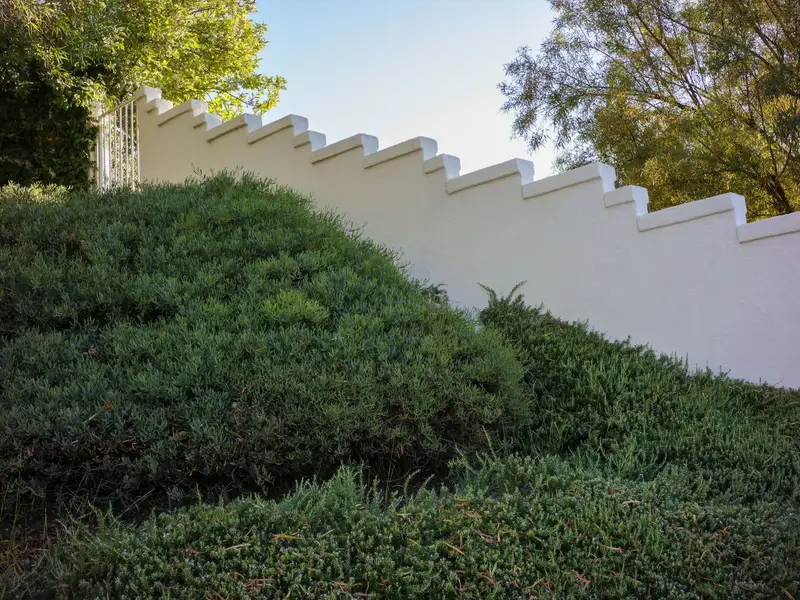
Exterior walls and boundary fencing in coastal locations absorb salt and moisture and attract ants and rodents. We inspect monthly and treat quarterly as a minimum.
How we work
-
1
Survey the building and zone it
We walk from the service gate through the canteen, the stores, the classrooms, the washrooms and the yard, record the entry routes, the moisture and the species pressure, and grade every area by who occupies it and for how long.
-
2
Schedule it against the calendar
Work that needs an empty building, closing entry points, treating the drains and the perimeter, goes into the long breaks. Station reads and spot treatment happen after the students leave or at the weekend. We agree in advance who opens the building and which rooms are cleared and covered.
-
3
Targeted treatment, out of reach
Gel bait inside joints and cracks, dust into the dry voids, enclosed stations fixed where a child cannot reach them, and targeted spray on junctions and service areas, never on open surfaces or play flooring.
-
4
Follow up and record it
We come back on the date the life cycle sets, such as a visit timed to a cockroach hatch, re-read the points, treat whatever is still active, and hand over a report with the dates, the positions and what the building itself needs closed.
What a school and nursery programme includes
-

Building survey and zone plan
A walk that fixes the entry routes, the food areas and the child areas, and a plan with the monitoring positions numbered before anything is installed.
-

Enclosed bait and stations
Stations fixed in positions a child cannot get to, and gel bait inside joints and cracks rather than on any surface.
-

Treatment outside teaching hours
After the students leave, at the weekend or in a break, on junctions and service areas, with the surfaces wiped down before anyone comes back.
-

Drains, waste and standing water
Kitchen and washroom gullies, the ground around the containers, the yard drains and the air conditioning trays, on every visit.
-

Room preparation and aftercare
Which rooms are cleared and which surfaces are covered before we arrive, what is wiped down before the students come back, and the ventilation time we set for each case on the call.
-

Scheduled visits and a report each time
Dates agreed across the term, and a report carrying the dates, the positions, the findings and the state of every corrective action.
The character of Al Shati
Coastal area: high humidity and salt air through the year
Coastal means moisture enters the building from unexpected places, and mosquitoes stay active even in cooler months. The programme relies on a regular perimeter barrier around cracks and salt affected openings, not a single treatment that holds.
Questions about this district
Does coastal humidity make the treatment less effective over time?
Humidity does not weaken the right product, but it accelerates insect breeding. We use moisture resistant materials and apply more frequently in wet periods. The programme differs substantially from dry districts where barriers last longer between visits.
Mosquitoes and small insects live around the yard and planted areas. How do you manage them?
The yard needs careful inspection for any small standing water and targeted application around irrigated planting and drain points. We treat planted areas and drainage separately from the building structure.
What is the difference between treating a coastal school and an inland one?
Coastal schools need extra sealing on salt affected cracks and gaps, more frequent mosquito application, and continuous monitoring of moisture on exposed render and exterior walls where salt concentration is highest.
Does salt in the air affect the materials used in treatment?
We select products known to resist salt and moisture, and apply them in ways that protect the material from reaction with salt deposits. Reports detail the product type, treated areas and expected protection duration.
When is the best time to apply treatment in Al Shati?
Drier days work better than humid ones, and evening works best for mosquitoes. Schools need treatment outside school hours, so we find the driest available day outside operating times and apply then.
Do the nursery boundary fence and exterior walls need separate treatment?
Yes. Exterior walls and fences are exposed to humidity and salt and need regular treatment. Ants and rodents nest in deep cracks, and inspection and application happen monthly or more often depending on conditions.
How much does schools and nurseries in Al Shati cost?
It is set after the inspection, because the price follows the type of infestation, the size of the space, how far it has spread and the number of visits it needs. Send a photo and a description on WhatsApp and we will give you an estimate before we reach Al Shati.
Nearby districts we cover
Other services in Al Shati
Other services we provide to residents of Al Shati.
-
 Residential
Cockroach control
Residential
Cockroach control
-
 Residential
Bed bug control
Residential
Bed bug control
-
 Residential
Termite control
Residential
Termite control
-
 Residential
Rodents and mice
Residential
Rodents and mice
-
 Residential
Mosquito control
Residential
Mosquito control
-
 Residential
Fly control
Residential
Fly control
-
 Residential
Ant control
Residential
Ant control
-
 Residential
Gecko control
Residential
Gecko control
-
 Residential
Scorpion control
Residential
Scorpion control
-
 Residential
Snake control
Residential
Snake control
-
 Residential
Flea control
Residential
Flea control
-
 Residential
Bird and pigeon control
Residential
Bird and pigeon control
-
 Residential
Preventive treatment
Residential
Preventive treatment
-
 Residential
Disinfection
Residential
Disinfection
-
 Commercial
Annual contracts
Commercial
Annual contracts
-
 Commercial
Restaurants and cafes
Commercial
Restaurants and cafes
-
 Commercial
Hotels and apartments
Commercial
Hotels and apartments
-
 Commercial
Warehouses and factories
Commercial
Warehouses and factories
-
 Commercial
Retail and malls
Commercial
Retail and malls
-
 Commercial
Rest houses and farms
Commercial
Rest houses and farms
-
 Commercial
Fumigation
Commercial
Fumigation
-
 Water tanks
Water tank cleaning
Water tanks
Water tank cleaning
-
 Water tanks
Water tank sterilization
Water tanks
Water tank sterilization
-
 Water tanks
Water tank sealing
Water tanks
Water tank sealing
-
 Water tanks
Tank leak repair
Water tanks
Tank leak repair
Need schools and nurseries in Al Shati? Tell us what you saw and we will tell you what it needs
We reach Al Shati at a time we agree, and you get the full cost before we start.