
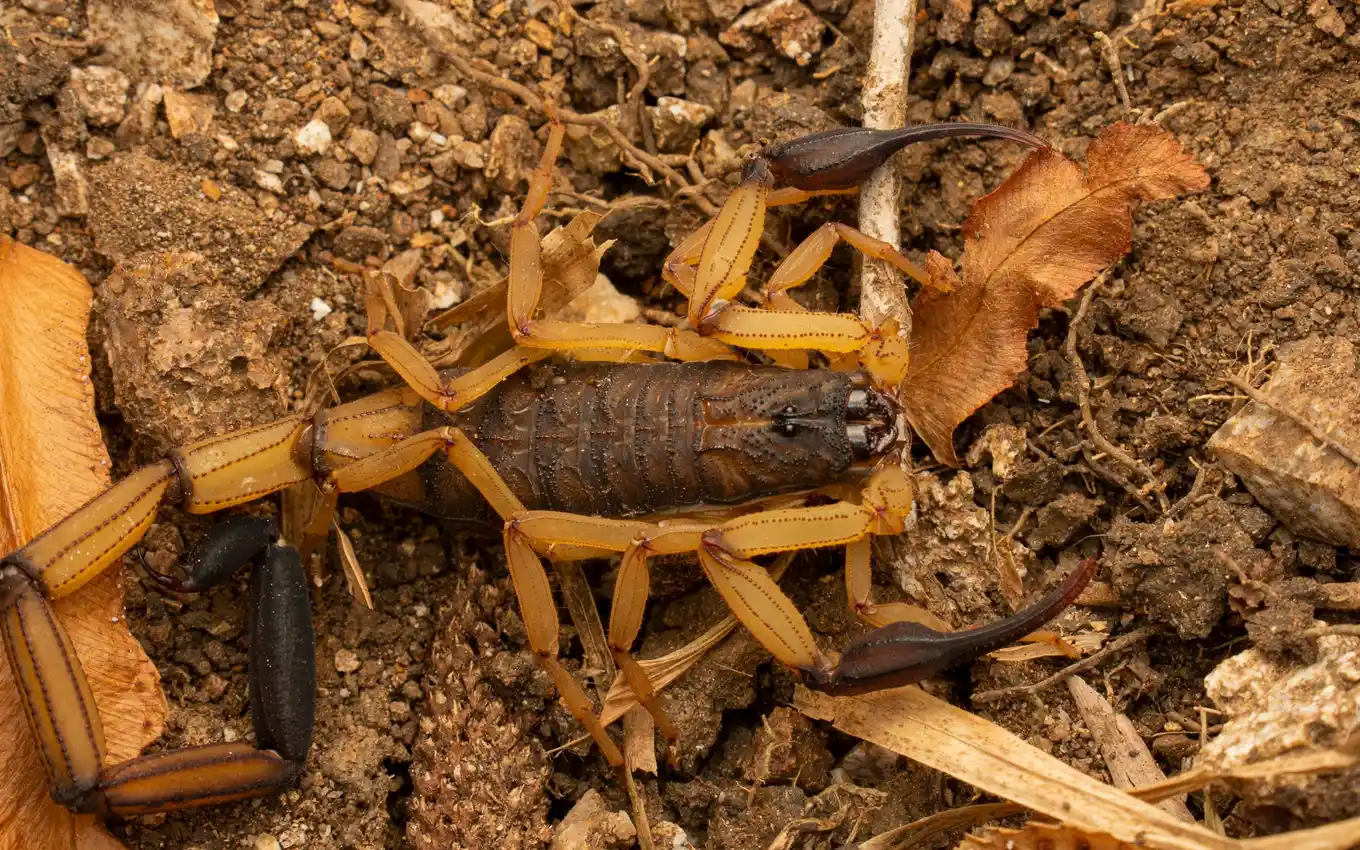
Scorpion control in Al Bawadi Jeddah
Al Bawadi is a well-established mixed-use district between King Fahd Road and Madinah Road in northern Jeddah, with Al Nuzhah to the north and Al Faisaliyah to the south. Its buildings combine shops with flats above, Quraish Street is a commercial spine lined with furnished apartments and hotels, and Al Hijaz Mall and Al Bawadi Park mark its character. Dense restaurants and food shops on every street provide unbroken food waste and insect populations that scorpions hunt systematically.
-
Targeted, not broadcast
Product goes into cracks and runways, never sprayed across open surfaces.
-
Told before we start
What we will use, where it goes, and what to cover or move before we arrive.
-
A follow-up visit
We return after the first treatment, because what survives it does not show on the day.
-
Homes and businesses
Apartments and villas, and kitchens and stores that need a record of each visit.
Why they keep coming back in Al Bawadi
Quraish Street is packed with restaurants, furnished apartments and hotels with high night-time activity and round-the-clock lighting that attracts heavy insect populations. The method is set out in full on how we approach Scorpion control.
Dense restaurants and food shops providing continuous prey populations
Quraish Street and surrounding streets are crowded with restaurants, food shops and hotels whose commercial kitchens provide permanent insect populations and poorly secured waste. Cockroaches and small insects establish in kitchen areas and spill spaces, and scorpions arrive in direct pursuit. Gaps between shop frontages and the flats above create straightforward vertical passages for scorpion movement from food source to dwelling.
Furnished hotels and short-let flats with high turnover and variable upkeep
Furnished flats and small hotels experience high occupancy turnover and cleaning standards vary between guests and properties. Old furnishings and carpets may harbour insects from previous occupants, and nightly abandonment of units leaves them unsealed and vulnerable. Intense outdoor lighting attracts insects to windows and entries, and scorpions move readily from the street into hotels and flats where they encounter both shelter and prey.
Ageing pipework and complex utility routes through mixed-use buildings
Buildings are decades old with worn water and drainage networks prone to leakage, creating permanent dampness at multiple levels. Conduit and pipe penetrations between shops and flats above are numerous and gaps are wide, creating complex three-dimensional pathways from the commercial street level through utility voids and into residential units. Scorpions exploit these interlocking routes to move vertically and horizontally through the building.
Landmarks of Al Bawadi
Al Bawadi runs along Quraish Street, which traces from Al Khatib Al Tabrizi Street to the north down to the Engineering Roundabout to the south, with Al Hijaz Mall and Al Bawadi Park forming the commercial landmarks. Our treatment starts from shops on the main commercial street and works inward through internal voids, upper flats and hotel passages.
- Quraish Street
- Al Khatib Al Tabrizi Street
- Al Hijaz Mall
- Al Bawadi Park
- Engineering Roundabout
- King Fahd Road
What we check outside before we go in
An established commercial mixed-use district between King Fahd Road and Madinah Road, with older buildings housing shops, restaurants, hotels and furnished flats in close proximity.
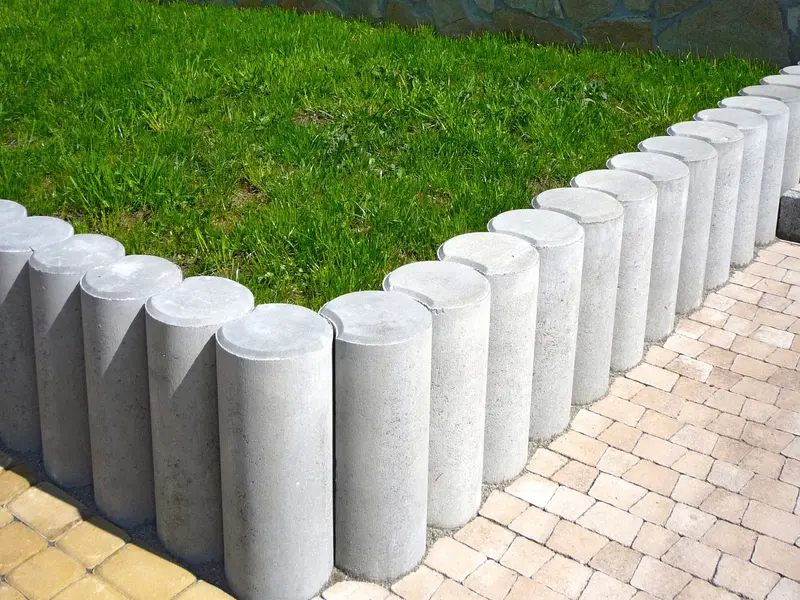
Wall joints and boundary walls
Joints between shops, flats and hotel units are deep and complex, carrying pipework and electrical conduits, with gaps widening over time due to building settlement and heavy use.
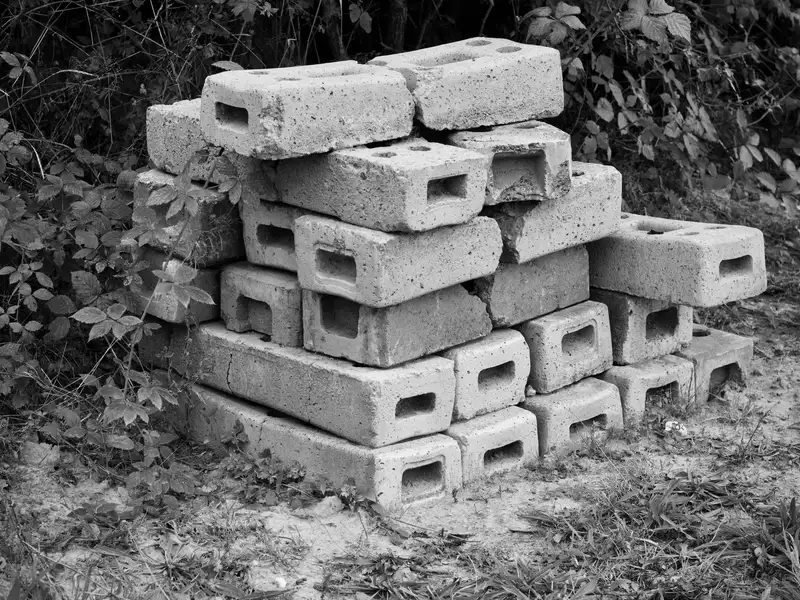
Rubble and stacked block
Food waste and discarded packaging accumulate in voids below shops, tight alleyways and the rear service areas behind frontage properties.
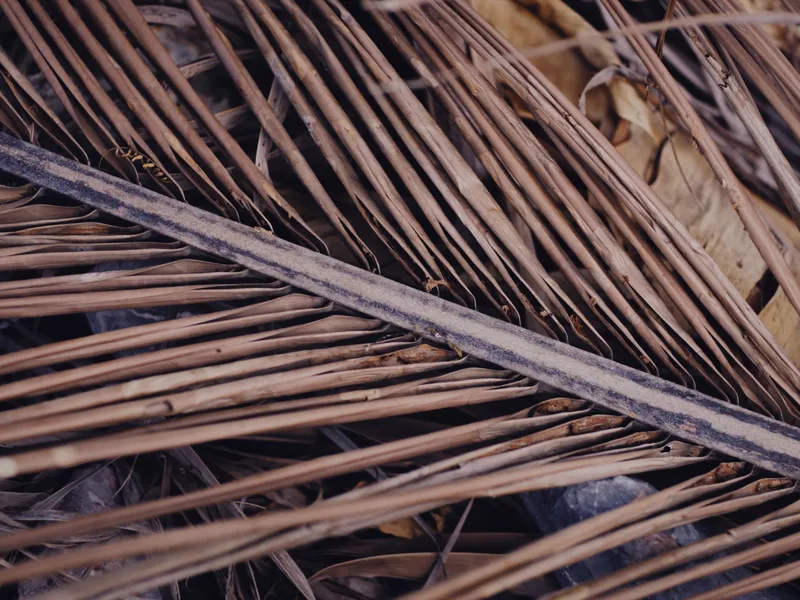
Palm fronds and garden litter
Leaves from Al Bawadi Park and surrounding greenery collect in roof gutters, downpipe bends and the narrow gaps between mixed-use structures.
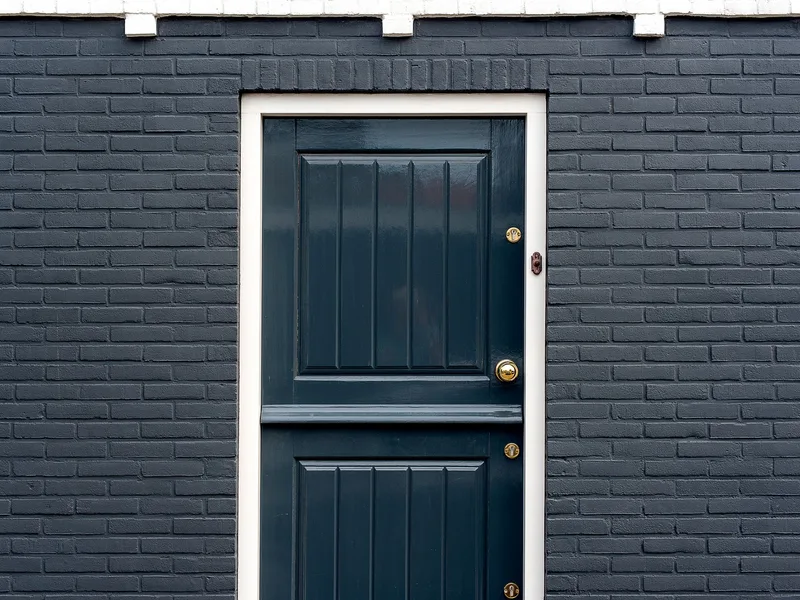
The gap under the door
Doors serving shops, hotels and flats are old and worn, with wide subsurface gaps from subsidence and the intensive daily use of commercial premises.
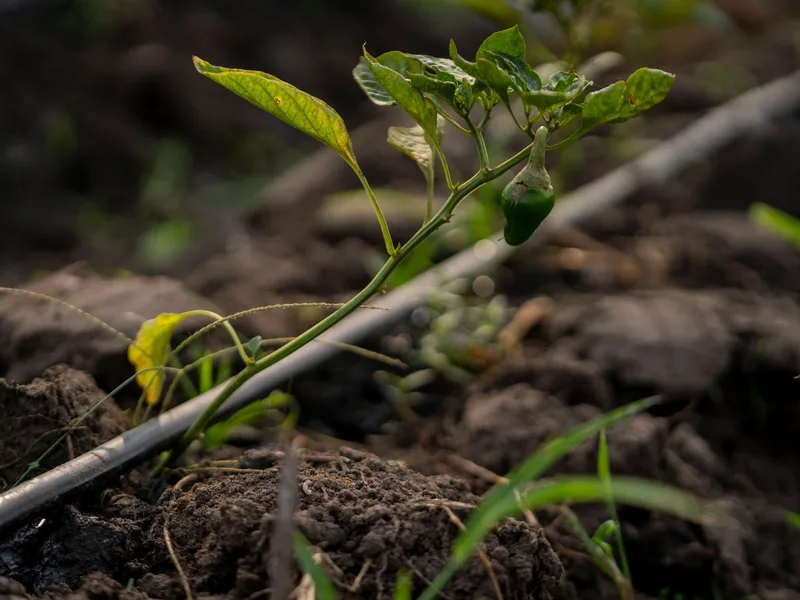
Irrigation and damp soil
Pipe leakage from bathrooms and kitchens above drip into spaces below, and lower walls stay damp year round from kitchen condensation and water discharge.
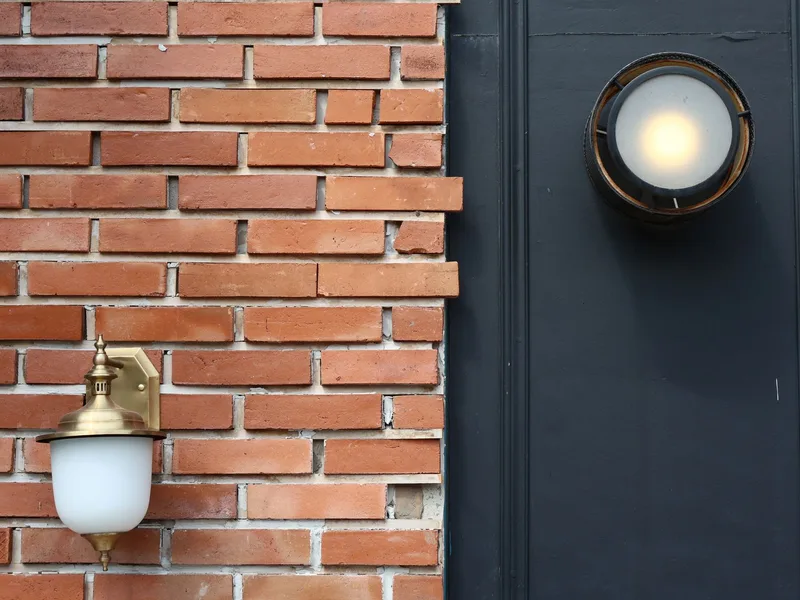
The light by the door
Intense night lighting on shops, restaurants and street frontages attracts dense insect swarms to windows and building entries every evening, drawing scorpions upward into the buildings.
How we work
-
1
Night survey and perimeter inspection
We walk the perimeter after dark with an ultraviolet lamp, which makes a scorpion show up against wall and soil, and we record the harbourage, the ways in and how much prey is present.
-
2
Treat the harbourage and the building edge
Dust into the wall joints and the dry voids, and a targeted band tight against the foundation and around openings, because the material holds longer on a porous surface than on tile.
-
3
Close the ways in and remove the prey
A sweep under the doors, sealing where air-conditioning and drain pipes pass through, mesh over openings, and treatment of the cockroaches and insects it feeds on, so the reason to come in goes with them.
-
4
The follow-up visit
A scorpion can sit in its harbourage for weeks without moving, so the first pass does not always reach it. We come back to refresh the perimeter band and check what has appeared since.
What scorpion control includes
-

A night survey with an ultraviolet lamp
A walk of the perimeter after dark that fixes the harbourage and the entry routes before anything is applied.
-

Targeted perimeter and joint treatment
A band against the foundation, plus wall joints and cracks, never open floors or where children play.
-

Sealing openings and pipe entries
Drain openings, the points where air-conditioning pipes pass through, and mesh on shafts, which are the routes actually used.
-

Treating what it feeds on
Placed bait for cockroaches at entrances and service areas, because cutting the food supply reduces visits more than repeating a spray.
-

Aftercare instructions
What to lift out of the yard, where to move the outside light, and the ventilation time for your situation, which we give you on site.
-

A scheduled follow-up
A set date after the first treatment, a refreshed perimeter band and a check of anything new around it.
What is different about Airport Sub-Municipality
The Airport sub-municipality covers some of the oldest established districts of northern Jeddah, gathered around King Abdulaziz International Airport between Madinah Road, King Fahd Road and Prince Majid Road. The stock is villas, single family houses and apartment blocks built decades ago, many served by ageing water and sewer lines. Commercial streets such as Quraish, Sari and Sultan bin Salman are lined with restaurants, furnished flats and popular markets. Dense commercial kitchens, worn pipework and the gaps in older buildings give cockroaches and rodents steady food and shelter, and the high resident population keeps that pressure constant through the year.
Questions about this district
Are dense restaurants and food retail the principal driver of scorpion presence here?
Yes fundamentally so, food retail creates permanent insect populations and kitchen spill provides constant supply. Commercial kitchens stay warm and damp year round, supporting continuous cockroach and insect breeding. Gaps between shop frontages and residential units above provide direct vertical routes, so scorpions establish in the food source and hunt upwards into family flats.
Do the small hotels and furnished short-let apartments offer safe scorpion shelter and breeding?
Yes, high turnover in furnished properties means variable standards of care and cleaning. Old furniture and carpets may carry insects from previous guests, and units left empty between lettings lack vigilance. Scorpions establish undisturbed, and the round-the-clock activity and lighting pattern attracts insects to building entries every night.
Does water leakage from ageing drainage networks under shops increase scorpion risk?
Leakage creates the damp habitat that insects and scorpions depend on, and leaks from floors above drip through to lower units, spreading dampness and attracting insect populations at multiple levels. Scorpions follow insect scent through the wetted areas.
How do you manage treatment in an area with constant high foot traffic and comings and goings?
Treatment focuses on fixed structural vulnerabilities: gaps in walls, conduit penetrations, door seals and window frames that do not change. We treat these boundaries regardless of daily movement patterns. Coordination with shop owners and hotel management helps schedule intensive treatment during quieter periods.
Would shutting down a shop or hotel at night significantly help scorpion control here?
Al Bawadi is a commercial district where full night closure is not feasible for most businesses. However, if a property does close, we use the opportunity for intensive deep treatment of corners, voids, conduit gaps and wall fissures that are normally inaccessible.
Is treatment of a commercial mixed-use area fundamentally different from a residential district?
Yes, significantly. Commercial areas provide continuous food waste and attract insects relentlessly. We focus heavily on sealing internal passages between shop and flat, conduit routes and shared boundary gaps with greater intensity than purely residential areas require.
How much does scorpion control in Al Bawadi cost?
It is set after the inspection, because the price follows the type of infestation, the size of the space, how far it has spread and the number of visits it needs. Send a photo and a description on WhatsApp and we will give you an estimate before we reach Al Bawadi.
Nearby districts we cover
Other services in Al Bawadi
Other services we provide to residents of Al Bawadi.
-
 Residential
Cockroach control
Residential
Cockroach control
-
 Residential
Bed bug control
Residential
Bed bug control
-
 Residential
Termite control
Residential
Termite control
-
 Residential
Rodents and mice
Residential
Rodents and mice
-
 Residential
Mosquito control
Residential
Mosquito control
-
 Residential
Fly control
Residential
Fly control
-
 Residential
Ant control
Residential
Ant control
-
 Residential
Gecko control
Residential
Gecko control
-
 Residential
Snake control
Residential
Snake control
-
 Residential
Flea control
Residential
Flea control
-
 Residential
Bird and pigeon control
Residential
Bird and pigeon control
-
 Residential
Preventive treatment
Residential
Preventive treatment
-
 Residential
Disinfection
Residential
Disinfection
-
 Commercial
Annual contracts
Commercial
Annual contracts
-
 Commercial
Restaurants and cafes
Commercial
Restaurants and cafes
-
 Commercial
Hotels and apartments
Commercial
Hotels and apartments
-
 Commercial
Warehouses and factories
Commercial
Warehouses and factories
-
 Commercial
Schools and nurseries
Commercial
Schools and nurseries
-
 Commercial
Retail and malls
Commercial
Retail and malls
-
 Commercial
Rest houses and farms
Commercial
Rest houses and farms
-
 Commercial
Fumigation
Commercial
Fumigation
-
 Water tanks
Water tank cleaning
Water tanks
Water tank cleaning
-
 Water tanks
Water tank sterilization
Water tanks
Water tank sterilization
-
 Water tanks
Water tank sealing
Water tanks
Water tank sealing
-
 Water tanks
Tank leak repair
Water tanks
Tank leak repair
Need scorpion control in Al Bawadi? Tell us what you saw and we will tell you what it needs
We reach Al Bawadi at a time we agree, and you get the full cost before we start.