
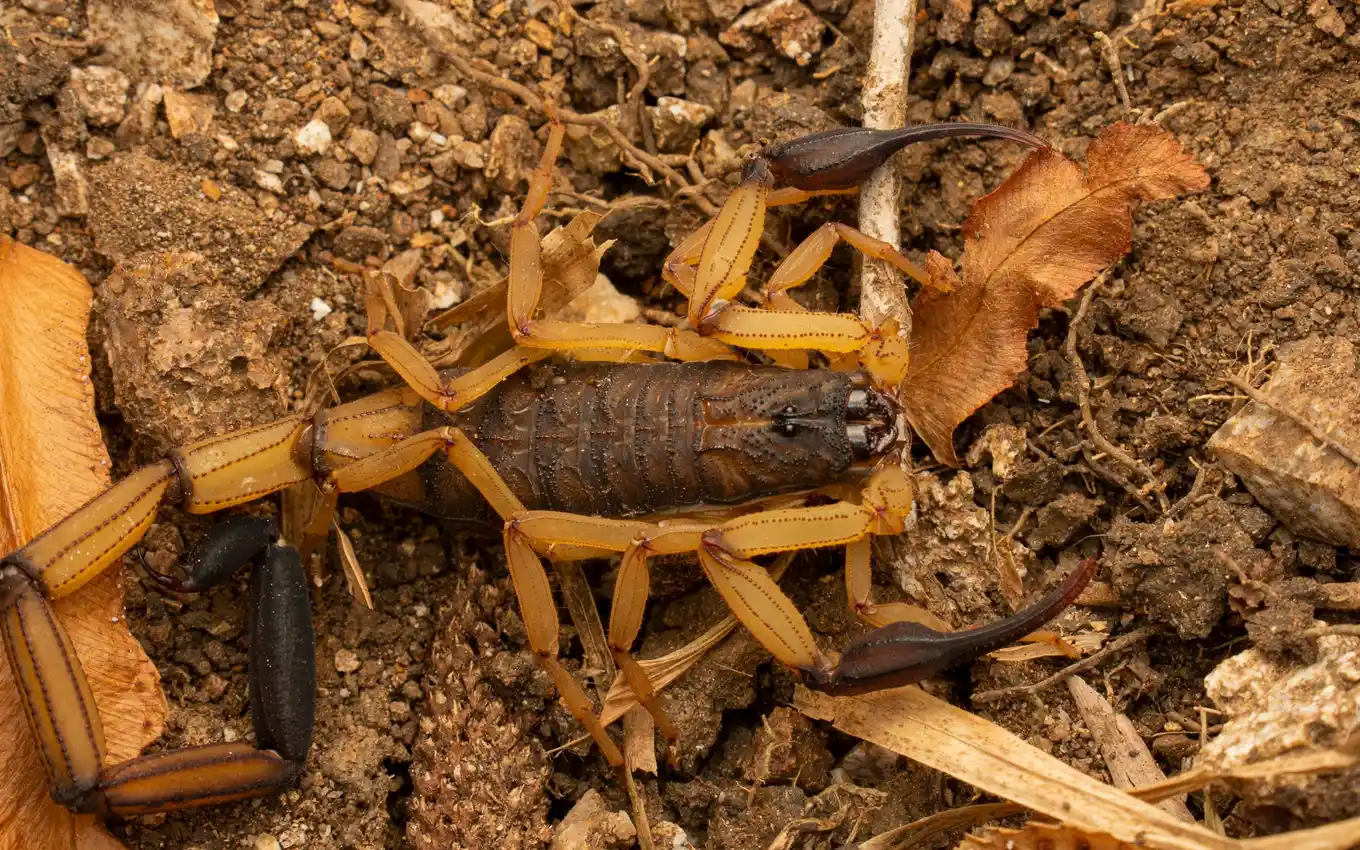
Scorpion control in Al Muntazah Jeddah
Al Muntazah is a densely stacked apartment district on Briman's eastern edge, with buildings let to workers stacked high over narrow internal streets and busy traffic passing above. Scorpions find refuge in the shared passages and communal entrances where they move safely between units, and Hada Al Sham Road overhead brings the smaller insects the scorpion feeds on.
-
Targeted, not broadcast
Product goes into cracks and runways, never sprayed across open surfaces.
-
Told before we start
What we will use, where it goes, and what to cover or move before we arrive.
-
A follow-up visit
We return after the first treatment, because what survives it does not show on the day.
-
Homes and businesses
Apartments and villas, and kitchens and stores that need a record of each visit.
Why they keep coming back in Al Muntazah
Internal streets stay damp and narrow even in daylight, the taller stacks raise humidity that lingers after dark, and shared stairwells in older blocks hold fissures between the floors. The method is set out in full on Scorpion control in detail.
Narrow passages and communal entry doors
Adjoining buildings create tight passages between blocks that stay dark and damp all day, safe corridors that scorpions traverse between units without exposure. Gaps under outer doors and worn seals on communal entries make access easy from ground level. Once inside the entry lobby, scorpions climb the stairwell unobserved, moving between flats on each floor through utility conduit gaps.
Shared stairways and internal utility routes
Communal stairwells in older blocks have fissures in steps and landings where they meet the walls, and dim lighting makes them ideal daytime shelter. Each building houses dozens of separate flats served by a single staircase, so a single entry point serves the whole block. Scorpions ascending at night reach multiple floors and multiple families with one passage.
Old foundations and trapped ground moisture
Lower walls and floor slabs in older blocks hold standing moisture from soil and sewer leakage, and fissures in these foundations let scorpions enter from below ground. The scorpion climbs through these cracks into the floor void, then emerges into ground floor flats and ascends interior walls to upper units.
Al Muntazah on the map
Al Muntazah sits about 2.5 km from Al Ajwad and about 4 km from Al Samir.
Open in Google MapsWhat we check outside before we go in
A densely built apartment zone between Hada Al Sham Road and Muawiyah Al Sulami Street, with Wadi Al Asla flowing past its eastern edge carrying seasonal moisture.
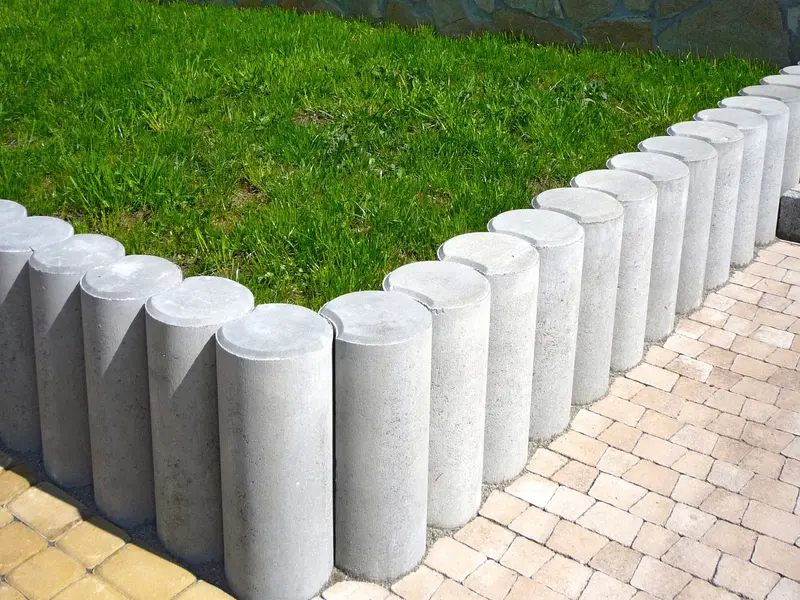
Wall joints and boundary walls
Boundary joints between adjoining blocks are damp and run deep, requiring repeated treatment as they degrade from vehicle vibration and water seepage.
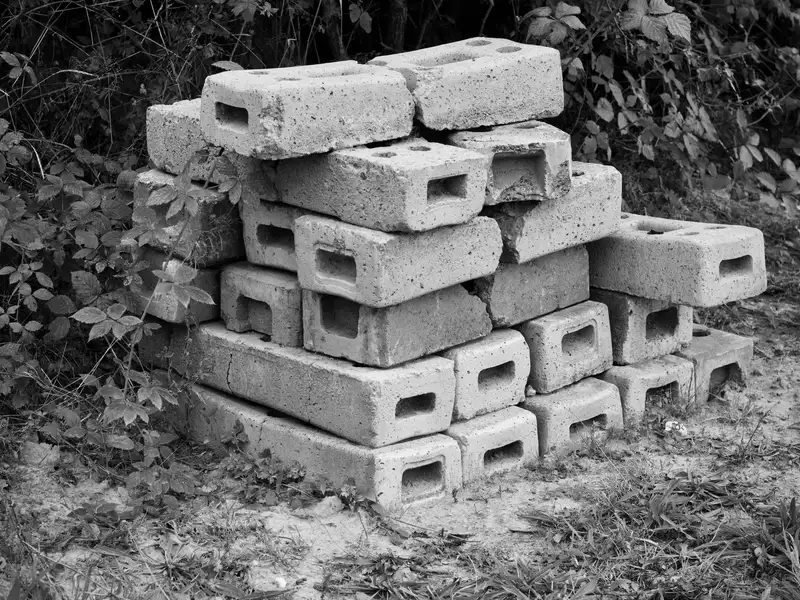
Rubble and stacked block
Building rubble, sand and aggregate gather in the gaps between adjoining structures and in lower wall cavities where the blocks are oldest.
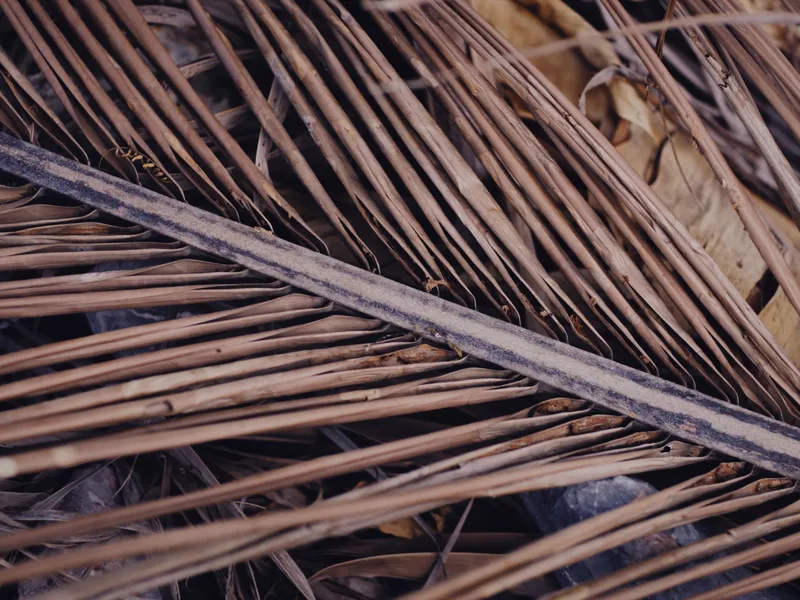
Palm fronds and garden litter
Dead fronds and dried leaves find their way into roof gutters, blocked downpipes and the tight floor cavities where drainage fails.
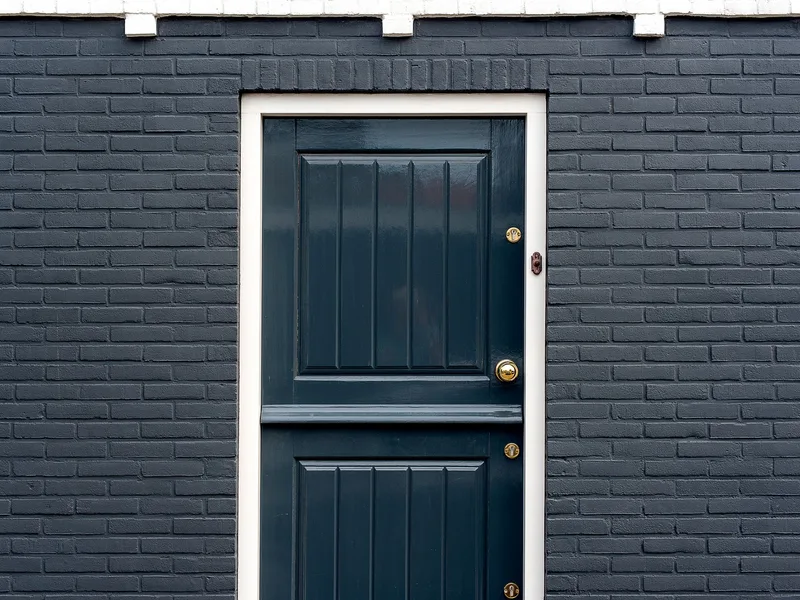
The gap under the door
Gaps beneath flat doors and communal entry doors are wide in older blocks due to subsidence and wear, allowing easy scorpion passage.
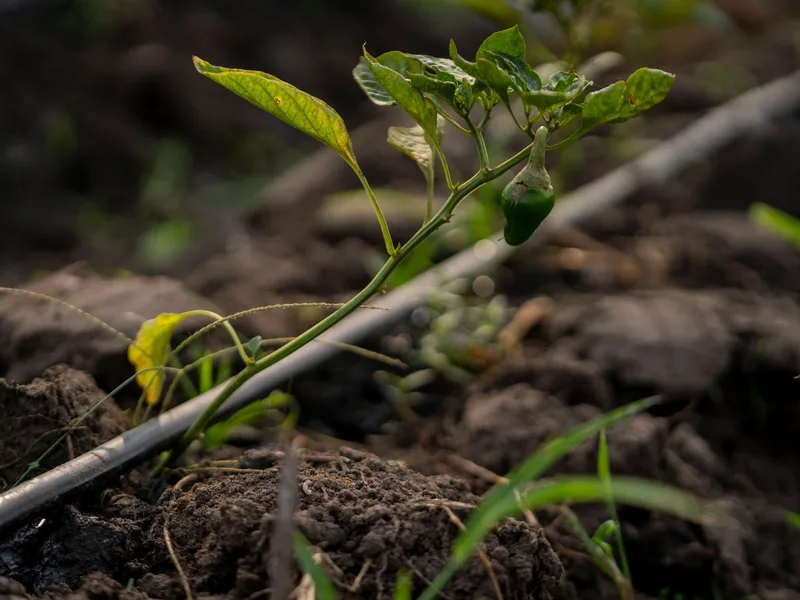
Irrigation and damp soil
Irrigation spray from ground floor shop gardens and small planted spaces reaches lower walls and floor edges, maintaining the dampness scorpions require.
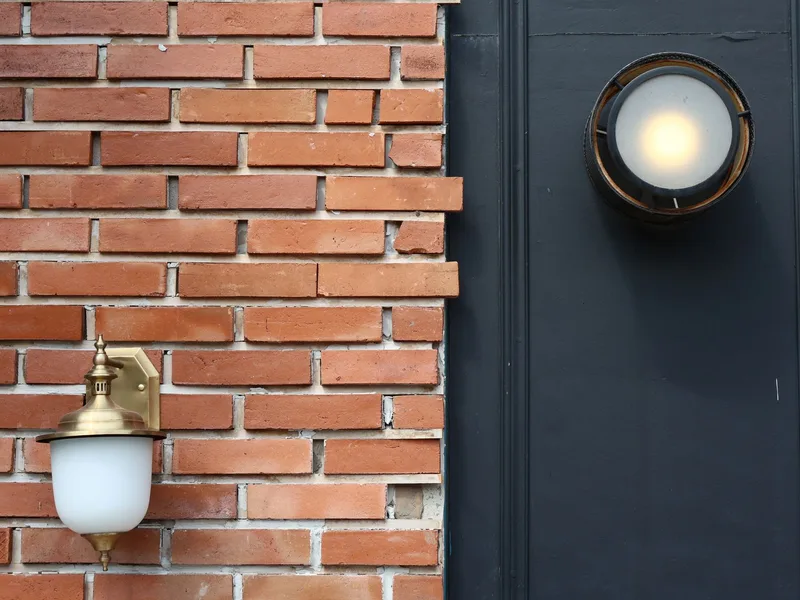
The light by the door
Poor lighting in shared passages and stairwells is part of the problem; scorpions move actively at night when foot traffic ceases and the stairwells empty.
How we work
-
1
Night survey and perimeter inspection
We walk the perimeter after dark with an ultraviolet lamp, which makes a scorpion show up against wall and soil, and we record the harbourage, the ways in and how much prey is present.
-
2
Treat the harbourage and the building edge
Dust into the wall joints and the dry voids, and a targeted band tight against the foundation and around openings, because the material holds longer on a porous surface than on tile.
-
3
Close the ways in and remove the prey
A sweep under the doors, sealing where air-conditioning and drain pipes pass through, mesh over openings, and treatment of the cockroaches and insects it feeds on, so the reason to come in goes with them.
-
4
The follow-up visit
A scorpion can sit in its harbourage for weeks without moving, so the first pass does not always reach it. We come back to refresh the perimeter band and check what has appeared since.
What scorpion control includes
-

A night survey with an ultraviolet lamp
A walk of the perimeter after dark that fixes the harbourage and the entry routes before anything is applied.
-

Targeted perimeter and joint treatment
A band against the foundation, plus wall joints and cracks, never open floors or where children play.
-

Sealing openings and pipe entries
Drain openings, the points where air-conditioning pipes pass through, and mesh on shafts, which are the routes actually used.
-

Treating what it feeds on
Placed bait for cockroaches at entrances and service areas, because cutting the food supply reduces visits more than repeating a spray.
-

Aftercare instructions
What to lift out of the yard, where to move the outside light, and the ventilation time for your situation, which we give you on site.
-

A scheduled follow-up
A set date after the first treatment, a refreshed perimeter band and a check of anything new around it.
Landmarks of Al Muntazah
Al Muntazah extends from Hada Al Sham Road to the north and Muawiyah Al Sulami Street to the west, with Wadi Al Asla forming its eastern edge. Our work starts on the outer walls facing both roads and advances into the interior passages, shared entries and stairwell fissures.
- Hada Al Sham Road
- Muawiyah Al Sulami Street
- Wadi Al Asla
Questions about this district
Do shared entry lobbies make scorpions spread faster between flats?
Yes, because a single entry below ground level leads to dozens of separate dwellings stacked above. The scorpion enters once through a foundation gap or under an outer door, then uses the communal staircase to branch into multiple apartments. We cannot seal the lobby entirely as it is shared, but we treat the fissures round the outer doors and seal wall gaps inside the entry where utility conduits pass through.
Why do scorpions reach the upper floors and even the roof level?
Scorpions ascend exterior walls and interior surfaces searching for ventilation openings and gaps between units, and the tight stairwells provide them a safe vertical route. Gaps between flat boundaries run the full height of the building, so upper floors are equally at risk. The scorpion climbs persistently when it senses insects above.
Do unfurnished flats between letting agencies provide shelter that makes this worse?
Empty and sealed flats become secure refuges offering the scorpion undisturbed habitat for weeks at a time. When a flat is occupied again, small insects colonise it first, and the scorpion follows their scent within days, establishing itself in the new food source.
How do you treat the fissures between tightly joined flat boundaries?
We treat gaps from inside around utility openings, conduits and pipes where they penetrate between units, sealing accessible fissures with approved materials. Outside, we treat wall surfaces around roof gutters, downpipes and the gaps where concrete blocks meet at external corners.
Do narrow streets and permanent shade in the passages make matters worse?
Yes, the trapped moisture and shade all day create ideal conditions for the small prey insects the scorpion hunts. We concentrate treatment on the base of walls, gaps between paved surfaces and the fissures where ground meets building, knowing scorpions travel at ground level in daylight here.
Is treating one flat enough or must the whole building be covered?
Treatment of one flat protects that flat, but a scorpion may migrate from an adjacent unit or enter from the shared passage. We recommend coordination with neighbours and comprehensive coverage of the entry lobby and passages, so the scorpion cannot simply move into an untreated neighbouring space.
How much does scorpion control in Al Muntazah cost?
It is set after the inspection, because the price follows the type of infestation, the size of the space, how far it has spread and the number of visits it needs. Send a photo and a description on WhatsApp and we will give you an estimate before we reach Al Muntazah.
Other services in Al Muntazah
Other services we provide to residents of Al Muntazah.
-
 Residential
Cockroach control
Residential
Cockroach control
-
 Residential
Bed bug control
Residential
Bed bug control
-
 Residential
Termite control
Residential
Termite control
-
 Residential
Rodents and mice
Residential
Rodents and mice
-
 Residential
Mosquito control
Residential
Mosquito control
-
 Residential
Fly control
Residential
Fly control
-
 Residential
Ant control
Residential
Ant control
-
 Residential
Gecko control
Residential
Gecko control
-
 Residential
Snake control
Residential
Snake control
-
 Residential
Flea control
Residential
Flea control
-
 Residential
Bird and pigeon control
Residential
Bird and pigeon control
-
 Residential
Preventive treatment
Residential
Preventive treatment
-
 Residential
Disinfection
Residential
Disinfection
-
 Commercial
Annual contracts
Commercial
Annual contracts
-
 Commercial
Restaurants and cafes
Commercial
Restaurants and cafes
-
 Commercial
Hotels and apartments
Commercial
Hotels and apartments
-
 Commercial
Warehouses and factories
Commercial
Warehouses and factories
-
 Commercial
Schools and nurseries
Commercial
Schools and nurseries
-
 Commercial
Retail and malls
Commercial
Retail and malls
-
 Commercial
Rest houses and farms
Commercial
Rest houses and farms
-
 Commercial
Fumigation
Commercial
Fumigation
-
 Water tanks
Water tank cleaning
Water tanks
Water tank cleaning
-
 Water tanks
Water tank sterilization
Water tanks
Water tank sterilization
-
 Water tanks
Water tank sealing
Water tanks
Water tank sealing
-
 Water tanks
Tank leak repair
Water tanks
Tank leak repair
Need scorpion control in Al Muntazah? Tell us what you saw and we will tell you what it needs
We reach Al Muntazah at a time we agree, and you get the full cost before we start.