
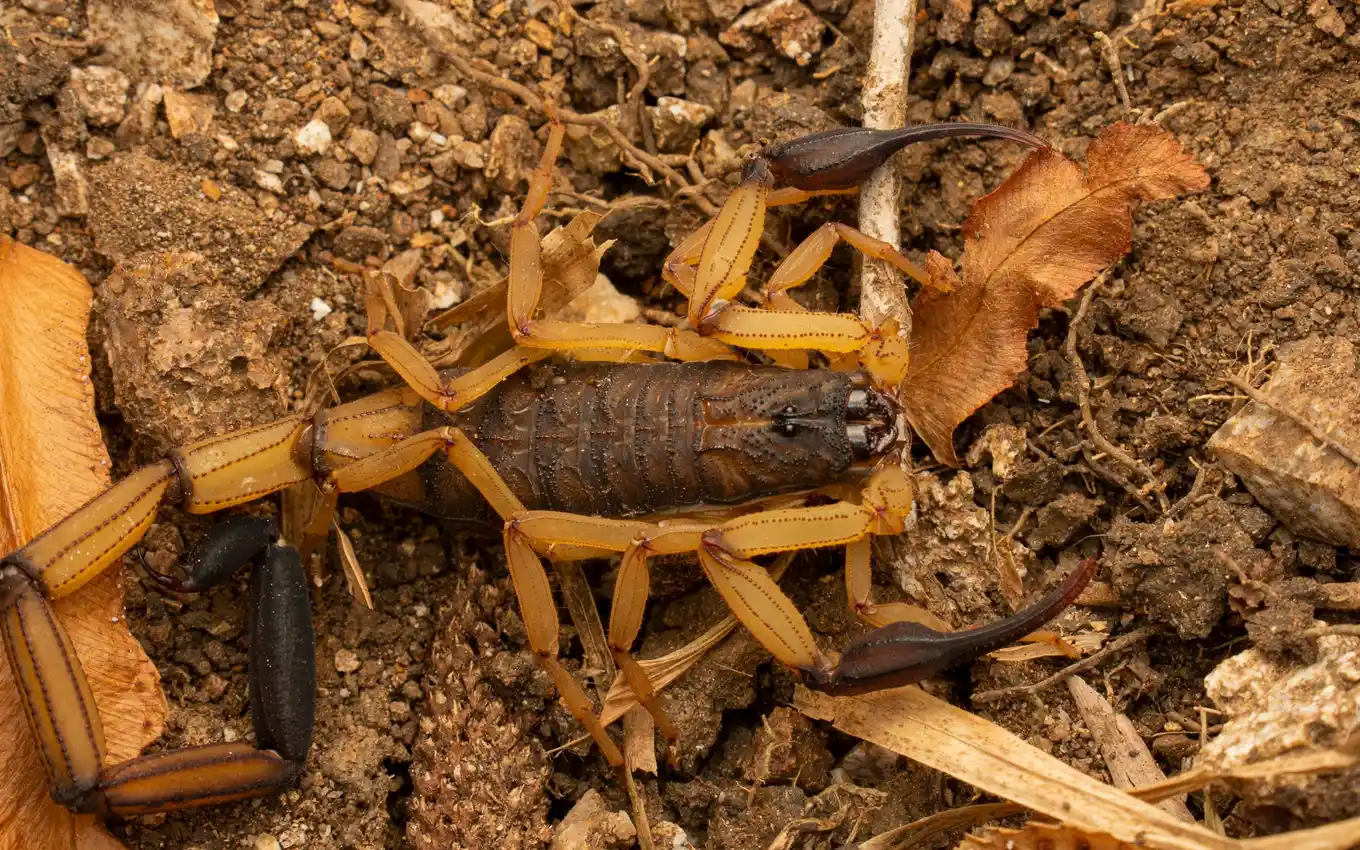
Scorpion control in Al Safa Jeddah
Al Safa is one of the oldest and largest districts of northern Jeddah, built decades ago with villas, family homes and apartment blocks whose ground floors are thick with shops, restaurants and small markets. Scorpions do not arrive by chance: the dense commercial kitchens along Prince Majid Road and King Fahd Road draw them in, and the aged pipework and gaps in old masonry give them shelter.
-
Targeted, not broadcast
Product goes into cracks and runways, never sprayed across open surfaces.
-
Told before we start
What we will use, where it goes, and what to cover or move before we arrive.
-
A follow-up visit
We return after the first treatment, because what survives it does not show on the day.
-
Homes and businesses
Apartments and villas, and kitchens and stores that need a record of each visit.
Why they keep coming back in Al Safa
Most reports come from flats directly above commercial shops, with the scorpion reaching the apartment through gaps in the shared floor or fissures in the common wall. The method is set out in full on how we approach Scorpion control.
Shops and homes are not separate domains
Ground floor retail is not simply commercial space; it is a continuous food source. Restaurants, bakeries and small grocers open early and close late, and food scraps, oils and crumbs accumulate. The scorpion detects food from a distance and crawls through tight fissures to reach it. A flat above a shop without treating the shop below will see scorpions arrive from beneath.
Aged water and drainage networks underground
Water and sewer lines beneath Al Safa were laid decades ago and leak constantly. Moisture around foundations and pipes draws insects and rodents that the scorpion follows. Repairing visible pipework is not enough because much of the network lies buried beneath the street, weeping silently.
Tight fissures between adjoining buildings
Buildings stand shoulder to shoulder with narrow deep gaps between them. The scorpion crawls through these from one home to the next, and treating one flat alone does not stop it if neighbours have not treated theirs. Coordination between residents is difficult but essential.
The character of Al Safa
Mixed district: shops at street level with homes above them
Shops and homes above them mean the scorpion does not choose between them: it enters the shop for food then climbs to the flat for moisture and safety. Separate treatment achieves full protection only through precise coordination and closure of connection points.
What we check outside before we go in
Ground floor shops and restaurants along Prince Majid Road and King Fahd Road supply a constant food source, and the fissures between buildings provide ideal scorpion harborage.
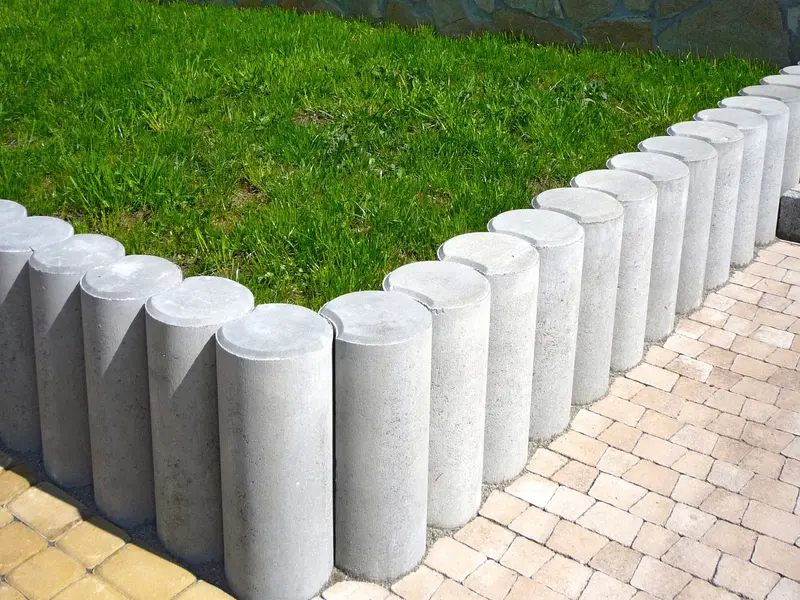
Wall joints and boundary walls
Fissures between tightly adjoining buildings are very narrow but the scorpion moves through them easily from shop to flat to the next shop.
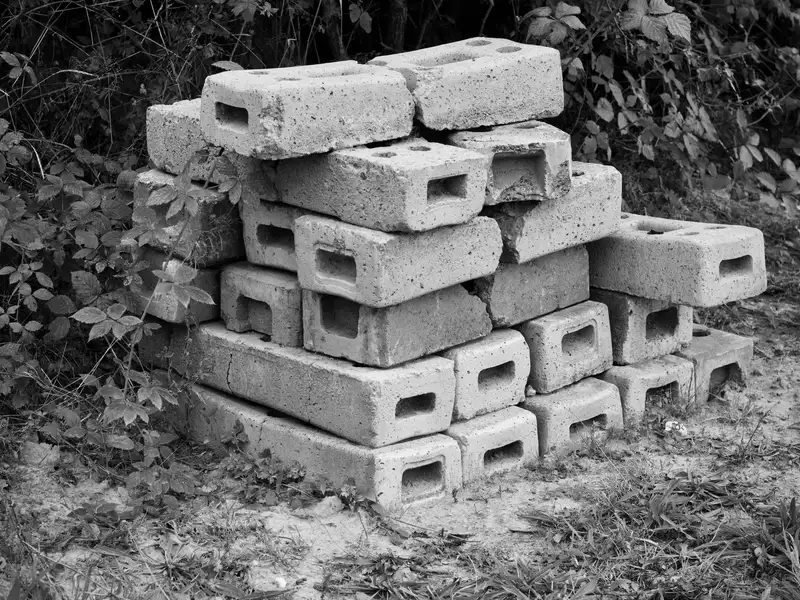
Rubble and stacked block
Building debris from old repairs remains beneath foundations and in voids, creating ideal scorpion habitat.
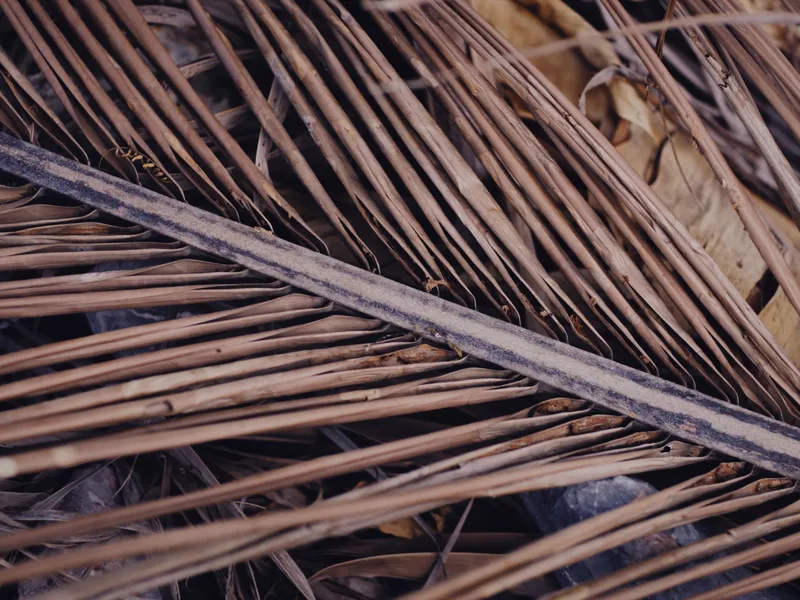
Palm fronds and garden litter
Scraps and waste from shops and restaurants collect in corners and fissures, forming a permanent food source for insects and scorpions alike.
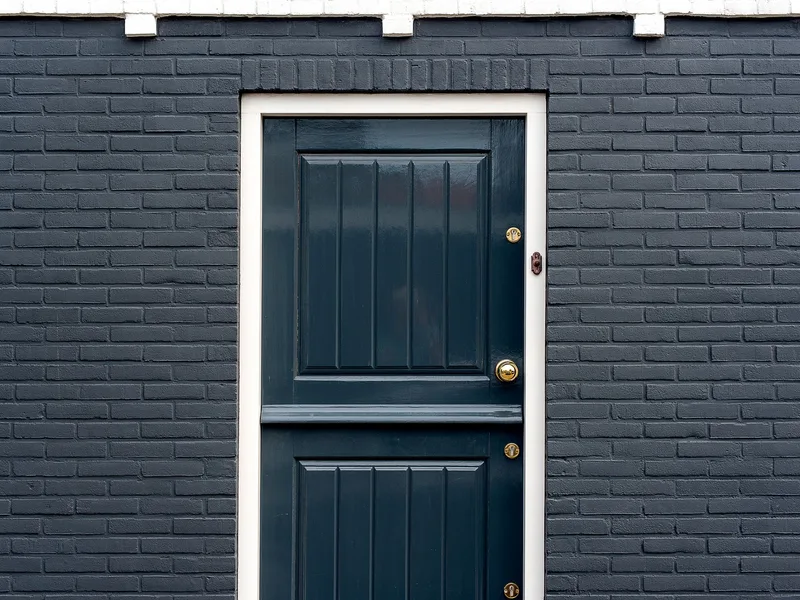
The gap under the door
The gap under a shop door or flat entrance is usually wide and needs mechanical closure; chemical treatment alone is not enough.
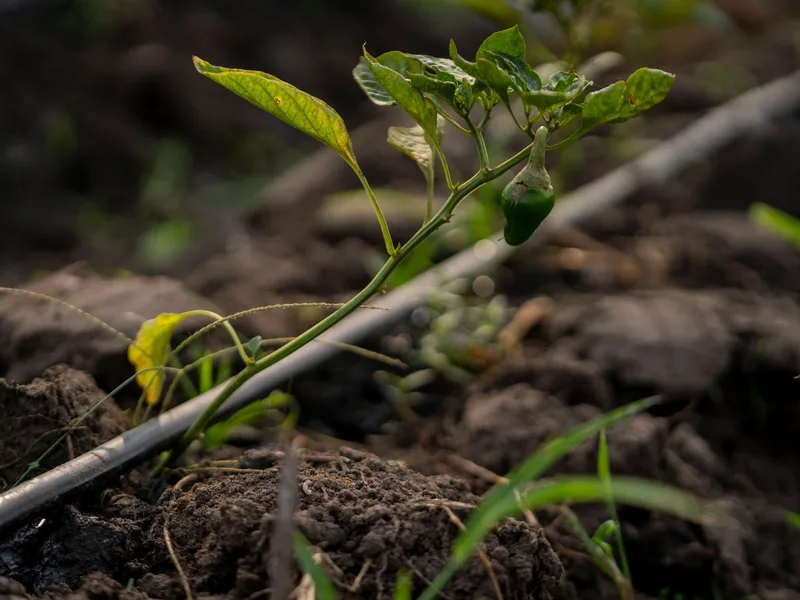
Irrigation and damp soil
Moisture from pipe leaks beneath floor slabs is constant, and the scorpion seeks it out at the lowest levels of the building.
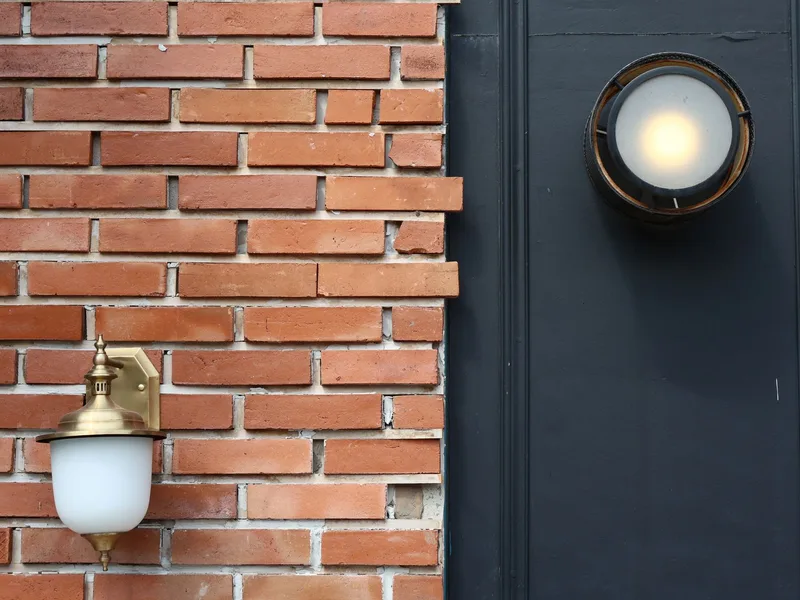
The light by the door
Light at the shop entrance at night attracts small insects that draw the scorpion, especially with repeated opening and closing.
How we work
-
1
Night survey and perimeter inspection
We walk the perimeter after dark with an ultraviolet lamp, which makes a scorpion show up against wall and soil, and we record the harbourage, the ways in and how much prey is present.
-
2
Treat the harbourage and the building edge
Dust into the wall joints and the dry voids, and a targeted band tight against the foundation and around openings, because the material holds longer on a porous surface than on tile.
-
3
Close the ways in and remove the prey
A sweep under the doors, sealing where air-conditioning and drain pipes pass through, mesh over openings, and treatment of the cockroaches and insects it feeds on, so the reason to come in goes with them.
-
4
The follow-up visit
A scorpion can sit in its harbourage for weeks without moving, so the first pass does not always reach it. We come back to refresh the perimeter band and check what has appeared since.
What scorpion control includes
-

A night survey with an ultraviolet lamp
A walk of the perimeter after dark that fixes the harbourage and the entry routes before anything is applied.
-

Targeted perimeter and joint treatment
A band against the foundation, plus wall joints and cracks, never open floors or where children play.
-

Sealing openings and pipe entries
Drain openings, the points where air-conditioning pipes pass through, and mesh on shafts, which are the routes actually used.
-

Treating what it feeds on
Placed bait for cockroaches at entrances and service areas, because cutting the food supply reduces visits more than repeating a spray.
-

Aftercare instructions
What to lift out of the yard, where to move the outside light, and the ventilation time for your situation, which we give you on site.
-

A scheduled follow-up
A set date after the first treatment, a refreshed perimeter band and a check of anything new around it.
What is different about Airport Sub-Municipality
The Airport sub-municipality covers some of the oldest established districts of northern Jeddah, gathered around King Abdulaziz International Airport between Madinah Road, King Fahd Road and Prince Majid Road. The stock is villas, single family houses and apartment blocks built decades ago, many served by ageing water and sewer lines. Commercial streets such as Quraish, Sari and Sultan bin Salman are lined with restaurants, furnished flats and popular markets. Dense commercial kitchens, worn pipework and the gaps in older buildings give cockroaches and rodents steady food and shelter, and the high resident population keeps that pressure constant through the year.
Questions about this district
Must the shop and the flat above it be treated together?
Yes. The scorpion moves between them via shared fissures and pipes. Treating the flat alone may briefly stop entry, but if the shop below stays inadequately treated the scorpion will return. Coordinating treatment between the shop owner and residents above is the most effective approach.
Why did a scorpion appear days after treatment ended?
It may be a new arrival that entered after treatment through unclosed gaps, or one from an adjacent untreated shop. Treatment stops what is already present but does not prevent fresh entry if entry points remain open.
Is treatment safe while the shop is open and residents are home?
Yes. The products used are approved for use in occupied spaces including kitchens with food on display. The shop closes for one or two hours only, then reopens. The flat stays open to ventilation with residents in a safe area.
Is the dense commercial activity the main cause of scorpions here?
It plays a part, but not the whole story. Leaks and constant moisture from aged networks create ideal conditions. Even if one restaurant or shop closes, the scorpion remains as long as moisture and fissures persist.
How many times yearly does Al Safa need treatment?
Two to three times depending on commercial activity and season. Active shops need more frequent coverage than residential areas. Spring and summer are peak seasons requiring closer monitoring.
Does sealing gaps and fissures reduce scorpions more than chemical treatment?
Both together are stronger than either alone. Chemical treatment kills what is present and what enters freshly, but sealing prevents entry from the start. In Al Safa especially, where buildings are old and fissures numerous, sealing is essential.
How much does scorpion control in Al Safa cost?
It is set after the inspection, because the price follows the type of infestation, the size of the space, how far it has spread and the number of visits it needs. Send a photo and a description on WhatsApp and we will give you an estimate before we reach Al Safa.
Nearby districts we cover
Other services in Al Safa
Other services we provide to residents of Al Safa.
-
 Residential
Cockroach control
Residential
Cockroach control
-
 Residential
Bed bug control
Residential
Bed bug control
-
 Residential
Termite control
Residential
Termite control
-
 Residential
Rodents and mice
Residential
Rodents and mice
-
 Residential
Mosquito control
Residential
Mosquito control
-
 Residential
Fly control
Residential
Fly control
-
 Residential
Ant control
Residential
Ant control
-
 Residential
Gecko control
Residential
Gecko control
-
 Residential
Snake control
Residential
Snake control
-
 Residential
Flea control
Residential
Flea control
-
 Residential
Bird and pigeon control
Residential
Bird and pigeon control
-
 Residential
Preventive treatment
Residential
Preventive treatment
-
 Residential
Disinfection
Residential
Disinfection
-
 Commercial
Annual contracts
Commercial
Annual contracts
-
 Commercial
Restaurants and cafes
Commercial
Restaurants and cafes
-
 Commercial
Hotels and apartments
Commercial
Hotels and apartments
-
 Commercial
Warehouses and factories
Commercial
Warehouses and factories
-
 Commercial
Schools and nurseries
Commercial
Schools and nurseries
-
 Commercial
Retail and malls
Commercial
Retail and malls
-
 Commercial
Rest houses and farms
Commercial
Rest houses and farms
-
 Commercial
Fumigation
Commercial
Fumigation
-
 Water tanks
Water tank cleaning
Water tanks
Water tank cleaning
-
 Water tanks
Water tank sterilization
Water tanks
Water tank sterilization
-
 Water tanks
Water tank sealing
Water tanks
Water tank sealing
-
 Water tanks
Tank leak repair
Water tanks
Tank leak repair
Need scorpion control in Al Safa? Tell us what you saw and we will tell you what it needs
We reach Al Safa at a time we agree, and you get the full cost before we start.