
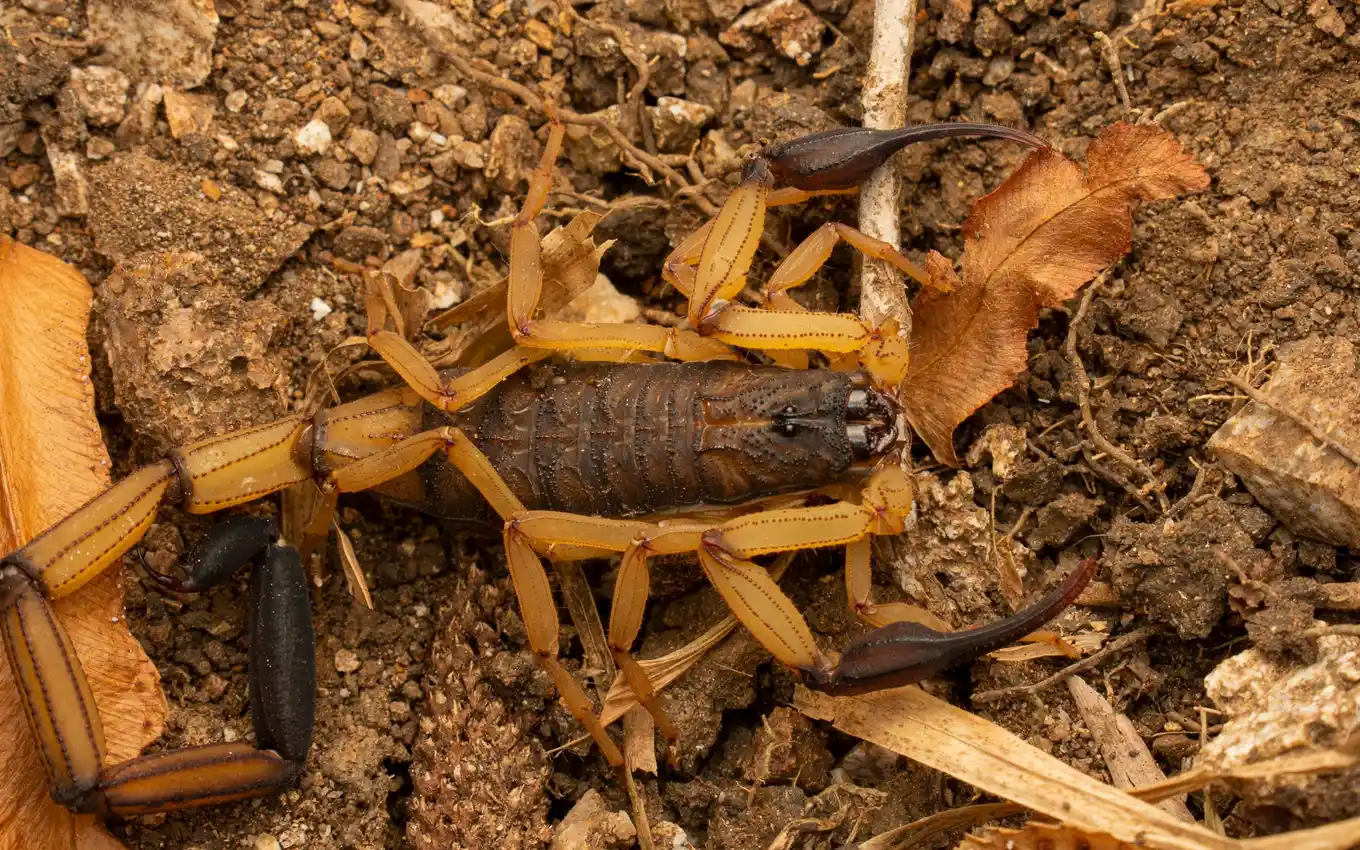
Scorpion control in Ghulail Jeddah
Ghulail is a decades old quarter in south Jeddah next to the former Al Mahjar district where informal buildings have been entirely cleared under redevelopment. The land now lies vacant and open while new construction spreads unevenly across it. The old narrow lanes and failing drains have gone, but the bare ground, open excavations and incomplete new drainage networks create fresh scorpion habitat. This new district development faces different scorpion pressures than either the old dense quarter or a finished neighbourhood.
-
Targeted, not broadcast
Product goes into cracks and runways, never sprayed across open surfaces.
-
Told before we start
What we will use, where it goes, and what to cover or move before we arrive.
-
A follow-up visit
We return after the first treatment, because what survives it does not show on the day.
-
Homes and businesses
Apartments and villas, and kitchens and stores that need a record of each visit.
Why they keep coming back in Ghulail
The difference between Ghulail now and Ghulail a decade ago is profound: vast bare plots and scattered new building attract different species of insects and scorpions from the ongoing redevelopment work. The method is set out in full on the full Scorpion control page.
Vacant ground and ongoing South Jeddah development creates new habitat
Ghulail is extensive bare land left after old housing was cleared, and new building rises scattered across the empty space. This mix of exposed ground and interrupted construction gives scorpions easy shelter in building materials and open excavations. Treating a newly developing district differs fundamentally from treating finished neighbourhoods. The perimeter is undefined and the boundaries are moving.
Incomplete drainage networks leave seasonal moisture
New drainage infrastructure is not complete across all the district and low areas collect water after rain. Moisture and silt in the soil draw insects and scorpions which follow water and food supply together. The temporary wetness of incomplete drainage is a scorpion attractant.
Old narrow lanes gone but new gaps remain open
The old cramped lanes have vanished but gaps between new building foundations and vacant plots now offer open pathways for scorpion movement. Scattered construction does not confine scorpion travel the way complete neighbourhoods do.
Ghulail on the map
Ghulail sits about 1.5 km from Al Quraiyat and about 2 km from Al Nazlah Al Yamaniyah.
Open in Google MapsWhat we check outside before we go in
A district where old housing has been completely cleared leaving extensive vacant land. Adjacent to the former Al Mahjar area which suffered from broken drainage and extremely narrow lanes. Exposed ground, unstable soil and incomplete new service networks now attract insects and scorpions throughout the area.
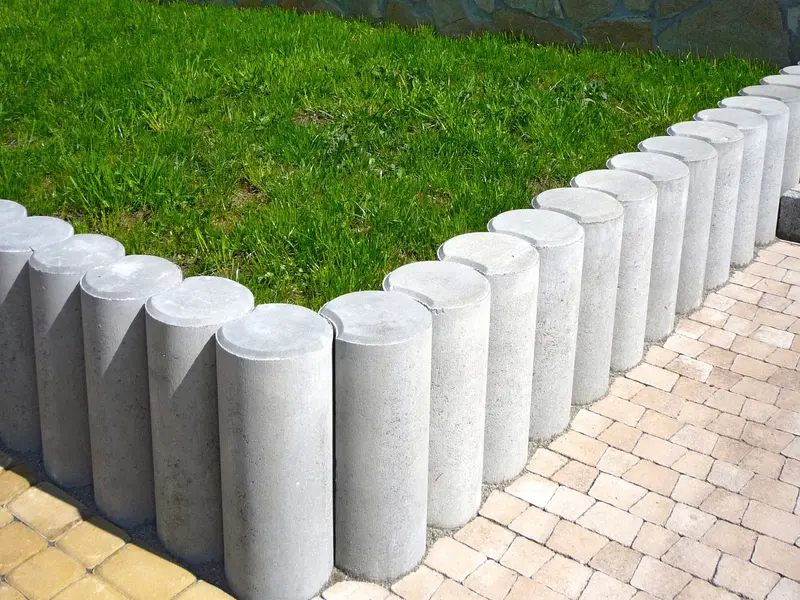
Wall joints and boundary walls
The boundary wall against vacant neighbouring plots needs strong treatment because the empty land offers a direct pathway for scorpions to reach your home.
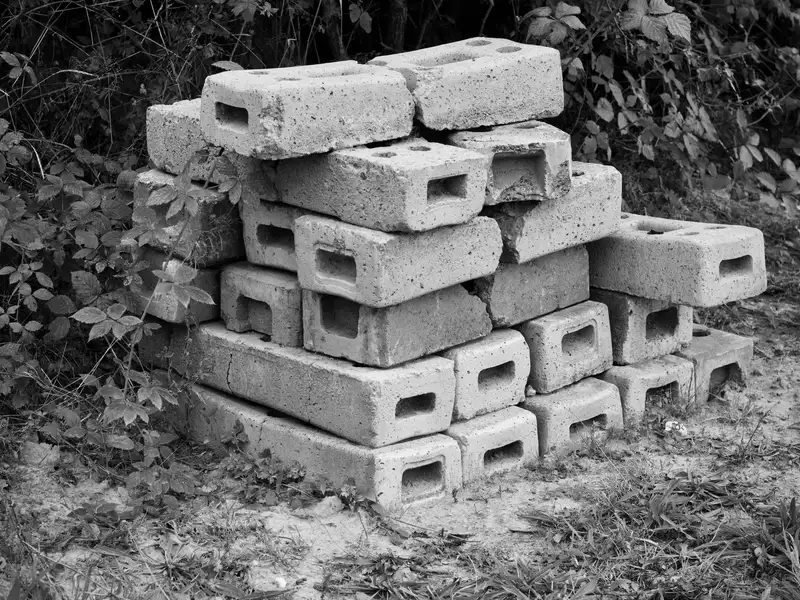
Rubble and stacked block
Stacked building materials and exposed foundations in the new district provide temporary scorpion shelter until construction is complete and the site is cleared.
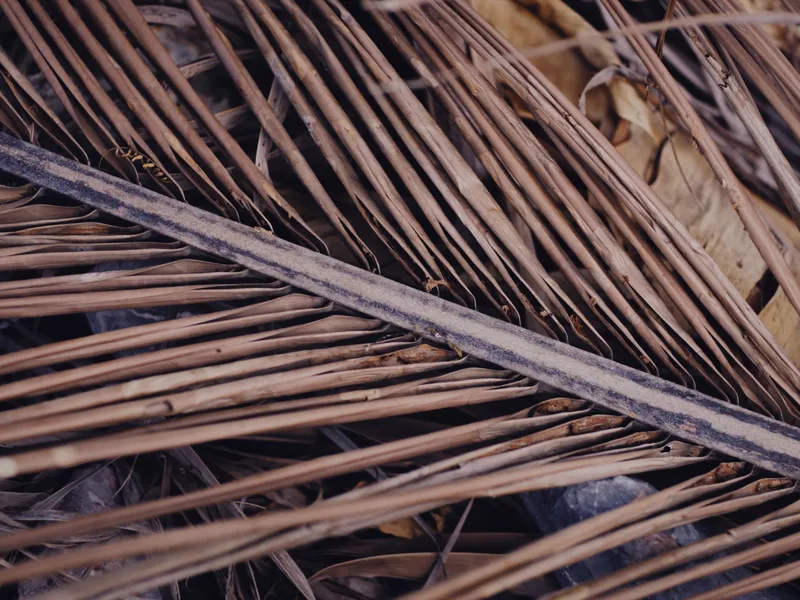
Palm fronds and garden litter
Rubble and vegetation and reworked soil attract insects and scorpions into the perimeter area around new buildings.
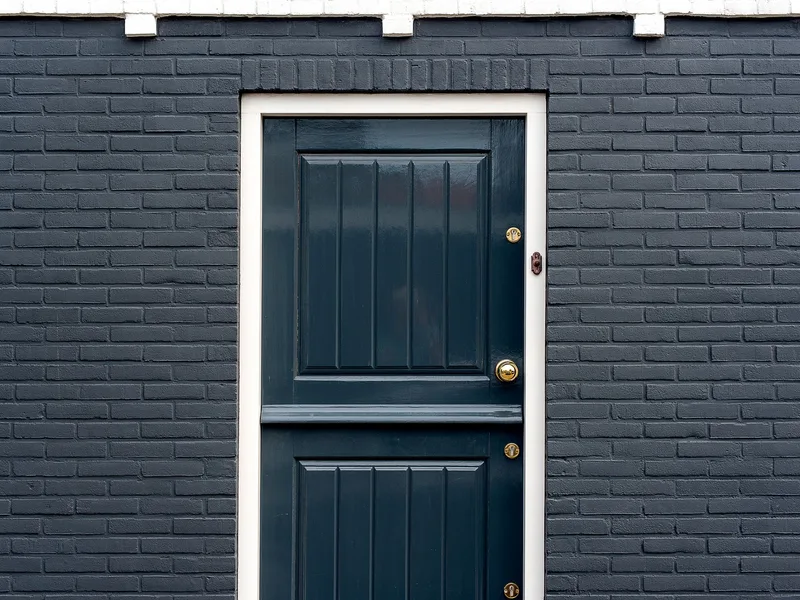
The gap under the door
The gap under the door and window seals must be tight because vacant plots provide a direct route for scorpions to approach the house.
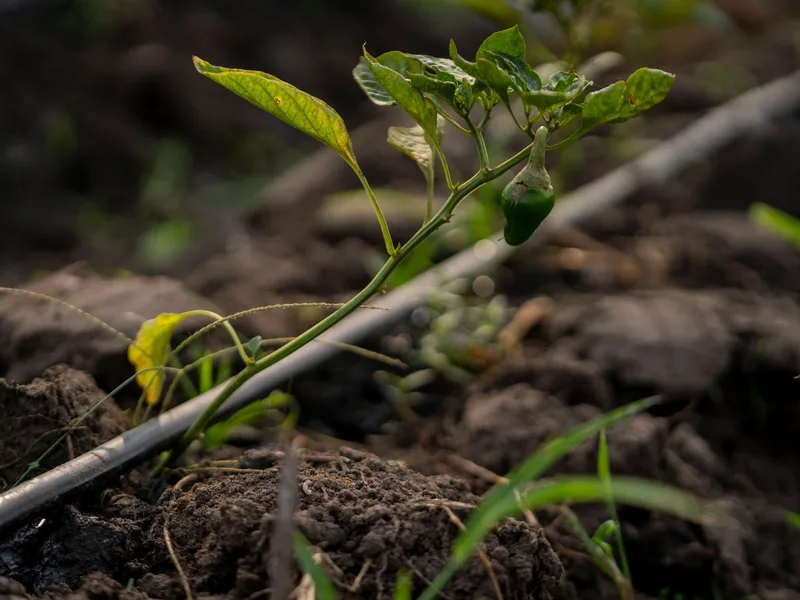
Irrigation and damp soil
Water leaks from the incomplete drainage network leave damp patches and silt that continuously attract scorpions.
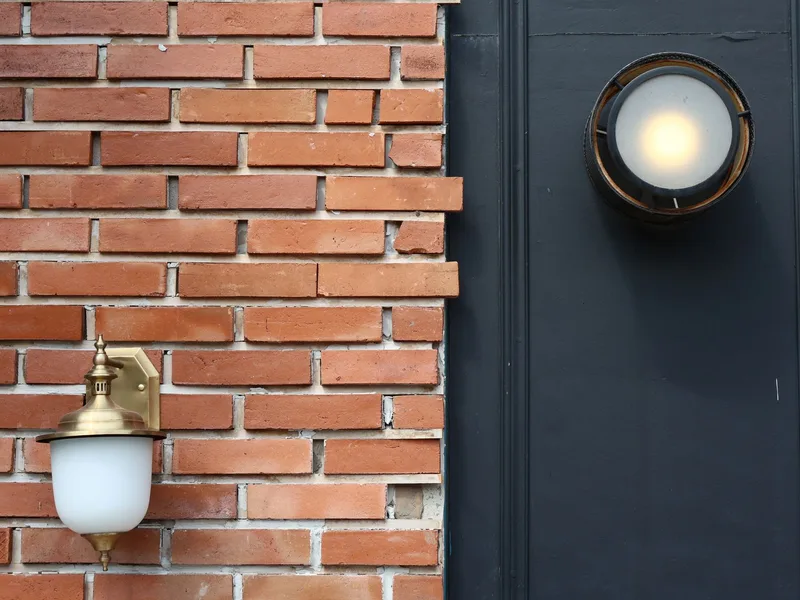
The light by the door
External lighting at the entry draws insects from the surrounding vacant plots where scorpions shelter during daylight.
How we work
-
1
Night survey and perimeter inspection
We walk the perimeter after dark with an ultraviolet lamp, which makes a scorpion show up against wall and soil, and we record the harbourage, the ways in and how much prey is present.
-
2
Treat the harbourage and the building edge
Dust into the wall joints and the dry voids, and a targeted band tight against the foundation and around openings, because the material holds longer on a porous surface than on tile.
-
3
Close the ways in and remove the prey
A sweep under the doors, sealing where air-conditioning and drain pipes pass through, mesh over openings, and treatment of the cockroaches and insects it feeds on, so the reason to come in goes with them.
-
4
The follow-up visit
A scorpion can sit in its harbourage for weeks without moving, so the first pass does not always reach it. We come back to refresh the perimeter band and check what has appeared since.
What scorpion control includes
-

A night survey with an ultraviolet lamp
A walk of the perimeter after dark that fixes the harbourage and the entry routes before anything is applied.
-

Targeted perimeter and joint treatment
A band against the foundation, plus wall joints and cracks, never open floors or where children play.
-

Sealing openings and pipe entries
Drain openings, the points where air-conditioning pipes pass through, and mesh on shafts, which are the routes actually used.
-

Treating what it feeds on
Placed bait for cockroaches at entrances and service areas, because cutting the food supply reduces visits more than repeating a spray.
-

Aftercare instructions
What to lift out of the yard, where to move the outside light, and the ventilation time for your situation, which we give you on site.
-

A scheduled follow-up
A set date after the first treatment, a refreshed perimeter band and a check of anything new around it.
Landmarks of Ghulail
Ghulail sits in south Jeddah between Al Mahjar Street and Omar Al Mutawa Street, and survey and treatment work operates from Al Falah Road which forms the southern boundary of the developing district and provides access to the scattered new building sites and redevelopment zones.
- Al Mahjar Street
- Omar Al Mutawa Street
- Al Falah Road
Questions about this district
Is a newly redeveloped district like Ghulail more exposed to scorpions than an old established quarter?
Yes, but in different ways. An old quarter suffers from crowding and chronic leaks. A new district like Ghulail faces vacant plots, scattered building and incomplete drainage, different causes but both provide scorpion shelter. The treatment strategy differs between old and new.
Do the extensive vacant plots in Ghulail worsen the scorpion problem compared with a finished district?
Bare ground permits unrestricted scorpion movement and scattered building does not confine them as completed districts do. But the problem will gradually reduce as construction finishes, paving completes and drainage is made whole.
What differs between treating a new villa in Ghulail and a villa in an old quarter like Al Balad?
A new villa in Ghulail is surrounded by vacant land and needs strong external perimeter protection. A villa in old Al Balad may need interior treatment more urgently because the scorpion may already be inside an occupied home.
Will completing the drainage network reduce the scorpion problem in Ghulail?
Yes, complete drainage will reduce the standing water and damp ground that attract insects and scorpions. Completed building, finished paving and whole service networks will also reduce the vacant land that offers open scorpion pathways.
Is treating my new house alone enough, or does the whole redevelopment district need treatment?
Treating your home is important but not sufficient while the district is incomplete and plots are vacant and drainage is partial. We focus on your perimeter first, then repeat treatment seasonally as the building programme advances.
Does the exposed soil type and bare ground in Ghulail increase the scorpion risk?
Yes, damp soil after rainfall and exposed sand attract insects and scorpions. Continuous moisture and the absence of plants or paved surfaces give scorpions shelter and unrestricted movement across the open ground.
How much does scorpion control in Ghulail cost?
It is set after the inspection, because the price follows the type of infestation, the size of the space, how far it has spread and the number of visits it needs. Send a photo and a description on WhatsApp and we will give you an estimate before we reach Ghulail.
Nearby districts we cover
Other services in Ghulail
Other services we provide to residents of Ghulail.
-
 Residential
Cockroach control
Residential
Cockroach control
-
 Residential
Bed bug control
Residential
Bed bug control
-
 Residential
Termite control
Residential
Termite control
-
 Residential
Rodents and mice
Residential
Rodents and mice
-
 Residential
Mosquito control
Residential
Mosquito control
-
 Residential
Fly control
Residential
Fly control
-
 Residential
Ant control
Residential
Ant control
-
 Residential
Gecko control
Residential
Gecko control
-
 Residential
Snake control
Residential
Snake control
-
 Residential
Flea control
Residential
Flea control
-
 Residential
Bird and pigeon control
Residential
Bird and pigeon control
-
 Residential
Preventive treatment
Residential
Preventive treatment
-
 Residential
Disinfection
Residential
Disinfection
-
 Commercial
Annual contracts
Commercial
Annual contracts
-
 Commercial
Restaurants and cafes
Commercial
Restaurants and cafes
-
 Commercial
Hotels and apartments
Commercial
Hotels and apartments
-
 Commercial
Warehouses and factories
Commercial
Warehouses and factories
-
 Commercial
Schools and nurseries
Commercial
Schools and nurseries
-
 Commercial
Retail and malls
Commercial
Retail and malls
-
 Commercial
Rest houses and farms
Commercial
Rest houses and farms
-
 Commercial
Fumigation
Commercial
Fumigation
-
 Water tanks
Water tank cleaning
Water tanks
Water tank cleaning
-
 Water tanks
Water tank sterilization
Water tanks
Water tank sterilization
-
 Water tanks
Water tank sealing
Water tanks
Water tank sealing
-
 Water tanks
Tank leak repair
Water tanks
Tank leak repair
Need scorpion control in Ghulail? Tell us what you saw and we will tell you what it needs
We reach Ghulail at a time we agree, and you get the full cost before we start.