
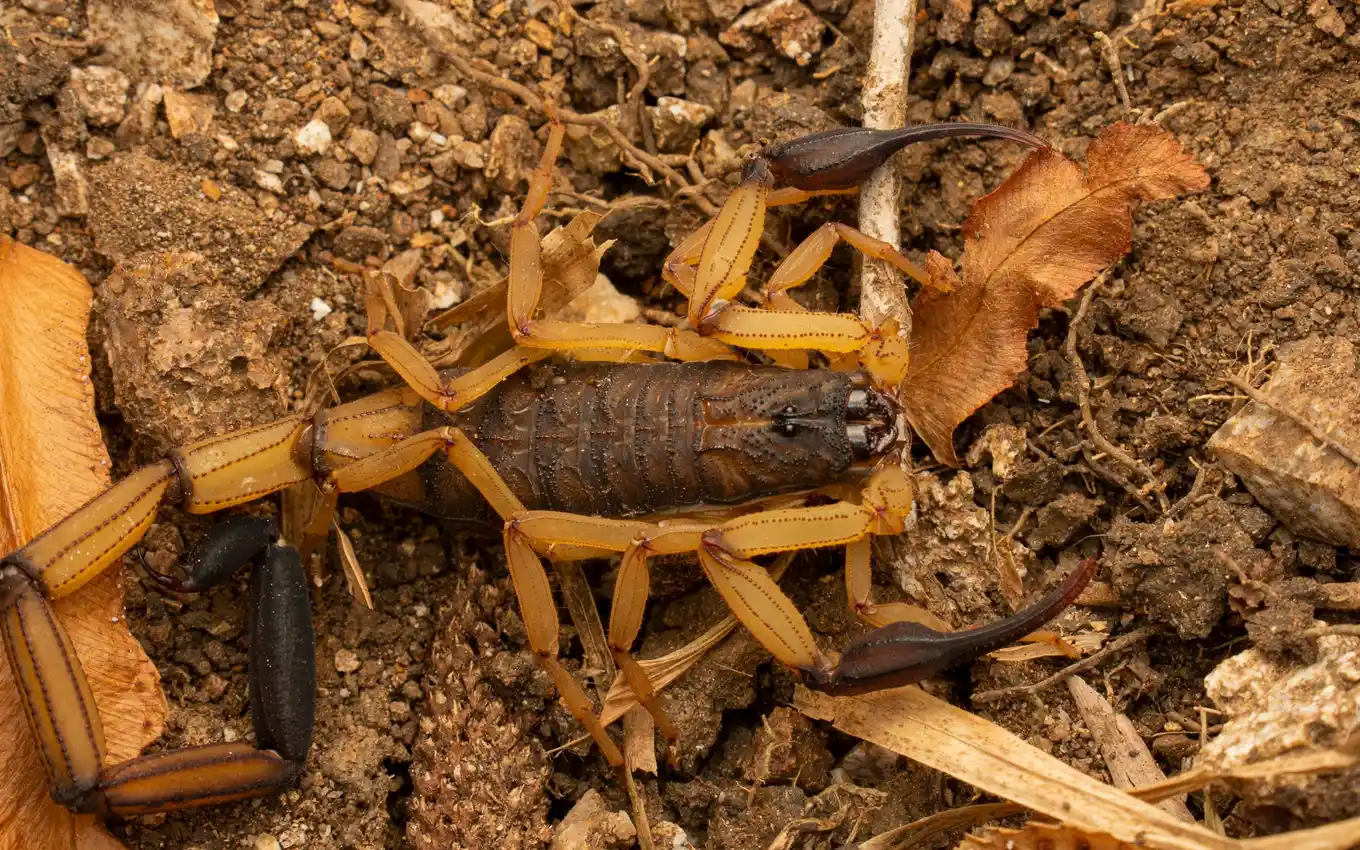
Scorpion control in Harat Al Bab Wa Al Shamiyah Makkah
Harat Al Bab Wa Al Shamiyah is a new development pressed directly against the Grand Mosque from the north. Old Al Shamiyah was cleared for the northern expansion project, and the area is now under continuous building. Vacant plots, exposed stone foundations and stacked building materials lie scattered everywhere. Harat Al Bab at the old western entrance is also newly built. Wide gaps and incomplete construction provide temporary shelter for scorpions. Insects find food in the rubble, and the scorpion finds shelter in the gaps.
-
Targeted, not broadcast
Product goes into cracks and runways, never sprayed across open surfaces.
-
Told before we start
What we will use, where it goes, and what to cover or move before we arrive.
-
A follow-up visit
We return after the first treatment, because what survives it does not show on the day.
-
Homes and businesses
Apartments and villas, and kitchens and stores that need a record of each visit.
Why they keep coming back in Harat Al Bab Wa Al Shamiyah
Building materials are stacked in the gaps, foundations are dug and left exposed, and construction machinery leaves large openings. Wide gaps between dwellings provide temporary shelter for scorpions migrating from the mosque precincts. The method is set out in full on the full Scorpion control page.
Ongoing construction, exposed bases and wide gaps
The area is under continuous building. Stone bases are exposed and excavations are deep. These voids provide ideal scorpion shelter: shaded, damp and safe from human movement. Stacked building material and sand provide additional cover. Machinery creates new gaps every day. A scorpion hides through the day and becomes active at night.
Migration from the mosque and old precincts
The northern expansion displaced scorpions from old areas southward. Some entered the new area under construction. Wide gaps offer refuge. This migration means waves of scorpions entering the new zone. The problem is seasonal but intense now.
Modern conduits and large unsealed gaps
Electrical and plumbing conduits in the new area contain wide unsealed gaps. These gaps provide direct passages for scorpions from outside into the building. Sealing and closing is not yet complete. A scorpion uses these gaps as an entry passage.
The character of Harat Al Bab Wa Al Shamiyah
New development: ongoing construction and vacant plots between the homes
Ongoing building and wide gaps in a new development provide a completely different environment. Scorpions do not flee from gaps, they settle in them. Our treatment focuses on gaps and exposed bases more than on treating a completed building.
What we check outside before we go in
Directly against the mosque from the north, northern expansion courtyards are being built, Jabal Hindi to the south, Rua Al Haram project on empty land, and the mosque precincts are crowded with pilgrims.
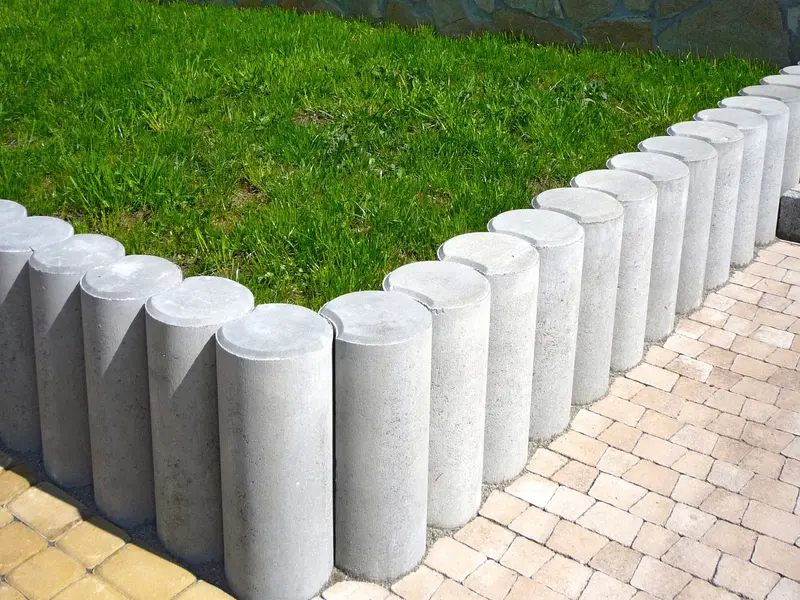
Wall joints and boundary walls
Walls and boundaries in Harat Al Bab Wa Al Shamiyah are new but foundations are old stone from the mosque precincts, and gaps around the base are wide.
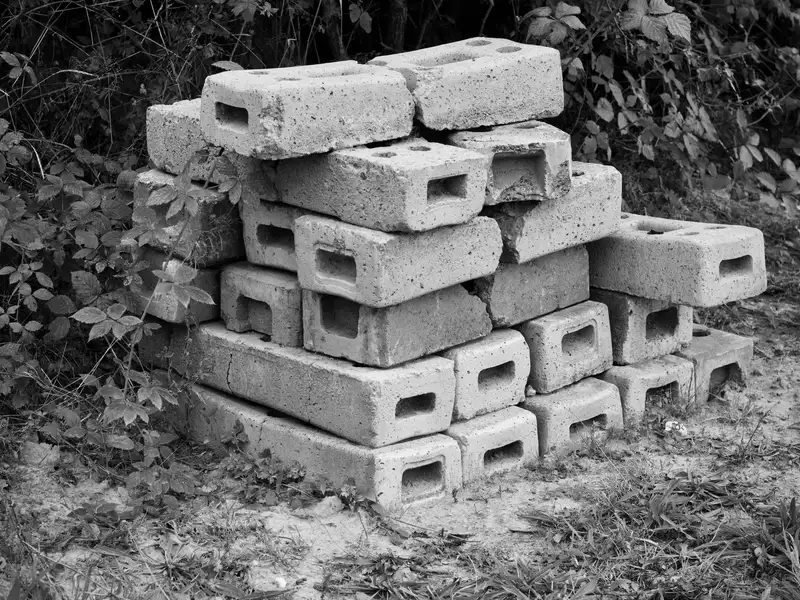
Rubble and stacked block
Ongoing building has created deep excavations and underground voids, and new bases are not yet fully sealed around the main penetration.
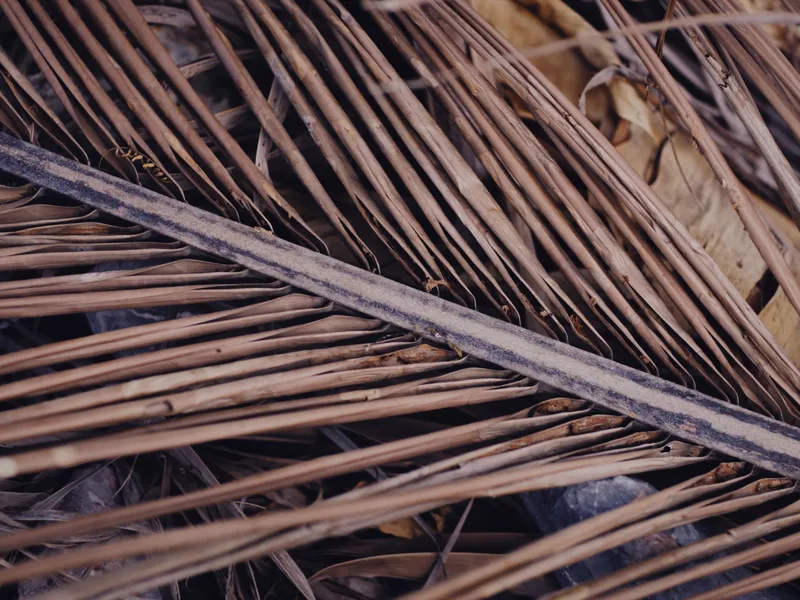
Palm fronds and garden litter
Vacant plots contain building waste and rubble, and insects find food there, so scorpions follow them.
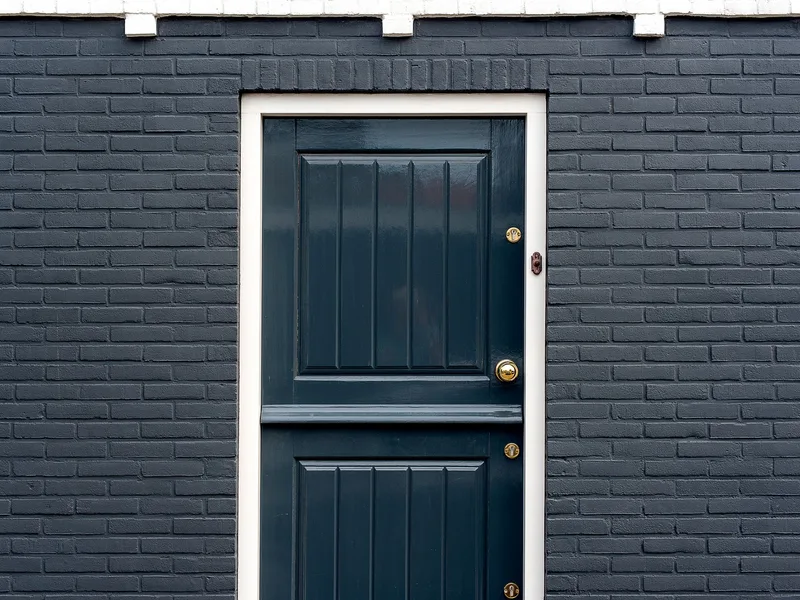
The gap under the door
New building doors are not yet complete and gaps around them are very wide to allow equipment and material entry.
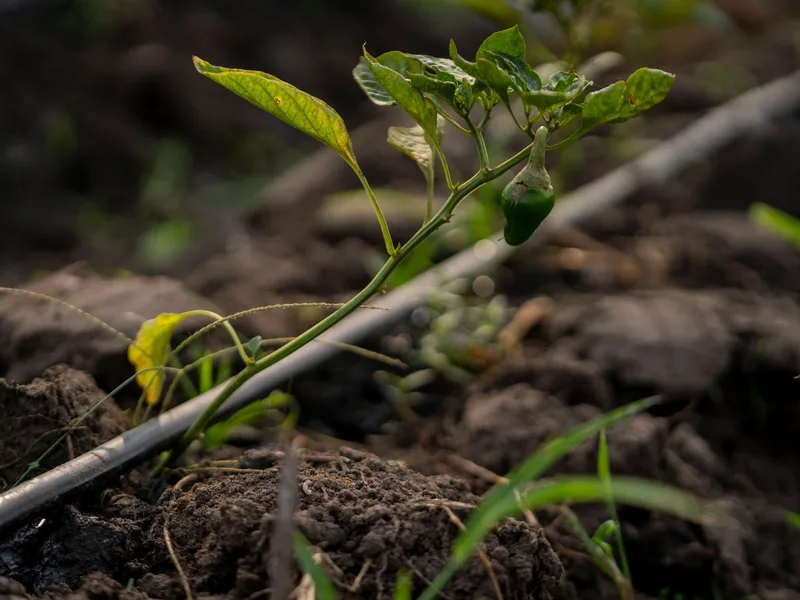
Irrigation and damp soil
Water from excavations pools in pits and does not drain, and moisture under the base is very high from building.
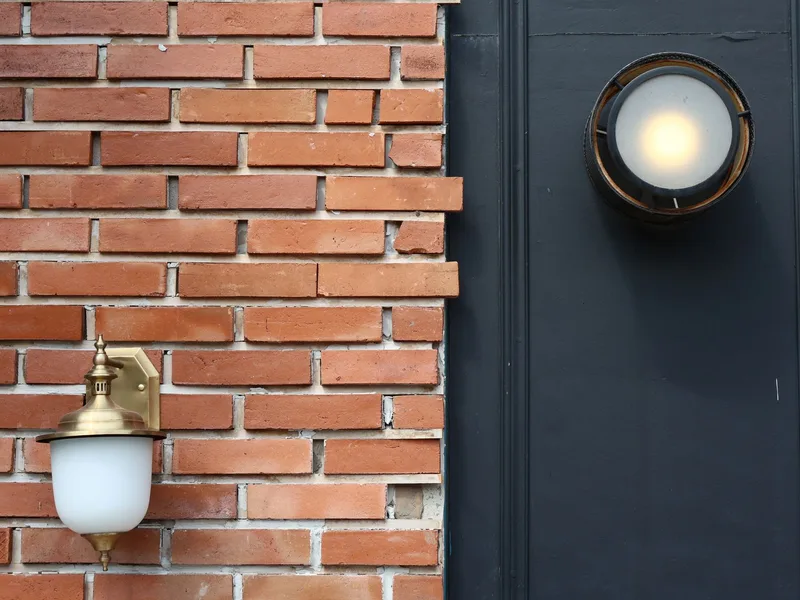
The light by the door
Nighttime lights are sparse in the new area, and the scorpion is active in the pitch darkness between gaps and excavations.
How we work
-
1
Night survey and perimeter inspection
We walk the perimeter after dark with an ultraviolet lamp, which makes a scorpion show up against wall and soil, and we record the harbourage, the ways in and how much prey is present.
-
2
Treat the harbourage and the building edge
Dust into the wall joints and the dry voids, and a targeted band tight against the foundation and around openings, because the material holds longer on a porous surface than on tile.
-
3
Close the ways in and remove the prey
A sweep under the doors, sealing where air-conditioning and drain pipes pass through, mesh over openings, and treatment of the cockroaches and insects it feeds on, so the reason to come in goes with them.
-
4
The follow-up visit
A scorpion can sit in its harbourage for weeks without moving, so the first pass does not always reach it. We come back to refresh the perimeter band and check what has appeared since.
What scorpion control includes
-

A night survey with an ultraviolet lamp
A walk of the perimeter after dark that fixes the harbourage and the entry routes before anything is applied.
-

Targeted perimeter and joint treatment
A band against the foundation, plus wall joints and cracks, never open floors or where children play.
-

Sealing openings and pipe entries
Drain openings, the points where air-conditioning pipes pass through, and mesh on shafts, which are the routes actually used.
-

Treating what it feeds on
Placed bait for cockroaches at entrances and service areas, because cutting the food supply reduces visits more than repeating a spray.
-

Aftercare instructions
What to lift out of the yard, where to move the outside light, and the ventilation time for your situation, which we give you on site.
-

A scheduled follow-up
A set date after the first treatment, a refreshed perimeter band and a check of anything new around it.
Landmarks of Harat Al Bab Wa Al Shamiyah
Harat Al Bab Wa Al Shamiyah is pressed directly against the Grand Mosque from the north, and the northern expansion courtyards extend eastward, with Jabal Hindi to the south. Treatment focuses on openings around the mosque and gaps between new homes and the Rua Al Haram project.
- The Grand Mosque
- Northern expansion courtyards
- Jabal Hindi
- Rua Al Haram project
- Khalid ibn Al Walid Mosque
Questions about this district
Why is a new development so exposed to scorpions?
Ongoing building creates ideal gaps. Exposed bases, deep excavations and stacked materials provide shelter. Scorpions from old precincts and the mosque migrate to new gaps. The problem is temporary but severe right now.
Are new homes safe from scorpions?
Not completely. Gaps around conduits are not yet sealed. The base may be clean but the outside perimeter has gaps. Gaps around the building provide entry. Sealing gaps during building is essential.
What differs from treating an old district?
Ongoing building creates new gaps continuously. Sealing gaps is temporary but construction keeps creating new ones. Treat outside gaps and perimeter first, then inside.
Does internal treatment stop scorpions entering?
No. The source is external (gaps and building). Treating outside and gaps first is necessary. Inside protects existing residents but outside prevents new entry.
Is one treatment enough in a new development?
Rarely. Ongoing building creates new gaps and openings. You may need follow up treatment every two months. The problem is seasonal and the building permit should require gap sealing.
If the owner seals every gap, will the scorpion problem end?
Usually yes. Sealing prevents new entry and treatment kills existing ones. But ongoing building may create new gaps. Coordination with the contractor on gap sealing is essential.
How much does scorpion control in Harat Al Bab Wa Al Shamiyah cost?
It is set after the inspection, because the price follows the type of infestation, the size of the space, how far it has spread and the number of visits it needs. Send a photo and a description on WhatsApp and we will give you an estimate before we reach Harat Al Bab Wa Al Shamiyah.
Nearby districts we cover
Other services in Harat Al Bab Wa Al Shamiyah
Other services we provide to residents of Harat Al Bab Wa Al Shamiyah.
-
 Residential
Cockroach control
Residential
Cockroach control
-
 Residential
Bed bug control
Residential
Bed bug control
-
 Residential
Termite control
Residential
Termite control
-
 Residential
Rodents and mice
Residential
Rodents and mice
-
 Residential
Mosquito control
Residential
Mosquito control
-
 Residential
Fly control
Residential
Fly control
-
 Residential
Ant control
Residential
Ant control
-
 Residential
Gecko control
Residential
Gecko control
-
 Residential
Snake control
Residential
Snake control
-
 Residential
Flea control
Residential
Flea control
-
 Residential
Bird and pigeon control
Residential
Bird and pigeon control
-
 Residential
Preventive treatment
Residential
Preventive treatment
-
 Residential
Disinfection
Residential
Disinfection
-
 Commercial
Annual contracts
Commercial
Annual contracts
-
 Commercial
Restaurants and cafes
Commercial
Restaurants and cafes
-
 Commercial
Hotels and apartments
Commercial
Hotels and apartments
-
 Commercial
Warehouses and factories
Commercial
Warehouses and factories
-
 Commercial
Schools and nurseries
Commercial
Schools and nurseries
-
 Commercial
Retail and malls
Commercial
Retail and malls
-
 Commercial
Rest houses and farms
Commercial
Rest houses and farms
-
 Commercial
Fumigation
Commercial
Fumigation
-
 Water tanks
Water tank cleaning
Water tanks
Water tank cleaning
-
 Water tanks
Water tank sterilization
Water tanks
Water tank sterilization
-
 Water tanks
Water tank sealing
Water tanks
Water tank sealing
-
 Water tanks
Tank leak repair
Water tanks
Tank leak repair
Need scorpion control in Harat Al Bab Wa Al Shamiyah? Tell us what you saw and we will tell you what it needs
We reach Harat Al Bab Wa Al Shamiyah at a time we agree, and you get the full cost before we start.