
Snake control in Al Haram Makkah
Al Haram is the pulse of the Grand Mosque and its surrounding hotel towers, alive year round with pilgrims and Umrah visitors. The hotels and commercial kitchens draw rodents, and snakes follow the food chain upward through the foundation gaps, pipe penetrations and doorway gaps of the restaurants and shops around the mosque complex.
-
Targeted, not broadcast
Product goes into cracks and runways, never sprayed across open surfaces.
-
Told before we start
What we will use, where it goes, and what to cover or move before we arrive.
-
A follow-up visit
We return after the first treatment, because what survives it does not show on the day.
-
Homes and businesses
Apartments and villas, and kitchens and stores that need a record of each visit.
Why they keep coming back in Al Haram
Snakes here enter through hotel and shop doorway gaps while hunting rodents in the commercial kitchens, most commonly in early morning and at dusk when the streets empty. The method is set out in full on what Snake control involves.
Hotel kitchens and continuous food preparation
Every hotel around the mosque operates large kitchens serving meals to Umrah visitors around the clock. Rodents enter the basement stores and food areas, and snakes follow the food source directly into the building. Sealing the entry point alone fails if rodents remain in adjacent basements and shared kitchen spaces.
Doorway gaps in hotels and shop fronts
Heavy hotel and shop doors do not close flush against paved concrete floors. A gap of one to two centimetres is wide enough for a thin snake to slip from the street into the lobby or shop floor. These gaps widen over years of use.
Seasonal movement and refuge on hotel rooftops
Hotel rooftops and spaces behind facade screens provide shelter in extreme heat. During heavy Hajj and Umrah seasons snakes move upward from ground level into the cooler upper areas, climbing pipes, cabling runs and mortar joints between blocks.
The character of Al Haram
Commercial area: offices, showrooms and small stores
In a commercial zone, snakes follow a clear food chain: large kitchens attract rodents, rodents attract snakes. Sealing the entry point alone may fail if food remains available in shared warehouse and kitchen facilities.
What the site tells us before we start
A densely packed area of large commercial kitchens, warehouses and food shops lining Al Masjid Al Haram Road and Umm Al Qura Road, with high hotel rooftops and numerous doorway gaps allowing entry at ground level.
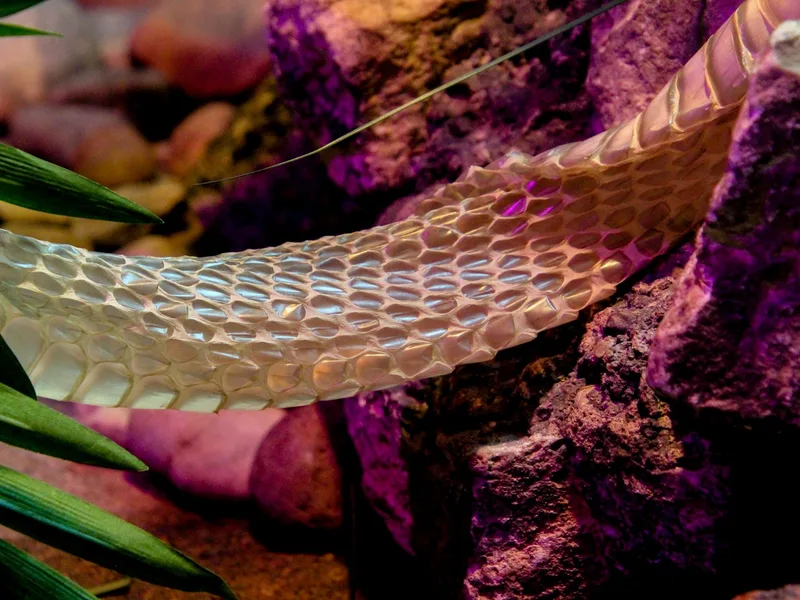
A shed skin
Shed skin appears on hotel rooftops and upper sheltered areas where snakes shelter from the heat, particularly behind air conditioning units and ducting.
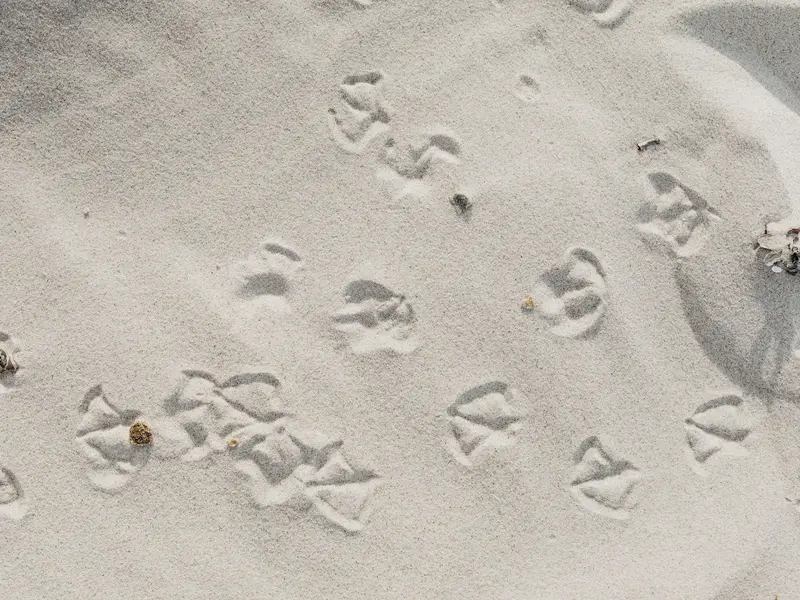
The track in the sand
Crawl marks in sand and dust beside shop and warehouse perimeters show the entry routes snakes take from open ground toward the building foundation.
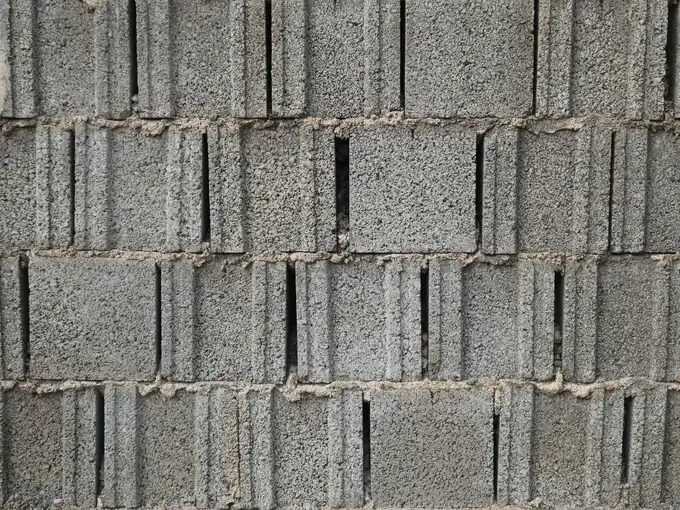
Block and rubble piles
Piles of concrete blocks, steel reinforcement and stacked pipes around warehouses and shops provide shelter and climbing routes to reach the upper walls.
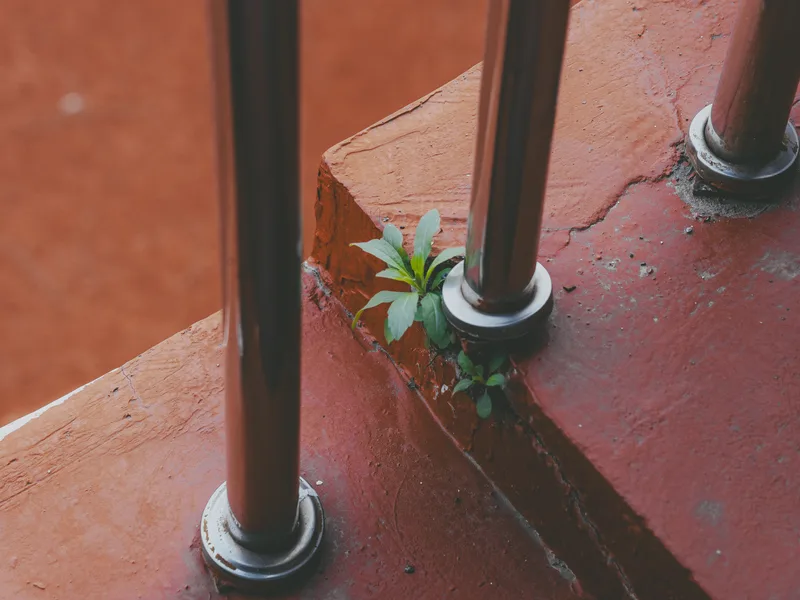
The gap under the gate
The gap beneath hotel and shop doors is wide enough for thin snakes to pass through, especially in older and weathered doors where the seal has worn.
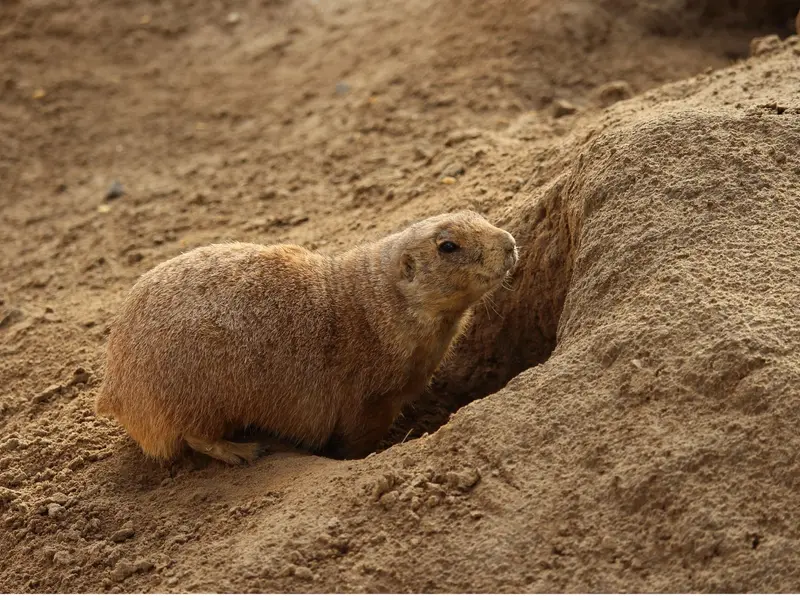
Rodent burrows
Rodent burrows around basement areas and warehouse perimeters offer direct food source to snakes inside the building structure.
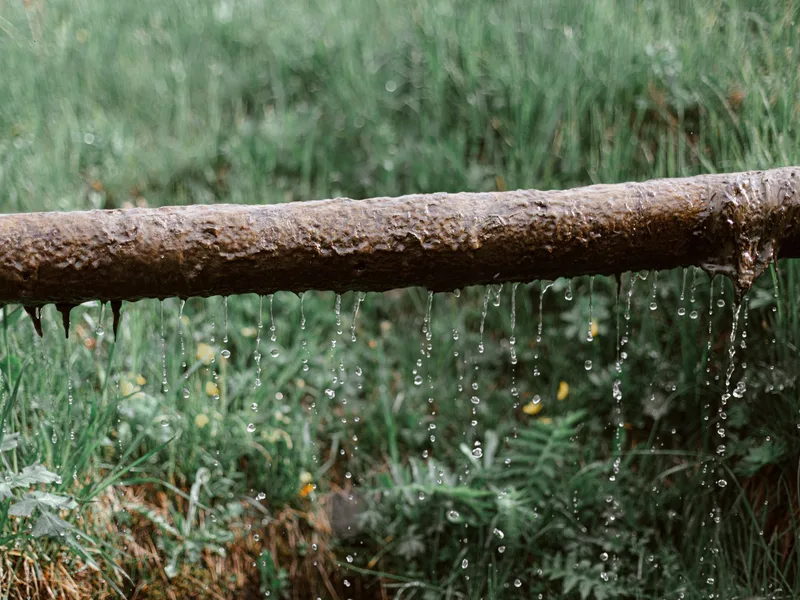
A leaking irrigation line
Broken water and irrigation pipes beneath the foundation create damp soil conditions that attract rodents and draw snakes in pursuit of them.
How we work
-
1
Inspect and locate
We work the perimeter, the garden and the service rooms with a torch and a mirror, reading the tracks, the skins and the burrows to establish whether it is still on site and where it came in.
-
2
Safe removal
It comes out on a hook and tongs into a closed container and is released away from buildings where that is possible, with no chasing it around a room.
-
3
Close the routes, take away the shelter
A strip under the gate, sleeves around pipe entries, tight covers on the floor drains, and the blocks and palm fronds moved off the wall line.
-
4
Cut the food, then come back
We treat the rodents and the geckos on the perimeter, then return once that activity has settled to check the sealed points and look for any fresh track.
What snake control includes
-

A recorded site inspection
Perimeter, garden, service rooms and pipe entries, with tracks and skins recorded before anything is applied.
-

Drains and entries closed
Tight covers on floor drains, sleeves around waste and air conditioning pipe runs, and the weep holes in the boundary wall closed.
-

Rodent work around the building
Closed bait stations on the rodent runs, because cutting the prey is what makes the site stop suiting them.
-

Perimeter treatment down the food chain
Insects on lit walls hold the geckos, and geckos feed some species, so we treat the chain from the bottom up.
-

A perimeter housekeeping list
What to move off the wall line, how low to cut the ground cover, where the lighting sits, and what to do if you see another one.
-

A scheduled follow-up
A set date to check the sealed points, the rodent stations and any new track in the sand.
What is different about Al Ghazza Sub-Municipality
Al Ghazza sub municipality wraps around the north and west of the Grand Mosque, from Al Shamiyah, Al Qararah and Shaib Amir round to Jarwal and Al Taysir. Large tracts were cleared for the northern expansion and the Rua Al Haram scheme, leaving excavated ground and open construction sites beside ageing blocks that now serve as dense seasonal lodgings in Jarwal and Al Taysir. Old flood paths still fall from Jabal Qaiqaan and Jabal Khandamah towards the mosque, and markets and eateries crowd Al Masjid Al Haram Road and Umm Al Qura Road.
Questions about this district
The hotel next to us says they have no snake problem, so where did ours come from?
Rodents may live in the hotel but the snake entered your shop from the shared street or the adjoining restaurant. Large hotels manage their own issues internally but gaps between buildings allow snakes to move between one commercial space and the next along the same block.
After you remove the snake, what do we do if it returns again?
This means rodents are still present or the entry point was not fully sealed. We inspect water and electrical pipes entering from the basement and seal every opening from one centimetre upwards with solid material and mesh.
Does the busy market and restaurants on Umm Al Qura Road attract snakes here?
Yes. The popular market on Umm Al Qura Road harbours many rodents and snakes track them across the street. If your shop sits near a busy market or large restaurant, sealing entry points becomes critical.
Must we replace every pipe and cable entering the shop?
No replacement needed. Seal around them with thick silicone or welded metal mesh. A snake cannot break through solid material but will find any small gap or crack.
Do hotel rooftops and gaps between buildings create a pathway for snakes to reach us?
Yes. Snakes use hotel rooftops and the spaces between side walls to travel. If your shop is next to a hotel, inspect the shared wall and any gaps or cracks in the mortar.
Do snakes enter through high windows or only from below?
Snakes enter from below in roughly 90 per cent of cases. High windows are rare because snakes avoid climbing. However vertical pipes and cracks between blocks can be used to climb upward.
How much does snake control in Al Haram cost?
It is set after the inspection, because the price follows the type of infestation, the size of the space, how far it has spread and the number of visits it needs. Send a photo and a description on WhatsApp and we will give you an estimate before we reach Al Haram.
Nearby districts we cover
Other services in Al Haram
Other services we provide to residents of Al Haram.
-
 Residential
Cockroach control
Residential
Cockroach control
-
 Residential
Bed bug control
Residential
Bed bug control
-
 Residential
Termite control
Residential
Termite control
-
 Residential
Rodents and mice
Residential
Rodents and mice
-
 Residential
Mosquito control
Residential
Mosquito control
-
 Residential
Fly control
Residential
Fly control
-
 Residential
Ant control
Residential
Ant control
-
 Residential
Gecko control
Residential
Gecko control
-
 Residential
Scorpion control
Residential
Scorpion control
-
 Residential
Flea control
Residential
Flea control
-
 Residential
Bird and pigeon control
Residential
Bird and pigeon control
-
 Residential
Preventive treatment
Residential
Preventive treatment
-
 Residential
Disinfection
Residential
Disinfection
-
 Commercial
Annual contracts
Commercial
Annual contracts
-
 Commercial
Restaurants and cafes
Commercial
Restaurants and cafes
-
 Commercial
Hotels and apartments
Commercial
Hotels and apartments
-
 Commercial
Warehouses and factories
Commercial
Warehouses and factories
-
 Commercial
Schools and nurseries
Commercial
Schools and nurseries
-
 Commercial
Retail and malls
Commercial
Retail and malls
-
 Commercial
Rest houses and farms
Commercial
Rest houses and farms
-
 Commercial
Fumigation
Commercial
Fumigation
-
 Water tanks
Water tank cleaning
Water tanks
Water tank cleaning
-
 Water tanks
Water tank sterilization
Water tanks
Water tank sterilization
-
 Water tanks
Water tank sealing
Water tanks
Water tank sealing
-
 Water tanks
Tank leak repair
Water tanks
Tank leak repair
Need snake control in Al Haram? Tell us what you saw and we will tell you what it needs
We reach Al Haram at a time we agree, and you get the full cost before we start.