
Snake control in Al Husayniyah Makkah
Al Husayniyah is a mixed neighbourhood where shops occupy ground floors with homes stacked above and old farm enclosures scattered throughout, creating multiple entry points for snakes at every level. Animals move freely between storage areas, restaurants and gaps under gates because the building connections are complex and the foot traffic constant.
-
Targeted, not broadcast
Product goes into cracks and runways, never sprayed across open surfaces.
-
Told before we start
What we will use, where it goes, and what to cover or move before we arrive.
-
A follow-up visit
We return after the first treatment, because what survives it does not show on the day.
-
Homes and businesses
Apartments and villas, and kitchens and stores that need a record of each visit.
Why they keep coming back in Al Husayniyah
Shops receiving deliveries and stock throughout the day offer repeated opportunities for snakes to slip in through open loading doors and gaps where goods are moved in and out. The method is set out in full on what Snake control involves.
Ground floor shops attract rodent food chains
Restaurants, bakeries and markets leave grease, waste and crumbs that draw rats and mice, and snakes follow this food directly into basement voids and lower floors, climbing to the flats above through shared pipe runs and gaps where utilities pass between levels.
Old enclosures and open plots provide shelter
Remnants of the old orchards and inherited farm plots offer dense cover and safe hiding for snakes and rodents alike, and when Wadi Uranah holds water after rain it maintains damp that draws more reptiles and small animals to settle in these areas permanently.
Shared vertical pipework connects all levels
Drainage pipes and utilities shared between ground shops and flats above create clear routes for snakes to climb from street level upwards, and the worn gaps under gates and broken thresholds let snakes enter from the street directly into shops and flats without any barrier.
The character of Al Husayniyah
Mixed district: shops at street level with homes above them
A mixed building means one shop may hold a snake that entered from the adjacent shop or a flat above, because utilities are shared and the gaps connect. Treating your shop alone is not enough unless you seal the entry points to neighbouring businesses and the floors above.
What the site tells us before we start
Wadi Uranah crosses the district and holds water after heavy rain, while the old farm plots and open ground provide shelter and rodent populations that sustain snake activity year-round.
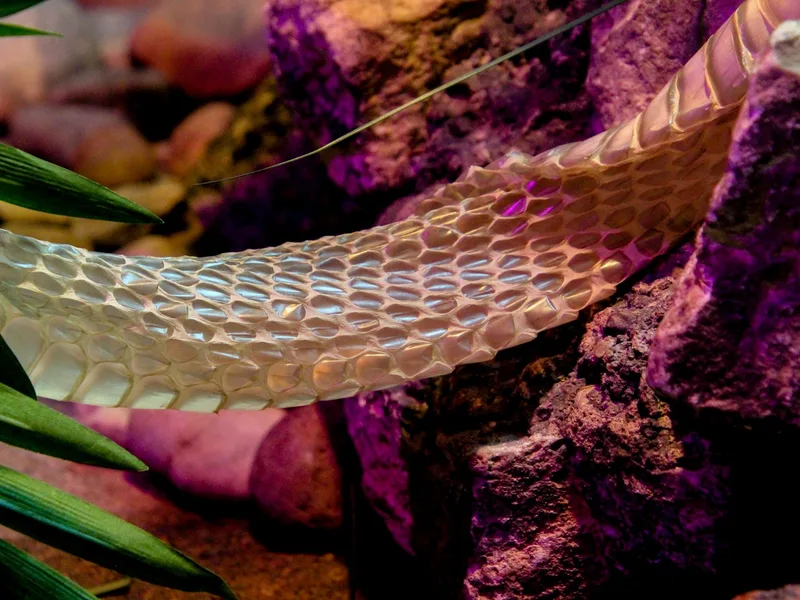
A shed skin
Shed skin appears in dark corners of shops and lower floors, especially stacked against piles of boxes and stored goods where light does not reach.
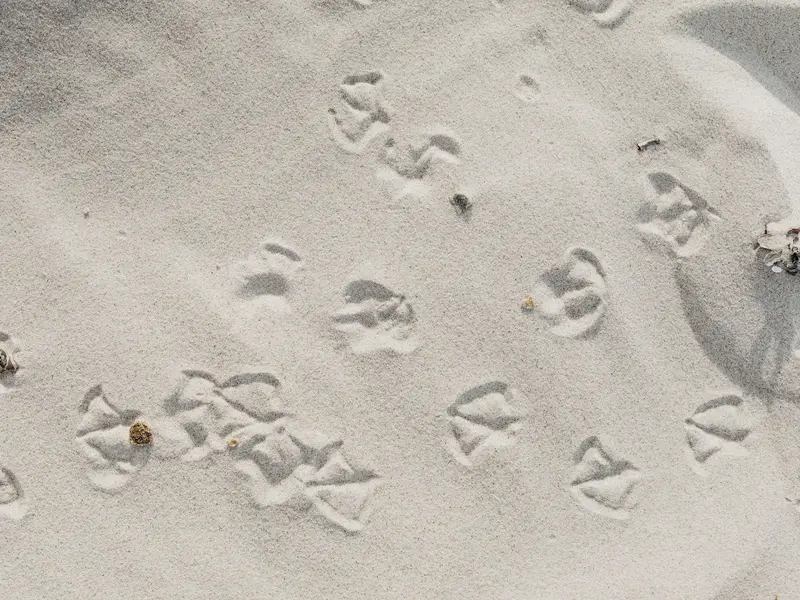
The track in the sand
Track marks in soft earth and sand remain visible in old enclosures and basement voids where soil stays damp and the substrate is fine enough to hold prints.
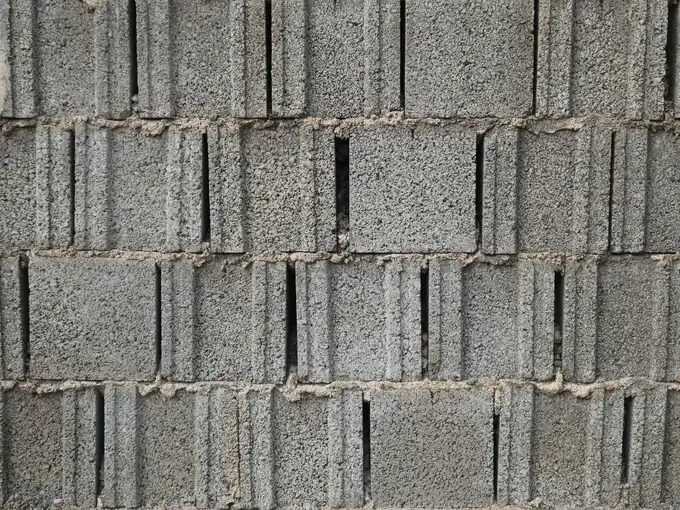
Block and rubble piles
Block and rubble piles from repairs and upgrades to shops and flats offer ideal hiding for snakes and rodents side by side in the same shelter.
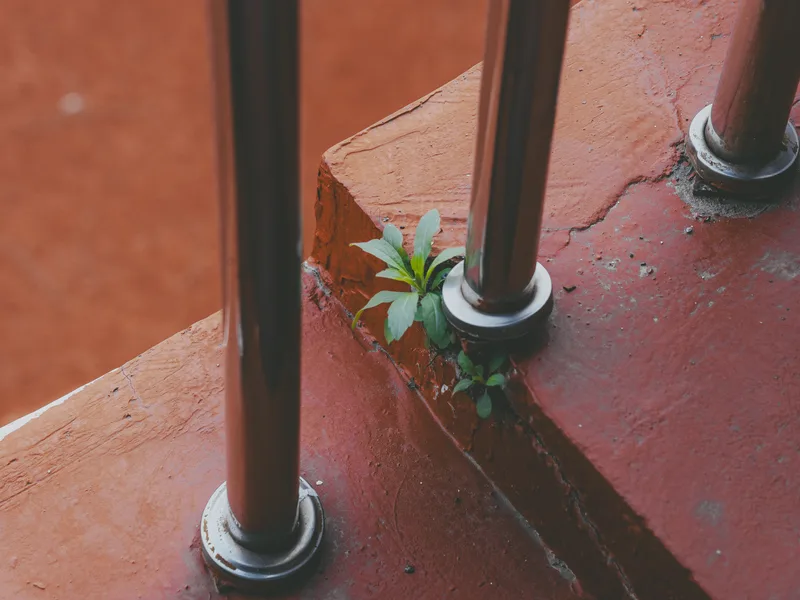
The gap under the gate
The gap under the gate is the primary entry route, and worn gates and eroded thresholds cannot stop snakes at all.
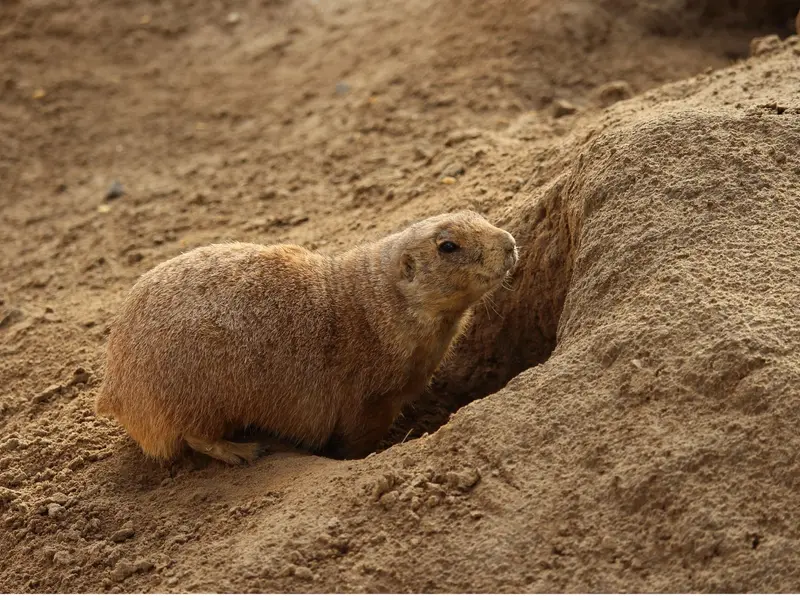
Rodent burrows
Rodent burrows in the enclosures and open ground are highly attractive to snakes because high rodent density means reliable food nearby.
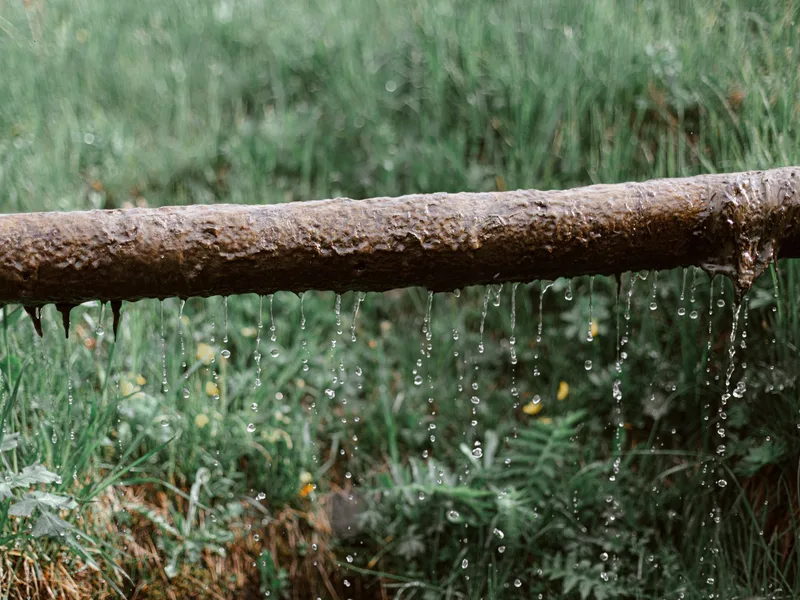
A leaking irrigation line
Leaking irrigation and dripping shop taps create small puddles and permanent damp that draw snakes and rodents to stay close to the water source.
How we work
-
1
Inspect and locate
We work the perimeter, the garden and the service rooms with a torch and a mirror, reading the tracks, the skins and the burrows to establish whether it is still on site and where it came in.
-
2
Safe removal
It comes out on a hook and tongs into a closed container and is released away from buildings where that is possible, with no chasing it around a room.
-
3
Close the routes, take away the shelter
A strip under the gate, sleeves around pipe entries, tight covers on the floor drains, and the blocks and palm fronds moved off the wall line.
-
4
Cut the food, then come back
We treat the rodents and the geckos on the perimeter, then return once that activity has settled to check the sealed points and look for any fresh track.
What snake control includes
-

A recorded site inspection
Perimeter, garden, service rooms and pipe entries, with tracks and skins recorded before anything is applied.
-

Drains and entries closed
Tight covers on floor drains, sleeves around waste and air conditioning pipe runs, and the weep holes in the boundary wall closed.
-

Rodent work around the building
Closed bait stations on the rodent runs, because cutting the prey is what makes the site stop suiting them.
-

Perimeter treatment down the food chain
Insects on lit walls hold the geckos, and geckos feed some species, so we treat the chain from the bottom up.
-

A perimeter housekeeping list
What to move off the wall line, how low to cut the ground cover, where the lighting sits, and what to do if you see another one.
-

A scheduled follow-up
A set date to check the sealed points, the rodent stations and any new track in the sand.
What is different about Al Aziziyah (Makkah) Sub-Municipality
Al Aziziyah sub municipality runs from the Bin Dawood markets to the Al Hada road and carries pilgrim traffic to Mina. Hotel towers and furnished apartment blocks fill and empty with the Hajj and Ramadan seasons, and the kitchens, restaurants and markets along Al Masjid Al Haram Road and King Abdulaziz Road leave food waste at every peak. Southwards the fabric loosens into villas and planned streets in An Naseem and Al Awali, then Al Abidiyah's campus and the old farms of Al Husayniyah, where Wadi Uranah holds water after rain and farm enclosures shelter rodents and reptiles.
Questions about this district
Our shop is full of exposed food and stock. Is this why a snake appeared?
Yes, absolutely. The snake came in following rats and mice drawn to exposed food, grease and crumbs. If your shop sits below a flat or next to other shops, the snake may have climbed through shared pipe gaps. Regular cleaning and tight storage reduce the attraction significantly.
The gap under our shop gate is large. Can a snake get in even when the gate is shut?
Yes, worn gaps under gates are direct entry routes. Snakes pull their bodies through narrow gaps easily. You need to reduce the gap with rubber strips or low metal barriers, and a deteriorating threshold may need replacing to close the seal.
Our flat sits above a shop and other shops are attached to ours. Is sealing just our flat enough?
Sealing your flat alone is not sufficient. Snakes move between shops through shared pipes and gaps. You need to coordinate with neighbouring shops at minimum and clean out the shared voids together.
Very old farm enclosures sit beside our home. Do they still shelter snakes now?
Very much so. Old enclosures and open plots provide permanent shelter and constant food from rodent populations and insects. Snakes settle in them and move to neighbouring homes when hunting or looking for moisture or better food sources.
After heavy rain a snake appeared. Does Wadi Uranah bring them?
Wadi Uranah holds water and moisture, drawing insects, frogs and rodents. Snakes come from everywhere to feed on this gathering. Risk is highest immediately after heavy rain when water pushes them toward the nearest buildings.
Our second-floor flat sits above a ground shop. Can a snake reach us from below?
Yes, it can reach you through shared pipes and gaps between the shop floor and your flat. Shared drainage and old electrical runs provide clear routes. Every gap around pipes and wiring from below your floor needs checking and sealing.
How much does snake control in Al Husayniyah cost?
It is set after the inspection, because the price follows the type of infestation, the size of the space, how far it has spread and the number of visits it needs. Send a photo and a description on WhatsApp and we will give you an estimate before we reach Al Husayniyah.
Nearby districts we cover
Other services in Al Husayniyah
Other services we provide to residents of Al Husayniyah.
-
 Residential
Cockroach control
Residential
Cockroach control
-
 Residential
Bed bug control
Residential
Bed bug control
-
 Residential
Termite control
Residential
Termite control
-
 Residential
Rodents and mice
Residential
Rodents and mice
-
 Residential
Mosquito control
Residential
Mosquito control
-
 Residential
Fly control
Residential
Fly control
-
 Residential
Ant control
Residential
Ant control
-
 Residential
Gecko control
Residential
Gecko control
-
 Residential
Scorpion control
Residential
Scorpion control
-
 Residential
Flea control
Residential
Flea control
-
 Residential
Bird and pigeon control
Residential
Bird and pigeon control
-
 Residential
Preventive treatment
Residential
Preventive treatment
-
 Residential
Disinfection
Residential
Disinfection
-
 Commercial
Annual contracts
Commercial
Annual contracts
-
 Commercial
Restaurants and cafes
Commercial
Restaurants and cafes
-
 Commercial
Hotels and apartments
Commercial
Hotels and apartments
-
 Commercial
Warehouses and factories
Commercial
Warehouses and factories
-
 Commercial
Schools and nurseries
Commercial
Schools and nurseries
-
 Commercial
Retail and malls
Commercial
Retail and malls
-
 Commercial
Rest houses and farms
Commercial
Rest houses and farms
-
 Commercial
Fumigation
Commercial
Fumigation
-
 Water tanks
Water tank cleaning
Water tanks
Water tank cleaning
-
 Water tanks
Water tank sterilization
Water tanks
Water tank sterilization
-
 Water tanks
Water tank sealing
Water tanks
Water tank sealing
-
 Water tanks
Tank leak repair
Water tanks
Tank leak repair
Need snake control in Al Husayniyah? Tell us what you saw and we will tell you what it needs
We reach Al Husayniyah at a time we agree, and you get the full cost before we start.