
Snake control in Al Mudaa Al Jadid Makkah
Al Mudaa Al Jadid is a new development within the Crown Prince schemes south of Makkah along Ibrahim Al Khalil Road, mostly vacant empty plots with scattered new villas. Wadi Uranah crosses it and Jabal Labanah rises above it. The location is remote from completed districts, meaning snakes and rodents have not left this ground but remain watching from the wadi and hills, entering new villas searching for water.
-
Targeted, not broadcast
Product goes into cracks and runways, never sprayed across open surfaces.
-
Told before we start
What we will use, where it goes, and what to cover or move before we arrive.
-
A follow-up visit
We return after the first treatment, because what survives it does not show on the day.
-
Homes and businesses
Apartments and villas, and kitchens and stores that need a record of each visit.
Why they keep coming back in Al Mudaa Al Jadid
The first new occupied villas are beginning to provide water from gardens and irrigation systems, and snakes in Wadi Uranah and the hills monitor this water source and arrive at the villas seeking it. The method is set out in full on our Snake control service.
Wadi Uranah and hills are the direct snake source
Wadi Uranah flows after heavy rain carrying snakes and rodents from high mountain areas. Jabal Labanah encloses the scheme from above and provides shelter for wild snakes. New villas on elevated ground sit very close to these natural sources.
Wide vacant land between new villas provides passages
Most land in the scheme remains vacant with empty plots, creating open passages for snakes and rodents moving between the wadi, hills and occupied villas. Snakes move freely from Wadi Uranah to occupied homes seeking water.
Early occupied villas provide water and warm shelter
Modern villas offer irrigated gardens and new water systems, and water leaking from these systems provides drinking water for snakes. Warm villas provide shelter after hunting in the wadi and hills, so each villa becomes a rest station for snakes.
The character of Al Mudaa Al Jadid
New development: ongoing construction and vacant plots between the homes
A new development on hilly ground means snakes have not left but remain in the wadi and hills watching new villas. Wild snakes from nature come seeking water more than food, and irrigated villa gardens provide that precious water.
What the site tells us before we start
Al Mudaa Al Jadid sits elevated above Wadi Uranah on rocky hilly ground in one direction and completely open barren ground in another. Development is very recent, so occupied villas are few and vacant plots very numerous.
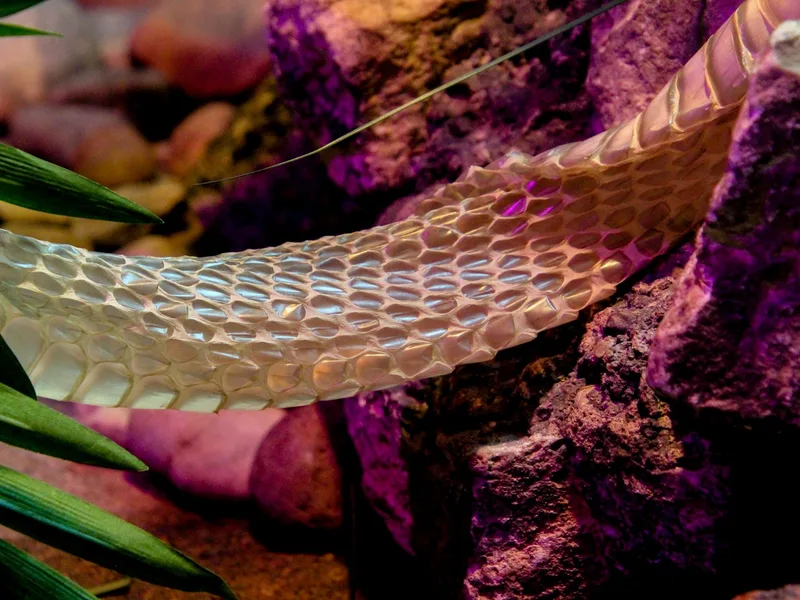
A shed skin
Shed skins are found in vacant plots and gaps around the first occupied villas, where snakes move from Wadi Uranah and the hills.
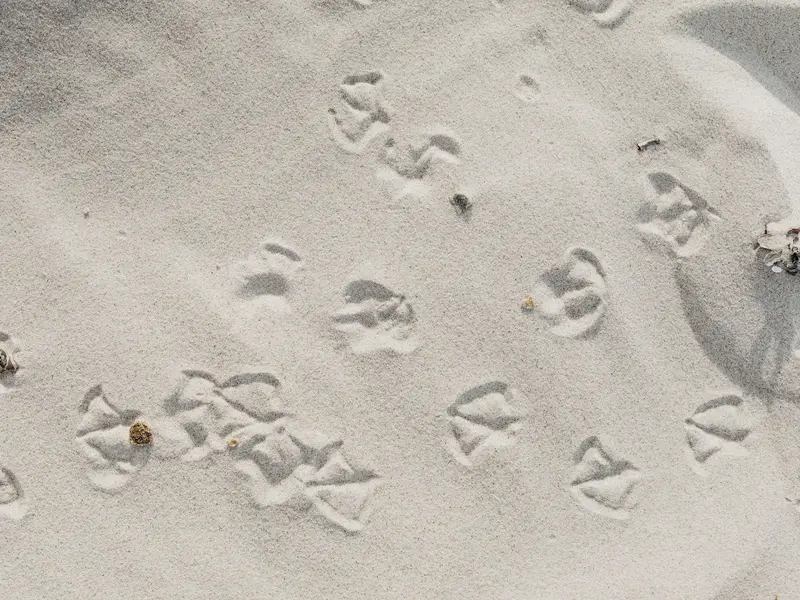
The track in the sand
Tracks in sand appear in vacant ground and on damp rocks after rain, especially beside Wadi Uranah.
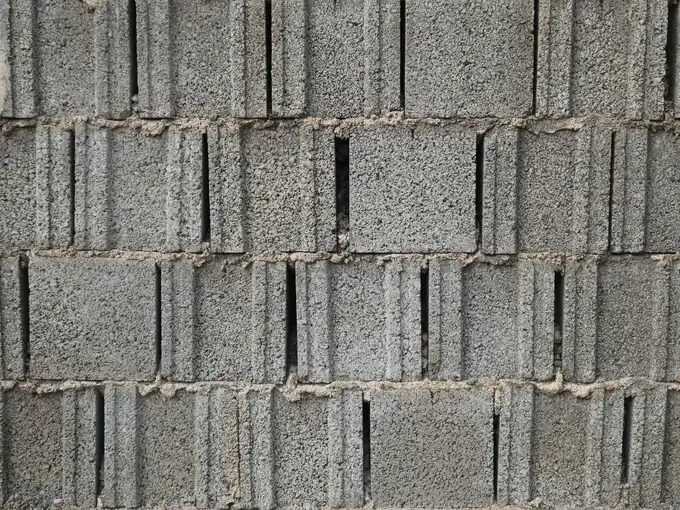
Block and rubble piles
Block and rubble piles provide temporary shelter for rodents at new building sites, and snakes hide beneath them.
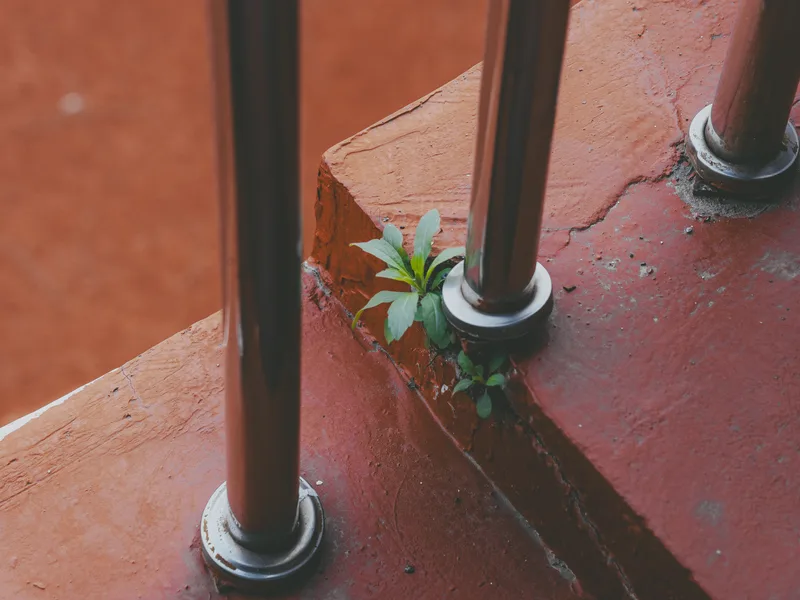
The gap under the gate
The gap under a villa gate may be tight in new construction, but rocky hillside ground around the villa may contain natural cracks easy for snakes.
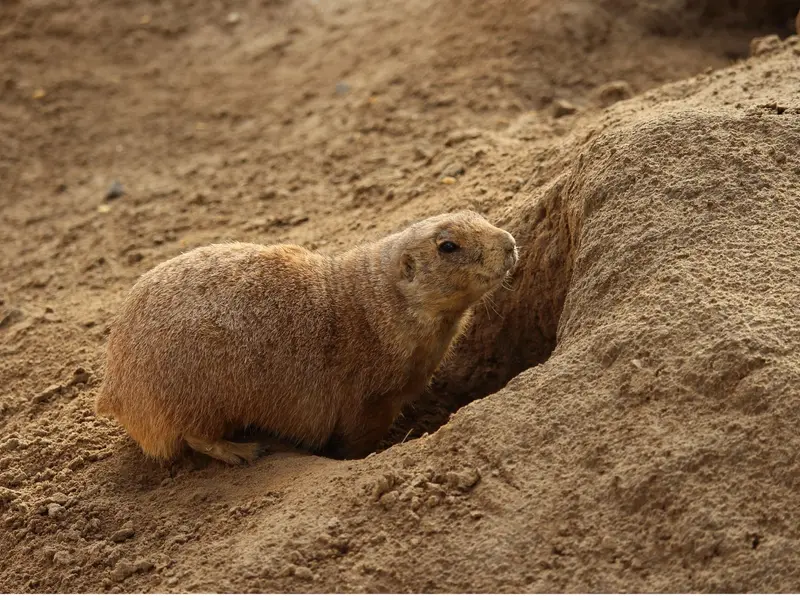
Rodent burrows
Rodent burrows are rare in rocky ground but occur in soft soil around gardens and irrigation, and snakes follow them into the villa.
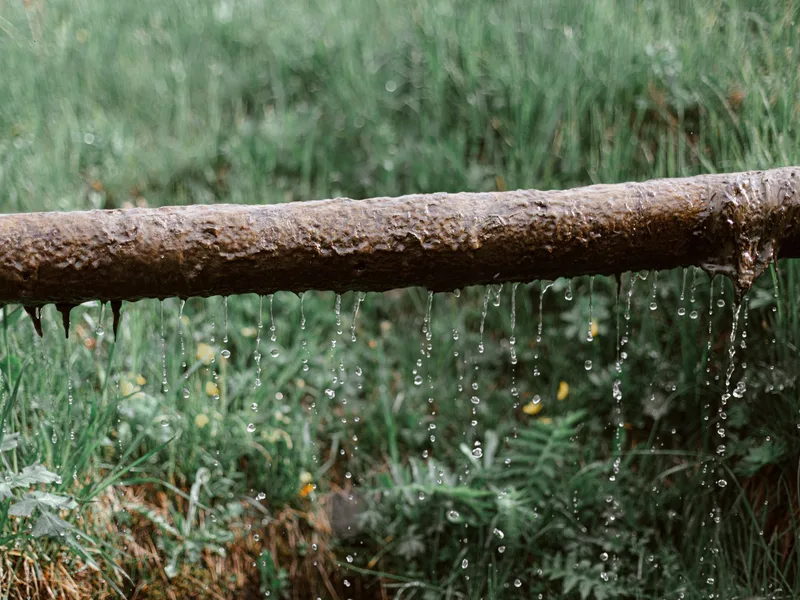
A leaking irrigation line
Leaking irrigation from the garden leaves permanent moisture in rocky soil and gaps around the villa, and this water is the magnet drawing snakes from the wadi and hills.
How we work
-
1
Inspect and locate
We work the perimeter, the garden and the service rooms with a torch and a mirror, reading the tracks, the skins and the burrows to establish whether it is still on site and where it came in.
-
2
Safe removal
It comes out on a hook and tongs into a closed container and is released away from buildings where that is possible, with no chasing it around a room.
-
3
Close the routes, take away the shelter
A strip under the gate, sleeves around pipe entries, tight covers on the floor drains, and the blocks and palm fronds moved off the wall line.
-
4
Cut the food, then come back
We treat the rodents and the geckos on the perimeter, then return once that activity has settled to check the sealed points and look for any fresh track.
What snake control includes
-

A recorded site inspection
Perimeter, garden, service rooms and pipe entries, with tracks and skins recorded before anything is applied.
-

Drains and entries closed
Tight covers on floor drains, sleeves around waste and air conditioning pipe runs, and the weep holes in the boundary wall closed.
-

Rodent work around the building
Closed bait stations on the rodent runs, because cutting the prey is what makes the site stop suiting them.
-

Perimeter treatment down the food chain
Insects on lit walls hold the geckos, and geckos feed some species, so we treat the chain from the bottom up.
-

A perimeter housekeeping list
What to move off the wall line, how low to cut the ground cover, where the lighting sits, and what to do if you see another one.
-

A scheduled follow-up
A set date to check the sealed points, the rodent stations and any new track in the sand.
What is different about South Makkah Sub-Municipality
South Makkah sub municipality is the belt of Crown Prince schemes south of Al Ukayshiyah, along the Al Laith road and the extension of Ibrahim Al Khalil Road to the Fifth Ring Road and the Non Muslims bypass. Most of it is still bare: granted plots awaiting houses, new villas standing alone, open building sites and unfinished paving and drainage. Wadi Uranah and its tributaries cross the low ground and hold water after rain, hills close it in, and rodents, reptiles and scorpions shelter in stacked materials and foundation pits before the neighbourhoods fill up.
Questions about this district
Is Wadi Uranah that crosses the scheme a direct snake source?
Partly. The wadi carries snakes after heavy rain, but wild snakes that lived here before construction remain in the hills and wadi. New building has not driven them away but given them a new water source, so they stay close.
Are the first occupied villas more exposed than later finished villas?
Yes, early occupied villas in a new scheme face higher risk. Land around them remains vacant and snakes from the wadi and hills come directly to these first homes. Later villas may be less exposed if intermediate land fills with residents.
Will filling excavations and completing construction reduce snake numbers?
Yes, filling trenches will reduce available shelters and open passages, but this does not solve the current problem. Existing snakes will remain and current villas need direct treatment.
Is perfect sealing of one villa sufficient if vacant land surrounds it?
Good sealing of the villa provides strong protection, but vacant land around it remains a passage for snakes from the wadi. Complete protection requires sealing the villa and reducing passages through the vacant land.
Are new villas in Al Mudaa more exposed than villas in older districts?
New villas sit in a natural snake location: close to a wadi and hills. A modern villa in Al Mudaa may be higher risk than a villa in an old district surrounded by treated homes.
Does the southern Haram boundary marker affect snake movement?
The marker does not stop snakes. Snakes cross it seeking water and warmth in the villas, especially when Wadi Uranah is dry and the only water is in villa gardens.
How much does snake control in Al Mudaa Al Jadid cost?
It is set after the inspection, because the price follows the type of infestation, the size of the space, how far it has spread and the number of visits it needs. Send a photo and a description on WhatsApp and we will give you an estimate before we reach Al Mudaa Al Jadid.
Nearby districts we cover
Other services in Al Mudaa Al Jadid
Other services we provide to residents of Al Mudaa Al Jadid.
-
 Residential
Cockroach control
Residential
Cockroach control
-
 Residential
Bed bug control
Residential
Bed bug control
-
 Residential
Termite control
Residential
Termite control
-
 Residential
Rodents and mice
Residential
Rodents and mice
-
 Residential
Mosquito control
Residential
Mosquito control
-
 Residential
Fly control
Residential
Fly control
-
 Residential
Ant control
Residential
Ant control
-
 Residential
Gecko control
Residential
Gecko control
-
 Residential
Scorpion control
Residential
Scorpion control
-
 Residential
Flea control
Residential
Flea control
-
 Residential
Bird and pigeon control
Residential
Bird and pigeon control
-
 Residential
Preventive treatment
Residential
Preventive treatment
-
 Residential
Disinfection
Residential
Disinfection
-
 Commercial
Annual contracts
Commercial
Annual contracts
-
 Commercial
Restaurants and cafes
Commercial
Restaurants and cafes
-
 Commercial
Hotels and apartments
Commercial
Hotels and apartments
-
 Commercial
Warehouses and factories
Commercial
Warehouses and factories
-
 Commercial
Schools and nurseries
Commercial
Schools and nurseries
-
 Commercial
Retail and malls
Commercial
Retail and malls
-
 Commercial
Rest houses and farms
Commercial
Rest houses and farms
-
 Commercial
Fumigation
Commercial
Fumigation
-
 Water tanks
Water tank cleaning
Water tanks
Water tank cleaning
-
 Water tanks
Water tank sterilization
Water tanks
Water tank sterilization
-
 Water tanks
Water tank sealing
Water tanks
Water tank sealing
-
 Water tanks
Tank leak repair
Water tanks
Tank leak repair
Need snake control in Al Mudaa Al Jadid? Tell us what you saw and we will tell you what it needs
We reach Al Mudaa Al Jadid at a time we agree, and you get the full cost before we start.