
Snake control in Al Nuzhah Makkah
Al Nuzhah is a mixed neighbourhood with apartment blocks, villas and commercial properties alongside each other, creating varied environments that support snake prey. Snakes here follow rodents, geckos and frogs living in foundation voids and neighbouring gardens. If these food sources remain, snakes return seasonally.
-
Targeted, not broadcast
Product goes into cracks and runways, never sprayed across open surfaces.
-
Told before we start
What we will use, where it goes, and what to cover or move before we arrive.
-
A follow-up visit
We return after the first treatment, because what survives it does not show on the day.
-
Homes and businesses
Apartments and villas, and kitchens and stores that need a record of each visit.
Why they keep coming back in Al Nuzhah
The mixed buildings, shared gardens and green spaces between villas and apartment blocks create ideal conditions for rodent and gecko colonies and prolonged ground moisture. The method is set out in full on the full Snake control page.
Voids beneath villas and apartment buildings
Villas and residential blocks have large foundation voids and ventilation gaps. Rodents nest in these spaces and snakes follow them, particularly in older villas.
Community gardens and green spaces
The quarter has local parks and green strips between villas and apartments. Moisture from irrigation and water leaks attracts rodents and frogs, which in turn draw snakes.
Proximity to old Makkah road and retail shops
The old Makkah road running past the quarter ensures steady animal movement and exploration. Retail outlets and food storage in residential zones attract rodents.
The character of Al Nuzhah
Mixed district: shops at street level with homes above them
A mixed-use quarter means villas, apartments and retail are closely spaced, each type offering different snake entry points. Villas require inspection of foundation voids, while apartments need treatment of inter-building gaps and roof routes.
What the site tells us before we start
A mixed residential and commercial quarter at the western edge of the Al Utaybiyah sub-municipality, bordered by Al Zahra on the east and Ar Rusayfah to the south, with the old Makkah road and As Salamah running along its northern boundary.
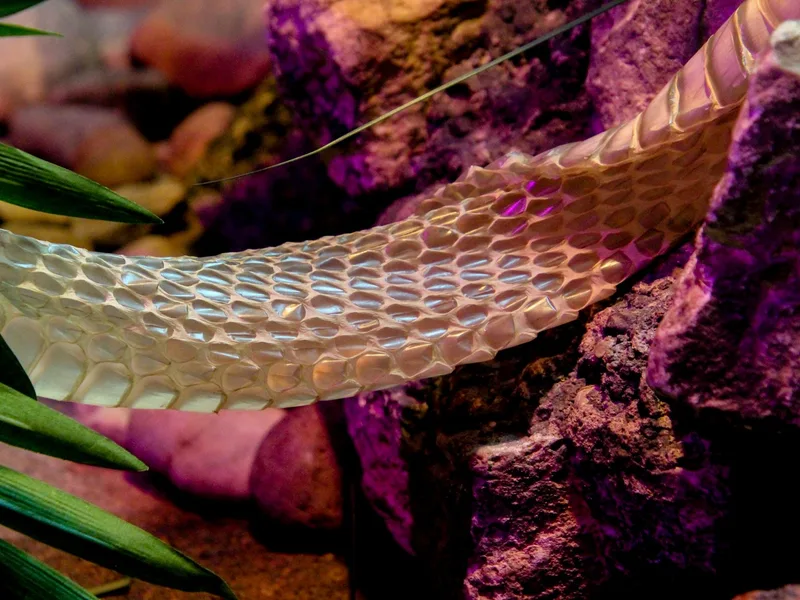
A shed skin
Snakes hunt rodents sheltering in foundation voids, building undersides and gaps in the community gardens.
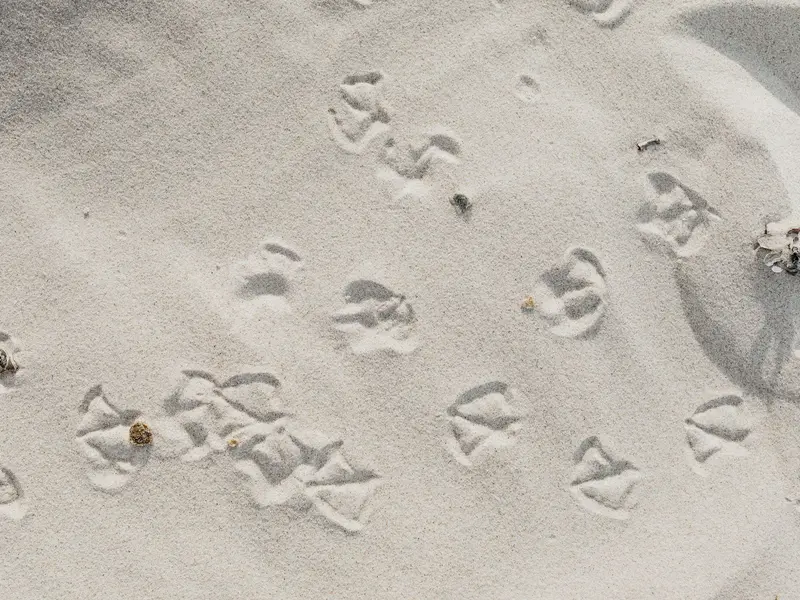
The track in the sand
Geckos and frogs thrive in green spaces and damp areas fed by daily irrigation systems.
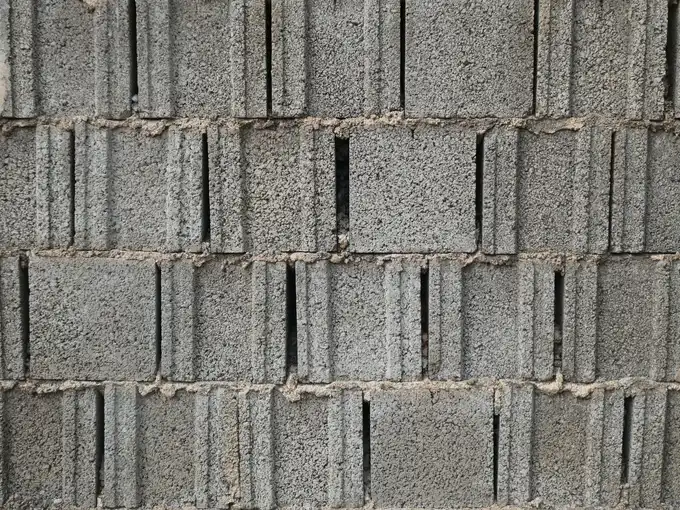
Block and rubble piles
Snake trails begin in gardens and open spaces and enter foundation voids and villa undersides.
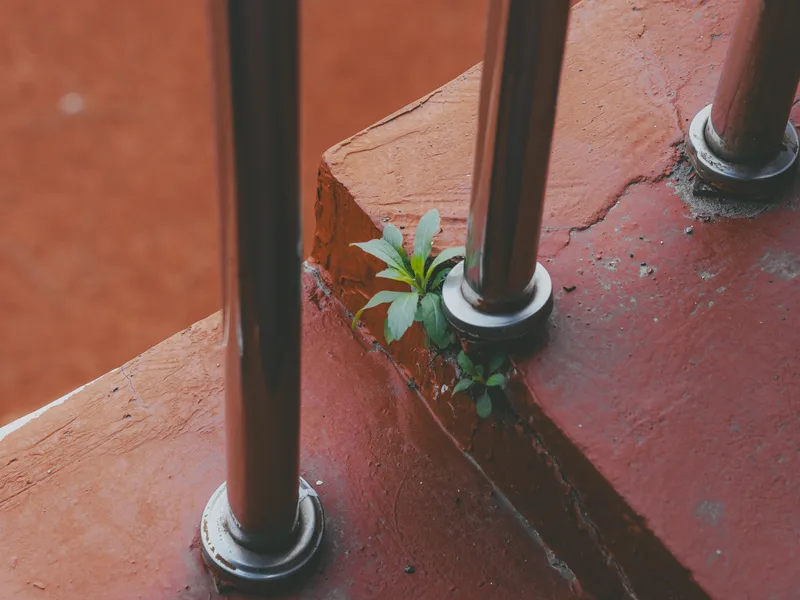
The gap under the gate
High moisture from irrigation and water leaks sustains insect and rodent populations year-round.
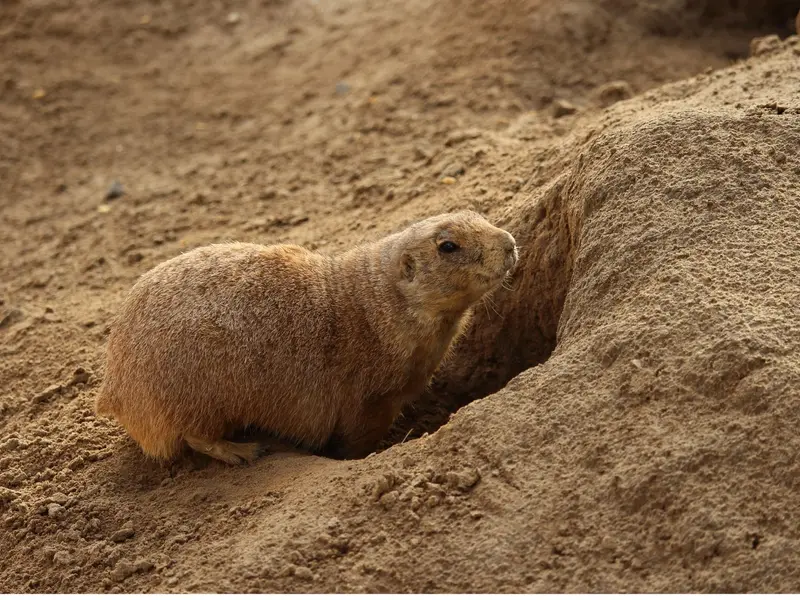
Rodent burrows
Nesting sites lie in foundation voids beneath villas and apartments and in wall cracks and external gaps.
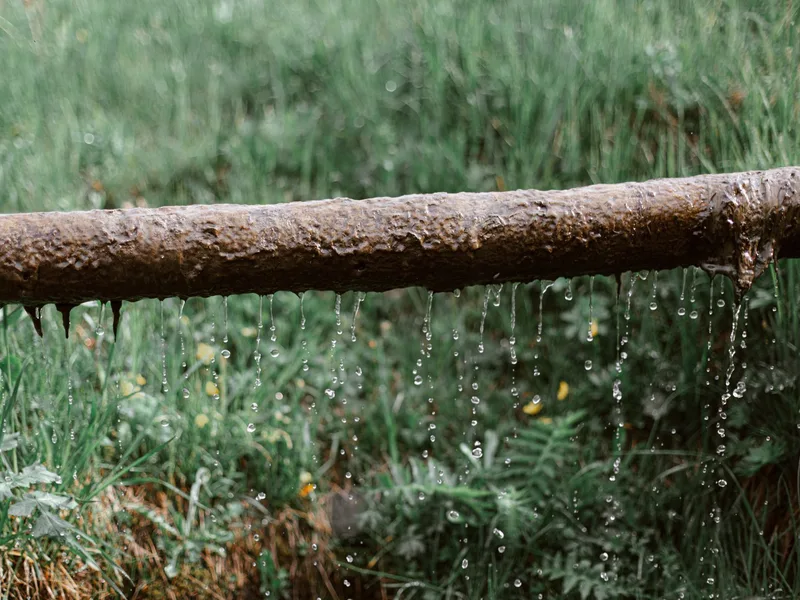
A leaking irrigation line
Snake activity peaks seasonally after high-moisture periods and heavy watering cycles.
How we work
-
1
Inspect and locate
We work the perimeter, the garden and the service rooms with a torch and a mirror, reading the tracks, the skins and the burrows to establish whether it is still on site and where it came in.
-
2
Safe removal
It comes out on a hook and tongs into a closed container and is released away from buildings where that is possible, with no chasing it around a room.
-
3
Close the routes, take away the shelter
A strip under the gate, sleeves around pipe entries, tight covers on the floor drains, and the blocks and palm fronds moved off the wall line.
-
4
Cut the food, then come back
We treat the rodents and the geckos on the perimeter, then return once that activity has settled to check the sealed points and look for any fresh track.
What snake control includes
-

A recorded site inspection
Perimeter, garden, service rooms and pipe entries, with tracks and skins recorded before anything is applied.
-

Drains and entries closed
Tight covers on floor drains, sleeves around waste and air conditioning pipe runs, and the weep holes in the boundary wall closed.
-

Rodent work around the building
Closed bait stations on the rodent runs, because cutting the prey is what makes the site stop suiting them.
-

Perimeter treatment down the food chain
Insects on lit walls hold the geckos, and geckos feed some species, so we treat the chain from the bottom up.
-

A perimeter housekeeping list
What to move off the wall line, how low to cut the ground cover, where the lighting sits, and what to do if you see another one.
-

A scheduled follow-up
A set date to check the sealed points, the rodent stations and any new track in the sand.
What is different about Al Utaybiyah Sub-Municipality
Al Utaybiyah sub municipality covers the old districts north of the Grand Mosque: the hillside quarters of Al Hajun, Al Utaybiyah and Al Bayban, Al Zahir and Al Shuhada at the northern entrance, and the newer Al Zahra, Al Diyafah and An Nuzhah westward. Its building stock is among the oldest in Makkah, stone houses on the hills, packed apartment blocks and sewers decades old, threaded with crowded markets like the Utaybiyah souq and furnished flats that fill in the pilgrim seasons. Wadi Al Zahir and Wadi Al Tanim carry storm water through it, and industrial workshops line Hajj Street.
Questions about this district
Why do snakes appear specifically in Al Nuzhah?
The quarter is mixed-use with gardens and green spaces supporting abundant rodents and geckos. Voids beneath villas and apartments offer safe shelter.
Are rodents the only reason snakes come here?
No. Geckos and frogs are also snake food sources. Moisture from gardens and irrigation creates ideal conditions for these prey animals.
How does treatment differ between villas and apartment blocks?
Villas have wide foundation voids requiring careful sealing. Apartments may need surface treatment and closure of gaps between adjacent buildings.
Do snakes return after the first removal?
Yes, if rodents, geckos and moisture sources remain, new snakes follow the food supply.
Is the garden irrigation system part of the snake problem?
Yes. Continuous irrigation provides moisture that attracts insects, frogs and rodents, which draw snakes.
How do we stop snakes entering villas through small foundation gaps?
We seal gaps with rigid barriers and secure foundation edges. We also remove rodents so they do not attract new snakes.
How much does snake control in Al Nuzhah cost?
It is set after the inspection, because the price follows the type of infestation, the size of the space, how far it has spread and the number of visits it needs. Send a photo and a description on WhatsApp and we will give you an estimate before we reach Al Nuzhah.
Nearby districts we cover
Other services in Al Nuzhah
Other services we provide to residents of Al Nuzhah.
-
 Residential
Cockroach control
-
 Residential
Bed bug control
-
 Residential
Termite control
-
 Residential
Rodents and mice
Need snake control in Al Nuzhah? Tell us what you saw and we will tell you what it needs
We reach Al Nuzhah at a time we agree, and you get the full cost before we start.