
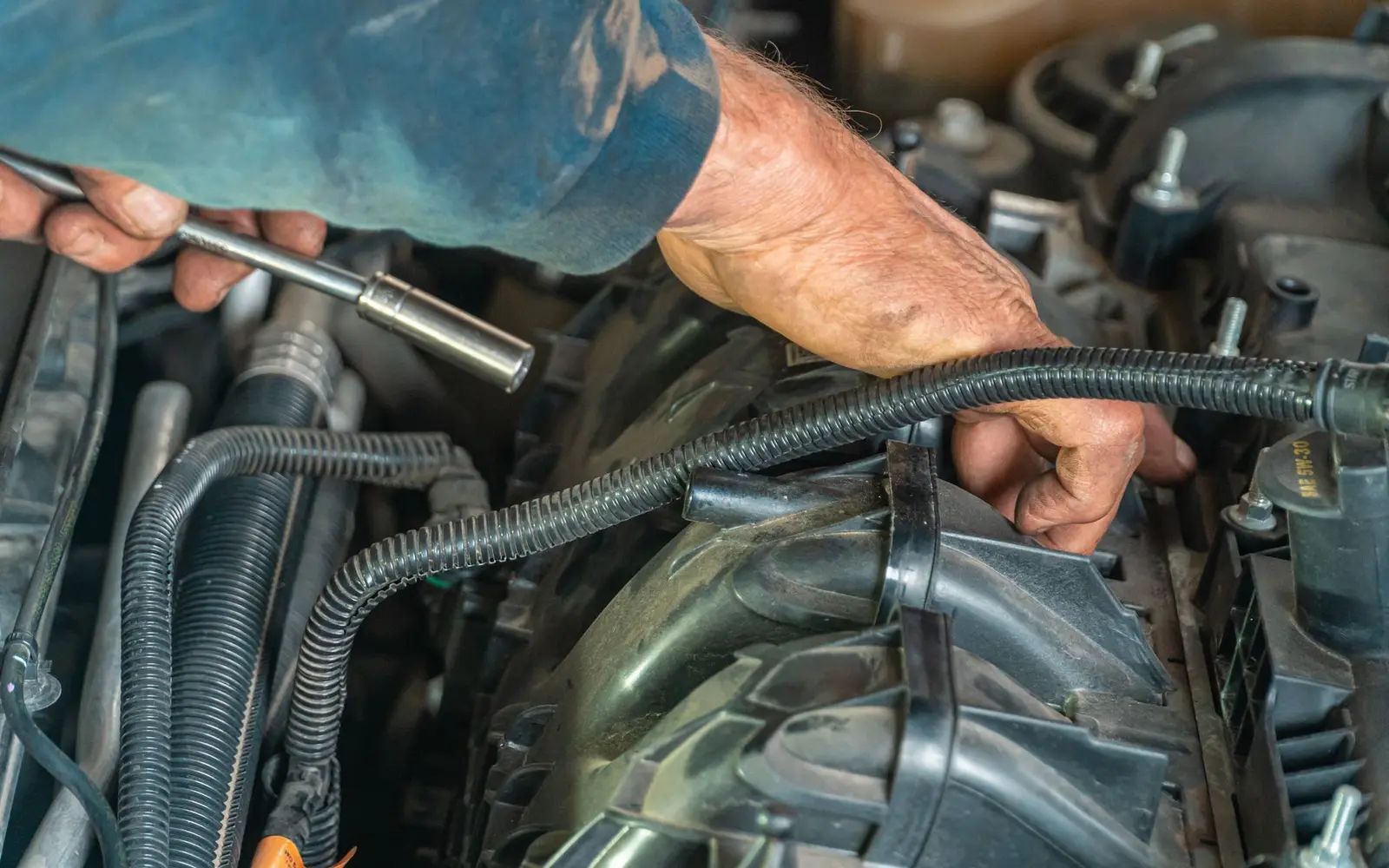
Tank leak repair in Al Muntazah Jeddah
Al Muntazah is an old residential apartment district on the eastern edge of Briman, with low and mid-rise buildings housing workers and small families. Tanks here are very old and occupy tight spaces on crowded roofs or wedged between walls, and leaks recur because materials corrode over many years.
-
Potable-rated materials
Linings and disinfectants cleared for drinking water tanks, not general-purpose products.
-
You get the downtime first
How many hours the tank is out of service, told before we start rather than after we finish.
-
A first-draw flush
We run the first draw off after refilling, and the tank is not handed back until the water runs clear.
-
Ground and roof tanks
Villas, apartment blocks and premises that need a written record of each visit.
Why the job is different in Al Muntazah
Apartment buildings in Al Muntazah were constructed twenty years or more ago and original tanks have not been replaced, resulting in visible corrosion and recurring leaks. The method is set out in full on what Tank leak repair involves.
Old tanks in confined roof spaces
Aged tanks sit on cramped roof areas or partly recessed between walls. Tight space makes repair difficult and drying takes longer.
Corroded copper pipes and fittings
Old copper pipes are rusted and their joints are broken or loose. Water leaks from fittings more often than from the tank body itself in most cases.
High moisture accelerates corrosion
Narrow streets in Al Muntazah trap moisture between apartment blocks. Aged tanks face constant humidity that speeds corrosion and reopens old cracks.
The character of Al Muntazah
Apartment district: residential blocks, repeated floors and shared entrances
Al Muntazah is fundamentally an old residential apartment district, meaning tanks are old and confined to tight spaces on crowded roofs. Repair requires skill working in confined areas and may need partial tank lifting or removal of stuck fittings. Replacement may be faster than repair if corrosion is very advanced.
Where the water leaves decides how it is repaired
A residential apartment district on the eastern edge of Briman municipality, bounded by Hada Al Sham Road to the north and Muawiyah Al Sulami Street to the west, next to Al Samir and Al Asla. Internal streets are narrow with worn surfaces and buildings are aged.
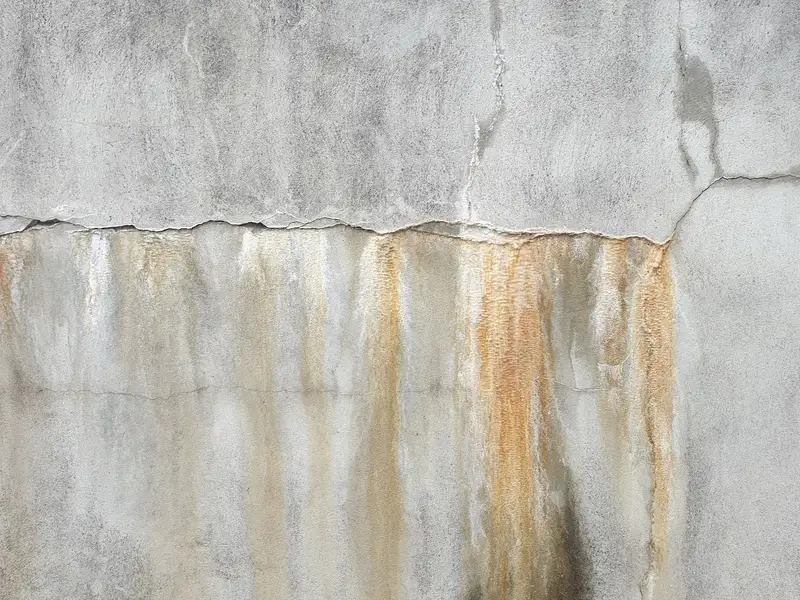
Damp and salt on the outside wall
Corrosion cracks start at joint edges and spread slowly through the aged tank body.
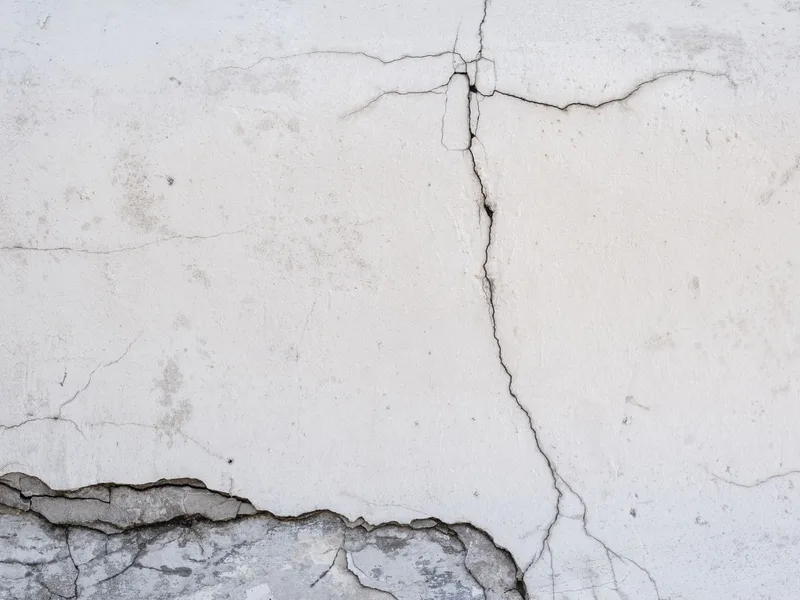
The kind of crack
Leaks from old copper fittings are more common than tank body leaks because metals are rusted.
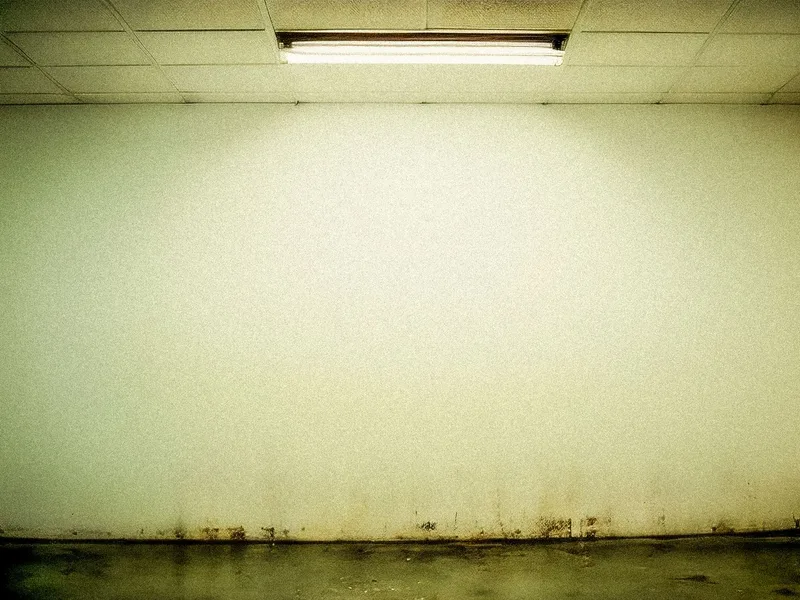
The wall to floor junction
Water level drop is noticed daily by residents because leaks are constant, not seasonal.
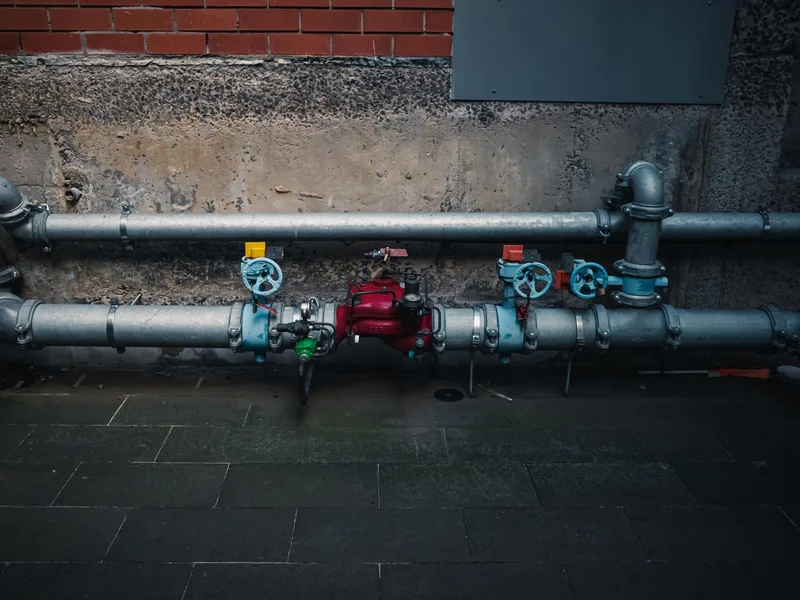
Pipe entries
High district moisture from narrow streets speeds metal and plastic corrosion.
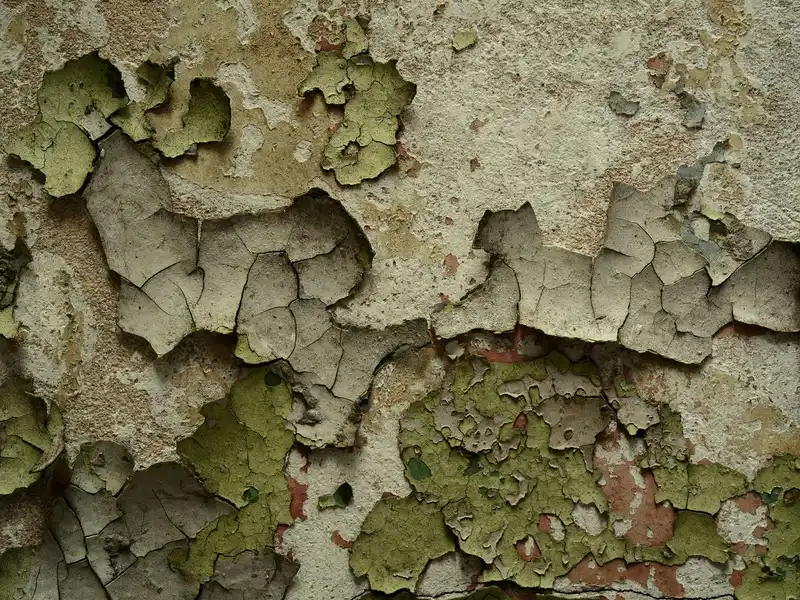
The condition of the old lining
Corrosion concentrates where stagnant water sits, especially at tank base and joint corners.
What the tank is made of
Summer and winter leaks are roughly equal because corrosion continues regardless of season.
How we work
-
1
Inspect and locate the leak
We close the float valve and the outlet, mark the water level and watch it fall, then check the fittings and the wall beside it. That separates a tank leak from a pipe leak or a float valve that never shuts.
-
2
Drain, clean and dry
We empty the tank, lift the sediment off the base, wash back to sound concrete and let the surface dry. No repair holds on a damp or dusty face.
-
3
Repair the cracks and the entries
We cut the crack open, fill it with a non-shrink mortar, inject anything still weeping and rebuild around the pipe sleeve. A joint that moves takes a flexible detail, not a rigid one.
-
4
Refill, test, then sterilise
We refill, read the level again to confirm the drop has stopped, then sterilise before the water is used, because the tank has been open with tools and hands inside it.
What tank leak repair includes
-

A marked level test
A reading before and after with everything shut, which establishes that the loss is the tank and not the plumbing.
-

Draining and sediment removal
Water and silt out of the base, so the floor and the walls can be seen as they really are.
-

Pressure wash and dry back
The weak layer and the dust come off, because a repair only holds on sound concrete.
-

Cracks opened and filled
The crack is cut open and filled with a non-shrink mortar, and anything still weeping under water pressure is injected.
-

Refill and a recorded test
We refill, read the level again and write the reading down, so the result is not a matter of opinion.
-

Sterilised and back in service
A wash and a sterilisation once the material has cured, and guidance on running the first fill off before the water is used.
What is different about Briman Sub-Municipality
Briman sub-municipality sits east of the Haramain expressway on Jeddah's north eastern edge. Its older quarters are planned grids of villas and walk-up flats, while the outer districts are new subdivisions still being built out. Seasonal wadis such as Wadi Umm Hablain and Wadi Al Asla cross the area, groundwater runs high in places, and drainage networks in the newer districts are incomplete, so soil around foundations stays damp. Vacant plots, live building sites and constant dust give crawling insects and rodents easy routes into homes, and the food outlets along the main arteries keep them supplied.
Questions about this district
Why do old tanks in Al Muntazah leak so frequently?
Old plastic and metal materials corrode over time, especially in humid conditions. After twenty years or more, cracks and holes become inevitable.
Is tank replacement easier than repair?
Replacement may be preferable if corrosion is very deep or if problems recur. But repair may extend tank life by several years.
Are old pipes the main source of leaks?
Yes. Old copper pipes are often rusted and joints are loose; leaks frequently originate there before the tank body.
How do we repair a tank in a confined space?
We must lift pipes and drain the tank completely. If the space is very tight, we may need to partially remove the tank from its mounting.
Does modern coating solve aged tank problems partly?
Coating may stop a small surface leak, but deep corrosion requires structural repair before coating.
Does regular leaking mean the tank is near failure?
It may be. Regular leaks signal advanced corrosion; replacement soon may prove cheaper than repeated repairs.
How much does tank leak repair in Al Muntazah cost?
It is set after the inspection, because the price follows the type of infestation, the size of the space, how far it has spread and the number of visits it needs. Send a photo and a description on WhatsApp and we will give you an estimate before we reach Al Muntazah.
Other services in Al Muntazah
Other services we provide to residents of Al Muntazah.
-
 Water tanks
Water tank cleaning
-
 Water tanks
Water tank sterilization
-
 Water tanks
Water tank sealing
-
 Residential
Cockroach control
Need tank leak repair in Al Muntazah? Tell us what you saw and we will tell you what it needs
We reach Al Muntazah at a time we agree, and you get the full cost before we start.