
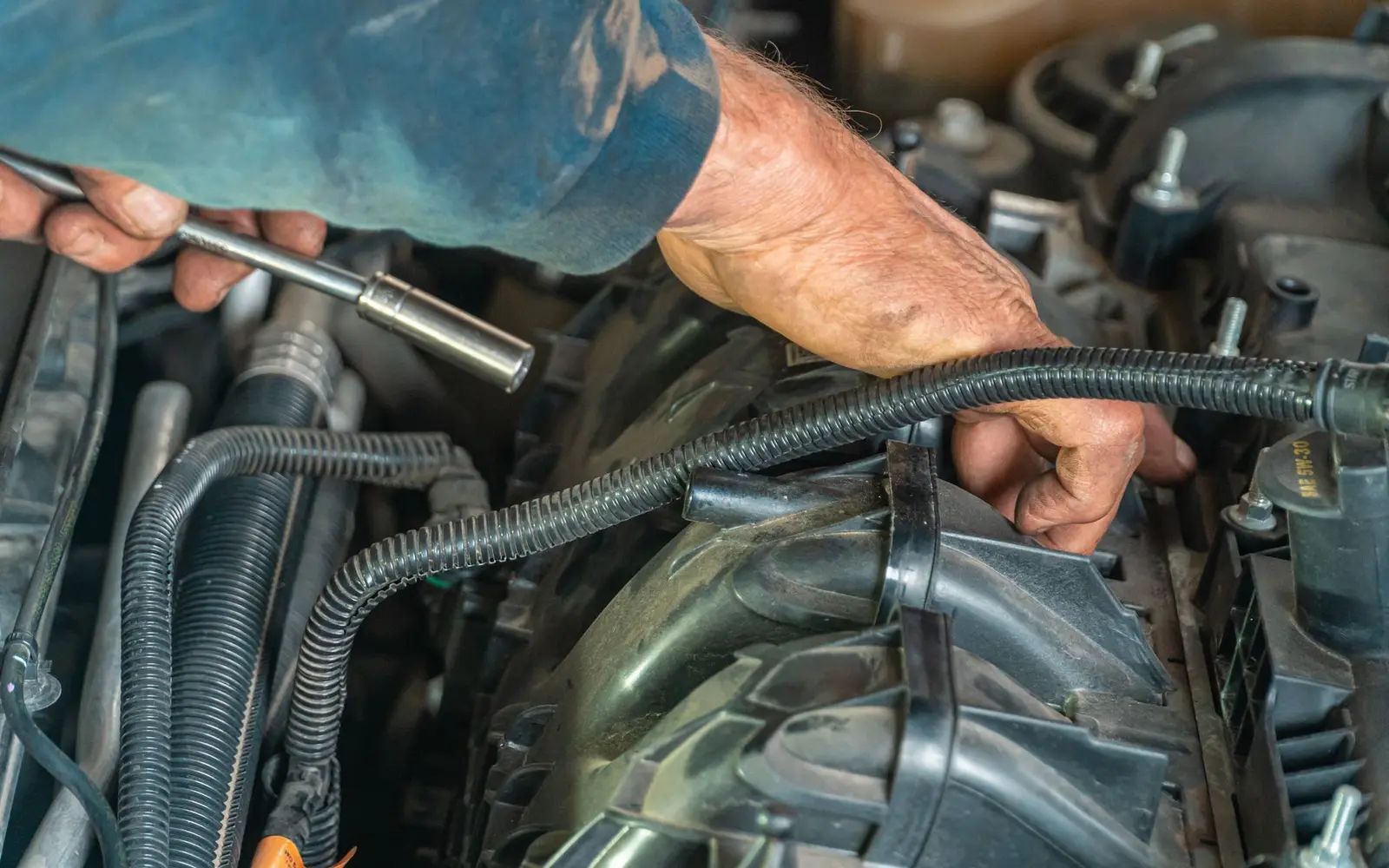
Tank leak repair in Al Quraiyat Jeddah
Al Quraiyat is an old popular district in south Jeddah with densely packed apartment blocks built decades ago. Tanks here are very old and salt corrosion and cracks cause constant seepage. We close the float valve and outlet, watch the level drop and determine whether the loss is the tank itself or the connected pipework.
-
Potable-rated materials
Linings and disinfectants cleared for drinking water tanks, not general-purpose products.
-
You get the downtime first
How many hours the tank is out of service, told before we start rather than after we finish.
-
A first-draw flush
We run the first draw off after refilling, and the tank is not handed back until the water runs clear.
-
Ground and roof tanks
Villas, apartment blocks and premises that need a written record of each visit.
Why the job is different in Al Quraiyat
The apartment buildings date fifty years or more back and tanks on the roofs show visible cracks from salt and moisture exposure. The method is set out in full on the full Tank leak repair page.
Old concrete tanks on rooftops
Traditional concrete tanks built in the 1960s and 1970s sit on apartment rooftops. Sun, salt and soil movement have weakened the walls and floors.
Feed and distribution pipework is worn
Pipes rising from tanks to flats and from underground tanks upward are old and may shift as the building settles. Pipe entry and exit points are cracked.
Water demand varies with season
Residents increase consumption in summer and demand may exceed storage. Tanks run under high pressure, hastening leak development.
The character of Al Quraiyat
Apartment district: residential blocks, repeated floors and shared entrances
An old densely packed residential quarter means tanks sit on very close apartment rooftops. Roof access is limited and spaces are cramped, so work must account for high walls and tangled pipe layouts.
Where the water leaves decides how it is repaired
An old popular residential quarter in south Jeddah within the Al Jamiah sub-municipality, lying between Al Thaalibah to the west and Nazlah quarters to the east, with closely spaced buildings, everyday shops and local services nearby.
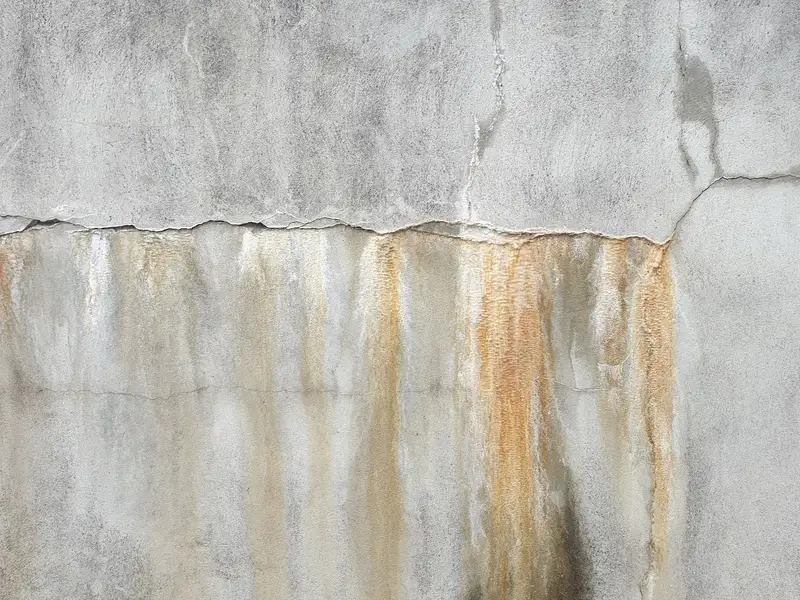
Damp and salt on the outside wall
Fine cracks are found by filling the tank and waiting an hour to note slow level drop.
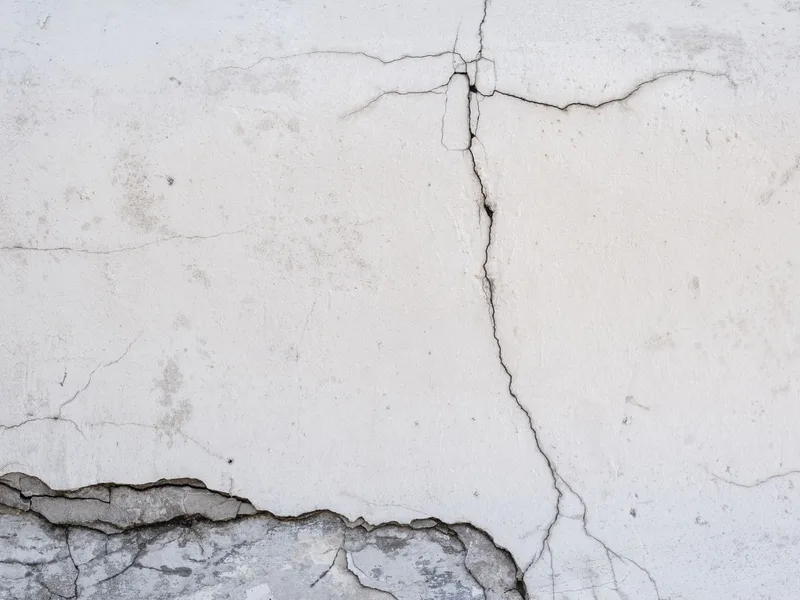
The kind of crack
Checking pipe entry and exit points reveals whether fitting joints are loose or leaking.
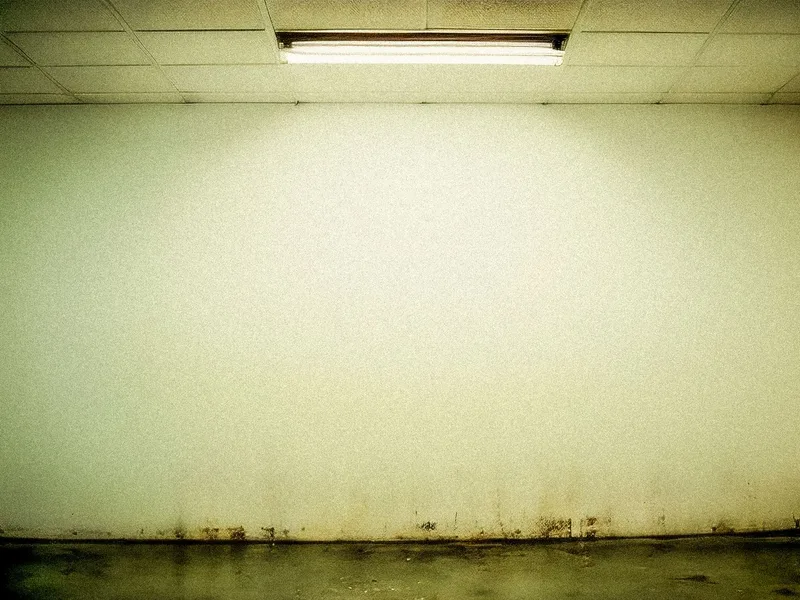
The wall to floor junction
Moisture on rooftops and sea salt corrodes concrete tanks faster on exposed surfaces.
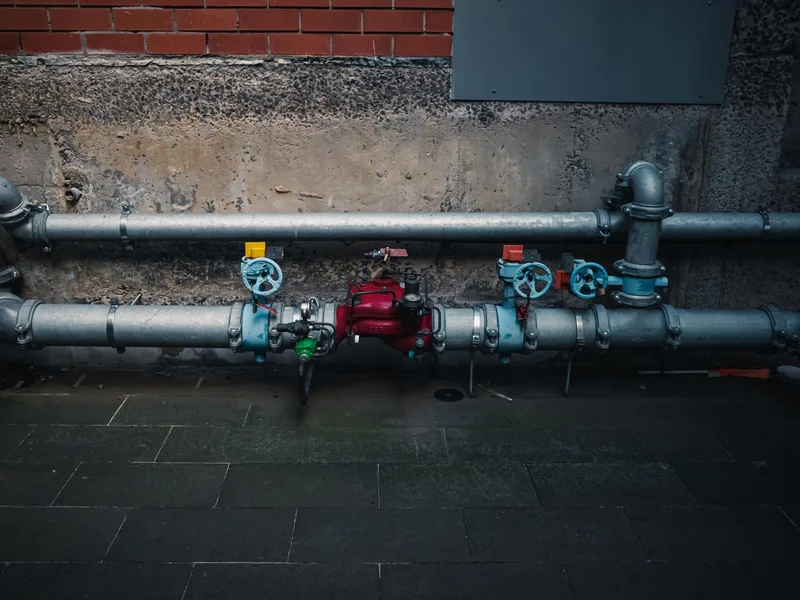
Pipe entries
Continuous leakage causes large water loss and high monthly water bills.
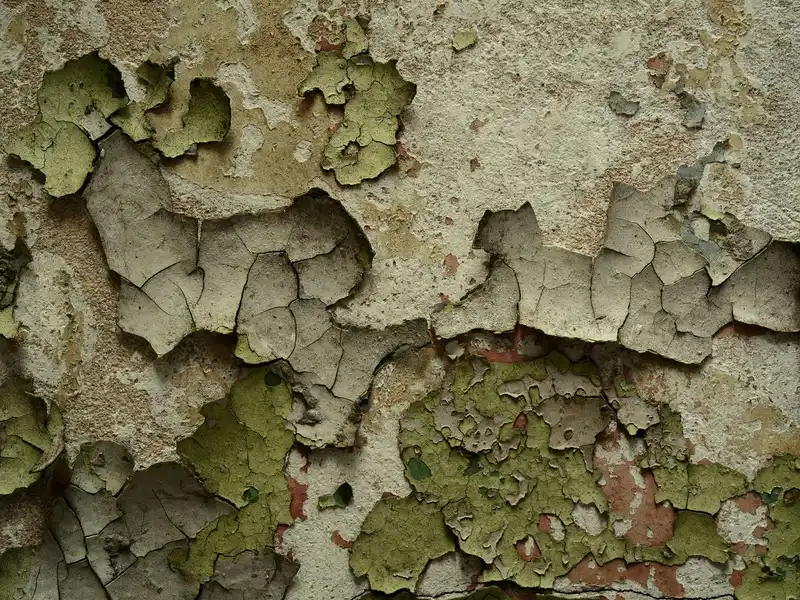
The condition of the old lining
Old tanks have cavities and deep cracks hidden beneath plaster and weak walls may collapse if fully dried.
What the tank is made of
High pressure from feed tanks causes seepage from small cracks even when not visibly large.
How we work
-
1
Inspect and locate the leak
We close the float valve and the outlet, mark the water level and watch it fall, then check the fittings and the wall beside it. That separates a tank leak from a pipe leak or a float valve that never shuts.
-
2
Drain, clean and dry
We empty the tank, lift the sediment off the base, wash back to sound concrete and let the surface dry. No repair holds on a damp or dusty face.
-
3
Repair the cracks and the entries
We cut the crack open, fill it with a non-shrink mortar, inject anything still weeping and rebuild around the pipe sleeve. A joint that moves takes a flexible detail, not a rigid one.
-
4
Refill, test, then sterilise
We refill, read the level again to confirm the drop has stopped, then sterilise before the water is used, because the tank has been open with tools and hands inside it.
What tank leak repair includes
-

A marked level test
A reading before and after with everything shut, which establishes that the loss is the tank and not the plumbing.
-

Draining and sediment removal
Water and silt out of the base, so the floor and the walls can be seen as they really are.
-

Pressure wash and dry back
The weak layer and the dust come off, because a repair only holds on sound concrete.
-
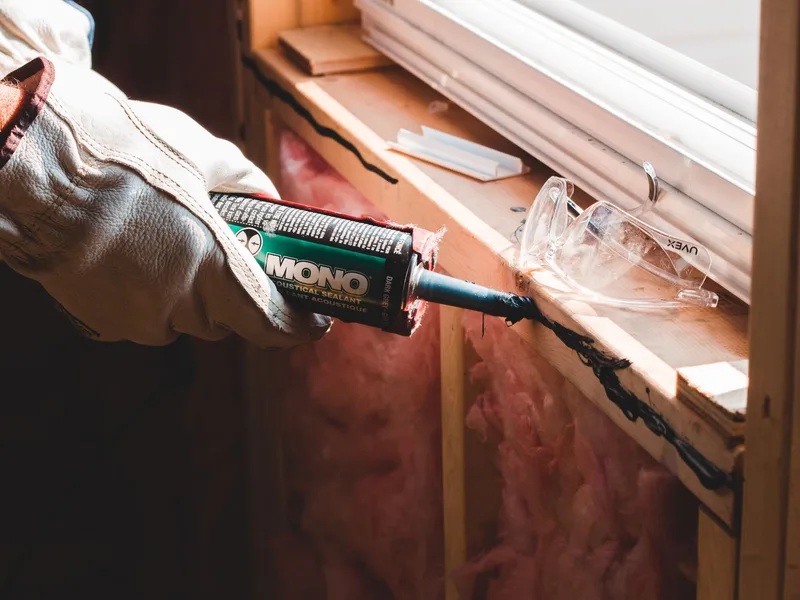
Cracks opened and filled
The crack is cut open and filled with a non-shrink mortar, and anything still weeping under water pressure is injected.
-

Refill and a recorded test
We refill, read the level again and write the reading down, so the result is not a matter of opinion.
-

Sterilised and back in service
A wash and a sterilisation once the material has cured, and guidance on running the first fill off before the water is used.
What is different about Al Jamiah Sub-Municipality
Al Jamiah sub municipality spans the older south of Jeddah. Planned districts such as Al Fayha, Al Thaghr and Madain Al Fahd sit beside crowded popular quarters like the Nazlahs and Al Quraiyat, and beside cleared or clearing land in Ghulail, Petromin and Al Thaalibah awaiting redevelopment. Apartment buildings stand close together above dense runs of shops and restaurants along Old Makkah Road and Prince Majid Road. Drainage in the popular quarters is ageing, humid air drifts in from the port and refinery side to the west, and the flat low lying ground holds rainwater in narrow streets.
Questions about this district
How do we tell whether a leak is in the tank or the pipes?
We close the float valve and outlet and watch the level fall. Slow drop means pipe leak. Fast drop with no meter movement means the tank itself is leaking.
Why does seepage return after only patching the visible cracks?
Old tanks have many cracks and salt eats through the walls. Without fixing the root cracks before lining, new cracks surface beneath the coating.
Is lining coating alone enough to stop the leak?
No. Lining needs the cracks and leaking pipes repaired first. Coating alone will fail because it does not address the underlying cause.
Is a rooftop tank riskier than an underground tank?
Yes. The top tank is exposed to sun, salt and wind. It corrodes faster and bears higher pressure.
Does repair cost depend on crack size or location?
Location matters more than size. Cracks in the floor stop water under direct pressure. Wall cracks may be harder if far from the outer surface.
Is internal tank inspection necessary before repair?
Yes. Internal cracks, sediment and corrosion affect repair method and lining application.
How much does tank leak repair in Al Quraiyat cost?
It is set after the inspection, because the price follows the type of infestation, the size of the space, how far it has spread and the number of visits it needs. Send a photo and a description on WhatsApp and we will give you an estimate before we reach Al Quraiyat.
Nearby districts we cover
Other services in Al Quraiyat
Other services we provide to residents of Al Quraiyat.
-
 Water tanks
Water tank cleaning
-
 Water tanks
Water tank sterilization
-
 Water tanks
Water tank sealing
-
 Residential
Cockroach control
Need tank leak repair in Al Quraiyat? Tell us what you saw and we will tell you what it needs
We reach Al Quraiyat at a time we agree, and you get the full cost before we start.