
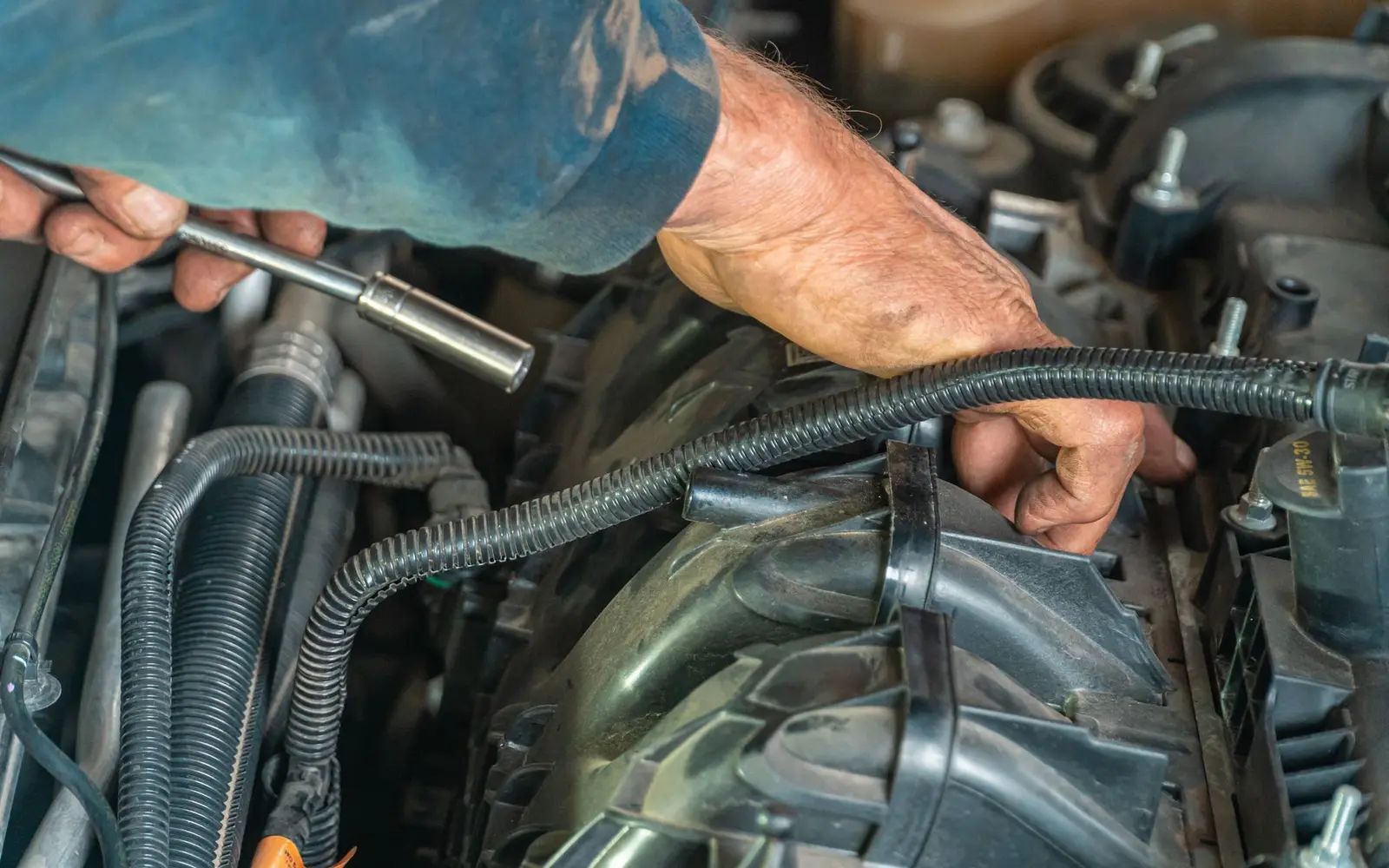
Tank leak repair in Al Saruriyah Jeddah
Al Saruriyah is an industrial commercial district in south Jeddah, filled with warehouses and large storage buildings and retail outlets. Tanks here are larger than in residential areas, and many are exposed to temperature and humidity swings from the industrial setting. Leaks appear quickly because tanks face high daily usage pressure.
-
Potable-rated materials
Linings and disinfectants cleared for drinking water tanks, not general-purpose products.
-
You get the downtime first
How many hours the tank is out of service, told before we start rather than after we finish.
-
A first-draw flush
We run the first draw off after refilling, and the tank is not handed back until the water runs clear.
-
Ground and roof tanks
Villas, apartment blocks and premises that need a written record of each visit.
Why the job is different in Al Saruriyah
Tanks in Al Saruriyah face intermittent but high-intensity use during peak hours, and several have not been serviced since installation. The method is set out in full on what Tank leak repair involves.
Large warehouses require large overhead tanks
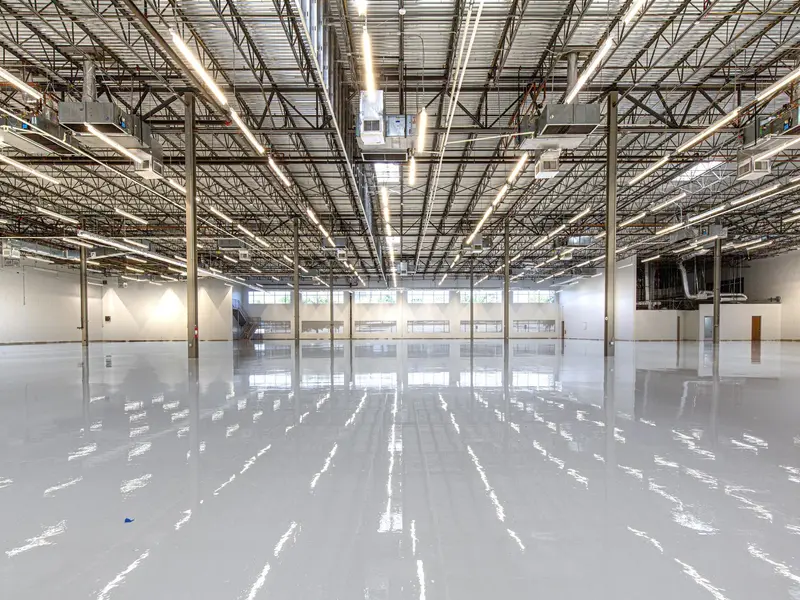
Warehouses and distribution stores have oversized overhead tanks serving dozens of workers and small factories. Water load is very high and pipes face constant pressure.
Heat swings accelerate metal and concrete cracking
The industrial commercial setting means high ambient heat from sun and factories. Metal tanks expand and contract, and cracks emerge faster than in residential areas.
Nearby markets and quarries raise dust and humidity
Vegetable, fruit and livestock markets close by supply high humidity and dust. This speeds corrosion of tanks and pipes from the outside.
The character of Al Saruriyah
Industrial area: workshops, warehouses and loading yards
Al Saruriyah is an industrial commercial zone, and tanks here are larger and work harder than in residential areas. Repair may require pausing warehouse operations, and materials used must be food-safe if the tanks serve food products.
Where the water leaves decides how it is repaired
An industrial commercial district in south Jeddah beside Al Khumrah along the Al Laith Expressway. Warehouses and distribution stores dominate the zone.
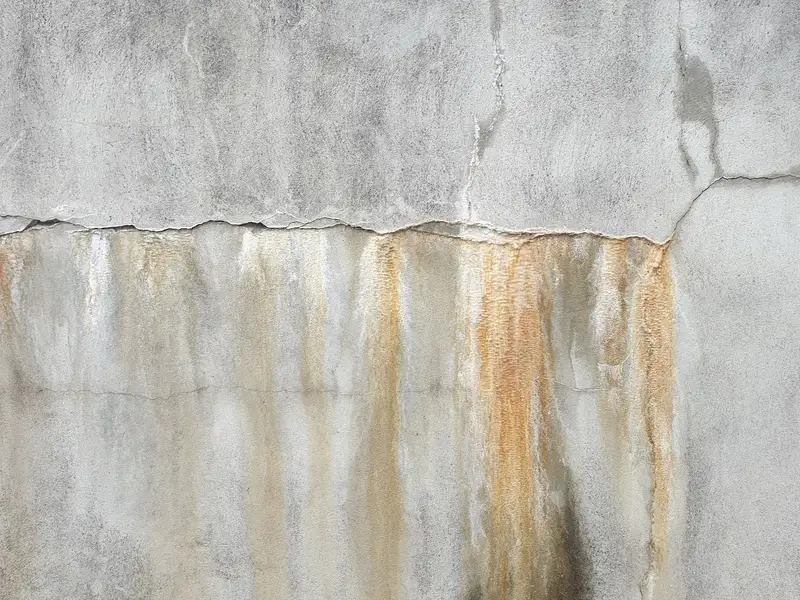
Damp and salt on the outside wall
Visual inspection of large warehouse tanks includes the tank base, corners and pipes under constant pressure.
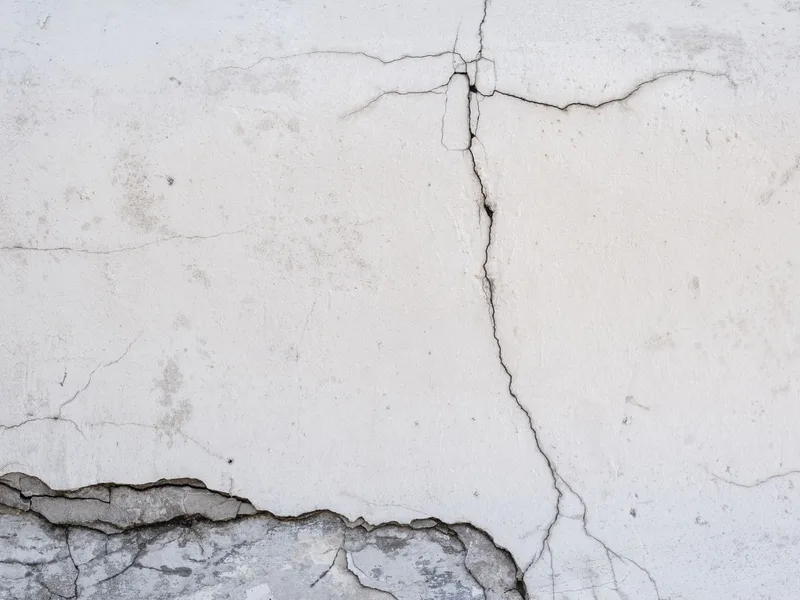
The kind of crack
Level-drop testing takes longer in large tanks because high water volume requires hours to show clear descent.
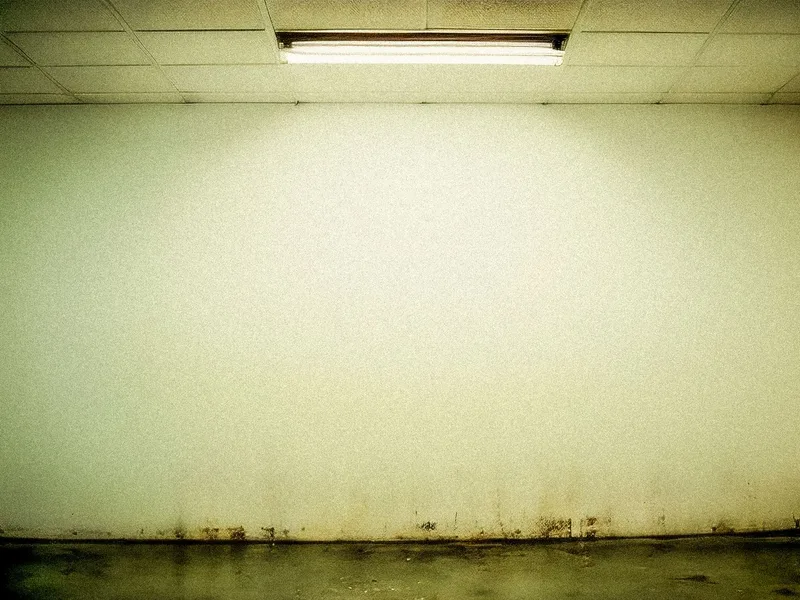
The wall to floor junction
Distribution pipes in warehouses suffer heavy use, and leaks may come from metal pipes corroding due to rust and scale.
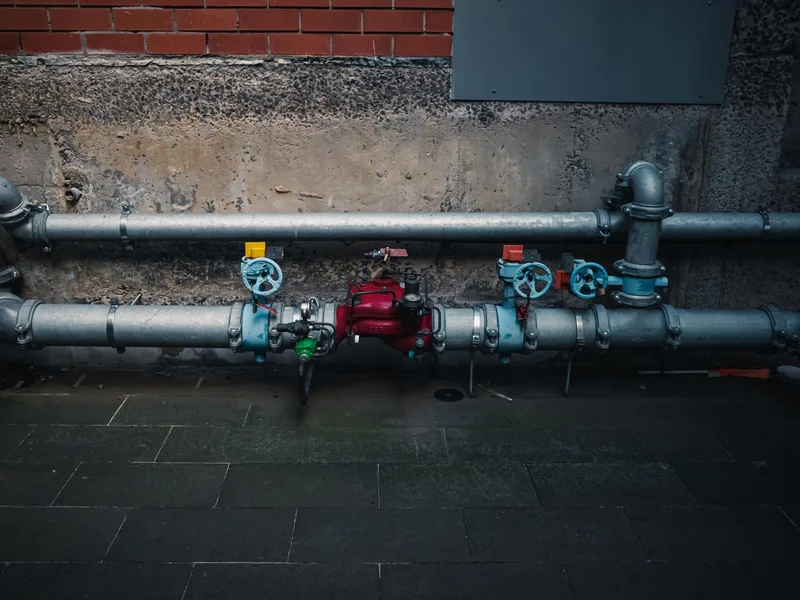
Pipe entries
Intermittent high-pressure use during peak hours means the tank endures repeated mechanical stress in short bursts.
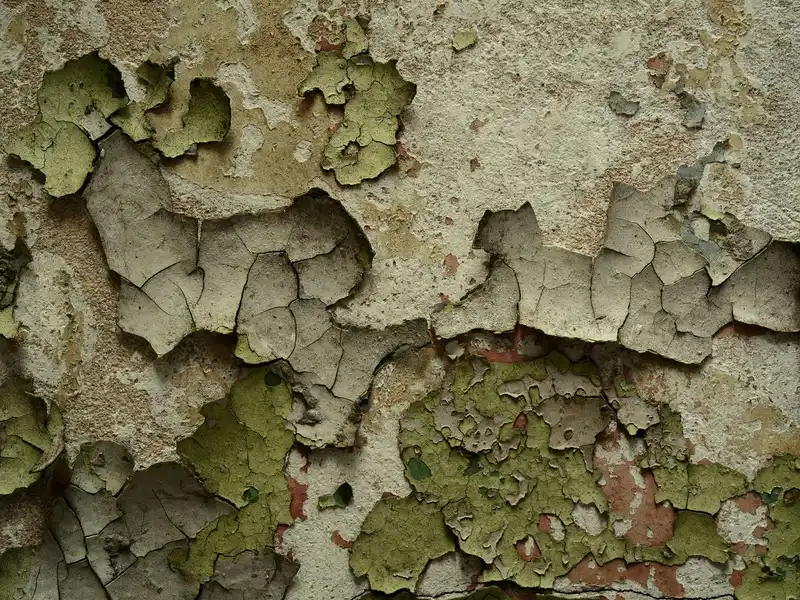
The condition of the old lining
Tank position may be on the roof or side wall of the warehouse, and repair requires safe access and scaffolding that may be complex.
What the tank is made of
Water quality testing after repair is essential for warehouses storing food, beverages or pharmaceuticals.
How we work
-
1
Inspect and locate the leak
We close the float valve and the outlet, mark the water level and watch it fall, then check the fittings and the wall beside it. That separates a tank leak from a pipe leak or a float valve that never shuts.
-
2
Drain, clean and dry
We empty the tank, lift the sediment off the base, wash back to sound concrete and let the surface dry. No repair holds on a damp or dusty face.
-
3
Repair the cracks and the entries
We cut the crack open, fill it with a non-shrink mortar, inject anything still weeping and rebuild around the pipe sleeve. A joint that moves takes a flexible detail, not a rigid one.
-
4
Refill, test, then sterilise
We refill, read the level again to confirm the drop has stopped, then sterilise before the water is used, because the tank has been open with tools and hands inside it.
What tank leak repair includes
-

A marked level test
A reading before and after with everything shut, which establishes that the loss is the tank and not the plumbing.
-

Draining and sediment removal
Water and silt out of the base, so the floor and the walls can be seen as they really are.
-

Pressure wash and dry back
The weak layer and the dust come off, because a repair only holds on sound concrete.
-

Cracks opened and filled
The crack is cut open and filled with a non-shrink mortar, and anything still weeping under water pressure is injected.
-

Refill and a recorded test
We refill, read the level again and write the reading down, so the result is not a matter of opinion.
-

Sterilised and back in service
A wash and a sterilisation once the material has cured, and guidance on running the first fill off before the water is used.
What is different about South Sub-Municipality
The South sub municipality runs from the edge of Old Makkah Road down to Al Khumrah and the southern corniche. Dense residential districts sit beside new subdivisions such as Al Sanabil and Al Taawun, warehouse fringes such as Al Saruriyah and Al Sarawat, and an old seaside settlement at Al Quzayn. Open stormwater channels cross the housing, and the warehouses, the vegetable and livestock markets and the nearby Islamic Port and Industrial City give pests shelter, food and year round humidity. Pressure is greatest in the older quarters, where drainage networks are ageing.
Questions about this district
Why do warehouse tanks leak faster than residential ones?
High and intermittent use causes variable pressure on the tank. Tanks expand and contract rapidly, and cracks appear sooner.
Does high temperature in Al Saruriyah affect repair?
Yes. Intense heat may dry repair materials too fast. Repair is best done early morning or late afternoon.
Does tank inspection stop warehouse operations?
It may. But we try to repair slow leaks without full drainage. If the leak is acute, operations must pause temporarily.
Do dust particles from nearby markets enter the tank?
Yes. Dust can enter through vent openings or small cracks, contaminating the water.
How long does repair of a large warehouse tank take?
Draining, cleaning and repair of a large tank takes 2-3 days depending on crack size, location and available work space.
Does tank repair affect water quality for food products?
Yes. Tanks for food and beverages must be deeply cleaned and sterilised, and repairs must use food-safe materials.
How much does tank leak repair in Al Saruriyah cost?
It is set after the inspection, because the price follows the type of infestation, the size of the space, how far it has spread and the number of visits it needs. Send a photo and a description on WhatsApp and we will give you an estimate before we reach Al Saruriyah.
Nearby districts we cover
Other services in Al Saruriyah
Other services we provide to residents of Al Saruriyah.
-
 Water tanks
Water tank cleaning
-
 Water tanks
Water tank sterilization
-
 Water tanks
Water tank sealing
-
 Residential
Cockroach control
Need tank leak repair in Al Saruriyah? Tell us what you saw and we will tell you what it needs
We reach Al Saruriyah at a time we agree, and you get the full cost before we start.