
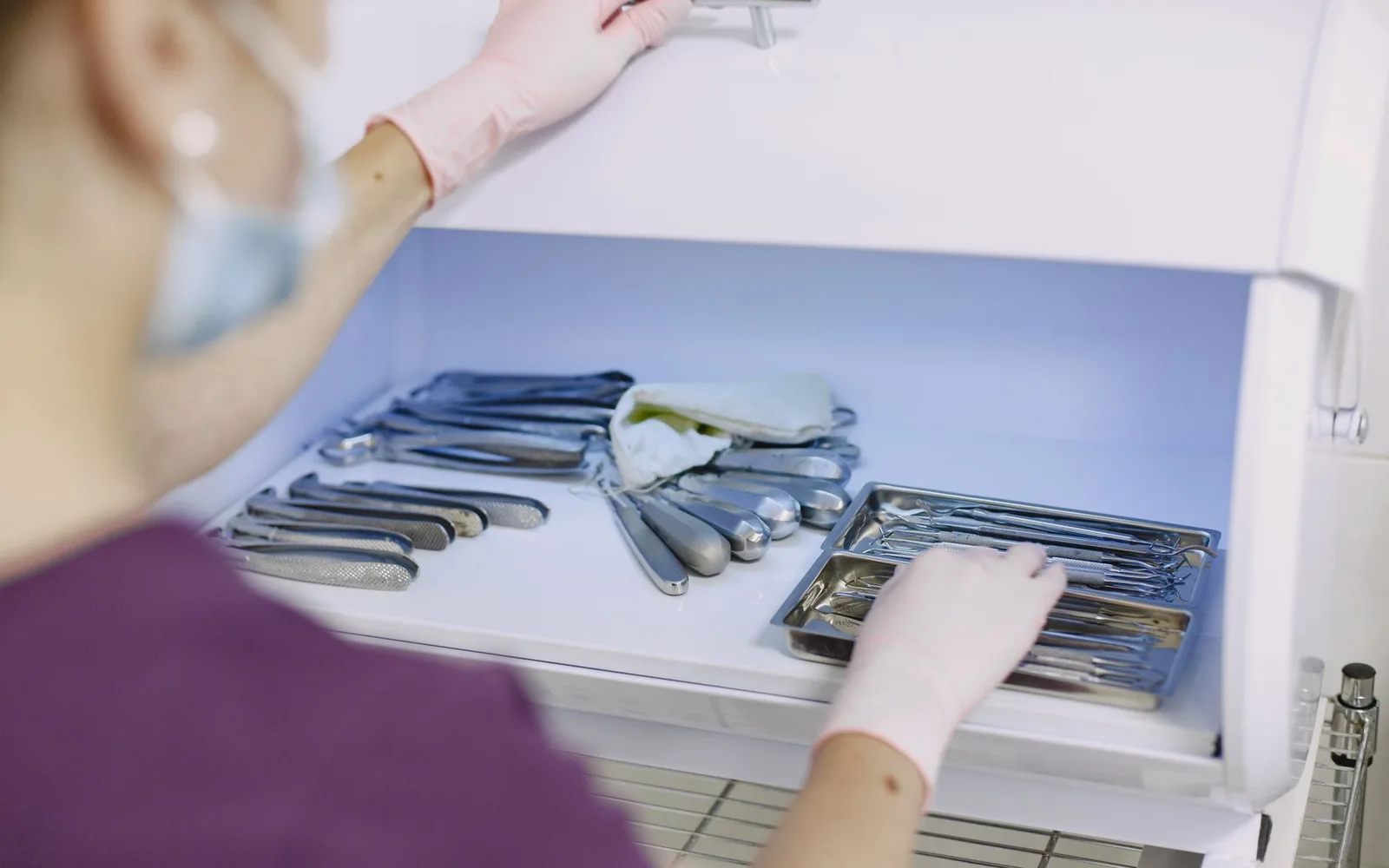
Water tank sterilization in Al Saruriyah Jeddah
Al Saruriyah is an industrial and commercial district in south Jeddah where warehouses, shops and medical clinics such as Shifa serve a constant stream of workers and patients. Tanks here carry high usage loads and incoming water bears sediment from old pipelines. Sterilization requires deep cleaning and removal of silt and bacteria before final disinfection.
-
Potable-rated materials
Linings and disinfectants cleared for drinking water tanks, not general-purpose products.
-
You get the downtime first
How many hours the tank is out of service, told before we start rather than after we finish.
-
A first-draw flush
We run the first draw off after refilling, and the tank is not handed back until the water runs clear.
-
Ground and roof tanks
Villas, apartment blocks and premises that need a written record of each visit.
Why the job is different in Al Saruriyah
Tanks here are large and used continuously by clinics, warehouses and shops, and incoming municipal water carries sediment and iron oxide from aging distribution pipes. The method is set out in full on how we approach Water tank sterilization.
Large tanks serving warehouses and clinics
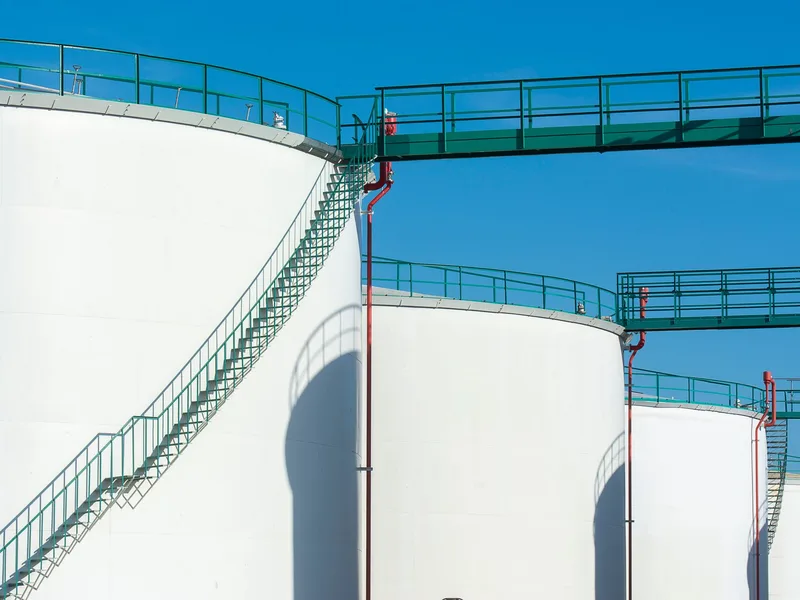
Warehouses and medical clinics operate large tanks to supply water for thousands of workers, customers and patients. Tank load is very high and cleaning requires removal of heavy sediment from the floor.
Old pipes introduce iron oxide and rust deposits
Water pipelines in Al Saruriyah are aging and carry rust particles and iron oxide. These settle and compact into silt on the tank floor, creating conditions for bacterial growth.
Health standards from clinics, restaurants and shops
Medical clinics, small restaurants and shops in the district require very clean water. Sterilization must be thorough because water goes directly into treatment and food preparation.
The character of Al Saruriyah
Industrial area: workshops, warehouses and loading yards
The industrial character means tanks are very large and used constantly and intensively. Shared old pipelines supply heavy sediment loads, so sterilization must remove all silt and rust from the floor before final disinfection.
What we read inside the tank before anything starts
An industrial and commercial district in south Jeddah beside Al Khumrah along Al Laith Expressway, with warehouses, shops, medical clinics and mixed housing. Vegetable, fruit and livestock markets lie close by.
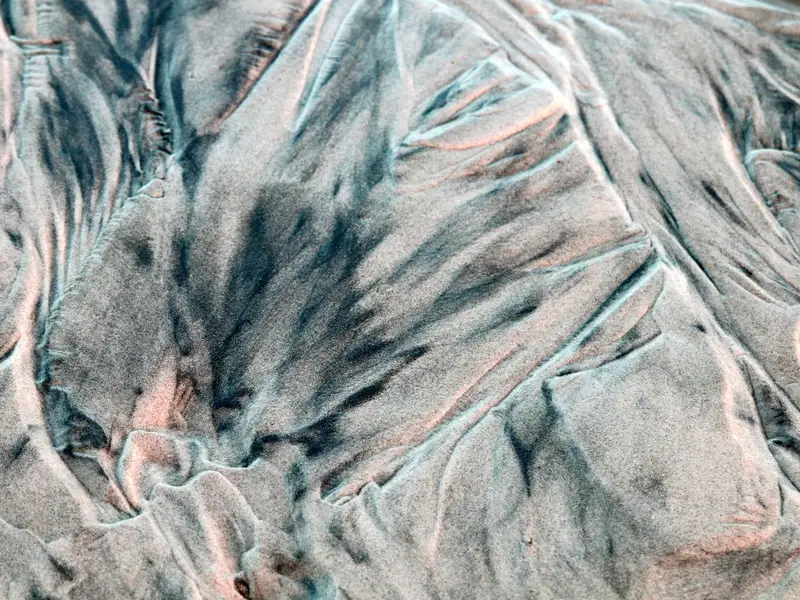
Sediment on the floor
Heavy floor sediment comes from iron oxide and rust from old pipelines, accumulating fast because tanks are large and usage is intense.
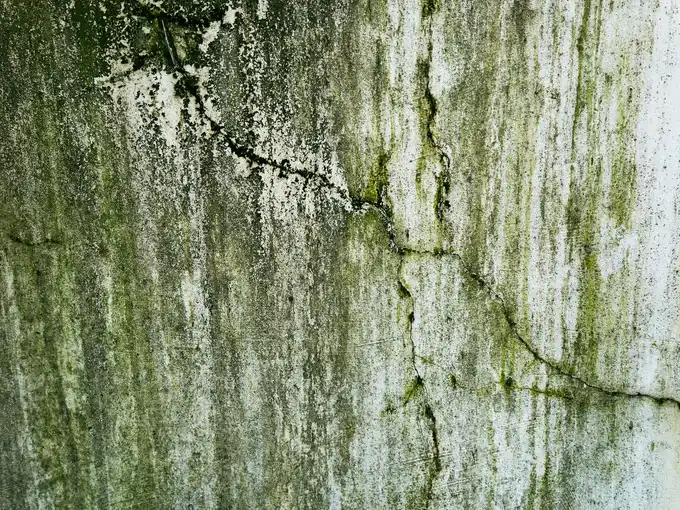
The slime film on the wall
Tank walls bear white and black layers of algae, bacteria and mineral deposits, especially in areas exposed to light seepage.
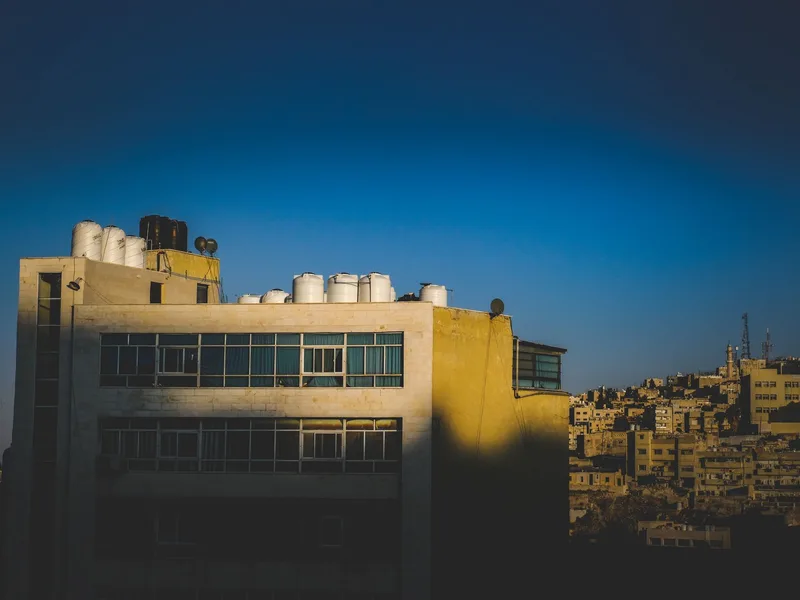
Light and heat
Line flushing starts from the furthest point in the building, such as filters and taps on upper floors or distant warehouse sections.
The lining and any cracking
Moisture inside the tank is high and summer heat raises temperatures, accelerating bacterial growth.
The lid and the openings
Bacterial colonies form on the tank floor around sediment and silt, with pockets of stagnant water trapped in low spots.
What shows up at the tap
Bacterial odour emerges weeks after the last cleaning, especially in large tanks under continuous heavy use.
How we work
-
1
Inspect and record the condition
We open the hatch and work through what the tank is made of and how big it is, how deep the sediment lies, the state of the lining, whether the lid and the overflow seal, and whether there is a crack that has to be repaired before any sterilizing.
-
2
Drain and lift the sediment out
The water goes out, then the silt and sand are lifted off the floor by suction rather than pushed toward the outlet, because pushing them sends them into the house pipework and the heater.
-
3
High pressure wash
Walls, floor, corners and the area around the outlet, until the slime film is completely gone. This is the step that makes the sterilizing after it mean anything.
-
4
Sterilize, rinse, then return to service
The sterilizing agent goes onto the walls, the floor and the underside of the lid and is left for its contact time, then we rinse, refill and run the furthest tap until the whole line is clear.
What water tank sterilization includes
-

A recorded inspection
Material, capacity, sediment depth, the state of the lining, the lid and the overflow, all before any work begins.
-

Draining and sediment removal
The water out, and the silt and sand lifted off the floor instead of being pushed into the outlet and the house pipework.
-

High pressure washing
Walls, corners and around the outlet, until the biofilm that no disinfectant penetrates has gone.
-
Sterilizing the internal surfaces
A sterilizing agent meant for drinking water tanks, applied to the walls, the floor and the underside of the lid, and left for its contact time.
-

Line flush and aftercare
Rinse, refill and a flush from the furthest tap, when the water is usable again, and what to change in the filter afterwards.
-

The next cycle
We agree the right interval for your tank from how it is filled, how much sun it takes and the condition of the lid.
What is different about South Sub-Municipality
The South sub municipality runs from the edge of Old Makkah Road down to Al Khumrah and the southern corniche. Dense residential districts sit beside new subdivisions such as Al Sanabil and Al Taawun, warehouse fringes such as Al Saruriyah and Al Sarawat, and an old seaside settlement at Al Quzayn. Open stormwater channels cross the housing, and the warehouses, the vegetable and livestock markets and the nearby Islamic Port and Industrial City give pests shelter, food and year round humidity. Pressure is greatest in the older quarters, where drainage networks are ageing.
Questions about this district
Why does water in Al Saruriyah have a brown or grey tinge?
Aging pipelines in the area supply iron oxide and rust particles. Sediment settles in the tank and gives water an unhealthy appearance.
Is one tank cleaning enough for medical clinics?
It may not be. Clinics need very high health standards and the tank may need regular cleaning every three months minimum.
What causes the smell in warehouse water supplies?
Bacteria grow in silt and sediment on the tank floor. Moisture, heat and organic matter create ideal breeding conditions.
Is the water safe to drink after sterilization?
Yes. After sediment removal, complete disinfection and line flushing from the furthest tap, water is safe for drinking and medical use.
How long does sterilization take for a large warehouse tank?
Large tanks need longer to empty and remove sediment. The work may take several hours to a full day depending on tank volume and accumulated deposits.
Does groundwater need different sterilization than municipal supply?
Groundwater may harbour different natural bacteria. Disinfection should be slightly stronger and longer than for municipal water.
How much does water tank sterilization in Al Saruriyah cost?
It is set after the inspection, because the price follows the type of infestation, the size of the space, how far it has spread and the number of visits it needs. Send a photo and a description on WhatsApp and we will give you an estimate before we reach Al Saruriyah.
Nearby districts we cover
Other services in Al Saruriyah
Other services we provide to residents of Al Saruriyah.
-
 Water tanks
Water tank cleaning
-
 Water tanks
Water tank sealing
-
 Water tanks
Tank leak repair
-
 Residential
Cockroach control
Need water tank sterilization in Al Saruriyah? Tell us what you saw and we will tell you what it needs
We reach Al Saruriyah at a time we agree, and you get the full cost before we start.