
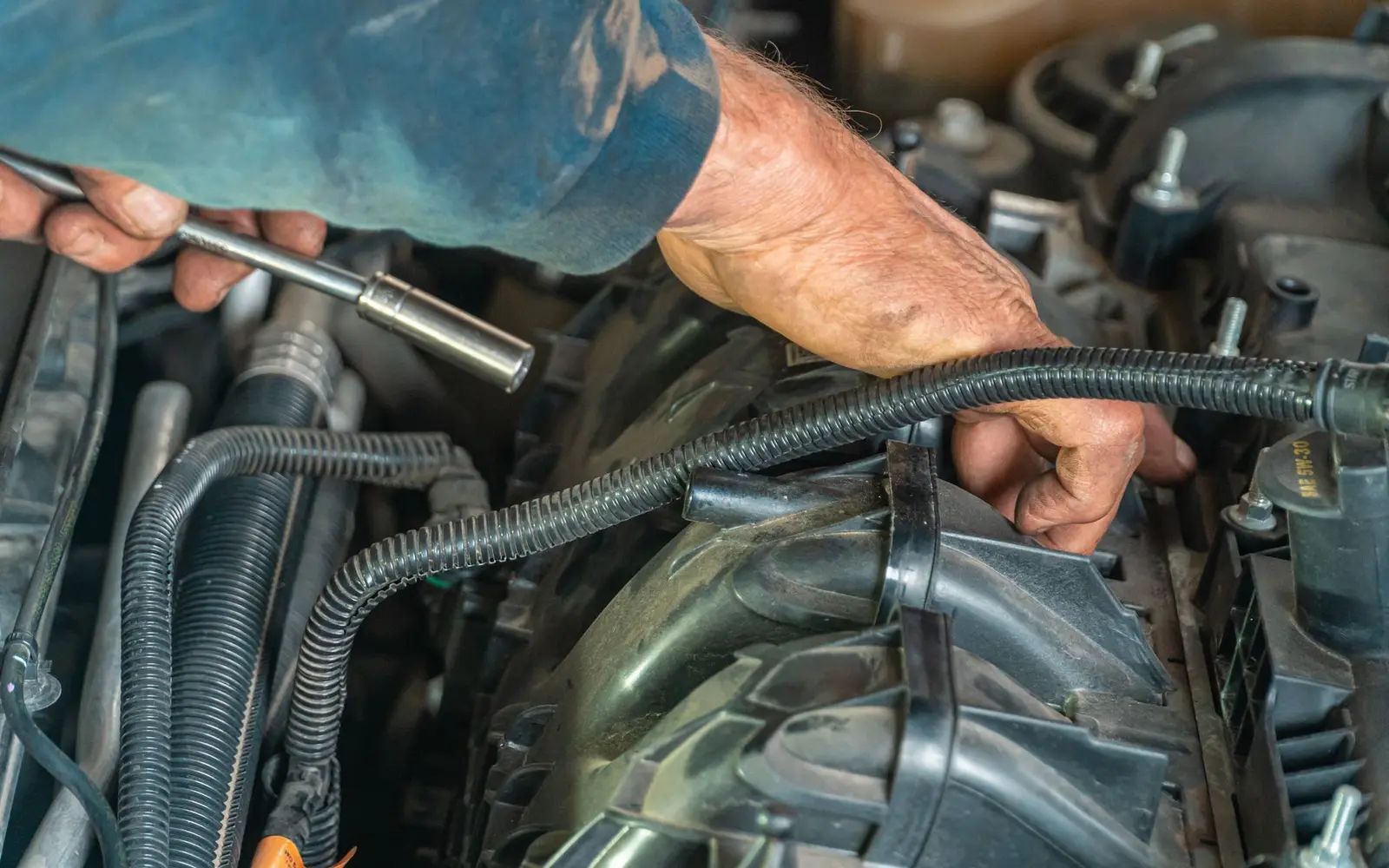
Tank leak repair in Al Zumurrud Jeddah
Al Zumurrud is a new coastal district in the north on the Red Sea with modern villas, apartments and residential blocks. Tanks here are exposed to sea salt and high humidity constantly. Leaks may result from slow corrosion in the tank body or from pipe seals weakened by moisture and salt.
-
Potable-rated materials
Linings and disinfectants cleared for drinking water tanks, not general-purpose products.
-
You get the downtime first
How many hours the tank is out of service, told before we start rather than after we finish.
-
A first-draw flush
We run the first draw off after refilling, and the tank is not handed back until the water runs clear.
-
Ground and roof tanks
Villas, apartment blocks and premises that need a written record of each visit.
Why the job is different in Al Zumurrud
Buildings and villas are new but constant exposure to sea salt and high humidity causes rapid deterioration in tanks and pipes. The method is set out in full on how we approach Tank leak repair.
Salt corrosion on metal and concrete tanks
Iron and concrete tanks on roofs face daily sea salt exposure. Salt penetrates outer layers and causes internal rust and slow cracks.
High humidity and condensation on seals
Coastal humidity reaches 80-90 percent, and the temperature difference between tank and air causes condensation. This weakens the seals between pipes and tank.
Chalets and rest houses with multiple tanks
Shore chalets contain multiple tanks for roofs, bathrooms and kitchens. Each tank faces salt and humidity and rarely gets checked regularly.
The character of Al Zumurrud
Coastal area: high humidity and salt air through the year
Tanks in the coastal district face constant salt and humidity exposure. Repair must include complete internal rust removal and strong protective coating, not just crack sealing. Regular maintenance is more critical here than in any other area.
Where the water leaves decides how it is repaired
A modern coastal district in the north on the Red Sea with new villas and apartments and residential and commercial plots, bordered by the sea to the west, Al Lulu and Al Yaqut to the south and Al Sawari to the east, with chalets and rest houses along the shore.
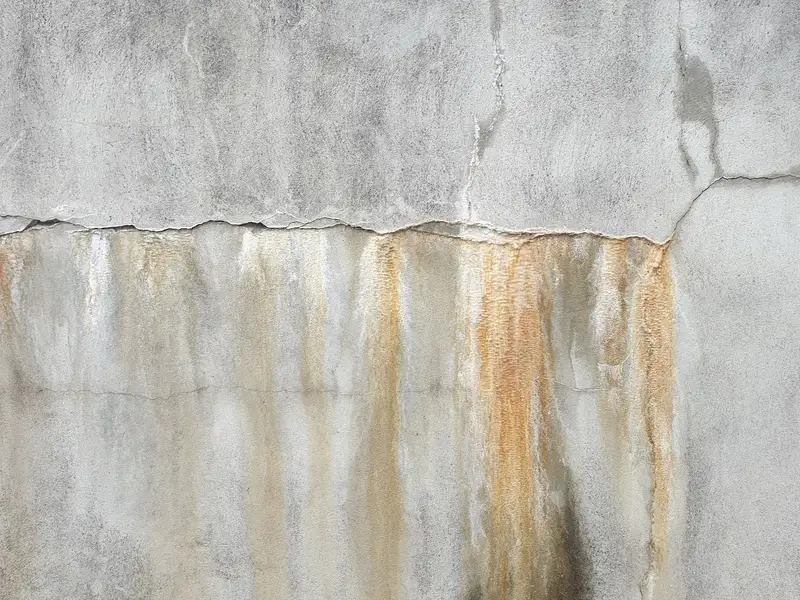
Damp and salt on the outside wall
Float valve check confirms salt and rust resistance, because cheap valves lose flexibility in coastal air.
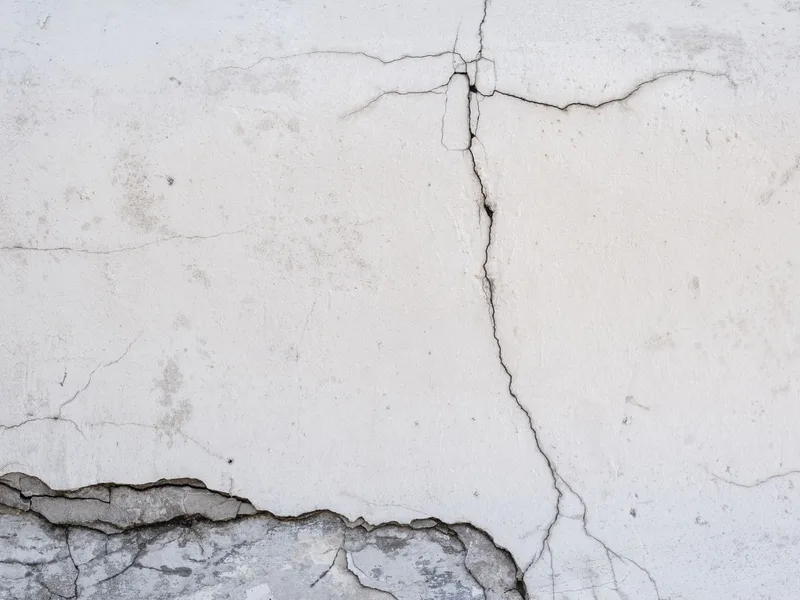
The kind of crack
Outlet and side-pipe check hunts for salt corrosion around the seal, the weakest points in coastal tanks.
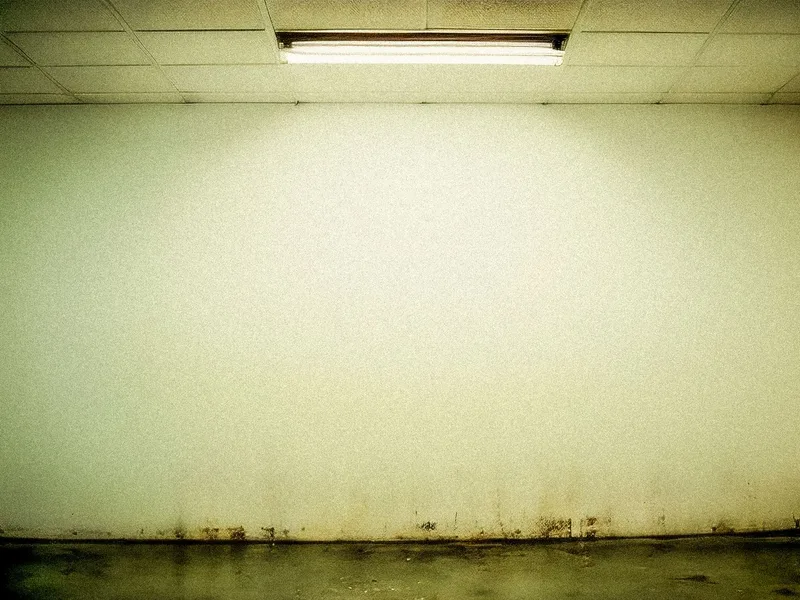
The wall to floor junction
Main inlet check detects rust and corrosion around the fitting, from salt and humidity concentration.
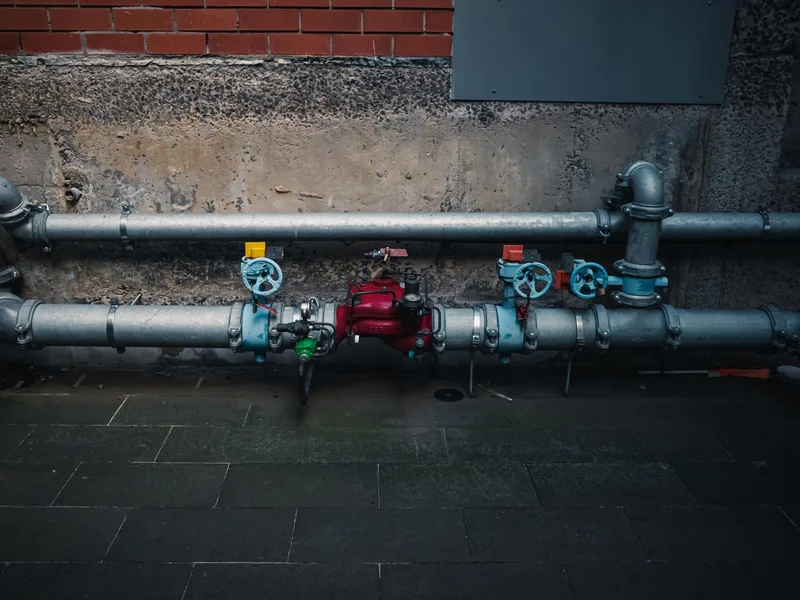
Pipe entries
External tank body check looks for soft rust patches and surface cracks starting to show from slow salt corrosion.
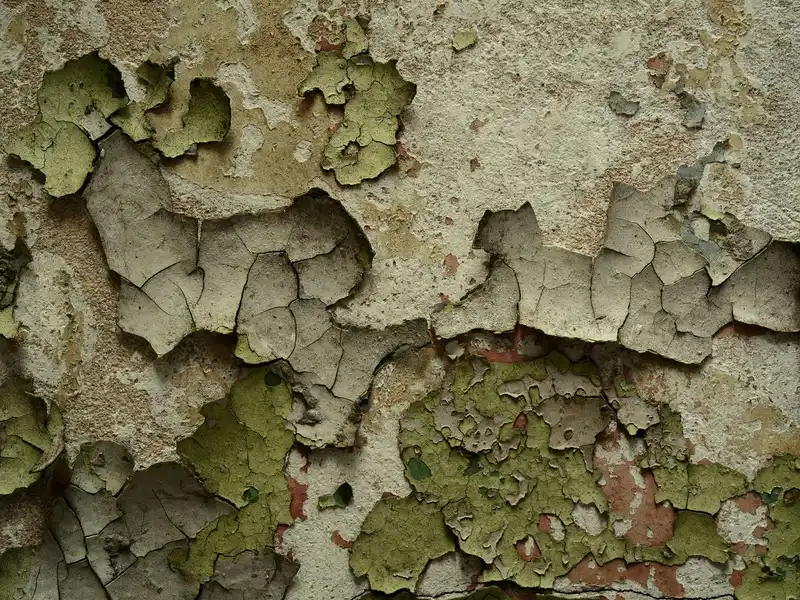
The condition of the old lining
Internal base and corner check reveals salt deposits and internal rust, especially where water collects.
What the tank is made of
Protective coating check after repair confirms full coverage of exposed surfaces and adequate layer for years of protection.
How we work
-
1
Inspect and locate the leak
We close the float valve and the outlet, mark the water level and watch it fall, then check the fittings and the wall beside it. That separates a tank leak from a pipe leak or a float valve that never shuts.
-
2
Drain, clean and dry
We empty the tank, lift the sediment off the base, wash back to sound concrete and let the surface dry. No repair holds on a damp or dusty face.
-
3
Repair the cracks and the entries
We cut the crack open, fill it with a non-shrink mortar, inject anything still weeping and rebuild around the pipe sleeve. A joint that moves takes a flexible detail, not a rigid one.
-
4
Refill, test, then sterilise
We refill, read the level again to confirm the drop has stopped, then sterilise before the water is used, because the tank has been open with tools and hands inside it.
What tank leak repair includes
-

A marked level test
A reading before and after with everything shut, which establishes that the loss is the tank and not the plumbing.
-

Draining and sediment removal
Water and silt out of the base, so the floor and the walls can be seen as they really are.
-

Pressure wash and dry back
The weak layer and the dust come off, because a repair only holds on sound concrete.
-

Cracks opened and filled
The crack is cut open and filled with a non-shrink mortar, and anything still weeping under water pressure is injected.
-

Refill and a recorded test
We refill, read the level again and write the reading down, so the result is not a matter of opinion.
-

Sterilised and back in service
A wash and a sterilisation once the material has cured, and guidance on running the first fill off before the water is used.
What is different about Dhahban Sub-Municipality
Dhahban sub municipality is the northern coastal strip of Jeddah, running from the north bank of Sharm Obhur up to the old village of Dhahban and Salman Bay. Its districts are recently built, with owner occupied villas and apartments, beach resorts and chalets on the shore, and land subdivisions still being developed. Nearness to the sea keeps humidity high all year, irrigated lawns in villas, resorts and district parks hold water, Wadi Obhur and the vacant plots between buildings give rodents and reptiles shelter, and the old fishing village of Dhahban gives the far north a rural edge.
Questions about this district
Does sea salt cause coastal tank leaks?
Yes. Salt penetrates tanks and causes internal rust and corrosion. Cracks start small and grow with each freeze-thaw cycle.
Does protective coating stop an existing leak?
Coating reduces future corrosion but does not stop a current leak. The underlying crack or seal must be repaired first, then protective coating applied.
Why do new tanks in Al Zumurrud leak quickly?
Salt and humidity weaken tanks faster than in inland areas. Even new tanks show corrosion signs within a year or two.
Is water loss from coastal evaporation normal?
Some evaporation occurs, but rapid loss points to a real leak. If water drops 5 centimetres per week, there is a problem.
Should we use plastic tanks instead of metal ones here?
Plastic tanks resist salt better, but also need maintenance. Metal tanks must have strong coastal-grade coating.
How often should chalet tanks be inspected?
At least every 3 months. Salt and humidity act fast, and early inspection catches problems before they become severe.
How much does tank leak repair in Al Zumurrud cost?
It is set after the inspection, because the price follows the type of infestation, the size of the space, how far it has spread and the number of visits it needs. Send a photo and a description on WhatsApp and we will give you an estimate before we reach Al Zumurrud.
Other services in Al Zumurrud
Other services we provide to residents of Al Zumurrud.
-
 Water tanks
Water tank cleaning
-
 Water tanks
Water tank sterilization
-
 Water tanks
Water tank sealing
-
 Residential
Cockroach control
Need tank leak repair in Al Zumurrud? Tell us what you saw and we will tell you what it needs
We reach Al Zumurrud at a time we agree, and you get the full cost before we start.