
Tank leak repair in Kawthar Makkah
Kawthar is a mixed quarter containing both villas and apartment blocks along Al Qadisiyah Road. Tanks here serve different building types, from traditional villas to modern flats. Leaks are common because some buildings are old and others new, and pipes run long distances connecting neighbouring areas.
-
Potable-rated materials
Linings and disinfectants cleared for drinking water tanks, not general-purpose products.
-
You get the downtime first
How many hours the tank is out of service, told before we start rather than after we finish.
-
A first-draw flush
We run the first draw off after refilling, and the tank is not handed back until the water runs clear.
-
Ground and roof tanks
Villas, apartment blocks and premises that need a written record of each visit.
Why the job is different in Kawthar
Buildings here range from old to new, and tanks vary between deep underground tanks for villas and rooftop tanks for apartment blocks. The method is set out in full on what Tank leak repair involves.
Villas with deep underground tanks
Villas in Kawthar have tanks buried deep underground. The soil here is sandy with high water tables. Moisture and pressure around the tank crack internal walls.
Apartment blocks with rooftop tanks exposed to sun
Apartment buildings have tanks on roofs. Extreme heat causes daily expansion and contraction, cracking the walls at pipe entries and joints.
Pipes run long distances across the district
Tanks connect to distribution pipes serving the villas and blocks. Old pipes and corroded joints leak continuously.
The character of Kawthar
Mixed district: shops at street level with homes above them
Kawthar is mixed quarter so we handle underground tanks for villas and rooftop tanks for blocks. Treatment differs by tank type and location: villas need groundwater assessment while blocks need heat and thermal expansion checks on roofs.
Where the water leaves decides how it is repaired
A mixed quarter south east of Al Sharai outside the Haram boundary, between Al Qadisiyah Road and natural channels, with neighbourhood mosques and Scheme Eleven park on the western side.
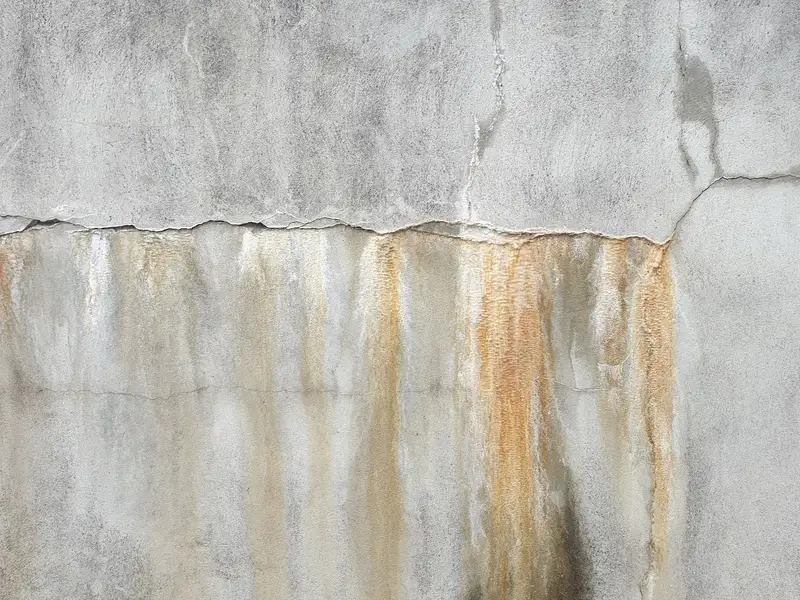
Damp and salt on the outside wall
First we check the stable level of the tank with valves closed. This tells us where the main leak is.
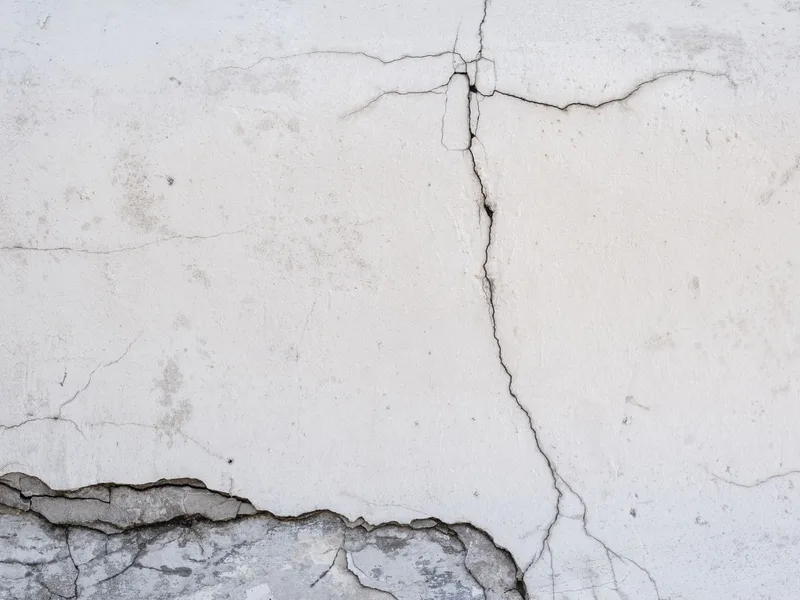
The kind of crack
We inspect joints and pipe entries inside the tank, the outlet and the float, because most leaks start here.
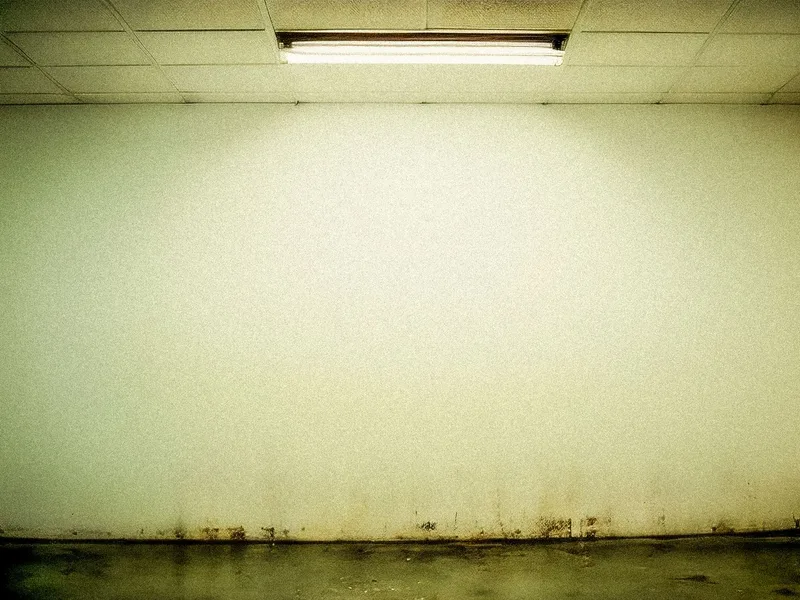
The wall to floor junction
We check the lateral pipe entry point on the tank walls, as pressure concentrates at these spots.
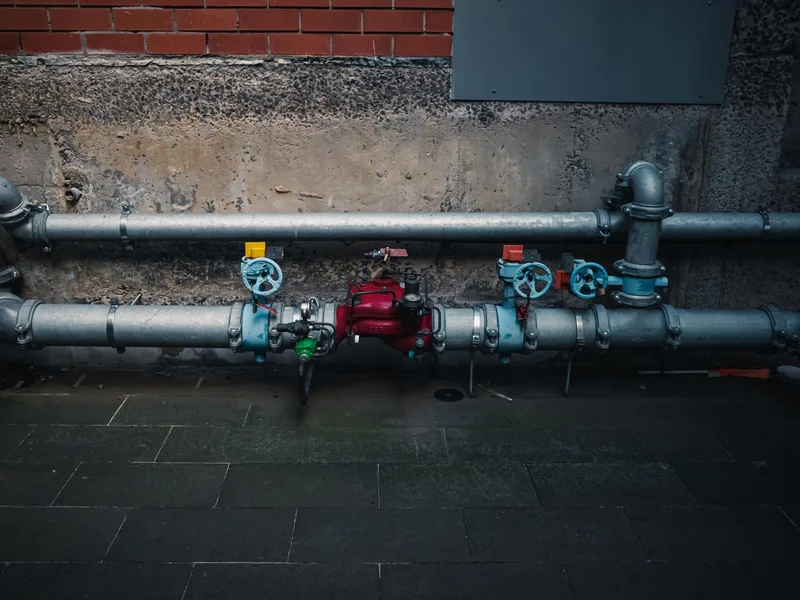
Pipe entries
We inspect the tank floor and walls from inside after drainage, because fine cracks may not show from outside.
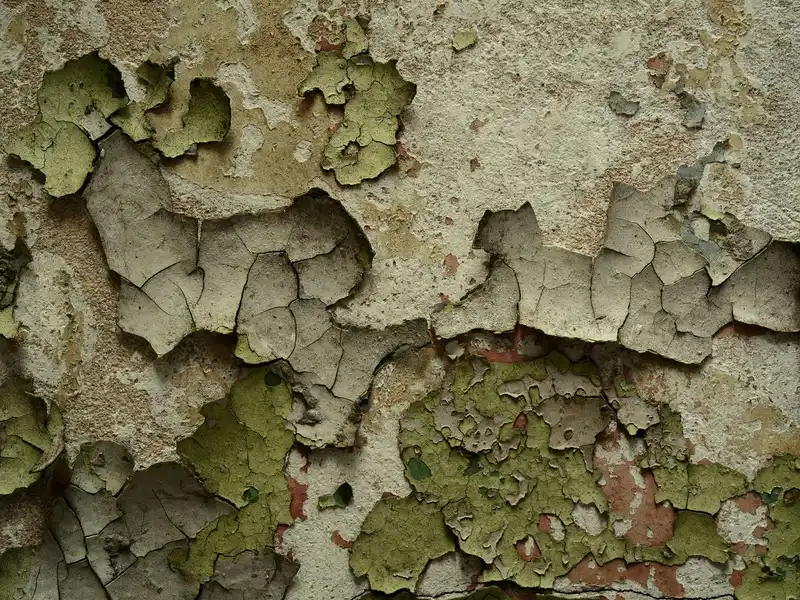
The condition of the old lining
We check the outgoing pipes, connectors, welded joints and flanges that may be broken or corroded.
What the tank is made of
We check groundwater height around underground tanks, because external pressure may be the root cause.
How we work
-
1
Inspect and locate the leak
We close the float valve and the outlet, mark the water level and watch it fall, then check the fittings and the wall beside it. That separates a tank leak from a pipe leak or a float valve that never shuts.
-
2
Drain, clean and dry
We empty the tank, lift the sediment off the base, wash back to sound concrete and let the surface dry. No repair holds on a damp or dusty face.
-
3
Repair the cracks and the entries
We cut the crack open, fill it with a non-shrink mortar, inject anything still weeping and rebuild around the pipe sleeve. A joint that moves takes a flexible detail, not a rigid one.
-
4
Refill, test, then sterilise
We refill, read the level again to confirm the drop has stopped, then sterilise before the water is used, because the tank has been open with tools and hands inside it.
What tank leak repair includes
-

A marked level test
A reading before and after with everything shut, which establishes that the loss is the tank and not the plumbing.
-

Draining and sediment removal
Water and silt out of the base, so the floor and the walls can be seen as they really are.
-

Pressure wash and dry back
The weak layer and the dust come off, because a repair only holds on sound concrete.
-
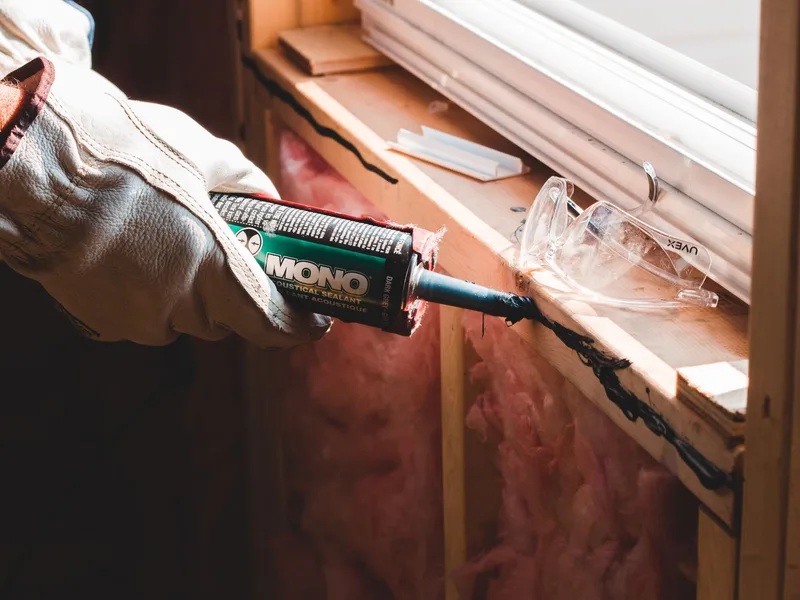
Cracks opened and filled
The crack is cut open and filled with a non-shrink mortar, and anything still weeping under water pressure is injected.
-

Refill and a recorded test
We refill, read the level again and write the reading down, so the result is not a matter of opinion.
-

Sterilised and back in service
A wash and a sterilisation once the material has cured, and guidance on running the first fill off before the water is used.
What is different about Al Sharai Sub-Municipality
Al Sharai is the eastern growth front of Makkah along King Faisal Road and the Taif road. Settled quarters sit beside recently renamed schemes where plots are still vacant and buildings are going up, so construction sites, fill and open excavations lie next to occupied homes. Wadi channels such as Wadi Mudarraja, Wadi Al Sharai and Wadi Al Mughammas carry flash floods after rain and dry out to damp silt, while dust blows off the open hills. Roadside shops, restaurants and warehouses line the Taif road, and to the east the area shades into villages, palm farms and springs.
Questions about this district
How do we tell if a leak is in the tank body or in the pipes?
We close the float valve and outlet and watch the level. If it keeps falling, the leak is in the tank body. If it stops, the leak is in the outgoing pipes.
Do underground tanks leak more than rooftop ones in Kawthar?
Yes. Underground tanks face soil pressure and groundwater. Cracks start from lateral pressure and continuous moisture.
Does each flat need its own tank?
No, usually the main rooftop tank serves the whole building. Some flats have small additional tanks.
Does leakage get worse in summer in Kawthar?
Yes. Heat expansion of metal and concrete tanks increases joint cracks and floor seams during summer.
Is internal lining enough to stop a leak?
No. Lining goes on after we repair the cracks. If we skip the repair, lining will fail under pressure and movement.
Do new tanks in Kawthar never leak?
New tanks are less prone to leaks. But if installation is poor or joints are weak, leaks can occur from day one.
How much does tank leak repair in Kawthar cost?
It is set after the inspection, because the price follows the type of infestation, the size of the space, how far it has spread and the number of visits it needs. Send a photo and a description on WhatsApp and we will give you an estimate before we reach Kawthar.
Other services in Kawthar
Other services we provide to residents of Kawthar.
-
 Water tanks
Water tank cleaning
-
 Water tanks
Water tank sterilization
-
 Water tanks
Water tank sealing
-
 Residential
Cockroach control
Need tank leak repair in Kawthar? Tell us what you saw and we will tell you what it needs
We reach Kawthar at a time we agree, and you get the full cost before we start.