
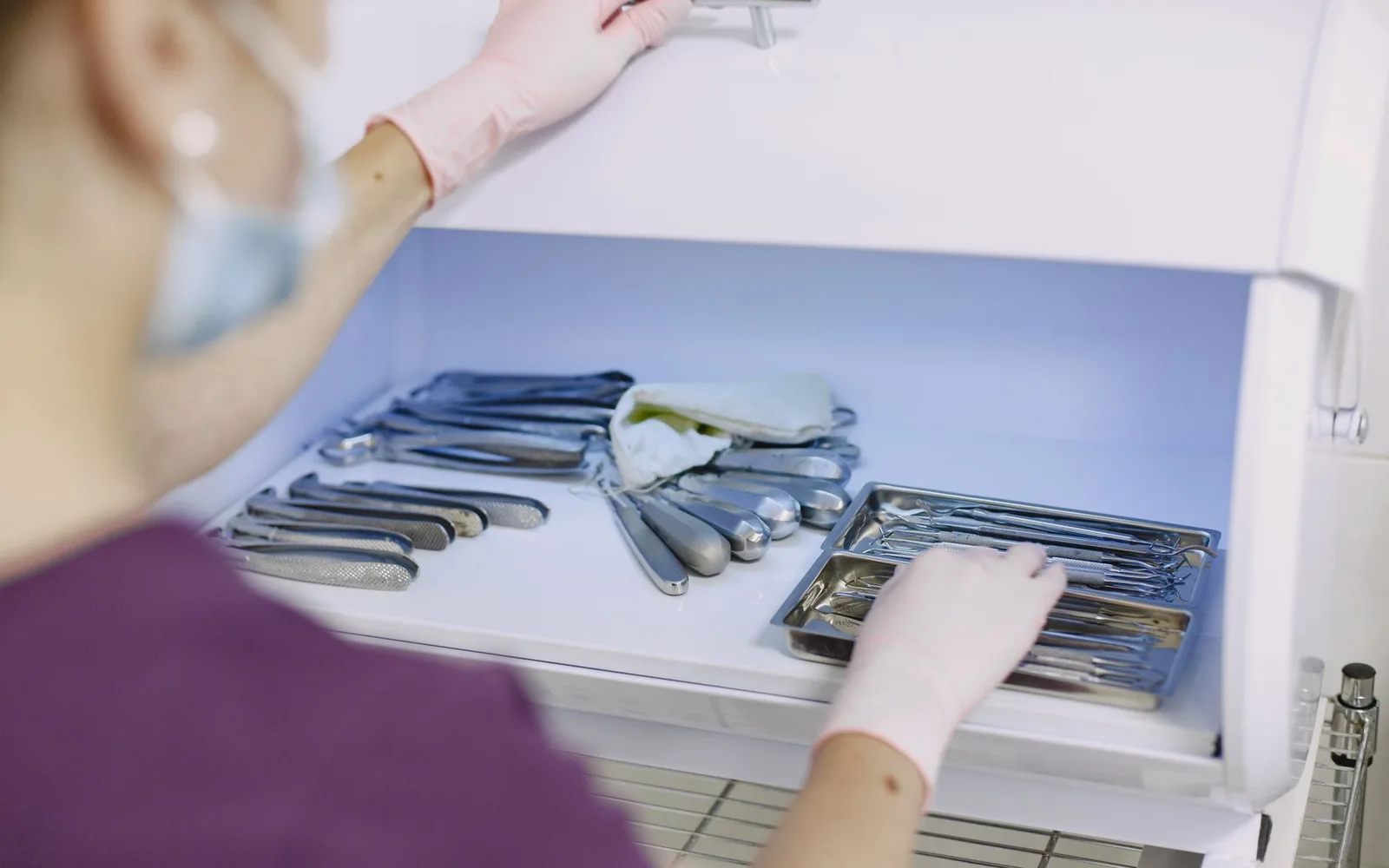
Water tank sterilization in Kawthar Makkah
Kawthar is a mixed quarter south-east of Al Sharai, with villas and buildings along Al Qadisiyah Road and local mosques. The quarter sits on the edge of Wadi Mudarraja, which flows during the rainy season, and high moisture and salts carried by the wadi affect groundwater quality. Tanks here need regular sterilization because moisture seepage from the wadi may contaminate underground tanks.
-
Potable-rated materials
Linings and disinfectants cleared for drinking water tanks, not general-purpose products.
-
You get the downtime first
How many hours the tank is out of service, told before we start rather than after we finish.
-
A first-draw flush
We run the first draw off after refilling, and the tank is not handed back until the water runs clear.
-
Ground and roof tanks
Villas, apartment blocks and premises that need a written record of each visit.
Why the job is different in Kawthar
The quarter lies directly beside Wadi Mudarraja, and groundwater here carries excess salts and particulates during winter flood periods. The method is set out in full on our Water tank sterilization service.
Underground tanks and seepage from the wadi
Some villas and buildings have underground tanks close to Wadi Mudarraja. Moisture seepage and saline groundwater may enter the tank through cracks or wall penetrations. Regular sterilization prevents algae and microbes that thrive on excess salts.
Salts and sediment from groundwater
Groundwater in Kawthar contains high concentrations of salts and heavy minerals from ancient soil layers. Tanks accumulate white sediment from calcium and magnesium rapidly.
High moisture and seasonal mould
During winter and spring, moisture rises from Wadi Mudarraja and groundwater levels. Black mould may grow on rooftop tank walls if exposed to seasonal moisture.
The character of Kawthar
Mixed district: shops at street level with homes above them
Kawthar is mixed but sits on the edge of Wadi Mudarraja, so tanks here face high moisture and saline groundwater exposure. Treatment focuses on heavy removal of salts and mineral sediment, and protecting underground tanks from seepage and contamination.
What we read inside the tank before anything starts
A mixed quarter south-east of Al Sharai and outside the Haram boundary, with villas and apartments along Al Qadisiyah Road, neighbourhood mosques including Mansour Faqih, Al Khair and Al Walidayn, the scheme eleven park on its western side and the channel of Wadi Mudarraja along its eastern edge towards Al Mughammas.
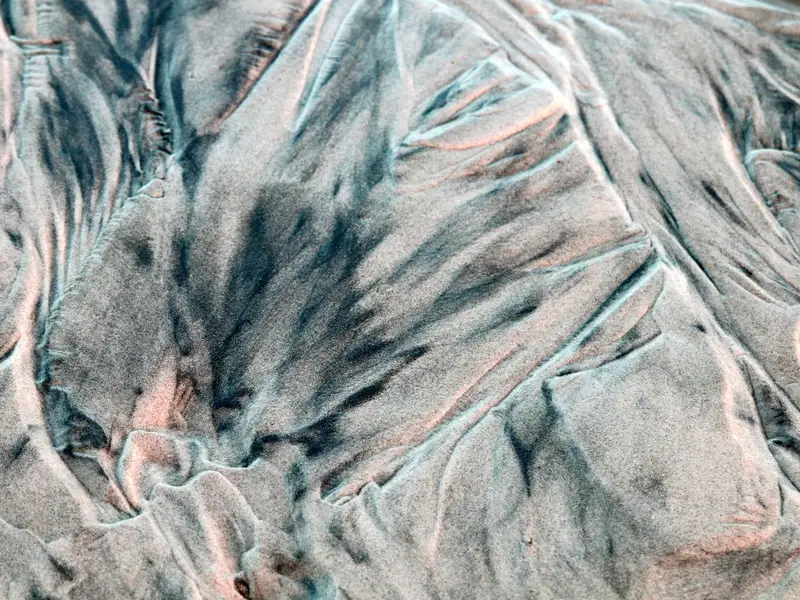
Sediment on the floor
White sediment from calcium and magnesium accumulates rapidly on the floor and walls of tanks due to excess salts in groundwater.
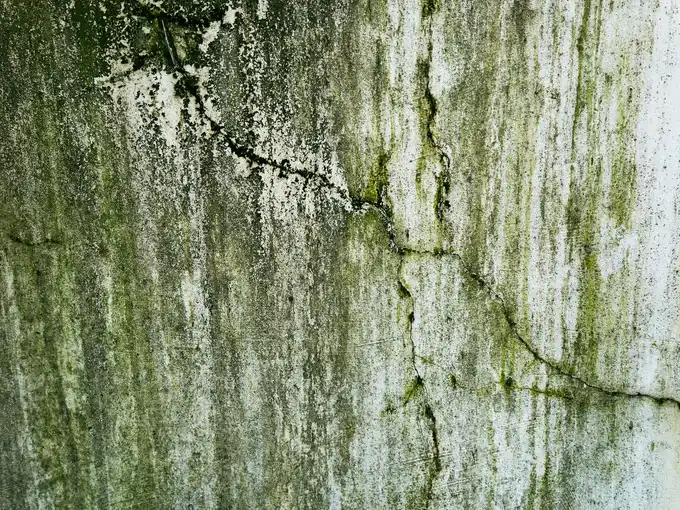
The slime film on the wall
Black mould grows on rooftop tank walls during seasonal high-moisture periods in villas.
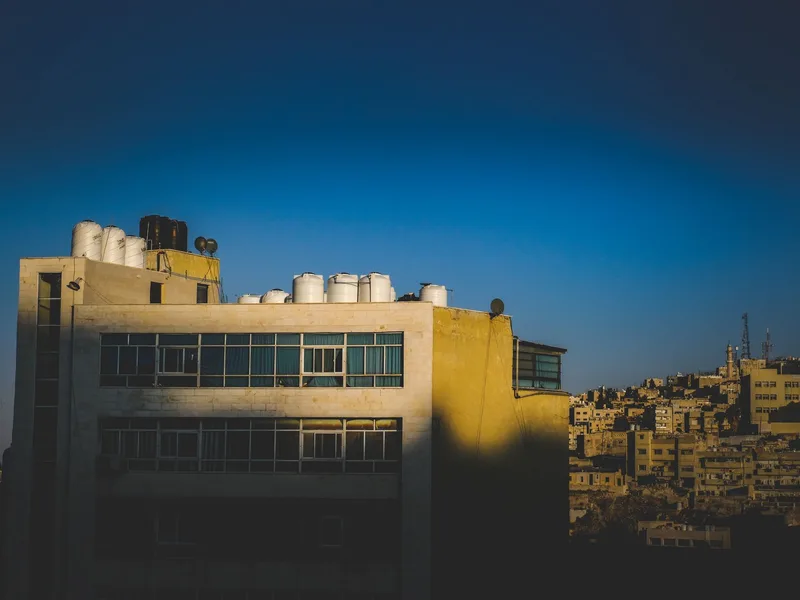
Light and heat
Pipeline branches from wells carry high salt loads, and sterilization must clean pipes of these deposits.
The lining and any cracking
Moisture and potential seepage from Wadi Mudarraja speed growth of moisture-loving microbes and algae.
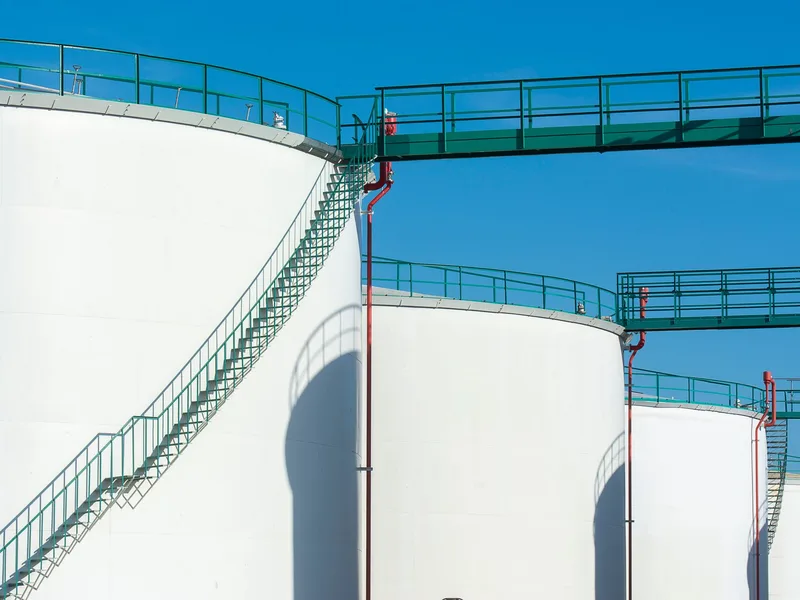
The lid and the openings
Underground tanks are vulnerable to seepage through walls or floor from surrounding wet soil.

What shows up at the tap
Distant pipe branches may carry heavy salt deposits, and final flushing must clear all sediment from the furthest outlet.
How we work
-
1
Inspect and record the condition
We open the hatch and work through what the tank is made of and how big it is, how deep the sediment lies, the state of the lining, whether the lid and the overflow seal, and whether there is a crack that has to be repaired before any sterilizing.
-
2
Drain and lift the sediment out
The water goes out, then the silt and sand are lifted off the floor by suction rather than pushed toward the outlet, because pushing them sends them into the house pipework and the heater.
-
3
High pressure wash
Walls, floor, corners and the area around the outlet, until the slime film is completely gone. This is the step that makes the sterilizing after it mean anything.
-
4
Sterilize, rinse, then return to service
The sterilizing agent goes onto the walls, the floor and the underside of the lid and is left for its contact time, then we rinse, refill and run the furthest tap until the whole line is clear.
What water tank sterilization includes
-

A recorded inspection
Material, capacity, sediment depth, the state of the lining, the lid and the overflow, all before any work begins.
-

Draining and sediment removal
The water out, and the silt and sand lifted off the floor instead of being pushed into the outlet and the house pipework.
-

High pressure washing
Walls, corners and around the outlet, until the biofilm that no disinfectant penetrates has gone.
-
Sterilizing the internal surfaces
A sterilizing agent meant for drinking water tanks, applied to the walls, the floor and the underside of the lid, and left for its contact time.
-

Line flush and aftercare
Rinse, refill and a flush from the furthest tap, when the water is usable again, and what to change in the filter afterwards.
-

The next cycle
We agree the right interval for your tank from how it is filled, how much sun it takes and the condition of the lid.
What is different about Al Sharai Sub-Municipality
Al Sharai is the eastern growth front of Makkah along King Faisal Road and the Taif road. Settled quarters sit beside recently renamed schemes where plots are still vacant and buildings are going up, so construction sites, fill and open excavations lie next to occupied homes. Wadi channels such as Wadi Mudarraja, Wadi Al Sharai and Wadi Al Mughammas carry flash floods after rain and dry out to damp silt, while dust blows off the open hills. Roadside shops, restaurants and warehouses line the Taif road, and to the east the area shades into villages, palm farms and springs.
Questions about this district
Does Wadi Mudarraja contaminate tanks in Kawthar directly?
Not directly, but high moisture and saline groundwater may enter underground tanks through cracks. Regular sterilization protects the tank from contamination.
Why does water in Kawthar contain more salt than other areas?
The quarter lies over ancient soil layers rich in salts, and groundwater dissolves these salts. Tanks concentrate these salts over time.
Are white deposits in the tank harmful?
Calcium and magnesium deposits are not toxic, but reduce water quality and may clog pipes. Sterilization and cleaning remove them.
How many times per year should a tank in Kawthar be sterilized?
At least twice yearly: once before winter and once after. If the tank is underground or near the wadi, increase to three times.
Do underground tanks need different treatment than rooftop tanks?
Yes, underground tanks are prone to seepage and moisture, so high-pressure washing is less used and chemical sterilization is emphasized more.
What do we do if groundwater seeps into the tank?
We drain the tank completely, clean walls and floor carefully, then test new water before final sterilization.
How much does water tank sterilization in Kawthar cost?
It is set after the inspection, because the price follows the type of infestation, the size of the space, how far it has spread and the number of visits it needs. Send a photo and a description on WhatsApp and we will give you an estimate before we reach Kawthar.
Other services in Kawthar
Other services we provide to residents of Kawthar.
-
 Water tanks
Water tank cleaning
-
 Water tanks
Water tank sealing
-
 Water tanks
Tank leak repair
-
 Residential
Cockroach control
Need water tank sterilization in Kawthar? Tell us what you saw and we will tell you what it needs
We reach Kawthar at a time we agree, and you get the full cost before we start.