
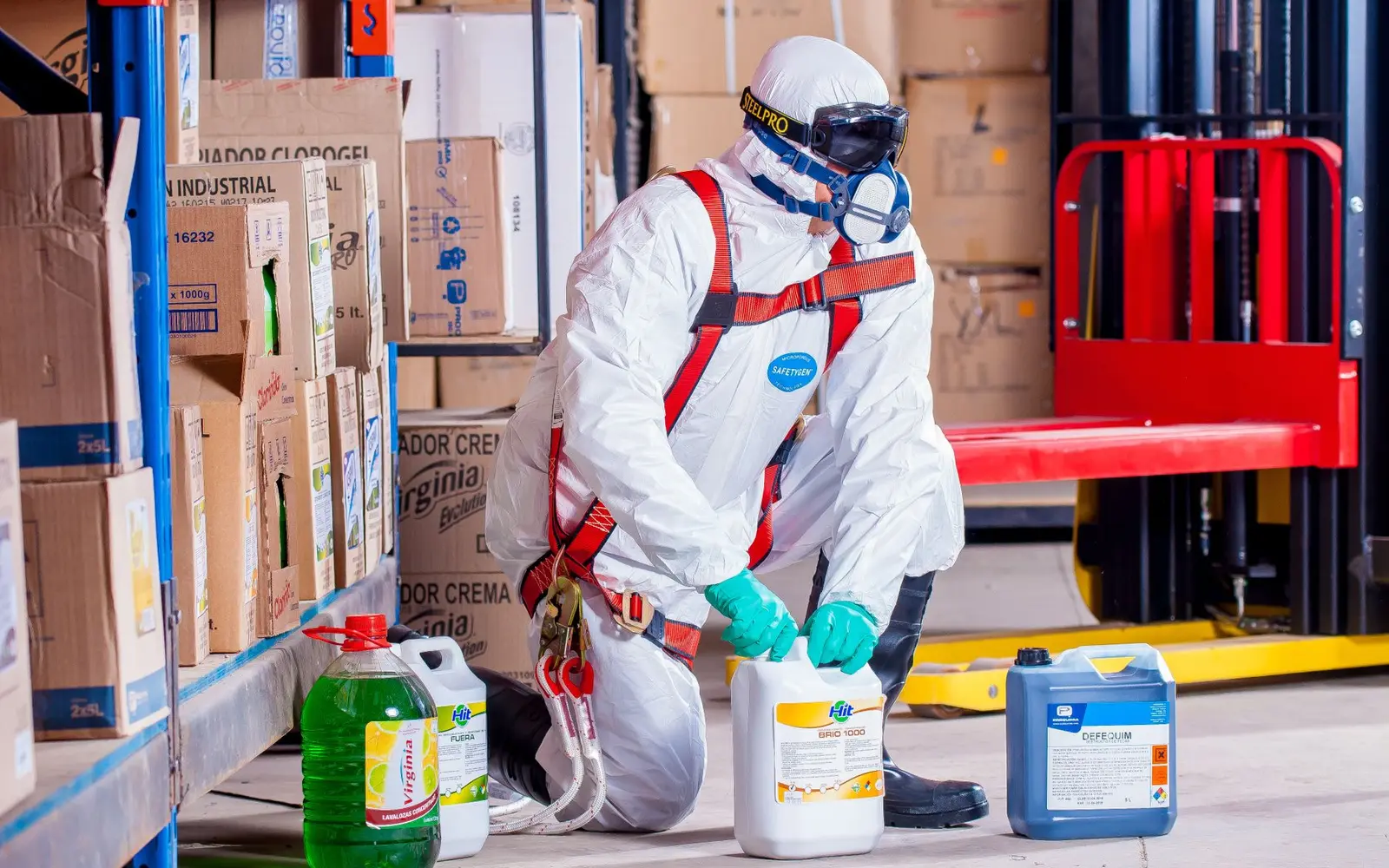
Warehouses and factories in Jabal Al Noor Makkah
Jabal Al Noor draws pilgrims and visitors throughout the year, and residential blocks and shops wrap its foot. Warehouses in this area face intense seasonal pressure during Hajj and Umrah seasons, and receive infestations carried in luggage and goods by visiting pilgrims.
-
Targeted, not broadcast
Product goes into cracks and runways, never sprayed across open surfaces.
-
Told before we start
What we will use, where it goes, and what to cover or move before we arrive.
-
A follow-up visit
We return after the first treatment, because what survives it does not show on the day.
-
Homes and businesses
Apartments and villas, and kitchens and stores that need a record of each visit.
Why they keep coming back in Jabal Al Noor
Pest pressure varies sharply by season: very high during Hajj and Umrah, relatively low in quieter months. Visiting pilgrims carry insects in their baggage and clothing. The method is set out in full on our Warehouses and factories service.
Seasonal pressure from Hajj and Umrah arrivals
During Hajj and Umrah seasons, thousands climb the mountain daily. Hotels and pilgrim housing receive constant visitor turnover, and their luggage may carry insects from distant homes. The warehouse faces exceptional seasonal pressure during these months.
Hotels and temporary pilgrim housing around the mountain
Hotels and pilgrim housing around Jabal Al Noor have very high guest turnover. Rapid turnovers and short-term rental arrangements mean varying standards of cleanliness and hygiene. Infestation moves readily from hotel to adjacent warehouse.
Old construction and dense building at the mountain base
Older residential blocks and hotels were built quickly to accommodate large numbers. Pipes and foundations are intermingled, and warehouses embedded between hotel and residential units face varying seasonal pressure and complex monitoring challenges.
Jabal Al Noor on the map
Jabal Al Noor sits about 3.5 km from Al Maabdah and about 3.5 km from Rai Adhakhir.
Open in Google MapsWhat the first walk through the building reads
Very high residential and visitor density around the mountain, with hotels and pilgrim housing and older apartment blocks pressed directly against the mountain slope.

The shutter line
The goods-in door may sit near the hotel entrance or pilgrim housing entry, where constant guest and staff movement creates persistent pressure on the threshold.

What comes in on the pallet
Incoming stock may include pilgrim luggage or tourist goods, some of which may be infested. Thorough inspection and isolation of suspect shipments is essential.
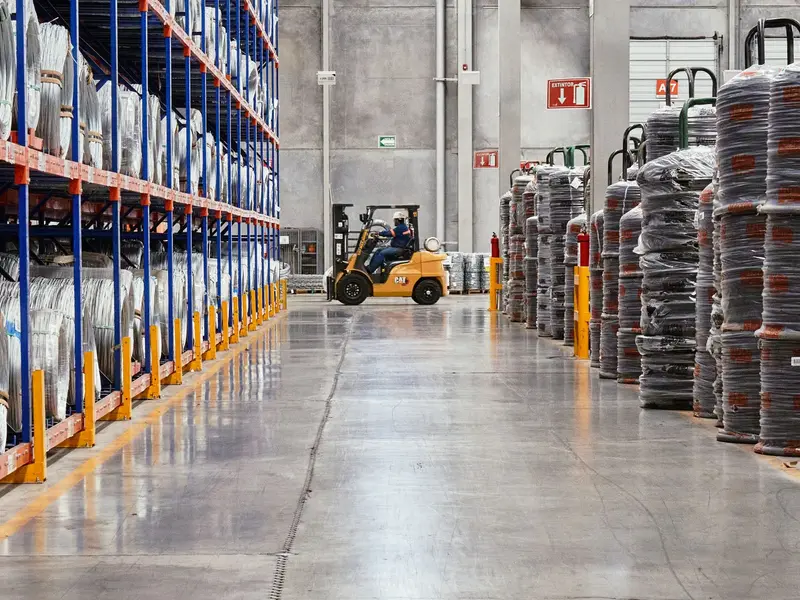
The strip along the wall
Warehouse walls are shared with the hotel or housing unit, and pipes provide direct cockroach and rodent routes between buildings.
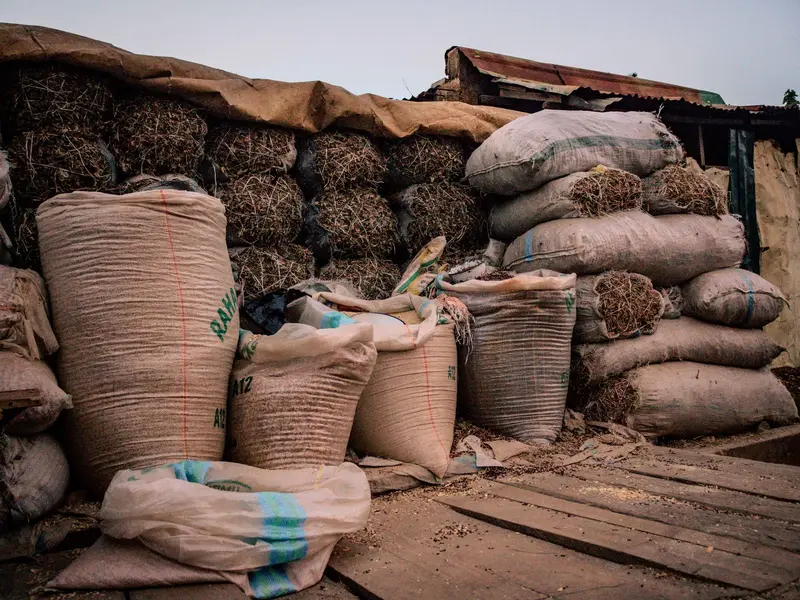
Spillage under the racking
The floor stays damp because the site sits at the mountain base where flash floods run, and high humidity provides ideal conditions for cockroach breeding.
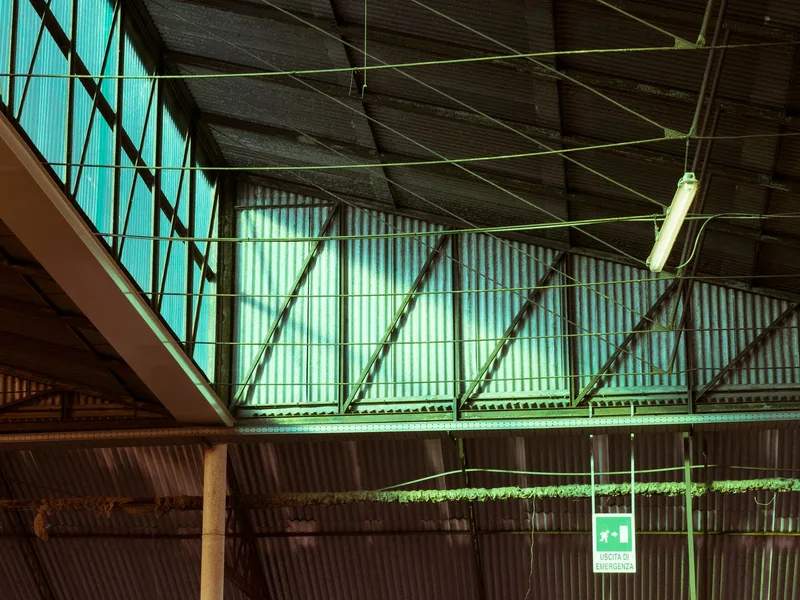
The roof and the openings above
The roof and upper gaps allow insects to move from hotel to warehouse, and ventilation and air conditioning ducts provide easy entry routes.
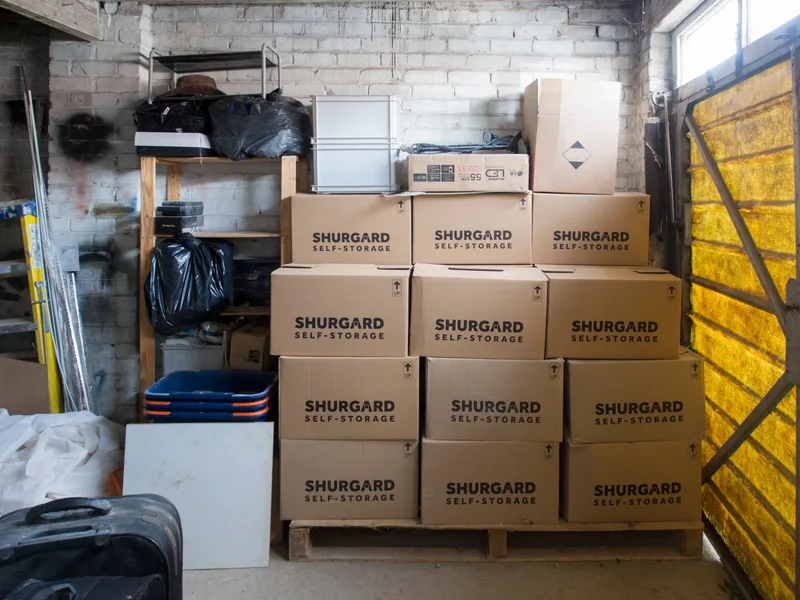
Stock that does not move
Stock stored long-term can become pest refuge, especially during quiet season months when handling is less frequent and inspection may become sporadic.
How we work
-
1
Survey the building and locate the source
We walk from the goods-in door through the racking, the production areas and the outside wall line, and establish whether the pressure is stored product pests inside the goods, rodents from the perimeter or flying insects from waste and doorways, because each of those is a different programme.
-
2
Pheromone traps and numbered points
Species-specific pheromone traps through the storage areas, and monitoring points on the external ring and along the internal walls, numbered on the racking plan. A trap treats nothing, it tells us which aisle the numbers are climbing in.
-
3
Targeted treatment and isolating the consignment
Spillage is lifted first, then empty racking, wall and floor junctions and voids are treated, and nothing is placed over open stock or a running line. A consignment showing activity is isolated where it stands rather than carried through the building.
-
4
Sealing, then the scheduled visits
We close door gaps, openings and pipe entries, then come back on an agreed schedule: the same traps and points are read each time, and a report goes over what was found, what was treated and what the building still needs closed.
What warehouse pest control includes
-

Site survey and racking plan
A walk from the goods-in door to the last aisle, and a plan with every monitoring position numbered before anything is installed.
-

Pheromone traps and numbered points
Species-specific traps through the storage areas and points along the perimeter line, read and logged on every visit.
-

Targeted treatment of racking and junctions
On empty racking, wall and floor junctions and voids, never over open stock or a running line.
-

Drains, waste and the perimeter
Floor gullies, the container area and the outside wall line, because that is the source which renews itself.
-

Proofing and building findings
Shutter gaps, brush seals and mesh over openings, with a list of what the site needs to repair.
-

Scheduled visits and a report each time
Agreed dates set by the pressure on the site, the same traps read again, and a report that records every visit.
What is different about Al Maabdah Sub-Municipality
Al Maabdah sub municipality climbs from Al Abtah and Al Jumayzah beside the Al Mualla cemetery up through Al Khansa and Rai Adhakhir to Al Adl, Jabal Al Nour, Wadi Jaleel and Qurtubah on the outer ring roads. It mixes hotels and pilgrim housing near the Grand Mosque with old popular houses on hillside passes, new housing schemes on valley floors that carry flash floods after rain, and industrial plots, workshops and warehouses along Al Hajj Street in Qurtubah. Street widening and expropriation leave partly demolished frontages in Al Khansa.
Questions about this district
The adjacent hotel has activity. Do we treat the warehouse alone or arrange joint treatment?
Shared pipes and gaps between buildings allow infestation transfer easily. Joint treatment is better, but if not possible, we focus on warehouse isolation with dense traps and daily inspection of the shared wall and entry points.
During Hajj, thousands enter the mountain daily. Will the warehouse definitely become infested?
Pressure rises substantially, but not every visitor carries insects. Intensive warehouse monitoring and key entry point surveillance matter more than preventive treatment before the season starts.
Fast-built pilgrim housing beside the warehouse may not follow high cleanliness standards. What now?
We establish a baseline hygiene agreement with housing management and coordinate scheduled cleaning. We focus monitoring traps on the housing perimeter and boundary with the warehouse.
Pilgrim luggage may carry insects from homes far away. How do we protect the warehouse from this?
Not every bag can be inspected, but we place dense monitoring traps around luggage storage rooms and hotel zones with daily reads during peak seasons.
How often are traps read during Hajj compared to off-season months?
Daily or every two days during Hajj and Umrah. Weekly reads during quiet months. Frequency increases gradually in the two weeks before Hajj season begins.
Infestation we find in the warehouse: is it from the hotel, or the market, or visitors carrying it?
Possibly all three. Shared pipes carry infestation from the hotel, adjacent markets add commercial food pressure, and visitors bring insects in luggage. Complete isolation is not possible; traps and reading are the only defence.
How much does warehouses and factories in Jabal Al Noor cost?
It is set after the inspection, because the price follows the type of infestation, the size of the space, how far it has spread and the number of visits it needs. Send a photo and a description on WhatsApp and we will give you an estimate before we reach Jabal Al Noor.
Nearby districts we cover
Other services in Jabal Al Noor
Other services we provide to residents of Jabal Al Noor.
-
 Residential
Cockroach control
Residential
Cockroach control
-
 Residential
Bed bug control
Residential
Bed bug control
-
 Residential
Termite control
Residential
Termite control
-
 Residential
Rodents and mice
Residential
Rodents and mice
-
 Residential
Mosquito control
Residential
Mosquito control
-
 Residential
Fly control
Residential
Fly control
-
 Residential
Ant control
Residential
Ant control
-
 Residential
Gecko control
Residential
Gecko control
-
 Residential
Scorpion control
Residential
Scorpion control
-
 Residential
Snake control
Residential
Snake control
-
 Residential
Flea control
Residential
Flea control
-
 Residential
Bird and pigeon control
Residential
Bird and pigeon control
-
 Residential
Preventive treatment
Residential
Preventive treatment
-
 Residential
Disinfection
Residential
Disinfection
-
 Commercial
Annual contracts
Commercial
Annual contracts
-
 Commercial
Restaurants and cafes
Commercial
Restaurants and cafes
-
 Commercial
Hotels and apartments
Commercial
Hotels and apartments
-
 Commercial
Schools and nurseries
Commercial
Schools and nurseries
-
 Commercial
Retail and malls
Commercial
Retail and malls
-
 Commercial
Rest houses and farms
Commercial
Rest houses and farms
-
 Commercial
Fumigation
Commercial
Fumigation
-
 Water tanks
Water tank cleaning
Water tanks
Water tank cleaning
-
 Water tanks
Water tank sterilization
Water tanks
Water tank sterilization
-
 Water tanks
Water tank sealing
Water tanks
Water tank sealing
-
 Water tanks
Tank leak repair
Water tanks
Tank leak repair
Need warehouses and factories in Jabal Al Noor? Tell us what you saw and we will tell you what it needs
We reach Jabal Al Noor at a time we agree, and you get the full cost before we start.