
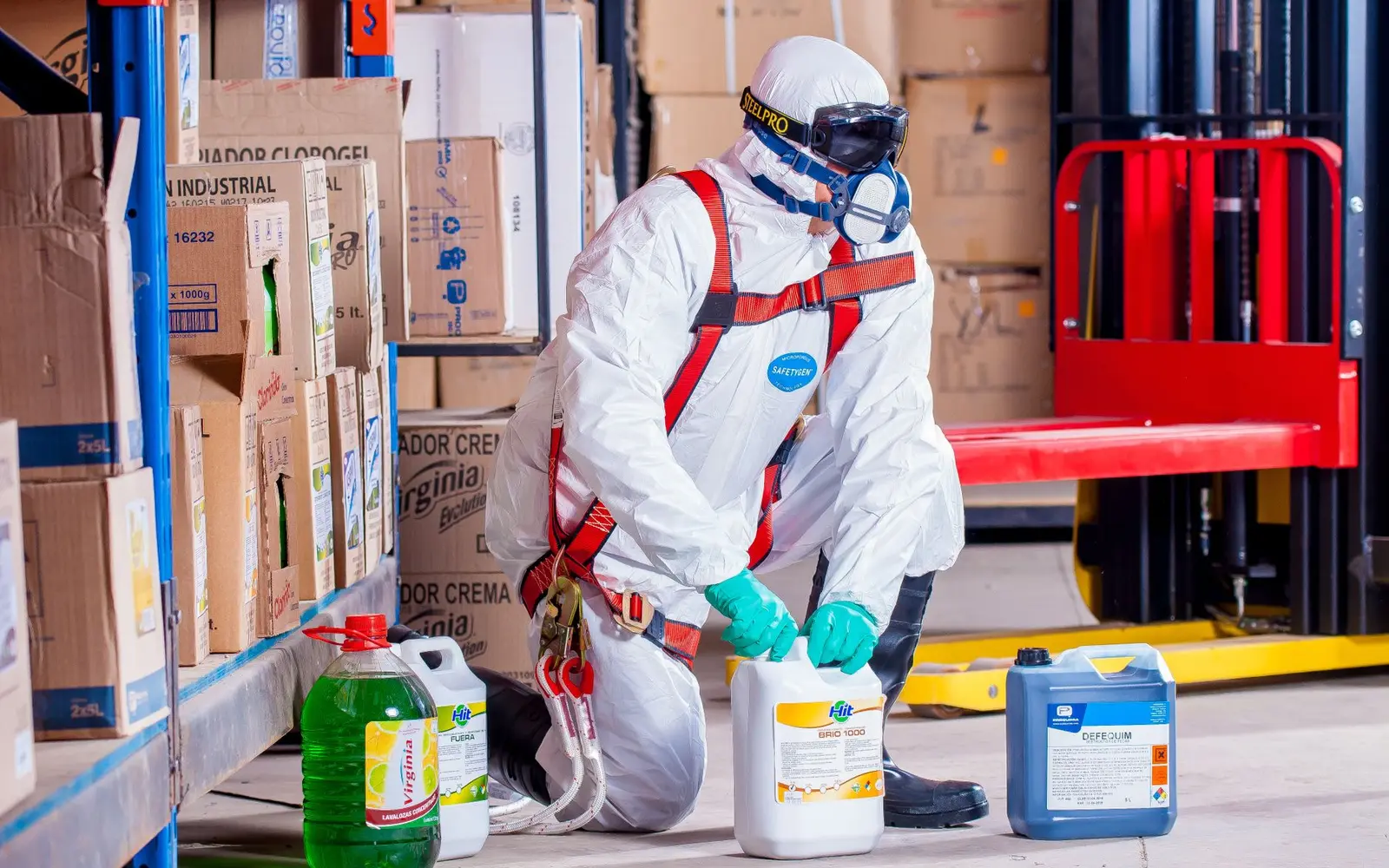
Warehouses and factories in Rai Adhakhir Makkah
Rai Adhakhir is a hillside district on mountain slopes north-east of the Grand Mosque, where apartment blocks and modest hotels for seasonal visitors climb steeply along Al Ijabah Street. Warehouses here handle goods arriving from ports and sit on uneven terrain where moisture collects in low points. We map where water naturally gathers and where insects shelter in damp corners.
-
Targeted, not broadcast
Product goes into cracks and runways, never sprayed across open surfaces.
-
Told before we start
What we will use, where it goes, and what to cover or move before we arrive.
-
A follow-up visit
We return after the first treatment, because what survives it does not show on the day.
-
Homes and businesses
Apartments and villas, and kitchens and stores that need a record of each visit.
Why they keep coming back in Rai Adhakhir
Warehouse floors in Rai Adhakhir stay consistently damp because water runs down from higher elevations. Insects and rodents gather in wet corners much faster than in warehouses on level ground. The method is set out in full on Warehouses and factories in detail.
Hillside terrain channels water into warehouse floors
Rai Adhakhir sits on a mountain pass, so water from the street, rainfall and drainage flow downhill and accumulate on warehouse floors. Moisture draws insects and rodents very rapidly, and traps in low-lying warehouses fill faster than those on flat terrain.
Port goods awaken faster in warmer elevated warehouses
Warehouses at higher elevations warm slightly, accelerating insect breeding cycles. Goods that may carry dormant insects from distant ports wake quickly in these conditions. We inspect every consignment carefully and monitor traps continuously because dormant pests activate as soon as goods are disturbed.
Hotels on slopes above send pests downhill into storage
Hotels and flats on Al Ijabah Street sit uphill from the warehouses, and insects and rodents migrate downward seeking food and shelter. Cracks and gaps on the slopes allow pests to enter from above, and gravity pulls water and insects steadily downward.
Rai Adhakhir on the map
Rai Adhakhir sits about 1.5 km from Al Jumayzah and about 2 km from Qurtubah.
Open in Google MapsWhat the first walk through the building reads
Rai Adhakhir is a mountain-slope district where streets climb from lower quarters towards Al Khansa. Water flows downhill from upper roads and rainfall, collecting permanently in warehouse ground levels.
The shutter line
The goods-in door in Rai Adhakhir may sit level with or slightly below street level, so water can flow towards the door when goods handlers arrive with consignments.
What comes in on the pallet
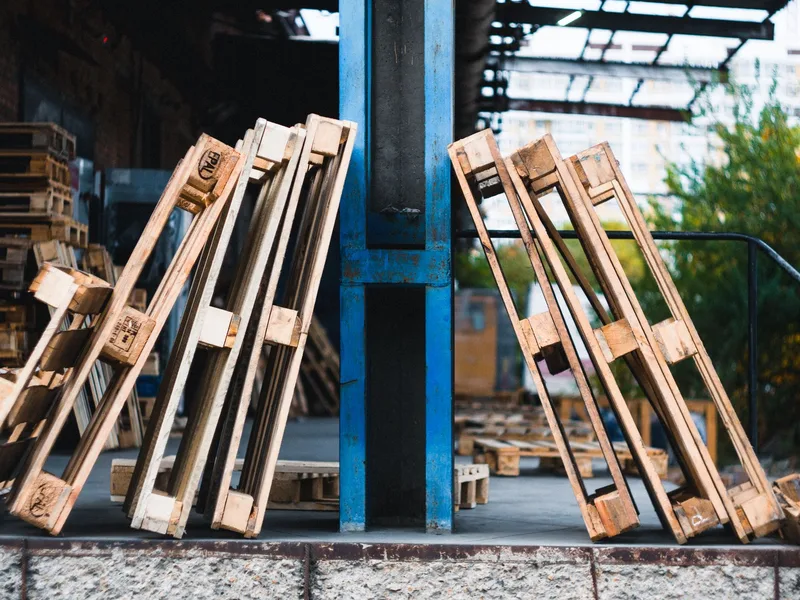
Goods from ports often arrive damp from the long journey or water exposure in transport, and this extra moisture worsens the warehouse humidity.
The strip along the wall
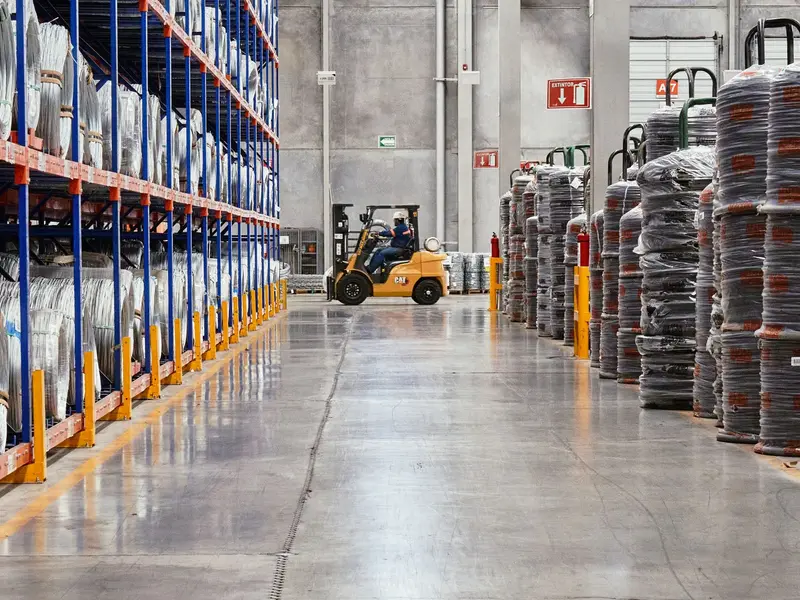
Warehouse walls may stay damp because water seeps down from the upper slopes, and insects gather on wet walls and beneath them constantly.
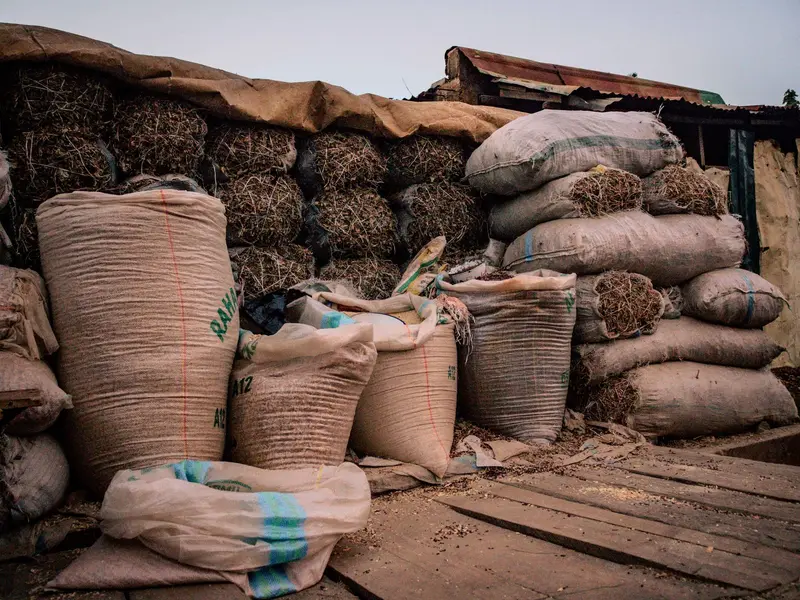
Spillage under the racking
Spillage under the racking in Rai Adhakhir is always damp, and water rarely dries from the floor. Insects and rodents congregate there because of the moisture.
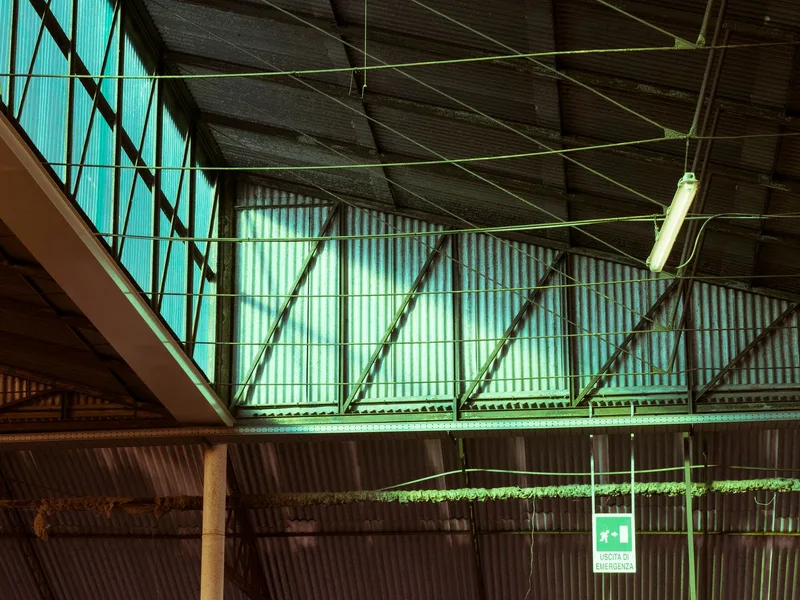
The roof and the openings above
The roof has old gaps and the hotel sits above the warehouse, so water can drip through and shared drainage channels bring moisture and insects steadily downward.
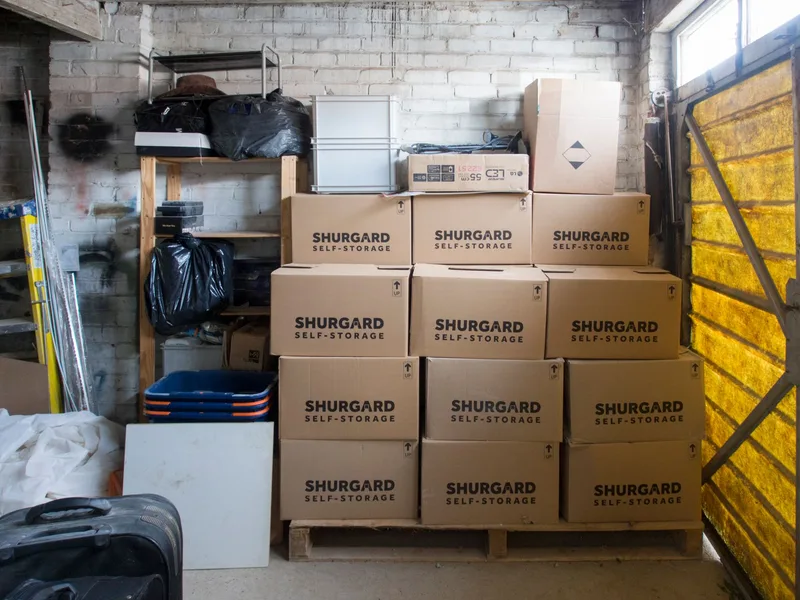
Stock that does not move
Old stock in damp corners may already harbour insects that remain active because of the moisture. We inspect it carefully and do not move it until it is safe.
How we work
-
1
Survey the building and locate the source
We walk from the goods-in door through the racking, the production areas and the outside wall line, and establish whether the pressure is stored product pests inside the goods, rodents from the perimeter or flying insects from waste and doorways, because each of those is a different programme.
-
2
Pheromone traps and numbered points
Species-specific pheromone traps through the storage areas, and monitoring points on the external ring and along the internal walls, numbered on the racking plan. A trap treats nothing, it tells us which aisle the numbers are climbing in.
-
3
Targeted treatment and isolating the consignment
Spillage is lifted first, then empty racking, wall and floor junctions and voids are treated, and nothing is placed over open stock or a running line. A consignment showing activity is isolated where it stands rather than carried through the building.
-
4
Sealing, then the scheduled visits
We close door gaps, openings and pipe entries, then come back on an agreed schedule: the same traps and points are read each time, and a report goes over what was found, what was treated and what the building still needs closed.
What warehouse pest control includes
-

Site survey and racking plan
A walk from the goods-in door to the last aisle, and a plan with every monitoring position numbered before anything is installed.
-

Pheromone traps and numbered points
Species-specific traps through the storage areas and points along the perimeter line, read and logged on every visit.
-

Targeted treatment of racking and junctions
On empty racking, wall and floor junctions and voids, never over open stock or a running line.
-

Drains, waste and the perimeter
Floor gullies, the container area and the outside wall line, because that is the source which renews itself.
-

Proofing and building findings
Shutter gaps, brush seals and mesh over openings, with a list of what the site needs to repair.
-

Scheduled visits and a report each time
Agreed dates set by the pressure on the site, the same traps read again, and a report that records every visit.
The character of Rai Adhakhir
Apartment district: residential blocks, repeated floors and shared entrances
Apartments on the slope mean the warehouse sits below seasonal housing and a hotel. Insects migrate downward seeking food, and permanent moisture helps them survive inside the storage space.
Questions about this district
Water flows from Al Ijabah Street down into the warehouse. Does it increase pests?
Yes, water from the uphill street collects in the warehouse floor and creates permanent dampness. Moisture attracts insects and rodents very quickly, and traps read higher than in warehouses on level ground.
Al Fahd Medical Complex sits beside the warehouse. Does it increase pests?
The medical complex generates waste and drainage, which may harbour pests. The primary pressure comes from goods and hotels though. We monitor traps and investigate unusual insect types to determine if pressure comes from that direction.
Seasonal housing on the slope sends pests down into the warehouse below?
Yes, seasonal accommodation for Umrah visitors on the slope may harbour insects. Pests and rodents migrate downward seeking food and warmth, especially during cooler periods of the year.
The floor stays wet constantly. Do we need different treatment methods here?
Permanent dampness changes the environment. We use more traps and read them more frequently. Treatment may need to focus more heavily on wet zones and corners where insects hide most persistently.
Do we need seasonal adjustments to pest control in Rai Adhakhir specifically?
Seasonal pressure shifts somewhat. During Umrah season, goods volume increases and pest pressure rises. Off-season pressure is lighter but constant ground dampness keeps insects active year-round.
What should the Rai Adhakhir report clarify about terrain and dampness?
The report explains that mountain slopes collect water permanently, creating a damp environment always. We clarify why more traps and rapid readings are essential and why treatment must focus on wet corners and the natural insect refuges.
How much does warehouses and factories in Rai Adhakhir cost?
It is set after the inspection, because the price follows the type of infestation, the size of the space, how far it has spread and the number of visits it needs. Send a photo and a description on WhatsApp and we will give you an estimate before we reach Rai Adhakhir.
Nearby districts we cover
Other services in Rai Adhakhir
Other services we provide to residents of Rai Adhakhir.
-
 Commercial
Annual contracts
-
 Commercial
Restaurants and cafes
-
 Commercial
Hotels and apartments
-
 Commercial
Schools and nurseries
Need warehouses and factories in Rai Adhakhir? Tell us what you saw and we will tell you what it needs
We reach Rai Adhakhir at a time we agree, and you get the full cost before we start.