
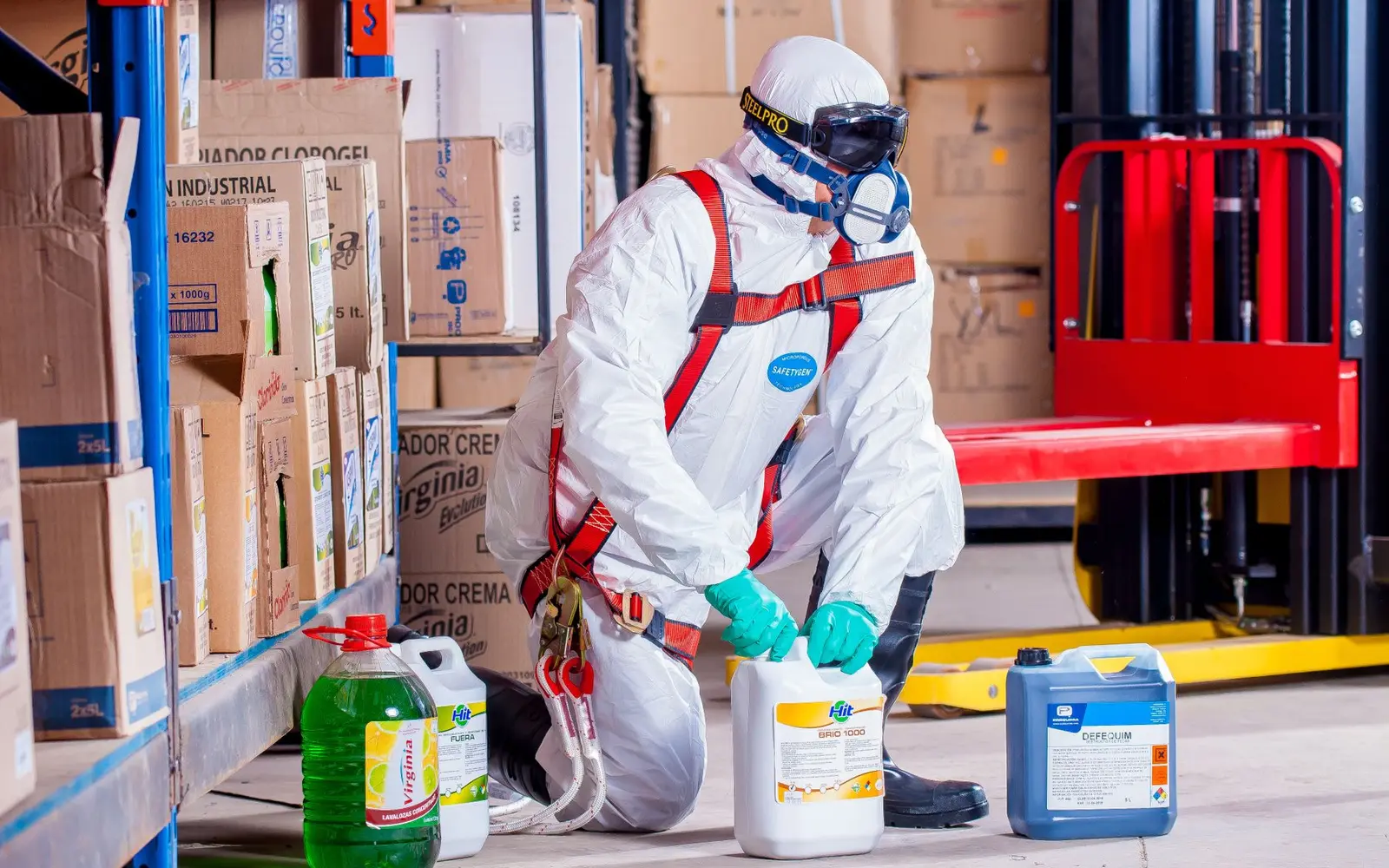
Warehouses and factories in Qurtubah Makkah
Qurtubah is an industrial district on Al Hajj Street where warehouses and workshops sit side by side with fuel stations and markets. The pressure here is different because goods arrive directly from Souq Al Hijaz and the wide street opens pest routes from every direction, making trap reading more frequent than in sheltered locations.
-
Targeted, not broadcast
Product goes into cracks and runways, never sprayed across open surfaces.
-
Told before we start
What we will use, where it goes, and what to cover or move before we arrive.
-
A follow-up visit
We return after the first treatment, because what survives it does not show on the day.
-
Homes and businesses
Apartments and villas, and kitchens and stores that need a record of each visit.
Why they keep coming back in Qurtubah
Warehouses on the wide street experience pressure from the residential district behind them and from Souq Al Hijaz and Al Dawas market in front, meaning infestation cycles restart unless traps are read with discipline. The method is set out in full on the full Warehouses and factories page.
The wide street creates multiple entry routes
Al Hajj Street's width allows rodent movement from neighbouring markets directly to warehouse walls, and the gaps between adjoining workshops provide natural corridors for reinfestation. Traps must be positioned strategically along every exterior wall and at each access point to intercept arrivals before they reach the racking.
Goods from the old market are a continuous source
Souq Al Hijaz and Al Dawas market are permanent pest sources, and arriving stock carries eggs and active insects inside. Warehouse programmes focus on inspecting incoming consignments and isolating infested goods before they mix with clean stock, because the market pressure never stops.
Wadi floods and damp ground attract rodents
The wadis behind the district carry seasonal flash floods that bring moisture and rodent colonies towards the warehouses. Foundations and underground gaps need exterior treatment to control ground-level entry and prevent breeding in the damp soil around warehouse bases during and after rainfall.
Landmarks of Qurtubah
Qurtubah sits on Al Hajj Street between Souq Al Hijaz and the Third Ring Road, and warehouse operations are surrounded by the traffic and activity of the wide street on all sides. Trap placement follows the street frontage and numbered reading points are positioned from inside Souq Al Hijaz through to the Ring Road perimeter, tracking pest movement between the market and the outer warehouses.
- Al Hajj Street
- Third Ring Road
- Al Dawas Market
- Souq Al Hijaz
What the first walk through the building reads
The district is industrial with open plots and multiple workshops lining a wide street, and seasonal flash floods pour down from the hills through nearby wadis, driving rodent colonies towards the warehouses and storage yards.

The shutter line
The loading doors face Al Hajj Street directly, and the main entrance stays open to continuous truck movement from the markets, requiring permanent trap placement at the threshold and along the door frame to intercept arrivals.

What comes in on the pallet
Stock arrives from Souq Al Hijaz and Al Dawas market directly, and precise inspection at goods-in catches infestations before the pallets are unloaded and the goods dispersed into mixed storage.
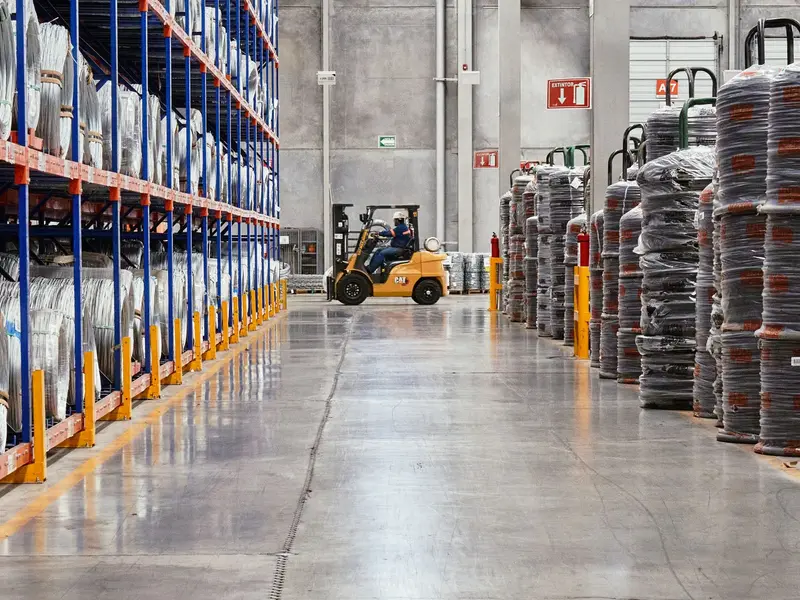
The strip along the wall
Exterior walls face the wide street and the markets directly, and the wall traps on every side are positioned to intercept entry from the street and from neighbouring buildings before insects reach the stored goods.
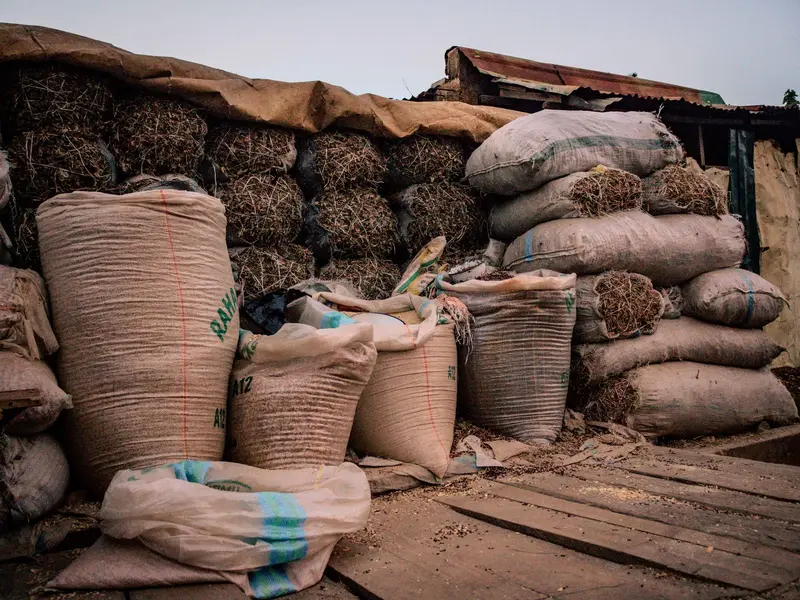
Spillage under the racking
Gaps under the racking may hold remains of old stock that carried eggs, and regular cleaning and numbered check points beneath the racking detect activity early and prevent silent breeding under the aisles.
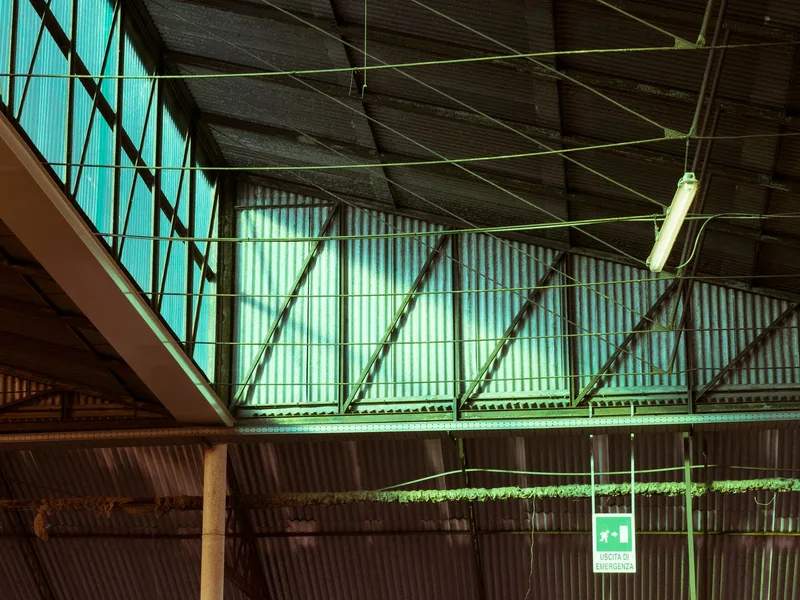
The roof and the openings above
The roof and upper openings are exposed to the street and the neighbouring markets, and regular inspection of roof access points and ventilation openings prevents flying insects and birds from establishing entry routes into the warehouse from above.
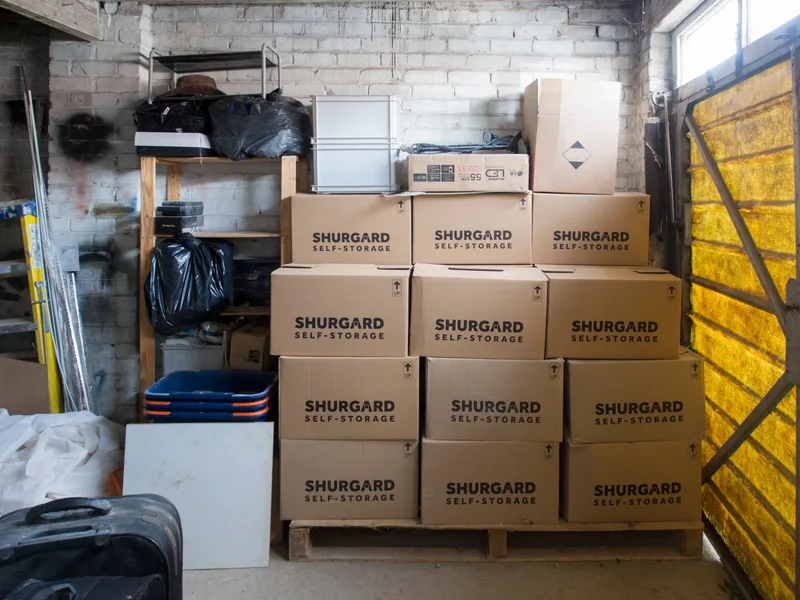
Stock that does not move
Stock kept for months may carry dormant eggs, and numbered check points around old or slow moving inventory detect any activity at the earliest stage before the infestation spreads into fresher goods nearby.
How we work
-
1
Survey the building and locate the source
We walk from the goods-in door through the racking, the production areas and the outside wall line, and establish whether the pressure is stored product pests inside the goods, rodents from the perimeter or flying insects from waste and doorways, because each of those is a different programme.
-
2
Pheromone traps and numbered points
Species-specific pheromone traps through the storage areas, and monitoring points on the external ring and along the internal walls, numbered on the racking plan. A trap treats nothing, it tells us which aisle the numbers are climbing in.
-
3
Targeted treatment and isolating the consignment
Spillage is lifted first, then empty racking, wall and floor junctions and voids are treated, and nothing is placed over open stock or a running line. A consignment showing activity is isolated where it stands rather than carried through the building.
-
4
Sealing, then the scheduled visits
We close door gaps, openings and pipe entries, then come back on an agreed schedule: the same traps and points are read each time, and a report goes over what was found, what was treated and what the building still needs closed.
What warehouse pest control includes
-

Site survey and racking plan
A walk from the goods-in door to the last aisle, and a plan with every monitoring position numbered before anything is installed.
-

Pheromone traps and numbered points
Species-specific traps through the storage areas and points along the perimeter line, read and logged on every visit.
-

Targeted treatment of racking and junctions
On empty racking, wall and floor junctions and voids, never over open stock or a running line.
-

Drains, waste and the perimeter
Floor gullies, the container area and the outside wall line, because that is the source which renews itself.
-

Proofing and building findings
Shutter gaps, brush seals and mesh over openings, with a list of what the site needs to repair.
-

Scheduled visits and a report each time
Agreed dates set by the pressure on the site, the same traps read again, and a report that records every visit.
What is different about Al Maabdah Sub-Municipality
Al Maabdah sub municipality climbs from Al Abtah and Al Jumayzah beside the Al Mualla cemetery up through Al Khansa and Rai Adhakhir to Al Adl, Jabal Al Nour, Wadi Jaleel and Qurtubah on the outer ring roads. It mixes hotels and pilgrim housing near the Grand Mosque with old popular houses on hillside passes, new housing schemes on valley floors that carry flash floods after rain, and industrial plots, workshops and warehouses along Al Hajj Street in Qurtubah. Street widening and expropriation leave partly demolished frontages in Al Khansa.
Questions about this district
Are the markets in front of the warehouse a constant reinfestation source?
Yes, Souq Al Hijaz and Al Dawas carry second hand and old stock full of insects and eggs. The programme focuses on inspecting every incoming consignment and isolating anything showing activity before it enters mixed storage, because the market pressure is relentless.
The warehouse sits on a wide street between multiple workshops. How often are traps read?
Traps are read weekly minimum because the external pressure from the street and markets is very high. Faster reading becomes necessary in summer when activity levels peak, often moving to twice weekly for warehouses handling food or textiles.
Is treating the warehouse alone enough when adjoining workshops are infested?
Warehouse treatment alone is insufficient if neighbouring workshops harbour pests. We recommend treating the warehouse perimeter and the gaps between workshop walls to close entry routes from outside, because the infestation cycles are shared across the street.
Wadi floods reach the warehouse base in winter. What is the effect?
Flash floods carry soil and rodent colonies towards warehouse foundations, making entry through cracks easier once the water recedes and ground drying begins. Exterior treatment around the base and foundations before the rainy season is essential to prevent underground entry.
Are the gaps between warehouses and workshops rodent corridors?
Yes, the narrow gaps between buildings provide dark safe passages for rodents to move between structures. Traps are placed at each gap entrance to detect movement and cut off established routes before they become breeding grounds.
Does Qurtubah need a different seasonal treatment plan?
Yes, summer heat increases activity sharply, and winter floods drive rodents inward towards the warehouses. The programme adjusts between an intensive summer phase and a winter phase focused on perimeter defence and foundation protection before the rains.
How much does warehouses and factories in Qurtubah cost?
It is set after the inspection, because the price follows the type of infestation, the size of the space, how far it has spread and the number of visits it needs. Send a photo and a description on WhatsApp and we will give you an estimate before we reach Qurtubah.
Nearby districts we cover
Other services in Qurtubah
Other services we provide to residents of Qurtubah.
-
 Residential
Cockroach control
Residential
Cockroach control
-
 Residential
Bed bug control
Residential
Bed bug control
-
 Residential
Termite control
Residential
Termite control
-
 Residential
Rodents and mice
Residential
Rodents and mice
-
 Residential
Mosquito control
Residential
Mosquito control
-
 Residential
Fly control
Residential
Fly control
-
 Residential
Ant control
Residential
Ant control
-
 Residential
Gecko control
Residential
Gecko control
-
 Residential
Scorpion control
Residential
Scorpion control
-
 Residential
Snake control
Residential
Snake control
-
 Residential
Flea control
Residential
Flea control
-
 Residential
Bird and pigeon control
Residential
Bird and pigeon control
-
 Residential
Preventive treatment
Residential
Preventive treatment
-
 Residential
Disinfection
Residential
Disinfection
-
 Commercial
Annual contracts
Commercial
Annual contracts
-
 Commercial
Restaurants and cafes
Commercial
Restaurants and cafes
-
 Commercial
Hotels and apartments
Commercial
Hotels and apartments
-
 Commercial
Schools and nurseries
Commercial
Schools and nurseries
-
 Commercial
Retail and malls
Commercial
Retail and malls
-
 Commercial
Rest houses and farms
Commercial
Rest houses and farms
-
 Commercial
Fumigation
Commercial
Fumigation
-
 Water tanks
Water tank cleaning
Water tanks
Water tank cleaning
-
 Water tanks
Water tank sterilization
Water tanks
Water tank sterilization
-
 Water tanks
Water tank sealing
Water tanks
Water tank sealing
-
 Water tanks
Tank leak repair
Water tanks
Tank leak repair
Need warehouses and factories in Qurtubah? Tell us what you saw and we will tell you what it needs
We reach Qurtubah at a time we agree, and you get the full cost before we start.