
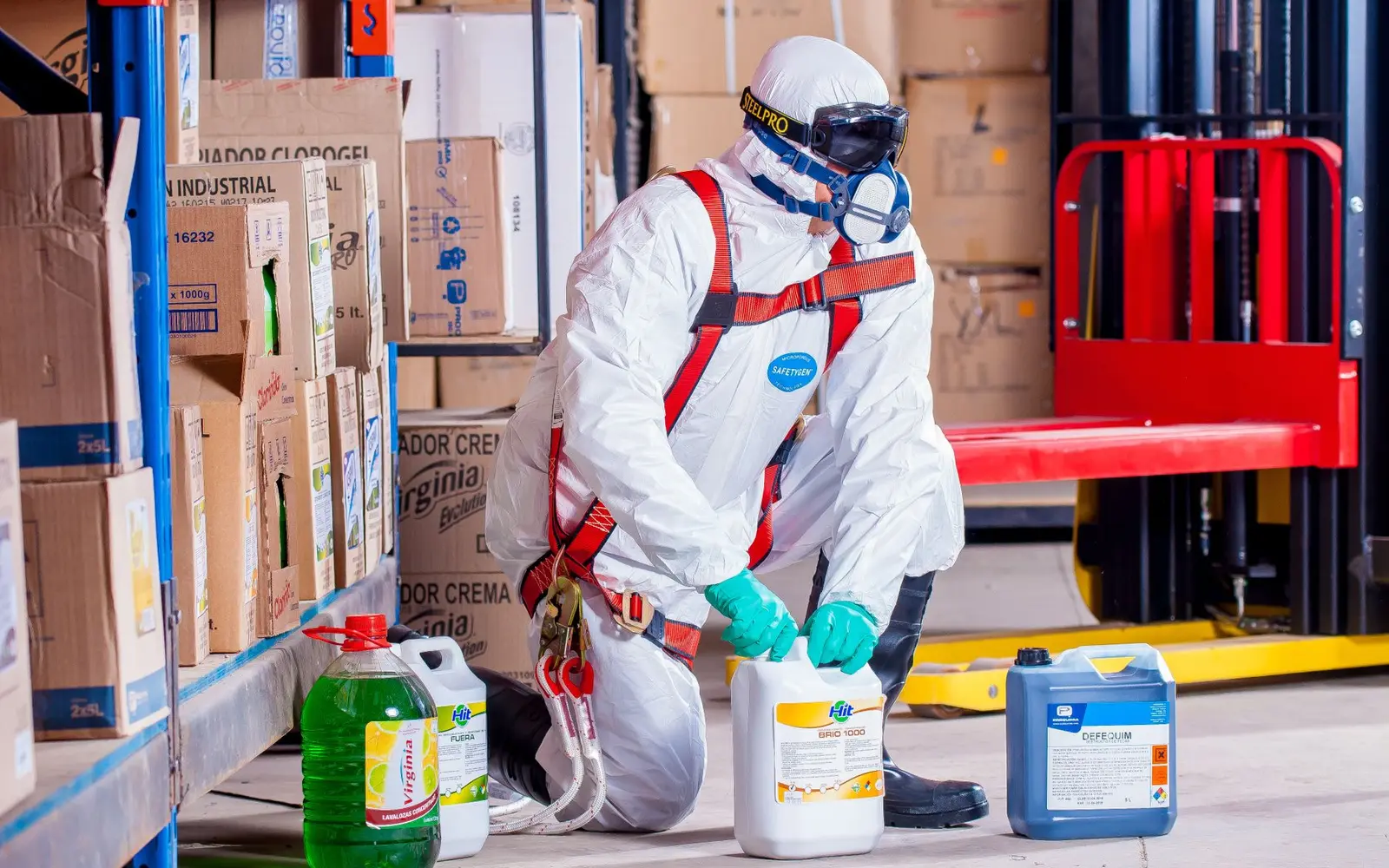
Warehouses and factories in Kudai Makkah
Kudai is a strategic site south east of the Grand Mosque holding massive coach parks that fill with pilgrims seasonally, surrounded by hotel and commercial towers. Heavy seasonal traffic and packed hotels and storerooms mean pests arrive with every pilgrim wave and peak with the crowds. The programme tracks the tide of entry and exit.
-
Targeted, not broadcast
Product goes into cracks and runways, never sprayed across open surfaces.
-
Told before we start
What we will use, where it goes, and what to cover or move before we arrive.
-
A follow-up visit
We return after the first treatment, because what survives it does not show on the day.
-
Homes and businesses
Apartments and villas, and kitchens and stores that need a record of each visit.
Why they keep coming back in Kudai
Seasonal pilgrim numbers reach thousands daily, and coaches and vehicles bring luggage and cases from everywhere across the Islamic world. The method is set out in full on what Warehouses and factories involves.
Massive seasonal movement and temporary hotel populations
Kudai receives thousands of pilgrims seasonally and the tight hotel towers fill instantly. Luggage and cases unload rapidly and storerooms become packed. Pests arrive with each wave and multiply at speed with the crowd density.
Dense hotels with shared entrances and facilities
Kudai towers are budget hotels packed tightly with tiny rooms sharing bathrooms and corridors. New pilgrims may carry insects in their luggage. Pests spread very rapidly between units through shared services.
Storerooms and shared toilets with standing water
Storerooms below the towers are dark and damp from shared water pipes. Shared bathrooms and sinks produce standing water and spillage. High humidity encourages cockroaches and mosquitoes at speed.
Landmarks of Kudai
The zone is bounded between the massive Kudai coach parks and the tunnel beneath Ajyad, and we coordinate visits near the Zamzam Water Project and Kudai Towers to cover every stage of the seasonal cycle.
- Kudai Car Parks
- Zamzam Water Project
- Kudai Towers
- Kudai Ajyad Tunnel
- Jabal Khandamah
What the first walk through the building reads
A commercial zone south east of the Grand Mosque on the lower slopes of Jabal Khandamah, with enormous coach and car parks handling thousands of vehicles seasonally, commercial and hotel towers beside them, and the Zamzam water plant, set in an old thinly settled district.
The shutter line
The hotel entrance and shared doors of Kudai towers need sticky traps and light traps at every entry, and new pilgrims carrying hidden pests arrive continuously during the season.
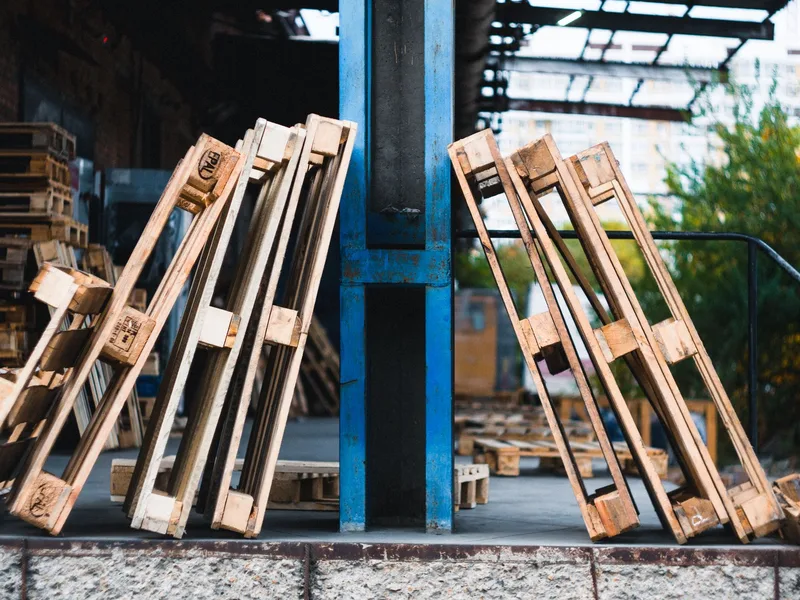
What comes in on the pallet
Luggage and cases arrive from diverse international sources, and our first reading determines whether pests came in with the cases or entered from the storeroom below.
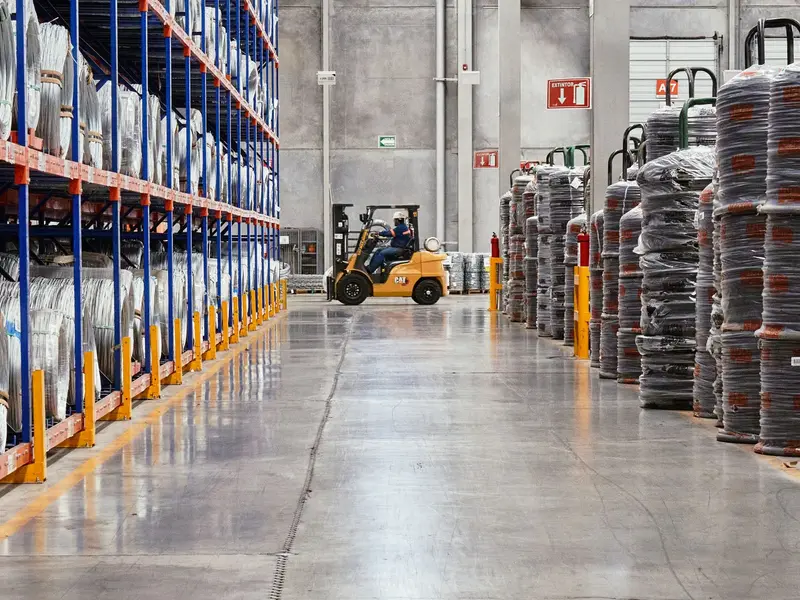
The strip along the wall
Walls between rooms and the storeroom below may be thin with openings, and shared pipes allow pests to travel up from the storeroom into guest rooms.
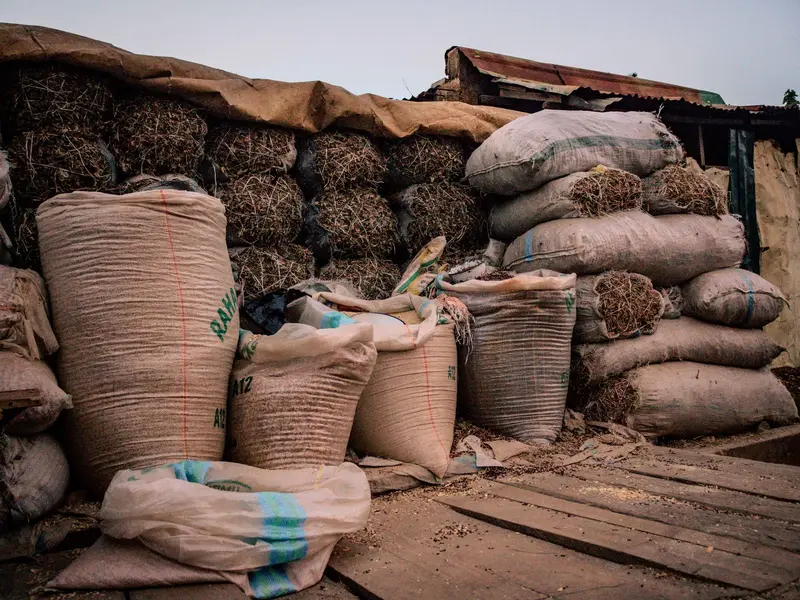
Spillage under the racking
Spillage under racking in the storeroom comes from standing water and debris, and the wet dark floor attracts cockroaches and rodents constantly.
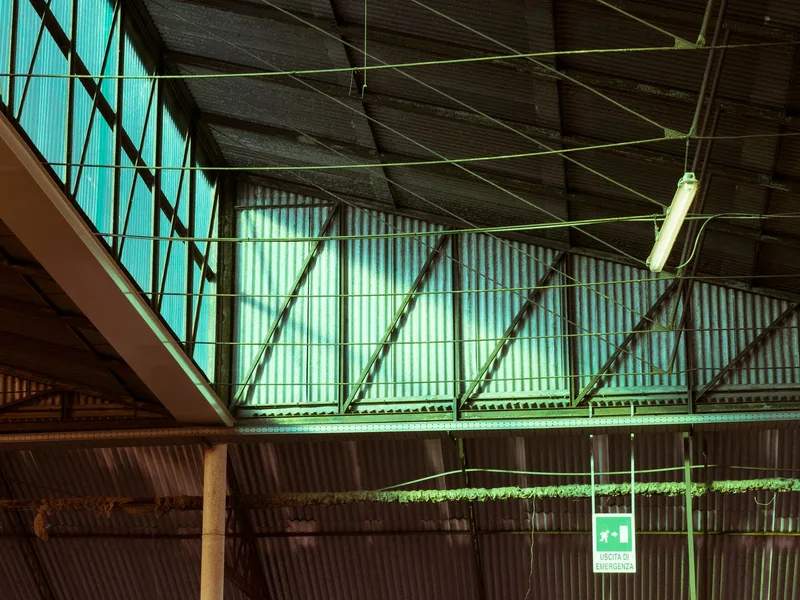
The roof and the openings above
Ceilings and shared bathrooms on the ground floor leak water down into the storeroom below, and high humidity combined with poor ventilation encourages insects at speed.
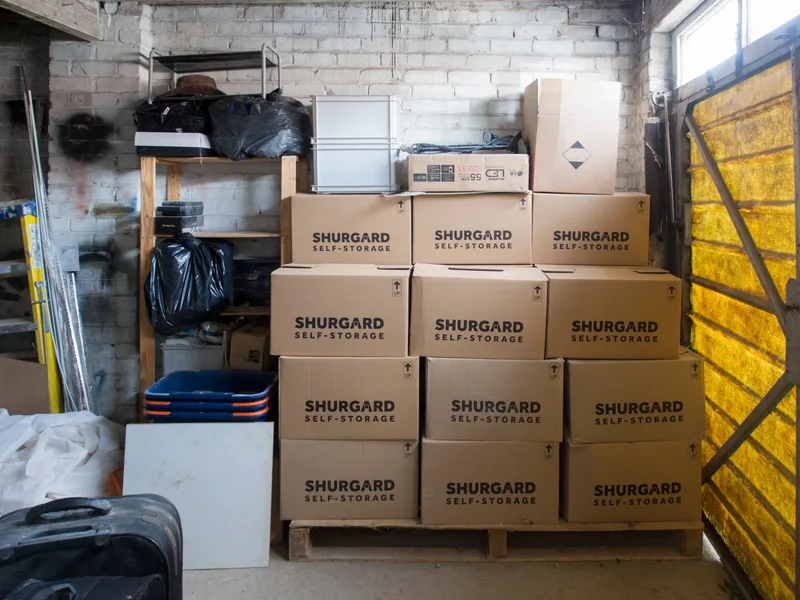
Stock that does not move
The storeroom that empties of bedding and luggage quickly may still hold debris and established pest populations that grew in the dense conditions. We focus on complete cleaning and thorough post-season treatment.
How we work
-
1
Survey the building and locate the source
We walk from the goods-in door through the racking, the production areas and the outside wall line, and establish whether the pressure is stored product pests inside the goods, rodents from the perimeter or flying insects from waste and doorways, because each of those is a different programme.
-
2
Pheromone traps and numbered points
Species-specific pheromone traps through the storage areas, and monitoring points on the external ring and along the internal walls, numbered on the racking plan. A trap treats nothing, it tells us which aisle the numbers are climbing in.
-
3
Targeted treatment and isolating the consignment
Spillage is lifted first, then empty racking, wall and floor junctions and voids are treated, and nothing is placed over open stock or a running line. A consignment showing activity is isolated where it stands rather than carried through the building.
-
4
Sealing, then the scheduled visits
We close door gaps, openings and pipe entries, then come back on an agreed schedule: the same traps and points are read each time, and a report goes over what was found, what was treated and what the building still needs closed.
What warehouse pest control includes
-

Site survey and racking plan
A walk from the goods-in door to the last aisle, and a plan with every monitoring position numbered before anything is installed.
-

Pheromone traps and numbered points
Species-specific traps through the storage areas and points along the perimeter line, read and logged on every visit.
-

Targeted treatment of racking and junctions
On empty racking, wall and floor junctions and voids, never over open stock or a running line.
-

Drains, waste and the perimeter
Floor gullies, the container area and the outside wall line, because that is the source which renews itself.
-

Proofing and building findings
Shutter gaps, brush seals and mesh over openings, with a list of what the site needs to repair.
-

Scheduled visits and a report each time
Agreed dates set by the pressure on the site, the same traps read again, and a report that records every visit.
What is different about Al Misfalah Sub-Municipality
Al Misfalah sub municipality runs downhill from the south of the Grand Mosque through Al Misfalah, Kudai and Al Rawabi to Al Taqwa, Al Hindawiyah, Al Khalidiyah and Al Rusayfah at the third ring road. The northern end is old apartment blocks and pilgrim hotels with restaurants along Ibrahim Al Khalil Street and the huge coach parks at Kudai. The south and west are dense popular districts with countless small shops and unplanned hillside housing, some of it already cleared for redevelopment, giving way to orderly land grant schemes in Al Rusayfah beside the railway station.
Questions about this district
The season starts and hotels fill. When do you start treatment?
We begin immediately before the pilgrim season, treating hotels and storerooms before pilgrims arrive. We focus on shared entrances, corridors and bathroom areas first.
Cases come from everywhere. Do they carry pests?
Yes, very likely. We inspect corridors and entrances for insects arriving with luggage. We place sticky traps and light traps at all entry points.
The hotel is packed and rooms are tiny. How do you treat?
We use products approved for occupied spaces. We focus on shared areas, corridors and bathrooms. Individual rooms are treated during quiet hours when occupancy is briefly lower.
The season ends and the hotel closes. Do you return?
Yes, before closing we do a thorough treatment of the entire hotel. We focus on sealed dark areas where insects have settled and nested during the season.
The storeroom below is very damp. Do your traps work there?
Yes, our traps are designed for damp zones. But we also focus on drying the storeroom and raising pallets off the wet floor.
Is the Kudai programme different from regular hotel programmes?
Yes greatly, the massive seasonal surge, dense hotels and damp storerooms need a specialist programme. We focus on entry points, exit tracking and shared bathroom areas.
How much does warehouses and factories in Kudai cost?
It is set after the inspection, because the price follows the type of infestation, the size of the space, how far it has spread and the number of visits it needs. Send a photo and a description on WhatsApp and we will give you an estimate before we reach Kudai.
Nearby districts we cover
Other services in Kudai
Other services we provide to residents of Kudai.
-
 Residential
Cockroach control
Residential
Cockroach control
-
 Residential
Bed bug control
Residential
Bed bug control
-
 Residential
Termite control
Residential
Termite control
-
 Residential
Rodents and mice
Residential
Rodents and mice
-
 Residential
Mosquito control
Residential
Mosquito control
-
 Residential
Fly control
Residential
Fly control
-
 Residential
Ant control
Residential
Ant control
-
 Residential
Gecko control
Residential
Gecko control
-
 Residential
Scorpion control
Residential
Scorpion control
-
 Residential
Snake control
Residential
Snake control
-
 Residential
Flea control
Residential
Flea control
-
 Residential
Bird and pigeon control
Residential
Bird and pigeon control
-
 Residential
Preventive treatment
Residential
Preventive treatment
-
 Residential
Disinfection
Residential
Disinfection
-
 Commercial
Annual contracts
Commercial
Annual contracts
-
 Commercial
Restaurants and cafes
Commercial
Restaurants and cafes
-
 Commercial
Hotels and apartments
Commercial
Hotels and apartments
-
 Commercial
Schools and nurseries
Commercial
Schools and nurseries
-
 Commercial
Retail and malls
Commercial
Retail and malls
-
 Commercial
Rest houses and farms
Commercial
Rest houses and farms
-
 Commercial
Fumigation
Commercial
Fumigation
-
 Water tanks
Water tank cleaning
Water tanks
Water tank cleaning
-
 Water tanks
Water tank sterilization
Water tanks
Water tank sterilization
-
 Water tanks
Water tank sealing
Water tanks
Water tank sealing
-
 Water tanks
Tank leak repair
Water tanks
Tank leak repair
Need warehouses and factories in Kudai? Tell us what you saw and we will tell you what it needs
We reach Kudai at a time we agree, and you get the full cost before we start.