
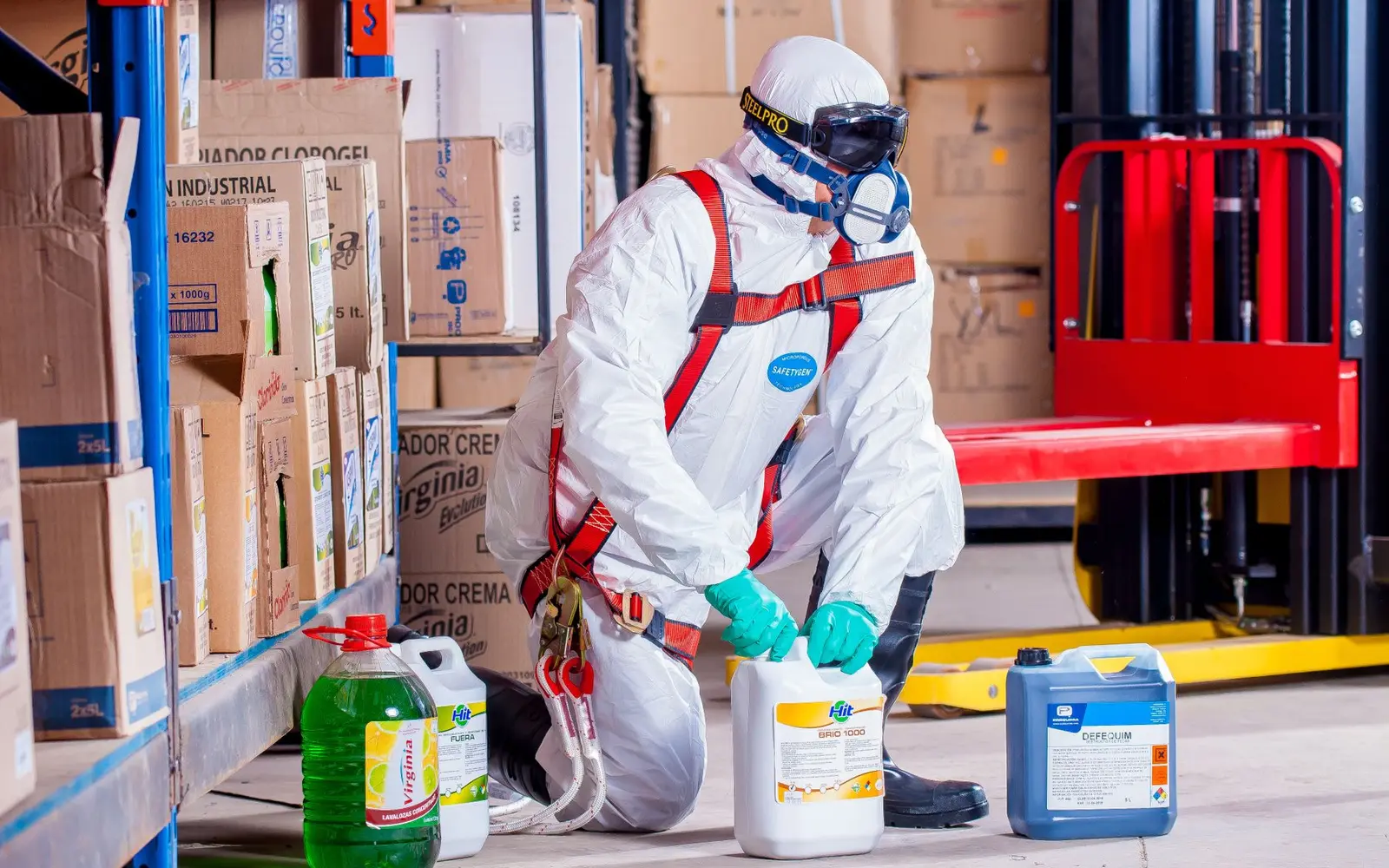
Warehouses and factories in Al Misfalah Makkah
Al Misfalah is the low ground that falls away south of the Grand Mosque, filled with old apartment blocks pressed shoulder to shoulder and running down toward historic hillside quarters. The warehouses here sit inside buildings that are decades old, with weakened concrete, cracked foundations and permanently damp walls. This structural decay opens pathways for rodents and insects to enter through fissures, gaps and degraded foundations, and they trace complex routes upward through shared utility chases and between adjacent units.
-
Targeted, not broadcast
Product goes into cracks and runways, never sprayed across open surfaces.
-
Told before we start
What we will use, where it goes, and what to cover or move before we arrive.
-
A follow-up visit
We return after the first treatment, because what survives it does not show on the day.
-
Homes and businesses
Apartments and villas, and kitchens and stores that need a record of each visit.
Why they keep coming back in Al Misfalah
The buildings here are very old and foundations are cracked throughout. Every fissure and gap becomes an entryway for rodents and insects, especially from the adjoining old quarters and waste areas downhill. The method is set out in full on what Warehouses and factories involves.
Ageing buildings with fractured concrete bases
The apartment blocks in Al Misfalah were built decades ago. Foundations split and walls settle. These cracks form direct rodent highways from ground level into the warehouse basement, and the fractures extend vertically through internal walls between adjoining units via hidden utility runs and shared voids.
Historic quarters downhill feed a constant rodent source
The old lanes below Al Misfalah descend toward Jabal Sharaf and harbour waste, rubble and cleared demolition debris. These are stable rodent populations that tunnel into the lower warehouse floors through gaps, failed mortar and utility penetrations in the boundary walls.
Rising damp from ground level amplifies insect harbouring
The district sits in a depression. The soil stays wet and the old buildings lack proper moisture barriers. Capillary damp rising from earth creates a warm, humid microclimate that favours moisture-loving insects, mites and fungal growth, sharply increasing the warehouse's attractiveness to pests.
The character of Al Misfalah
Apartment district: residential blocks, repeated floors and shared entrances
Apartment blocks with repeated floors mean the warehouse is not isolated but surrounded by dense housing above, below and beside it. Insects move freely between units, floors and buildings via plumbing runs, utility shafts and poorly sealed doors.
What the first walk through the building reads
A low-lying district south of the Grand Mosque along Ibrahim Al Khalil Street, with old apartment blocks stacked closely together and narrow historic lanes descending toward Jabal Sharaf.

The shutter line
The roller door at the warehouse entrance in Al Misfalah is old and gaps may be wide, allowing rodents and large insects to enter even when the door appears closed.

What comes in on the pallet
Goods arriving at Al Misfalah come from old markets and adjoining eateries and carry pests from their original sales points. Every incoming consignment receives close scrutiny at receipt.
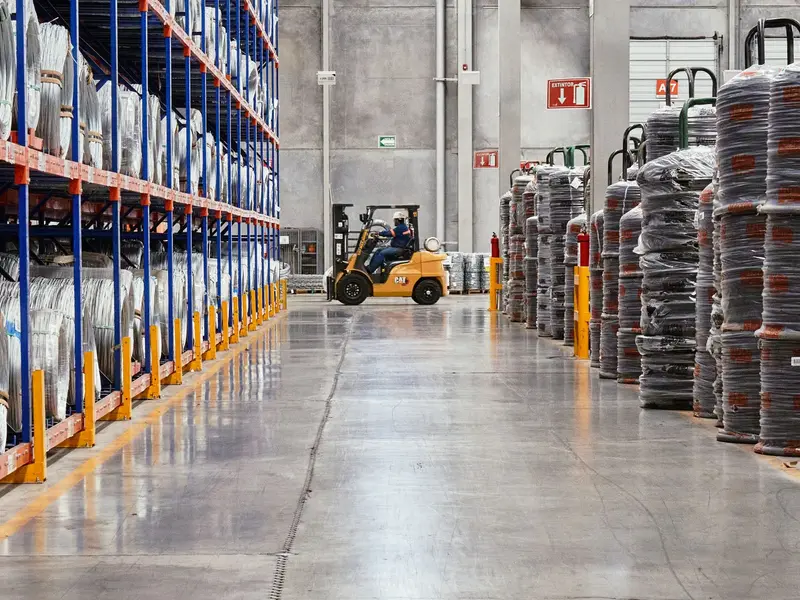
The strip along the wall
Shelving stands directly against damp walls, and the walls themselves harbour mites and insects. We focus on the gap between racking and wall surface as a pest travel corridor.
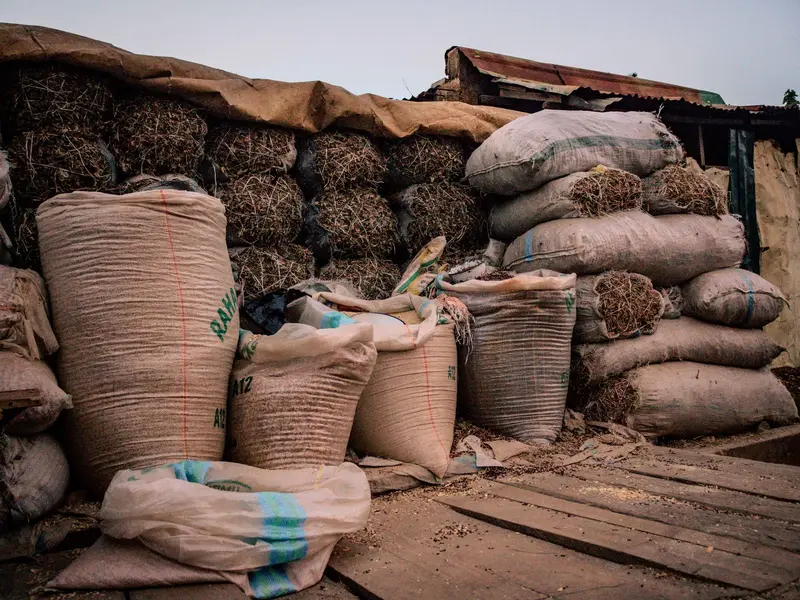
Spillage under the racking
Spillage beneath shelves includes aged stock remains and food scraps that decompose slowly in persistent moisture, providing long-term nutrition for insects and rodents.
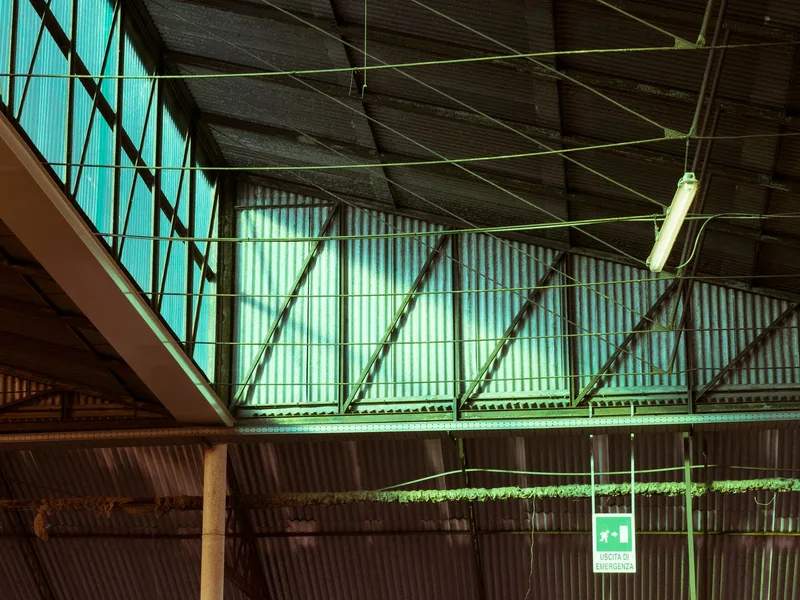
The roof and the openings above
The old roof and upper openings may be damaged or have gaps, allowing insects and birds to enter from above, especially during night hours and in warm months.
Stock that does not move
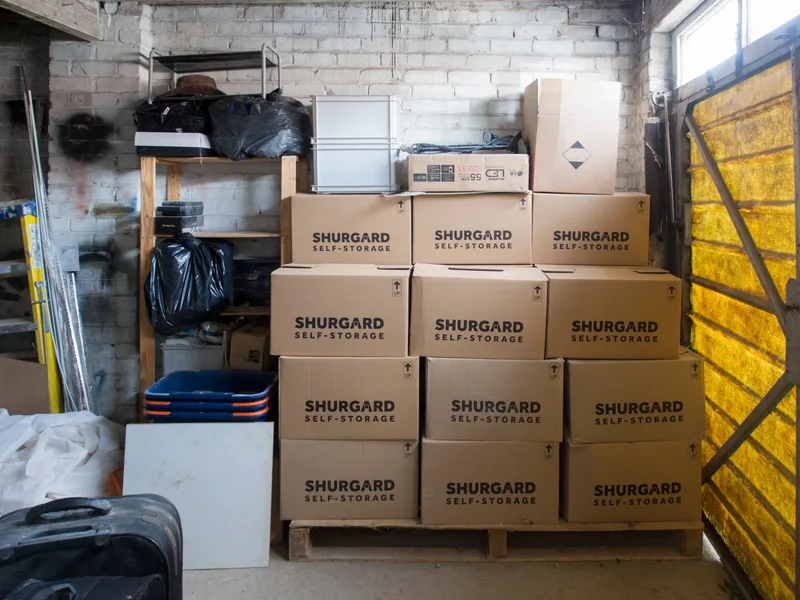
Stock left abandoned for years in corners and lower floors becomes a calcified pest reservoir. Clearing it can release insects trapped inside bags and carton boxes.
How we work
-
1
Survey the building and locate the source
We walk from the goods-in door through the racking, the production areas and the outside wall line, and establish whether the pressure is stored product pests inside the goods, rodents from the perimeter or flying insects from waste and doorways, because each of those is a different programme.
-
2
Pheromone traps and numbered points
Species-specific pheromone traps through the storage areas, and monitoring points on the external ring and along the internal walls, numbered on the racking plan. A trap treats nothing, it tells us which aisle the numbers are climbing in.
-
3
Targeted treatment and isolating the consignment
Spillage is lifted first, then empty racking, wall and floor junctions and voids are treated, and nothing is placed over open stock or a running line. A consignment showing activity is isolated where it stands rather than carried through the building.
-
4
Sealing, then the scheduled visits
We close door gaps, openings and pipe entries, then come back on an agreed schedule: the same traps and points are read each time, and a report goes over what was found, what was treated and what the building still needs closed.
What warehouse pest control includes
-

Site survey and racking plan
A walk from the goods-in door to the last aisle, and a plan with every monitoring position numbered before anything is installed.
-

Pheromone traps and numbered points
Species-specific traps through the storage areas and points along the perimeter line, read and logged on every visit.
-

Targeted treatment of racking and junctions
On empty racking, wall and floor junctions and voids, never over open stock or a running line.
-

Drains, waste and the perimeter
Floor gullies, the container area and the outside wall line, because that is the source which renews itself.
-

Proofing and building findings
Shutter gaps, brush seals and mesh over openings, with a list of what the site needs to repair.
-

Scheduled visits and a report each time
Agreed dates set by the pressure on the site, the same traps read again, and a report that records every visit.
What is different about Al Misfalah Sub-Municipality
Al Misfalah sub municipality runs downhill from the south of the Grand Mosque through Al Misfalah, Kudai and Al Rawabi to Al Taqwa, Al Hindawiyah, Al Khalidiyah and Al Rusayfah at the third ring road. The northern end is old apartment blocks and pilgrim hotels with restaurants along Ibrahim Al Khalil Street and the huge coach parks at Kudai. The south and west are dense popular districts with countless small shops and unplanned hillside housing, some of it already cleared for redevelopment, giving way to orderly land grant schemes in Al Rusayfah beside the railway station.
Questions about this district
Do the cracked foundations in Al Misfalah allow rodents to enter from below ground?
Absolutely. Fissures in the foundation and lower walls form direct passages. We inspect basement levels and ground-floor corners with particular care, deploy heavy-duty traps in suspected rodent routes, and map entry points precisely.
Does constant wall dampness in this area increase insect populations?
Significantly. Damp walls create ideal conditions for moisture-loving mites and insects. We prioritise ventilation checks and frequent inspections to catch pest colonies early before they spread through the damp zones.
Does stock stored for long periods in Al Misfalah suffer more infestations?
Yes. Stagnant inventory in a damp warehouse without turnover becomes a pest harbouring point. We inspect long-held stock first on every visit and concentrate monitoring on areas where goods stay for months or years.
Is treating the warehouse alone enough when adjoining old quarters are nearby?
No. Rodents migrate from the downhill quarters continuously. We inspect external gaps and boundary penetrations and focus barrier traps around the warehouse perimeter where it meets the older neighbourhoods.
Should the Al Misfalah report clarify the pressure from old building age?
Yes. We detail how the building's age and weak foundations create multiple rodent entry points, and explain how the programme concentrates on controlling these gateways and monitoring internal movement.
Does Al Misfalah require a different seasonal treatment approach?
Yes. Winter rain and flooding increase damp and drive rodents inward. Summer brings food-seeking pest activity. The programme adapts to seasonal moisture and activity cycles in this low-lying, flood-prone location.
How much does warehouses and factories in Al Misfalah cost?
It is set after the inspection, because the price follows the type of infestation, the size of the space, how far it has spread and the number of visits it needs. Send a photo and a description on WhatsApp and we will give you an estimate before we reach Al Misfalah.
Other services in Al Misfalah
Other services we provide to residents of Al Misfalah.
-
 Residential
Cockroach control
Residential
Cockroach control
-
 Residential
Bed bug control
Residential
Bed bug control
-
 Residential
Termite control
Residential
Termite control
-
 Residential
Rodents and mice
Residential
Rodents and mice
-
 Residential
Mosquito control
Residential
Mosquito control
-
 Residential
Fly control
Residential
Fly control
-
 Residential
Ant control
Residential
Ant control
-
 Residential
Gecko control
Residential
Gecko control
-
 Residential
Scorpion control
Residential
Scorpion control
-
 Residential
Snake control
Residential
Snake control
-
 Residential
Flea control
Residential
Flea control
-
 Residential
Bird and pigeon control
Residential
Bird and pigeon control
-
 Residential
Preventive treatment
Residential
Preventive treatment
-
 Residential
Disinfection
Residential
Disinfection
-
 Commercial
Annual contracts
Commercial
Annual contracts
-
 Commercial
Restaurants and cafes
Commercial
Restaurants and cafes
-
 Commercial
Hotels and apartments
Commercial
Hotels and apartments
-
 Commercial
Schools and nurseries
Commercial
Schools and nurseries
-
 Commercial
Retail and malls
Commercial
Retail and malls
-
 Commercial
Rest houses and farms
Commercial
Rest houses and farms
-
 Commercial
Fumigation
Commercial
Fumigation
-
 Water tanks
Water tank cleaning
Water tanks
Water tank cleaning
-
 Water tanks
Water tank sterilization
Water tanks
Water tank sterilization
-
 Water tanks
Water tank sealing
Water tanks
Water tank sealing
-
 Water tanks
Tank leak repair
Water tanks
Tank leak repair
Need warehouses and factories in Al Misfalah? Tell us what you saw and we will tell you what it needs
We reach Al Misfalah at a time we agree, and you get the full cost before we start.