
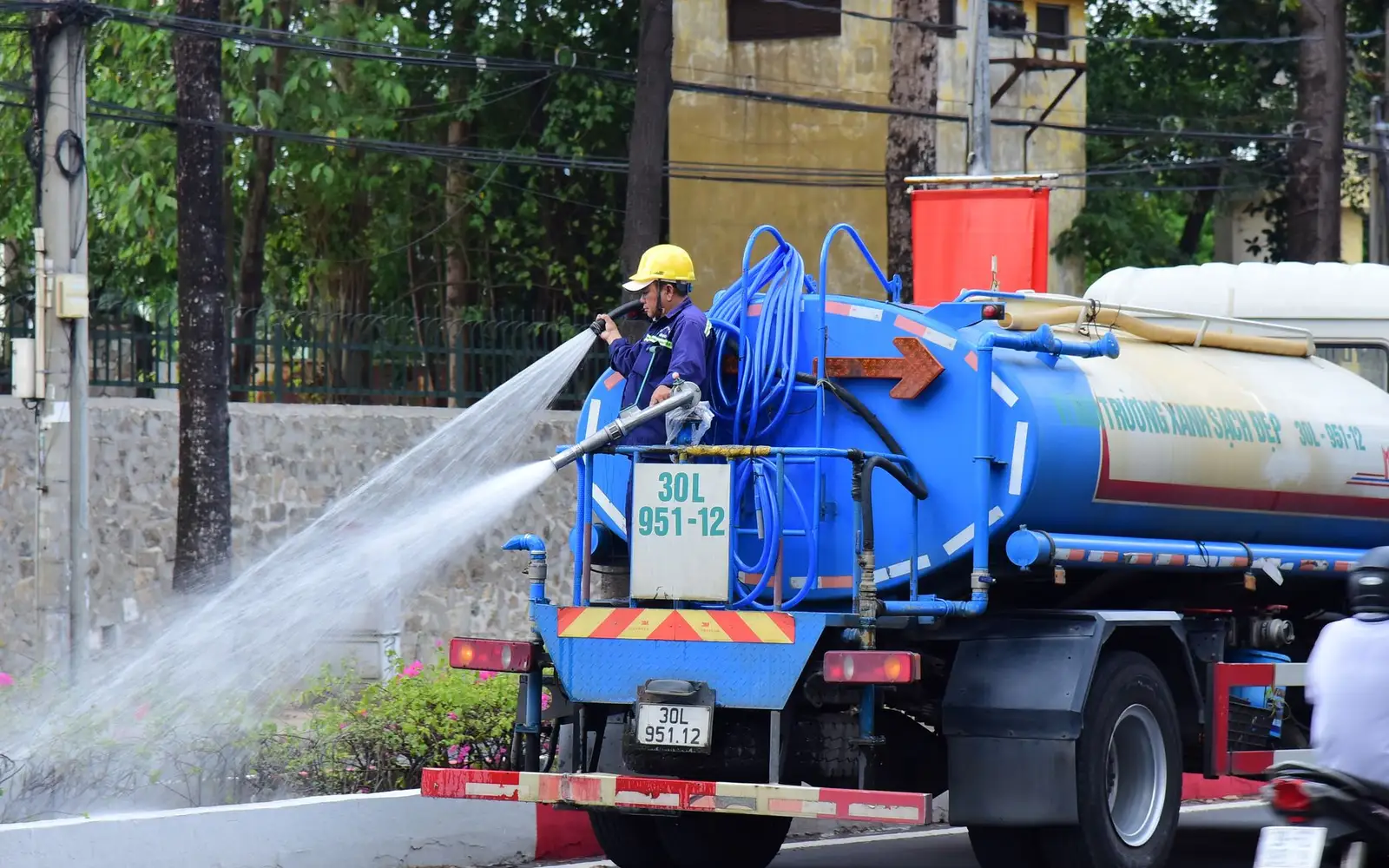
Water tank cleaning in Al Amwaj Jeddah
Al Amwaj is a northern coastal district south of Al Lulu with villas and recent residential compounds on developed and developing plots between Obhur Road and Prince Abdulmajeed Road, and beach resorts along the seafront. Tanks here face continuous warfare against salt and humidity that penetrates every opening, corrodes metal and causes relentless lining wear.
-
Potable-rated materials
Linings and disinfectants cleared for drinking water tanks, not general-purpose products.
-
You get the downtime first
How many hours the tank is out of service, told before we start rather than after we finish.
-
A first-draw flush
We run the first draw off after refilling, and the tank is not handed back until the water runs clear.
-
Ground and roof tanks
Villas, apartment blocks and premises that need a written record of each visit.
Why the job is different in Al Amwaj
Al Amwaj tanks sometimes carry thick white layers of sea salt on walls and floor, even under tight seals. The method is set out in full on the full Water tank cleaning page.
Salt air enters vent holes and corrodes metal very fast
Distance from the sea is very small and salt particles ride the air through vents and maintenance ports. Metal inside the tank rusts fast and water holds red or black particles. Vent filters need replacement at regular intervals.
Humidity is relentless even in summer
Constant moisture causes slow seepage through the lining and seals even when they seem tight. Outside water enters in tiny amounts but it carries salt and contaminants.
New building and beach resorts increase tank demand
Al Amwaj is growing fast and new resorts and villas increase water demand. The tank may be relatively old and undersized for the new load, causing water stagnation and faster sediment buildup.
The character of Al Amwaj
Coastal area: high humidity and salt air through the year
In a coastal zone salt and humidity penetrate every part of the tank and speed rust and corrosion. Regular cleaning, external sealing and strong filters are not optional but essential to keep water safe and the tank secure.
The condition of the tank decides the method
Coastal location means relative humidity above 80 per cent year round. Salt laden air penetrates tiny gaps and speeds rust and corrosion.
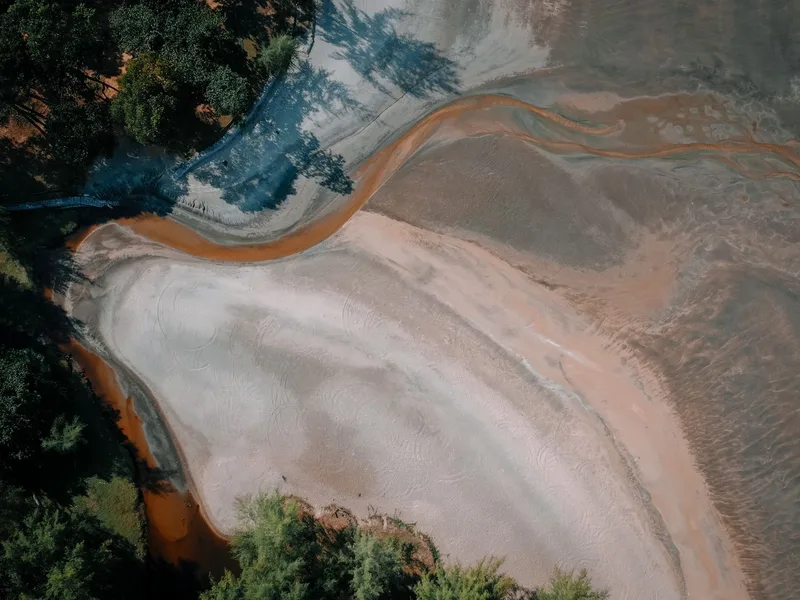
The layer on the floor
Floor layer holds sea salt, iron oxide and may be white, red or brown, needing very strong wash and fine filtration.
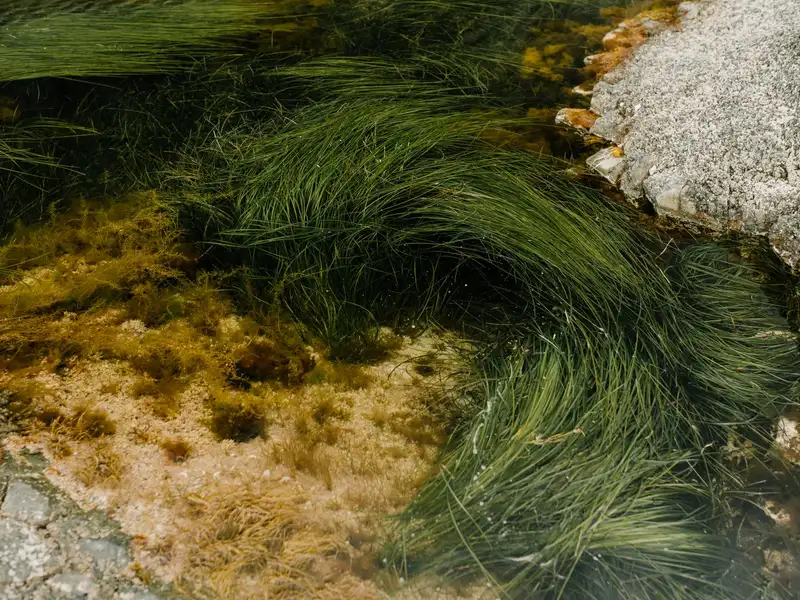
Light and algae
Algae and green growth may occur but salt may slow rapid spread, and light may trigger growth unless vent ports are well protected.
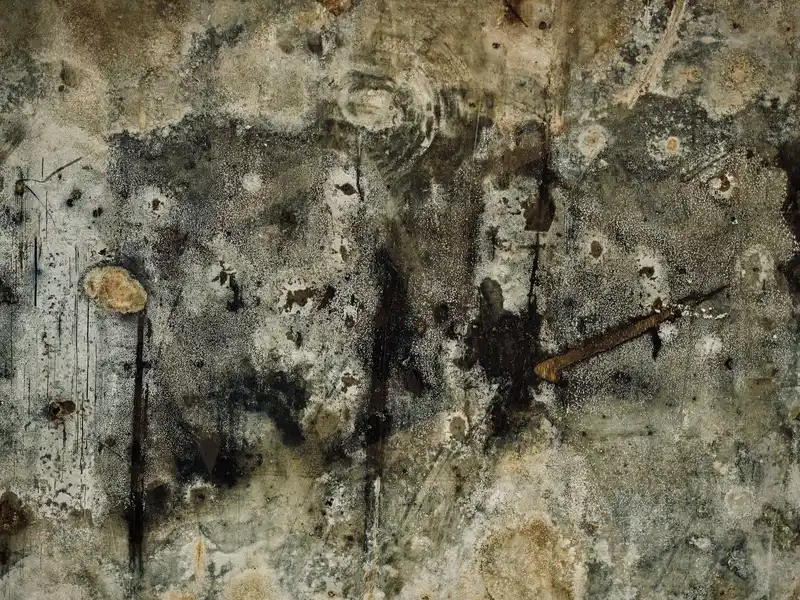
The deposit on the wall
Tank walls carry multiple layers of salt and rust, and stripping them may reveal cracks or corrosion damage beneath.
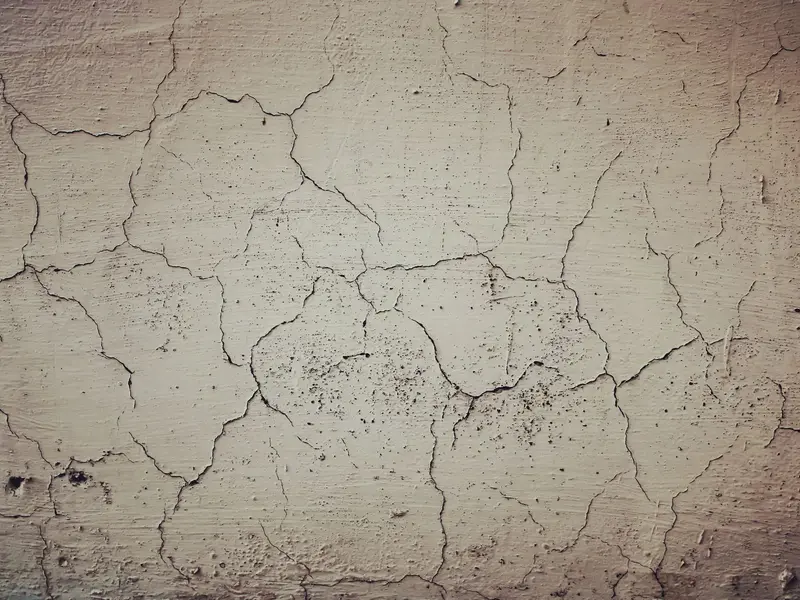
The lining and hairline cracks
Lining may have cracks from salt acting like a wedge, and thermal swings may widen them.
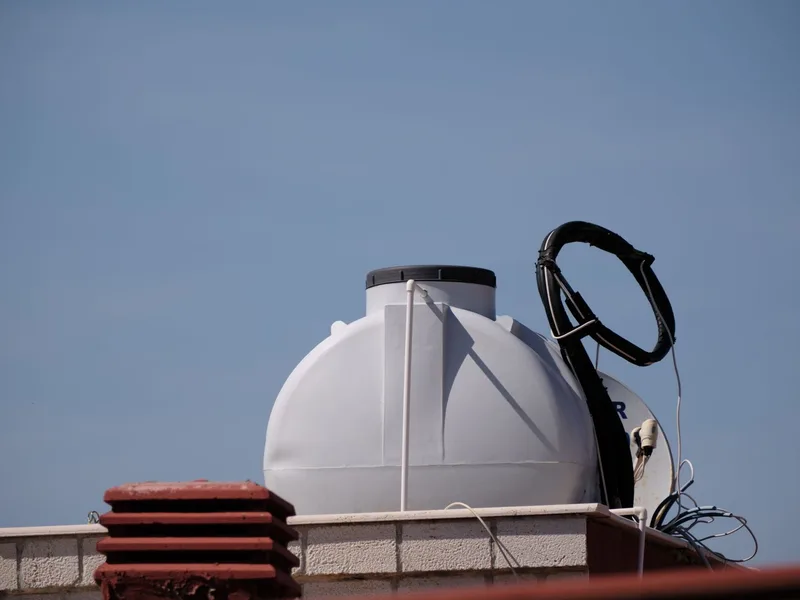
The lid and the access hatch
Covers and ports corrode fast from sea salt and gasket edges may become brittle and need regular replacement.
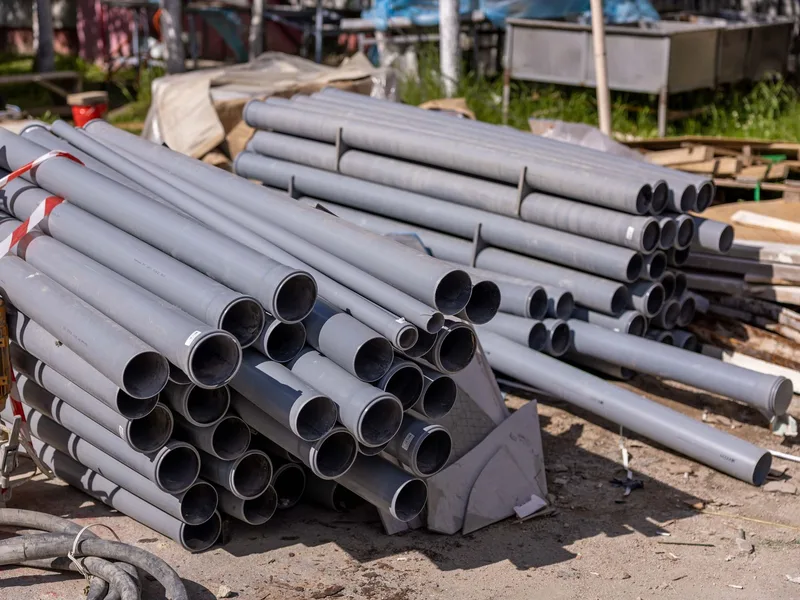
The vent and the overflow pipe
Vent holes and overflow pipes clog fast from sea salt and mineral deposits, needing strong filters and very frequent cleaning.
How we work
-
1
Inspect before the drain
Tank type and material, the condition of the lining, the depth of the sediment, the lid and the vent, and where the drained water will go. We agree the window without supply before anything is opened.
-
2
Drain, then lift the sludge
The water leaves through the outlet, then the layer beneath it is taken out by hand and by suction. That layer is the reason for the visit, not the water that ran out ahead of it.
-
3
High pressure wash
Walls, floor and the joint where they meet, with a brush wherever the film resists, then the wash water is taken out completely so nothing we lifted settles again.
-
4
Disinfect and put back in service
Disinfectant over every internal surface, left for its contact time and then rinsed out, followed by the refill, a first draw off at the taps, and a report on what was inside the tank.
What water tank cleaning includes
-

An inspection before the valve
Tank type, lining condition, depth of sediment, lid and vent, recorded before any water leaves.
-

Full drain and sediment removal
The water through the outlet, and the layer below it by hand and by suction until the floor itself is showing.
-

Pressure washing walls and floor
High pressure across the surfaces and corners, and a brush on anything water alone will not lift.
-

Disinfection after the wash
A disinfectant intended for drinking water tanks, named to you before it is used, left for its contact time and then rinsed out.
-

Refill and the first draw off
We refill, run the taps so the new water moves through the pipework, and tell you when it is ready to use.
-

A report and the next date
What was inside the tank, anything on the lid or the lining that needs repair, and a sensible date for the next clean.
Landmarks of Al Amwaj
Obhur Road and Prince Abdulmajeed Road frame the district between the northern wave and the beach, and SOL Beach Resort marks the southern boundary. Cleaning must account for the coastal location from the start.
- Obhur Road
- Prince Abdulmajeed Road
- Prince Nayef Street
- Prince Abdullah Al Faisal Street
- SOL Beach Resort
Questions about this district
Does salt air really enter the tank despite a tight cover?
Yes, salt particles ride the air through vent holes and maintenance ports even if covered. Vent filters need replacement every two months at least in coastal zones, and may need stronger meshes.
The water tastes noticeably salty even after cleaning. Why?
Salty taste comes from sea salt in the groundwater itself or from seepage into the tank. Cleaning alone cannot fix it if the base groundwater is saline.
Vent holes are blocked by a white layer. What is it?
White layer is accumulated sea salt. Replacing and regularly cleaning the vent filters prevents blockage and reduces salt entry to the tank.
The fairly new tank shows brown spots on the lining. Why?
Brown spots are rust from saline groundwater or from salt laden vent particles. Coastal tanks corrode faster because salt speeds breakdown.
Humidity around the tank is very high even in summer. Does it cause leaks?
Relentless humidity may cause slow seepage from seals and hairline cracks. Regular leak inspection is needed and you may need external tank resealing.
Do the beach resorts share the same tank as the villas?
That depends on design. But if they share your tank, heavy resort use means more frequent cleaning and you may need regular contamination checks.
How much does water tank cleaning in Al Amwaj cost?
It is set after the inspection, because the price follows the type of infestation, the size of the space, how far it has spread and the number of visits it needs. Send a photo and a description on WhatsApp and we will give you an estimate before we reach Al Amwaj.
Nearby districts we cover
Other services in Al Amwaj
Other services we provide to residents of Al Amwaj.
-
 Residential
Cockroach control
Residential
Cockroach control
-
 Residential
Bed bug control
Residential
Bed bug control
-
 Residential
Termite control
Residential
Termite control
-
 Residential
Rodents and mice
Residential
Rodents and mice
-
 Residential
Mosquito control
Residential
Mosquito control
-
 Residential
Fly control
Residential
Fly control
-
 Residential
Ant control
Residential
Ant control
-
 Residential
Gecko control
Residential
Gecko control
-
 Residential
Scorpion control
Residential
Scorpion control
-
 Residential
Snake control
Residential
Snake control
-
 Residential
Flea control
Residential
Flea control
-
 Residential
Bird and pigeon control
Residential
Bird and pigeon control
-
 Residential
Preventive treatment
Residential
Preventive treatment
-
 Residential
Disinfection
Residential
Disinfection
-
 Commercial
Annual contracts
Commercial
Annual contracts
-
 Commercial
Restaurants and cafes
Commercial
Restaurants and cafes
-
 Commercial
Hotels and apartments
Commercial
Hotels and apartments
-
 Commercial
Warehouses and factories
Commercial
Warehouses and factories
-
 Commercial
Schools and nurseries
Commercial
Schools and nurseries
-
 Commercial
Retail and malls
Commercial
Retail and malls
-
 Commercial
Rest houses and farms
Commercial
Rest houses and farms
-
 Commercial
Fumigation
Commercial
Fumigation
-
 Water tanks
Water tank sterilization
Water tanks
Water tank sterilization
-
 Water tanks
Water tank sealing
Water tanks
Water tank sealing
-
 Water tanks
Tank leak repair
Water tanks
Tank leak repair
Need water tank cleaning in Al Amwaj? Tell us what you saw and we will tell you what it needs
We reach Al Amwaj at a time we agree, and you get the full cost before we start.