
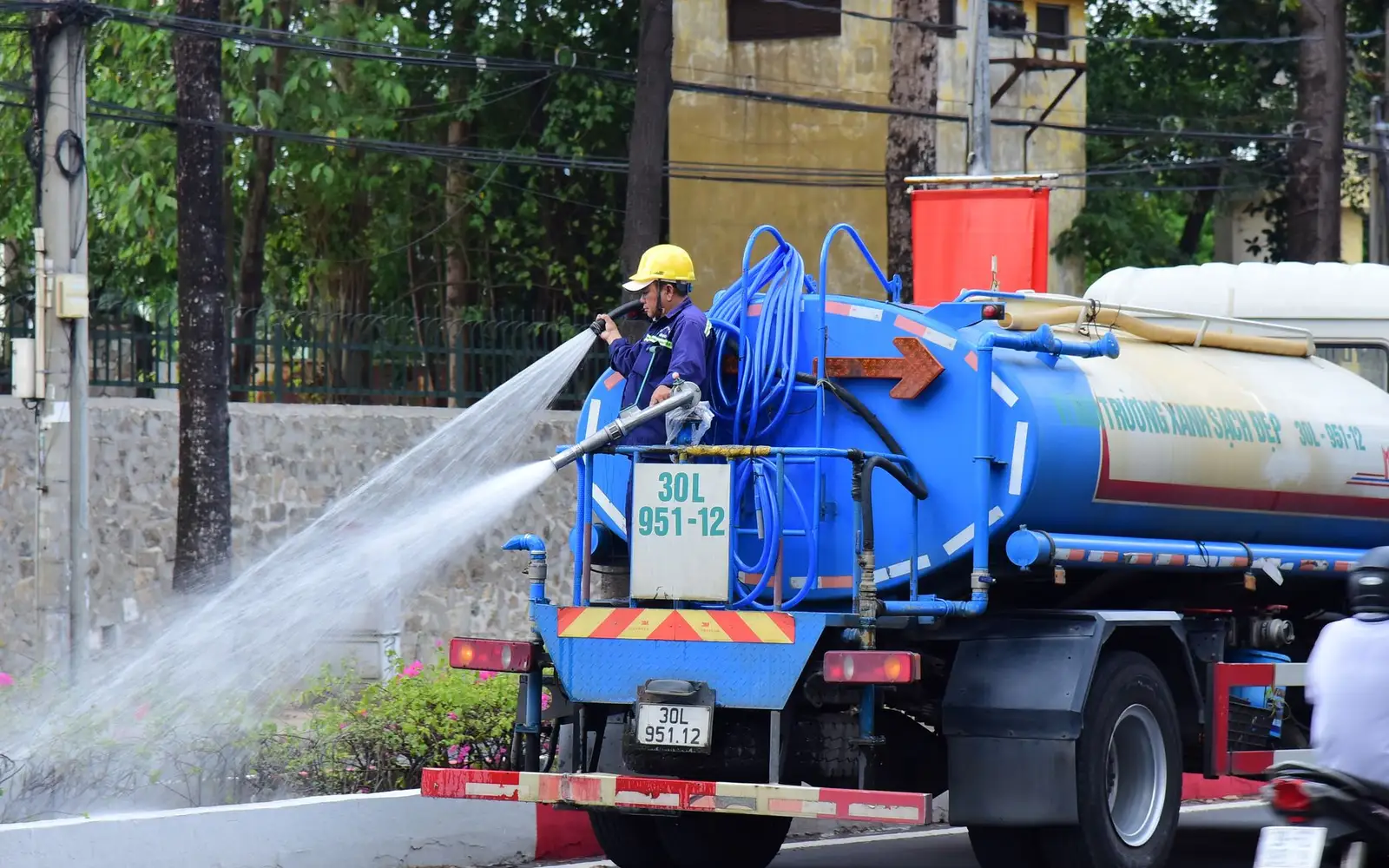
Water tank cleaning in Al Balad Jeddah
Al Balad is the historic commercial heart of Jeddah, a UNESCO World Heritage site with coral limestone tower houses and wooden rawashin latticework. Narrow lanes and closely packed buildings are the norm. Tanks may sit on tight roofs or in damp cellars. Water may come from tankers rather than main network. Sediment here mixes the dust of the old city with corrosion from very ancient pipework.
-
Potable-rated materials
Linings and disinfectants cleared for drinking water tanks, not general-purpose products.
-
You get the downtime first
How many hours the tank is out of service, told before we start rather than after we finish.
-
A first-draw flush
We run the first draw off after refilling, and the tank is not handed back until the water runs clear.
-
Ground and roof tanks
Villas, apartment blocks and premises that need a written record of each visit.
Why the job is different in Al Balad
Tanks here sit in difficult access locations and may be on cramped roofs or in narrow damp cellars. Water may come from tankers or from weak network lines. Sediment may originate from extremely old piping. The method is set out in full on what Water tank cleaning involves.
Historic buildings house tanks in cramped, difficult locations
The timber latticed heritage houses of Al Balad may not accommodate modern tanks. A tank may sit on a tight rooftop or in a damp cellar. Access is hard and cleaning must respect the architectural heritage.
Narrow lanes and busy souqs create water pressure swings
Popular souqs like Souq Al Alawi and Souq Al Badu around Bab Makkah draw heavy water use at peak trading hours. Pressure collapses at these times. Homes above the shops may have no pressure at all.
Very old piping under narrow streets is slow to replace
Al Balad pipes may date to the first decades of Jeddah's water network. They may be partly blocked or actively leaking. Replacement means digging under narrow heritage streets, which is costly and difficult.
Al Balad on the map
Al Balad sits about 1 km from Al Sahifah and about 1 km from Al Ammariyah.
Open in Google MapsThe condition of the tank decides the method
The historic commercial centre of Jeddah with its fine ancient stone and timber architecture set on very narrow lanes, surrounded by longstanding popular souqs and registered heritage buildings.
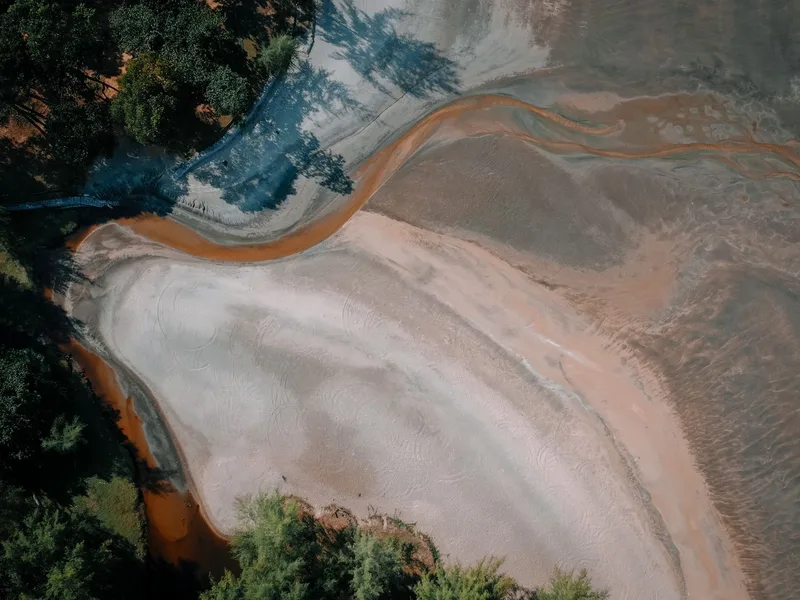
The layer on the floor
Sediment here may come from very old piping and can be white from lime or red from rust. Busy souqs may lift deposits fast.
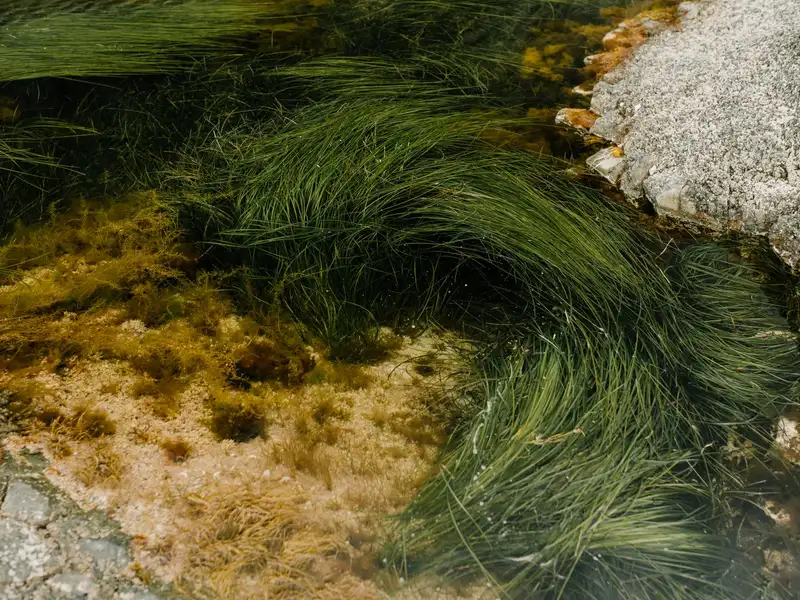
Light and algae
Algae can grow in exposed tanks or in narrow pipe runs. The high dampness around old rooftops may accelerate growth.
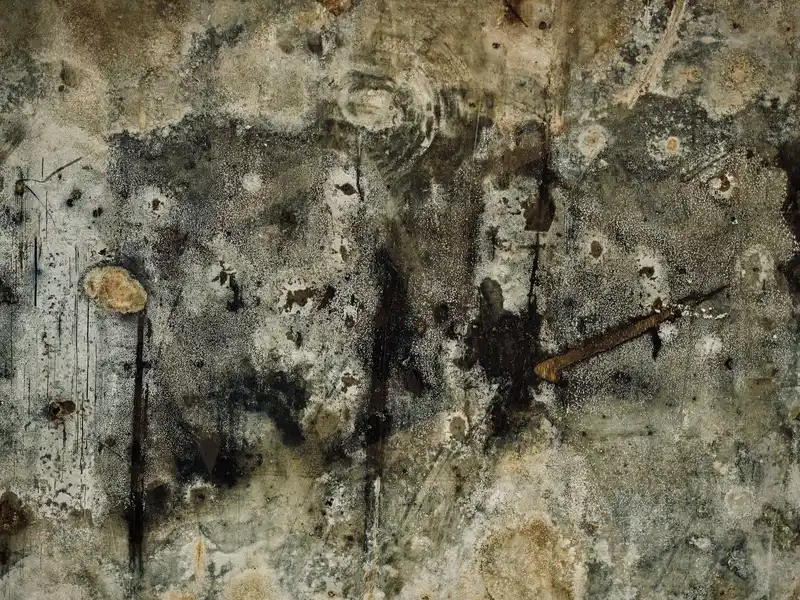
The deposit on the wall
Wall deposits can be very thick due to very old pipes and stagnant water periods. Washing may need many hours.
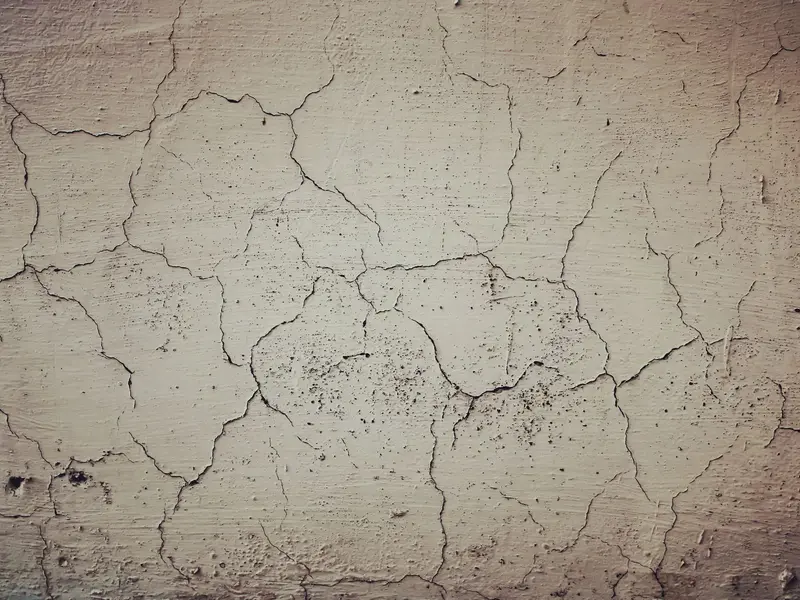
The lining and hairline cracks
Cracks may appear in ancient stone tanks. Humidity and temperature swings may cause slow expansion and contraction.
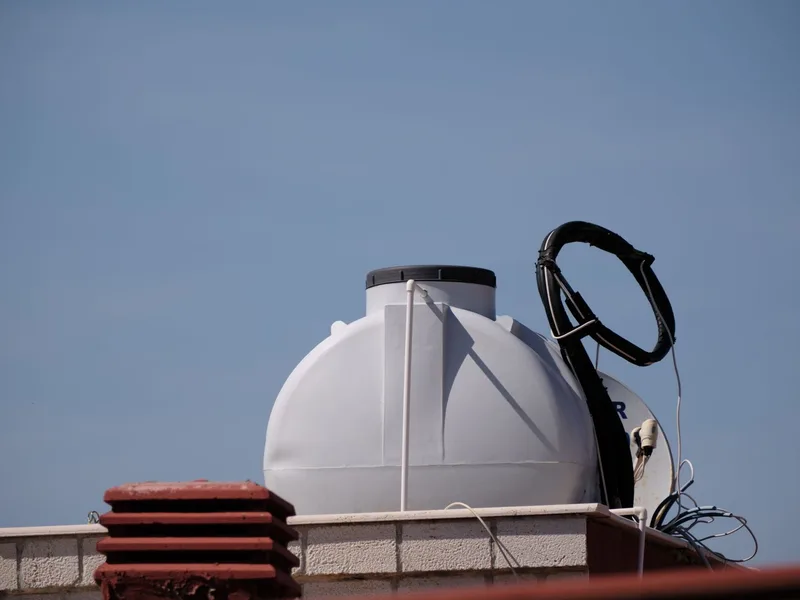
The lid and the access hatch
The lid may be missing or loose on some heritage houses. The maintenance hatch may be blocked.
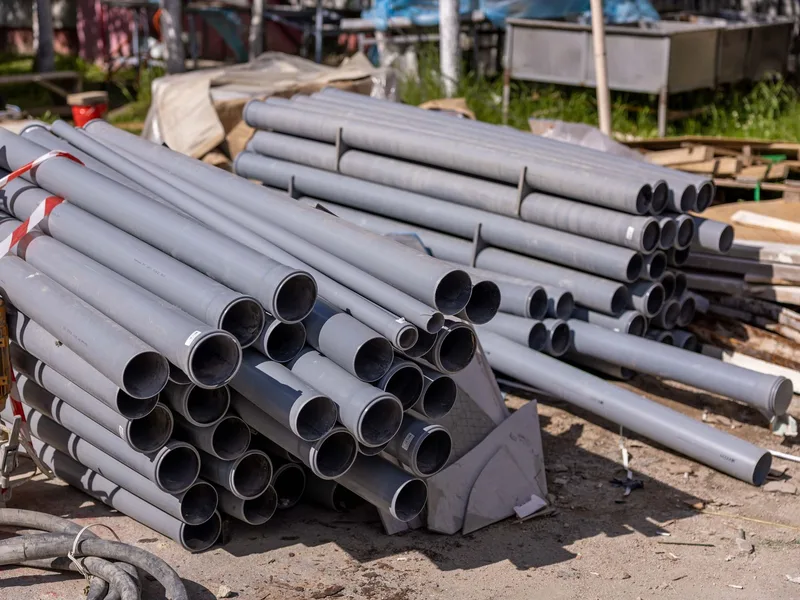
The vent and the overflow pipe
The vent hole can admit dust from the busy souqs below, and the overflow may carry street water during heavy rain.
How we work
-
1
Inspect before the drain
Tank type and material, the condition of the lining, the depth of the sediment, the lid and the vent, and where the drained water will go. We agree the window without supply before anything is opened.
-
2
Drain, then lift the sludge
The water leaves through the outlet, then the layer beneath it is taken out by hand and by suction. That layer is the reason for the visit, not the water that ran out ahead of it.
-
3
High pressure wash
Walls, floor and the joint where they meet, with a brush wherever the film resists, then the wash water is taken out completely so nothing we lifted settles again.
-
4
Disinfect and put back in service
Disinfectant over every internal surface, left for its contact time and then rinsed out, followed by the refill, a first draw off at the taps, and a report on what was inside the tank.
What water tank cleaning includes
-

An inspection before the valve
Tank type, lining condition, depth of sediment, lid and vent, recorded before any water leaves.
-

Full drain and sediment removal
The water through the outlet, and the layer below it by hand and by suction until the floor itself is showing.
-

Pressure washing walls and floor
High pressure across the surfaces and corners, and a brush on anything water alone will not lift.
-

Disinfection after the wash
A disinfectant intended for drinking water tanks, named to you before it is used, left for its contact time and then rinsed out.
-

Refill and the first draw off
We refill, run the taps so the new water moves through the pipework, and tell you when it is ready to use.
-

A report and the next date
What was inside the tank, anything on the lid or the lining that needs repair, and a sensible date for the next clean.
Landmarks of Al Balad
Al Balad holds Nassif House and Al Shafi'i Mosque and is ringed by Souq Al Alawi and Souq Al Badu around Bab Makkah and Bab Sharif. Tanks on rooftops and in cellars between these heritage landmarks are reached carefully via the narrow lanes.
- Nassif House
- Al Shafi'i Mosque
- Souq Al Alawi
- Souq Al Badu
- Bab Makkah
- Bab Sharif
Questions about this district
Our tank sits on a tight roof between wooden rawashin. How do we clean it?
Tanks on cramped heritage rooftops need special care. We may need to temporarily disassemble parts of the latticework or use lightweight equipment. The architectural heritage must be preserved.
The shop tap runs clear but the flat above has cloudy water. Why?
The shop may draw from the upper tank section and the flat from the lower. Shared piping may run at different levels. Full cleaning and engineering inspection are necessary.
Does Al Balad need more frequent cleaning than modern districts?
Yes, very old pipes, unstable pressure and dense souqs all cause faster sediment accumulation.
Our water comes from tankers not the mains. Does this change cleaning?
Yes, tanker water carries different sediment than mains supply. Deposits may form faster. More frequent cleaning may become necessary.
When can we use the water again after the shop tank has been cleaned?
The shop needs water soon since it stays open. We can refill the tank quickly after cleaning and disinfecting. The shop may close for just a few hours.
The old house is very damp and the tap water smells odd. Why?
Dampness may enter from cellars around the tank. Old water sitting in very ancient pipes can carry smell. Deep cleaning and tank aeration are necessary.
How much does water tank cleaning in Al Balad cost?
It is set after the inspection, because the price follows the type of infestation, the size of the space, how far it has spread and the number of visits it needs. Send a photo and a description on WhatsApp and we will give you an estimate before we reach Al Balad.
Nearby districts we cover
Other services in Al Balad
Other services we provide to residents of Al Balad.
-
 Residential
Cockroach control
Residential
Cockroach control
-
 Residential
Bed bug control
Residential
Bed bug control
-
 Residential
Termite control
Residential
Termite control
-
 Residential
Rodents and mice
Residential
Rodents and mice
-
 Residential
Mosquito control
Residential
Mosquito control
-
 Residential
Fly control
Residential
Fly control
-
 Residential
Ant control
Residential
Ant control
-
 Residential
Gecko control
Residential
Gecko control
-
 Residential
Scorpion control
Residential
Scorpion control
-
 Residential
Snake control
Residential
Snake control
-
 Residential
Flea control
Residential
Flea control
-
 Residential
Bird and pigeon control
Residential
Bird and pigeon control
-
 Residential
Preventive treatment
Residential
Preventive treatment
-
 Residential
Disinfection
Residential
Disinfection
-
 Commercial
Annual contracts
Commercial
Annual contracts
-
 Commercial
Restaurants and cafes
Commercial
Restaurants and cafes
-
 Commercial
Hotels and apartments
Commercial
Hotels and apartments
-
 Commercial
Warehouses and factories
Commercial
Warehouses and factories
-
 Commercial
Schools and nurseries
Commercial
Schools and nurseries
-
 Commercial
Retail and malls
Commercial
Retail and malls
-
 Commercial
Rest houses and farms
Commercial
Rest houses and farms
-
 Commercial
Fumigation
Commercial
Fumigation
-
 Water tanks
Water tank sterilization
Water tanks
Water tank sterilization
-
 Water tanks
Water tank sealing
Water tanks
Water tank sealing
-
 Water tanks
Tank leak repair
Water tanks
Tank leak repair
Need water tank cleaning in Al Balad? Tell us what you saw and we will tell you what it needs
We reach Al Balad at a time we agree, and you get the full cost before we start.